The acceleration of transition to a bioeconomy in horticulture.
BioBoost, was funded by the EU Interreg 2 Seas programme, is focused on using and reducing waste from fresh produce. Crop bi-products and waste crop materials are used as feedstocks for new higher value end-products, which otherwise would be wasted or used for lower value products. At Niab we are looking into more environmentally-friendly solutions to minimise the impact of waste on our environment and improve the sustainability of production methods. This three and a half year project includes scientists from industry and academia in The Netherlands, UK, and Belgium, seeking to learn from each other's innovations and to progress the best solutions through to the marketplace.
The project looked to accelerate the transition towards a more circular bioeconomy by implementing regional test and pilot projects for the development of new techniques, methods and products in the horticultural sector and supporting their development towards market-uptake. We supported SMEs towards the development of innovations and to accelerate their entry to the market. This collaborative project was co-ordinated by our Dutch colleagues in Westland in the west of The Netherlands.
Resources
In this video from 2020, Lydia Smith explains Niab's involvement in the BioBoost project. She was talking to the site manager of a commercial nursery and discusses if the green pesticide options are making a difference.
Funder: Innovate UK Partners: Opposable Games (Lead), Berry Gardens Growers Ltd, University of the West of England Term: September 2020 to September 2022
Selecting dessert blackberries at the optimum stage of maturity is key to ensuring that the final product purchased by the consumer is of high quality, looks good and, most importantly, tastes good. Consumer satisfaction is essential for repeat purchasing, but so much depends on the harvest team selecting the right berries at the right time, every time! Selection of perfect berries is challenging due to subtle colour changes that occur during ripening. Blackberry can be a particularly difficult crop, for although many berries might have turned black, they are not all at the same stage of maturity in terms of flavour development. Removing every berry that is black can lead to considerable variation in taste and flavour, and consequently consumer satisfaction. For pickers to select ripe fruit, fast, consistently and accurately, requires considerable skill, which takes time to acquire. Pickers, therefore, need a more reliable method of selecting uniformly ripe berries.
The project
This feasibility project set out to develop technology that can be used by harvesting teams to help them differentiate between blackberries which are fully ripe and those that are black but haven’t yet developed optimum flavour. With the help of Berry Gardens Growers, over 500 blackberries of varying ripeness were collected from member farms. Hyperspectral imaging of the fruit was conducted alongside laboratory assessments to determine berry ripeness and other metrics. From the analysis of the spectral images, key electromagnetic wavelengths were identified to provide significant differentiation between ripe and unripe fruit.
Results
Using the results of these analyses, a berry detection algorithm has been developed to detect and assess berries within a video feed. As berries are detected, their images are analysed to determine their ripeness. Machine learning was used to create the berry ripeness detection system. A convolutional neural network (CNN) was trained with multi-spectral images of blackberries of known maturity. The resulting algorithm showed a 95% accuracy in ripeness detection.
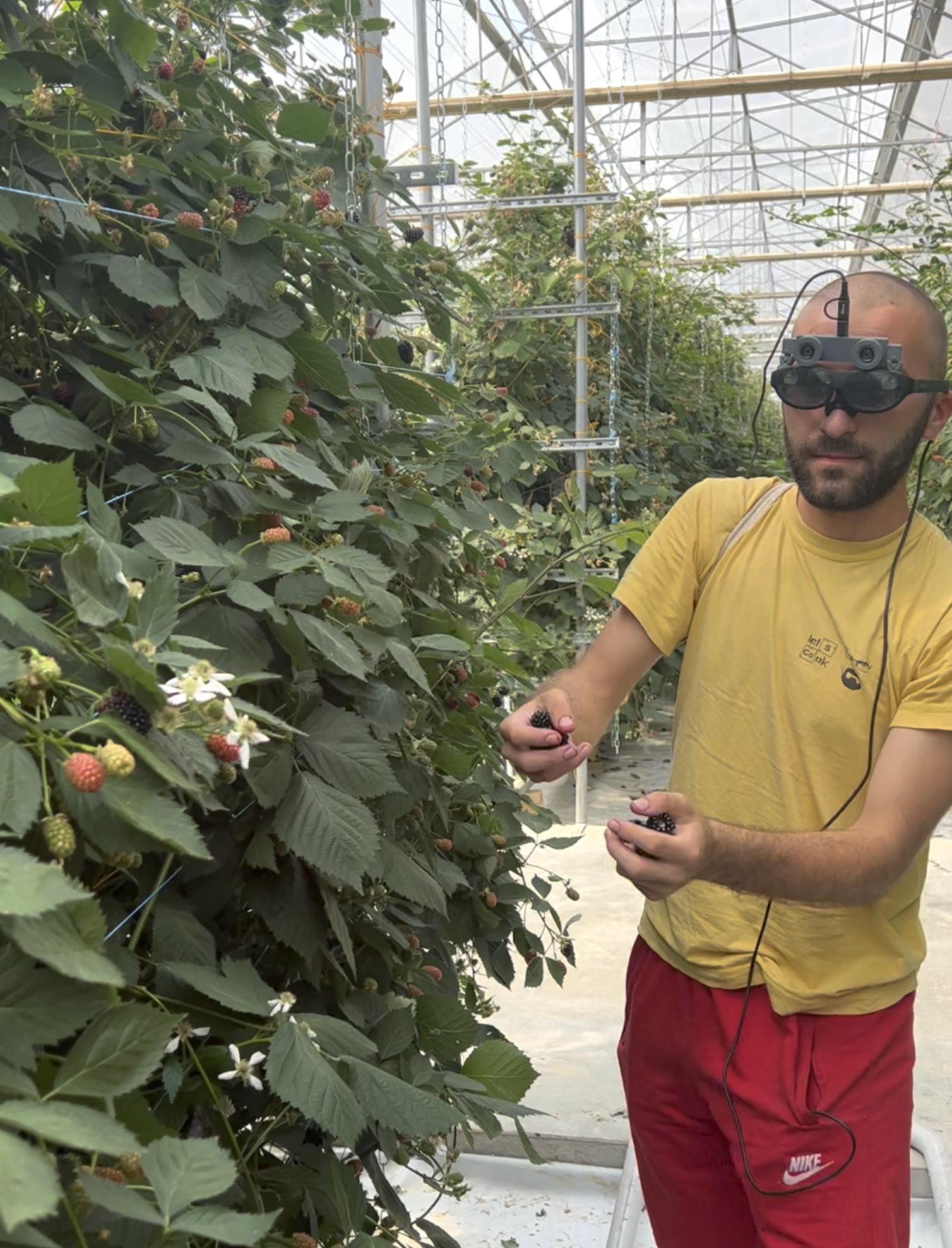
During the project prototype hardware and software were developed. The hardware was tested in the field by experienced pickers providing valuable insight to improve future versions. The system employs augmented reality (AR) glasses, which are worn by the pickers. Augmented Reality is the overlaying of visual digital information onto the real world through the lenses. Bespoke multispectral imaging cameras and the machine vision algorithm determine the ripeness of each berry, which is relayed to the picker via the AR glasses. This allows the pickers to pick berries that are uniformly ripe and to leave any berries, which have not developed optimum flavour, still on the cane to be harvested on another occasion.
New studies on site specific factors affecting apple canker and a novel method of disease management with endophytes
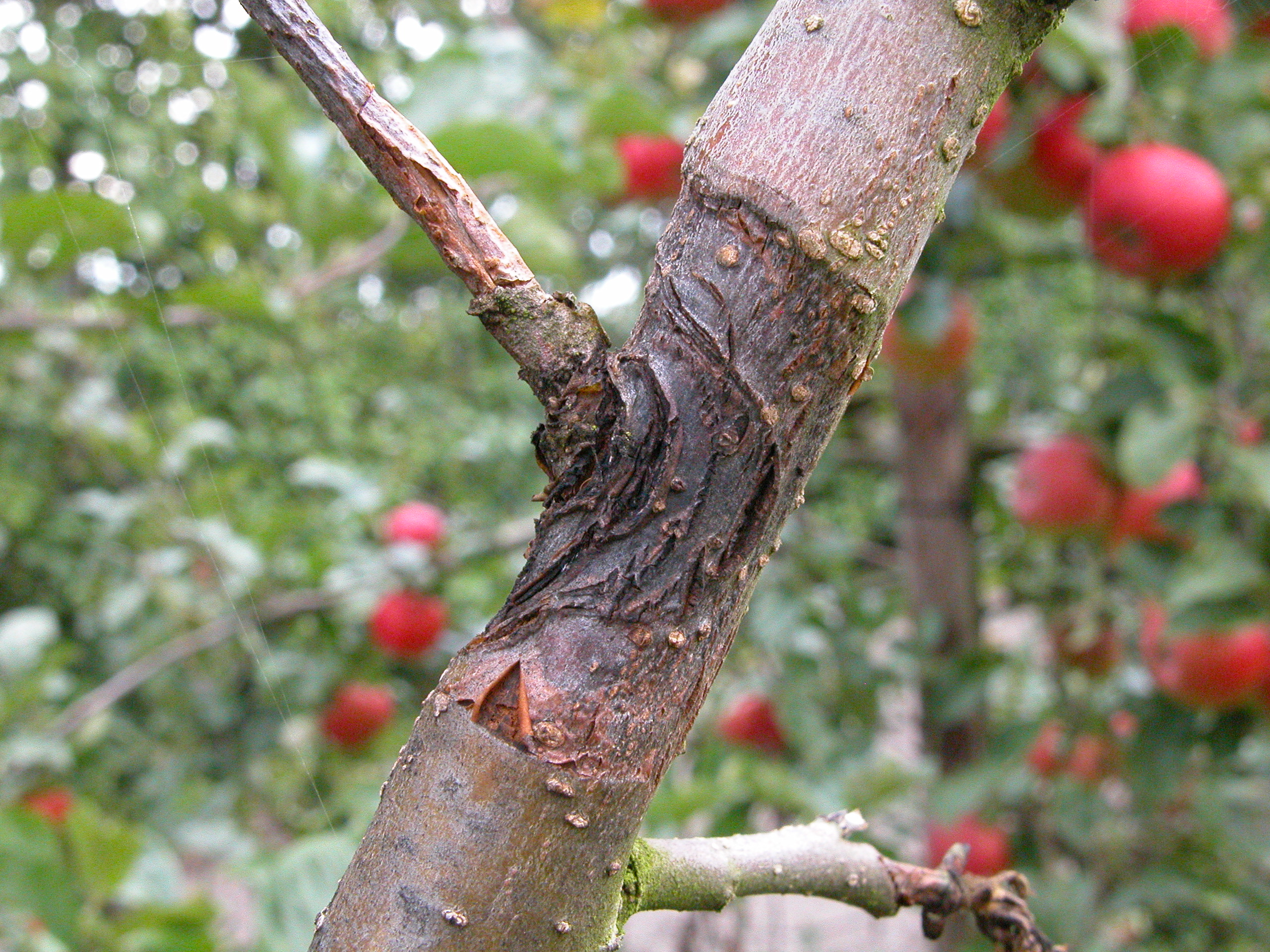
Much effort has been spent in recent years seeking new approaches to apple canker which don’t rely solely on the use of conventional fungicides. Niab has studied endophytes (bacteria and fungi which spend at least part of their life within a plant without causing apparent disease) and demonstrated the potential of the fungal genus Epicoccum for offering some control. A particular bacterial genus (Sphingomonas) is associated with scion cultivar tolerance against the canker pathogen. In addition, bacterial endophytes appear to be more persistent over growing seasons than their fungal equivalent.
The project
In this latest project, two strategies will be investigated. The first will study the impact of site-specific factors, including soil pH, organic matter and nutrient levels and type, on the development of canker symptoms from latent infection that occurred in the nursery. This could help growers to select sites with minimal risks to canker development during tree establishment in the orchard.
The second will study Sphingomonas isolated from apple leaf scar tissue. It is a naturally occurring endophyte in apple, associated with plant health, and known to be capable of promoting plant growth. We will assess its seasonal dynamics following artificial augmentation across growing seasons to assess whether the level of its abundance is associated with tree health, and whether repeated application is necessary to maintain its abundance at a sufficiently high level to offer control.
Funder: Biotechnology and Biological Sciences Research Council (BBSRC) Industry partner: Worldwide Fruit; Avalon Fresh Term: October 2023 to September 2025
Most of the modern apple varieties grown in the UK are susceptible to apple scab (caused by Venturia inaequalis), apple powdery mildew (caused by Podosphaera leucotricha) and European apple canker (caused by Neonectria ditissima). All three are fungal diseases which can cause serious yield and quality losses if not adequately controlled and their effective management is time consuming and significantly adds to the production costs. The long-term aim of the industry is to breed apples with resistance to these diseases, which will reduce production costs by avoiding the use of conventional spray control measures. However, breeding is a long-term process and typically takes 20-25 years from crossing to release.
The project
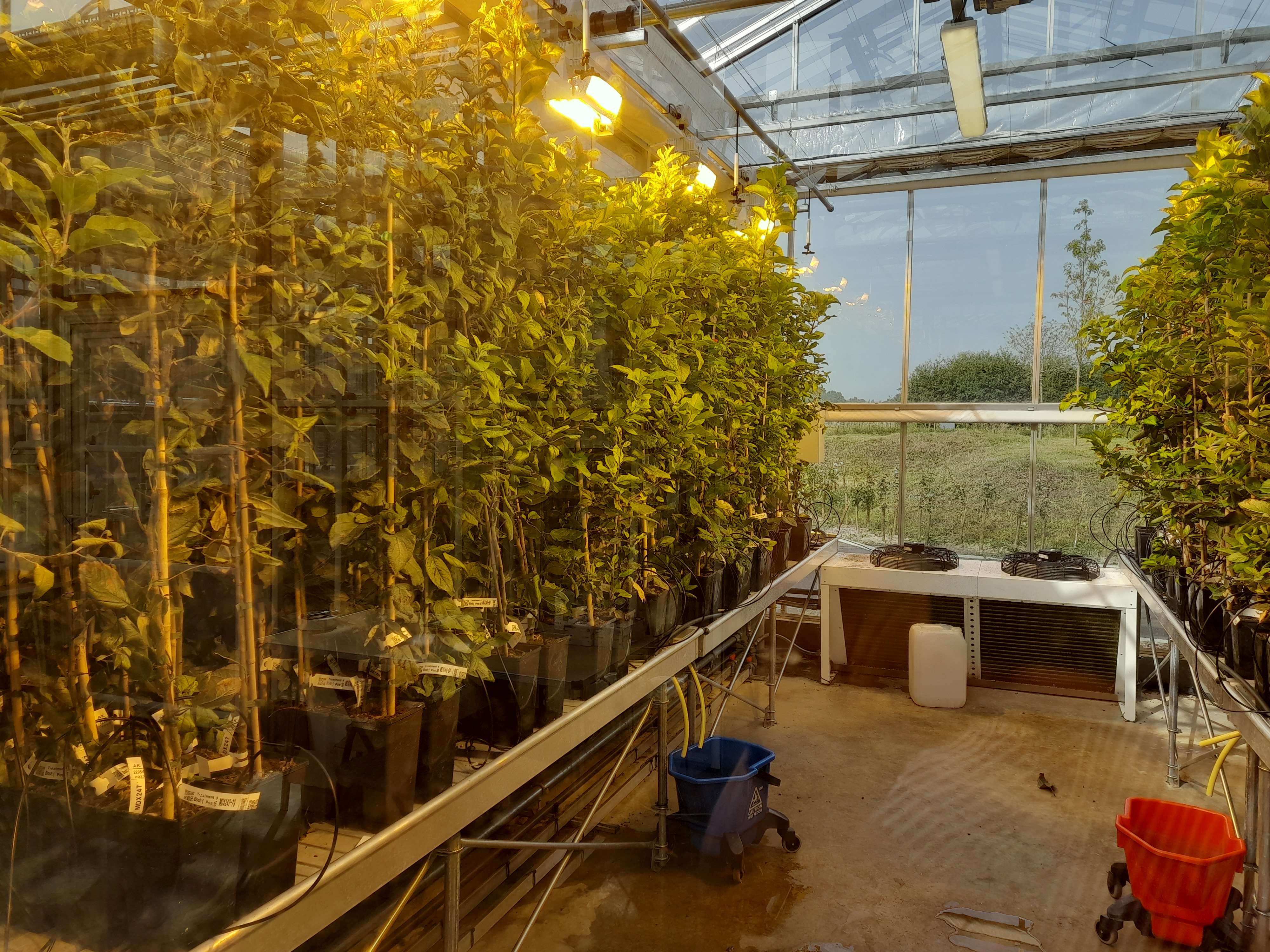
The aim of this project is to develop novel breeding methodologies that will enable a shorter breeding cycle for apple and ensure a faster route to market for resistant varieties. The methodologies will include the use of genomic selection, marker assisted selection and speed breeding. These will be implemented in the Apple Breeding Consortium involving Niab and industry partner WorldWide Fruits Ltd.
Title: Next generation apple breeding for resilient UK production Funder: Growing Kent & Medway Industry partners: WorldWide Fruit Ltd Term: June 2023 to March 2025
Increasing productivity and sustainability in UK viticulture: investigating the potential of groundcover management practices on soil health, yields and juice quality, and emissions.
Partners
Gusbourne Chapel Down (English Wines PLC) T Denne & Sons National Resources Institute (University of Greenwich) Vinescapes
Funders
Defra via Innovate UK
Niab is increasingly aware that poor soil health can give rise to inconsistent grape yields and juice quality, which can lead to costly interventions in the vineyard and winery. Cover crops could play a significant role, by enhancing soil health through their effects on soil carbon content, hydraulic conductivity, biodiversity, and soil structure.
The project
Niab has investigated the potential impact of vineyard groundcover management practices by comparing soil health, vine growth and juice quality between a range of inter-row cover crop treatments, as well as different under-vine management strategies comprising herbicide applications, a mechanical method (under-vine cultivation), and a control using weed strimming alone.
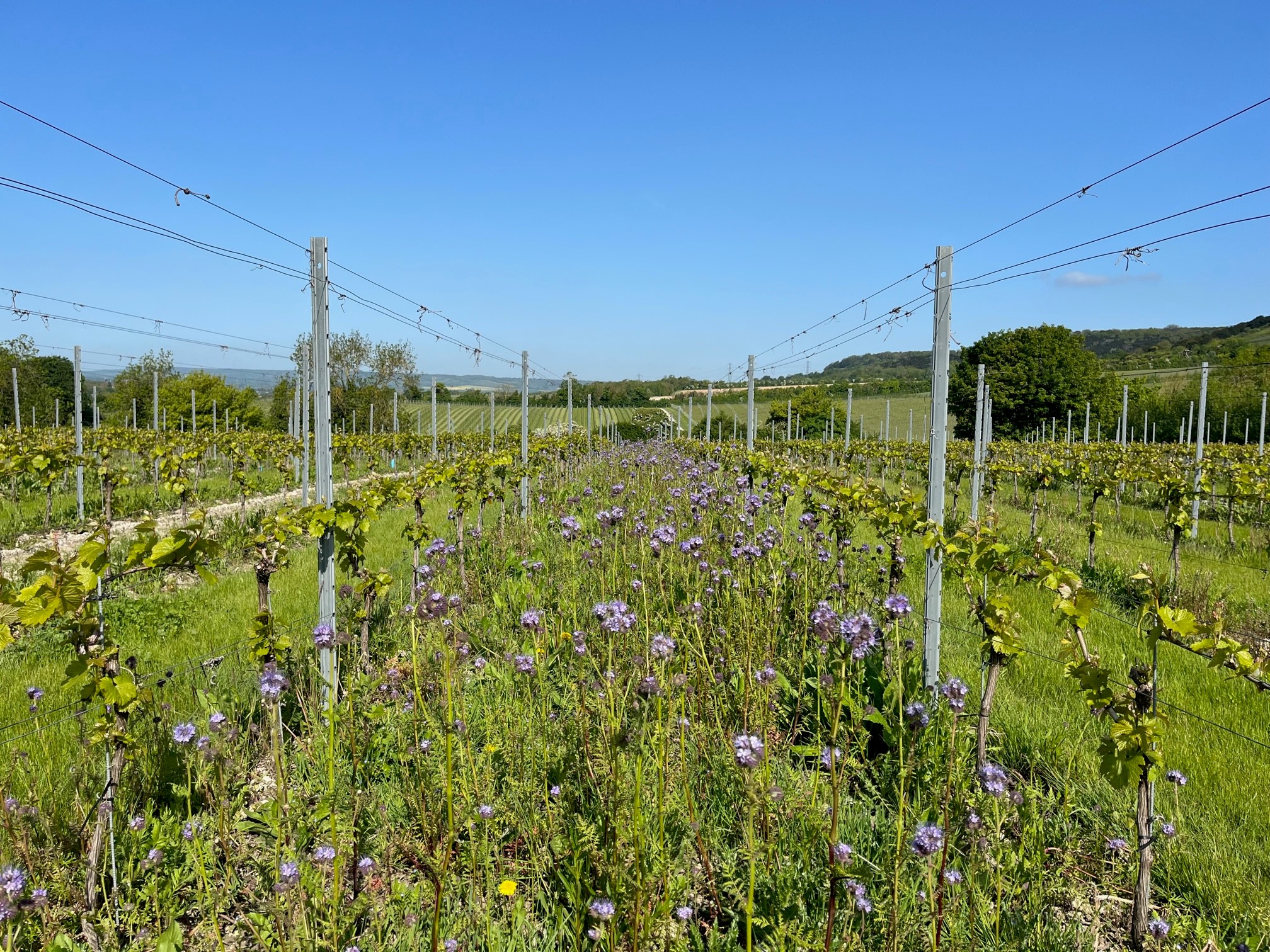
The comparisons were made on three sites including the East Malling Research Vineyard and two commercial vineyard sites at Chapel Down and Gusbourne. The cover crop mixes included phacelia, faba bean, an annual mix of rye and vetch, and a perennial mix containing creeping red fescue and three clover species. The control treatment consisted of alleyways that were maintained as before, with natural/spontaneous vegetation that is regularly mown.
Hot and dry conditions in 2022 resulted in poor establishment of the cover crops, so work was done in that year to compare different methods of sowing and management. Better conditions in 2023 allowed improved establishment enabling comparisons to be made between the crop cover mixes, and the project was extended into 2024 to acquire an extra season of data.
Results
In 2023, some statistically significant results were recorded in the faba bean plots which established particularly well on all sites. There were significantly higher concentrations of soil phosphorus (P) in the faba bean treatment at both the Gusbourne and Chapel Down sites relative to the control, but no differences were found at East Malling. Potential benefits of increased soil P includes enhanced tolerance of the grapevine to copper toxicity, and, in some instances, increased number and weight of clusters and berries. However, it will need careful monitoring since excess soil P can have a negative impact on berry quality.
Other trends appeared over 2023 and 2024. In both years, although not statistically significant, soil nitrate levels in the faba bean plots were much higher than in the control plots at both Gusbourne and East Malling and the same increase was seen on all three sites in 2024 in both faba bean and phacelia plots.
On all three sites, soil moisture levels were lower in all the crop cover treatments compared to the control, suggesting that soil aeration could be improved where crop covers are planted.
In 2023, chlorophyll levels in vine leaves were significantly higher in vines adjacent to faba bean alleyways at both Gusbourne and Chapel Down, and this same trend was observed at East Malling in 2024.
The effect of cover crops on vine canopy varied between years, but there was a trend toward higher vigour in vines adjacent to faba bean and phacelia at all three sites in 2024. It is surmised that this may have resulted from the additional nitrate measured in these plots. In addition, the annual mix of rye and vetch at East Malling and Gusbourne was associated with increased vigour in 2024. This may require additional management interventions to limit the increased disease pressure and reduced grape juice quality that can result from high vigour.
In terms of grape juice quality, significantly higher levels of yeast assimilable nitrogen (YAN) was recorded in grapes from vines adjacent to the faba beans at Gusbourne compared to the control in 2023. This may be attributed to the nitrogen-fixing capacity of the beans resulting in greater nitrate availability to the vines. In 2024, there were trends showing higher YAN content in all crop cover treatments than in the control treatment, although the increase was not statistically significant.
It should be stressed that we can’t draw firm conclusions from these results as the findings were not repeated in both years of the trial and in some cases, only trends have been recorded. However, the work has demonstrated that cover crops can benefit several aspects of soil health (improved nutrient content, better water management) and the vine (e.g. chlorophyll content, YAN). Vine growers considering using cover crops are encouraged to think carefully about how best to establish them, seek guidance from others who have experience of using them and be patient in the early years.
This research project has now finished. Work is continuing on the subject in other funded research.
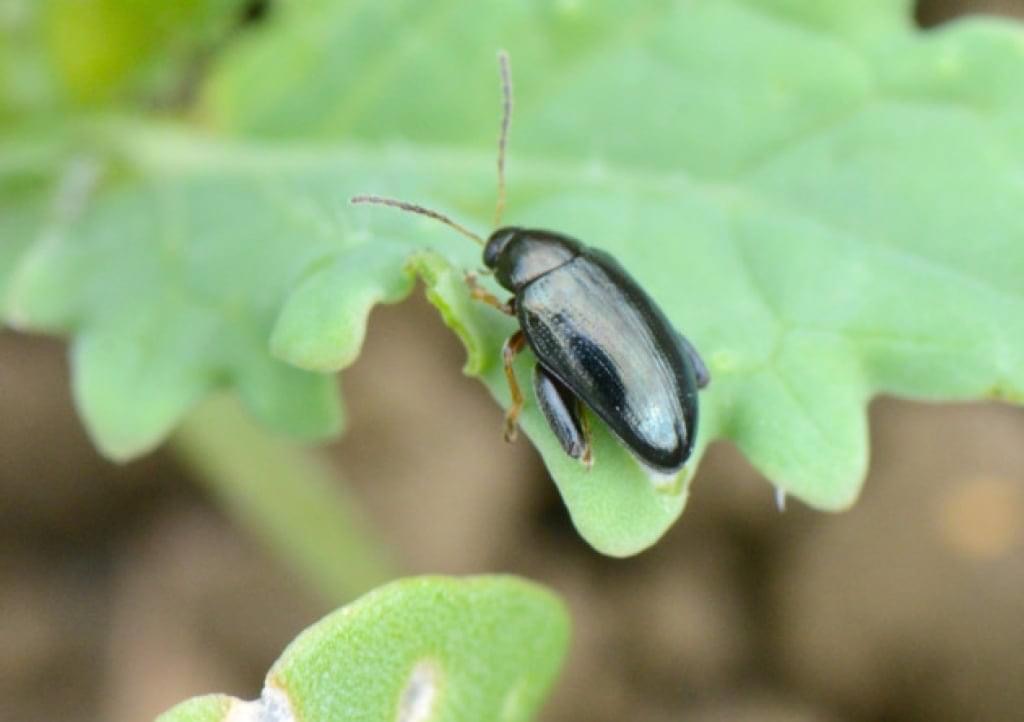
csfbSMART – ‘Sharing Management and Agronomy Research Tools’ – aims to test management methods and tools for use against Cabbage Stem Flea Beetle on UK farms, with oilseed rape growers provided with information on how to implement and assess these management strategies over the next three years.

csfbSMART connects two research projects investigating CSFB control. ‘Reducing the impact of CSFB on OSR in the UK’ aims to improve understanding of the pest’s biology and investigate alternative management methods. It is led by ADAS and Harper Adams University and funded by AHDB and a consortium of industry organisations. The second, ‘CSFB: evaluating management of oilseed rape on-farm for maximum margins’, led by NIAB and funded by Defra, aims to test these management methods on a wider scale, encouraging growers to carry out their own trials and assess their effectiveness.
The area of winter oilseed rape in the UK has declined significantly as a result of the withdrawal of neonicotinoid seed dressings that controlled cabbage stem flea beetle in the crop. Without effect chemical control the pest has become increasingly problematic, often leading to complete crop failure. Its future management will be reliant on a range of agronomic approaches.
The first stage of csfbSMART involves current, past and future oilseed rape growers participating in on-farm monitoring and reporting on current agronomic programmes in combatting flea beetle.
The second stage will support on-farm trials of alternative management methods to implement robust evaluation of practices and monitoring approaches. This will include supporting effective interaction and learning between researchers, farmers and industry partners, through conferences, webinars, open days and workshops, to develop recommended bundles of monitoring and management approaches that are both effective and practicable.
csfbSMART is a unique, one-off, opportunity to draw together everybody’s knowledge and experience in a coordinated and sustained effort. From 2021 to 2024, csfbSMART will collate, assess and share information freely between growers and researchers, learn from successes and failures and work with farmers and agronomists to select innovations for detailed assessment through on-farm evaluation and research investigation.
csfbSMART will roll out monitoring tools to build a national and seasonal picture of the pressures of cabbage stem flea beetle larvae and adults within oilseed rape crops and the wider farming environment. It will enable farmers and agronomists to develop their own tailored strategies, regularly updated and supported by the latest research, and share results to create more robust solutions.
News and resources
Results, reports and posters will be posted here when available. Check the @niabgroup twitter feed for the latest #csfbSMART news
Need to work out your soil moisture? For a simple method, check out our short how to video, complete with downloadable spreadsheet to help you work out your own soil moisture.
Stem larvae counting made easy
Meeting summarising findings from the national csfb Stem larval counts
csfbSMART partners include AHDB, Niab, ADAS, Harper Adams University and Rothamsted Research. The taskforce also includes Agrovista, AICC, BASF, Bayer CropScience, Cotton Farm Consultancy Ltd, DSV, Elsoms, Frontier, Innovative Farmers, KWS UK, Limagrain, LS Plant Breeding, RAGT, Sentry Ltd, Syngenta, Tuckwell Farms, United Oilseeds and Yara. Funding is provided by AHDB and Defra.
This research project has now finished. Work is continuing on the subject in other funded research.
IWMPRAISE was a European Union Horizon 2020 project that brought together experts in weed management and conservation agriculture from across the EU to support the development and adoption of integrated weed management approaches.
The project consortium consisted of 37 partners from eight different European countries and included 11 leading universities and research institutes within the area of weed management, 14 SMEs and industrial partners, and 12 advisory services and end user organisations.
Niab led the UK national cluster for narrow row crops in IWMPRAISE, in partnership with Rothamsted Research, AHDB, Cotswold Seeds and other partners. Part of our focus was to work with Garford farm machinery to understand better the principles of inter-row mechanical weeding.
The project aimed to reduce the environmental impacts of weed control, and demonstrate that integrated weed management supports more sustainable cropping systems that are resilient to external impacts and do not jeopardise profitability or the steady supply of food, feed and biomaterials.
Research areas
IWMPRAISE focused on four main research areas:
annually drilled crops in narrow rows (e.g. small grain cereals, oilseed rape)
annually drilled crops in wide rows (e.g. maize, sunflowers, field vegetables)
perennial herbaceous crops (e.g. grasslands, alfalfa, red clover)
In addition, a final output of the project was to make the results available to end users via online information and E-learning, farmer field days, educational programmes, dissemination tools and knowledge exchange with rural development operational groups dealing with weed management issues.
The European Union project RustWatch ran from 2017 to 2022 and involved 24 partner organisations. Niab led one of the five work packages, joining organisations from 12 European countries plus Pakistan, thus consolidating the cereal rust research community and relevant stakeholders across Europe.
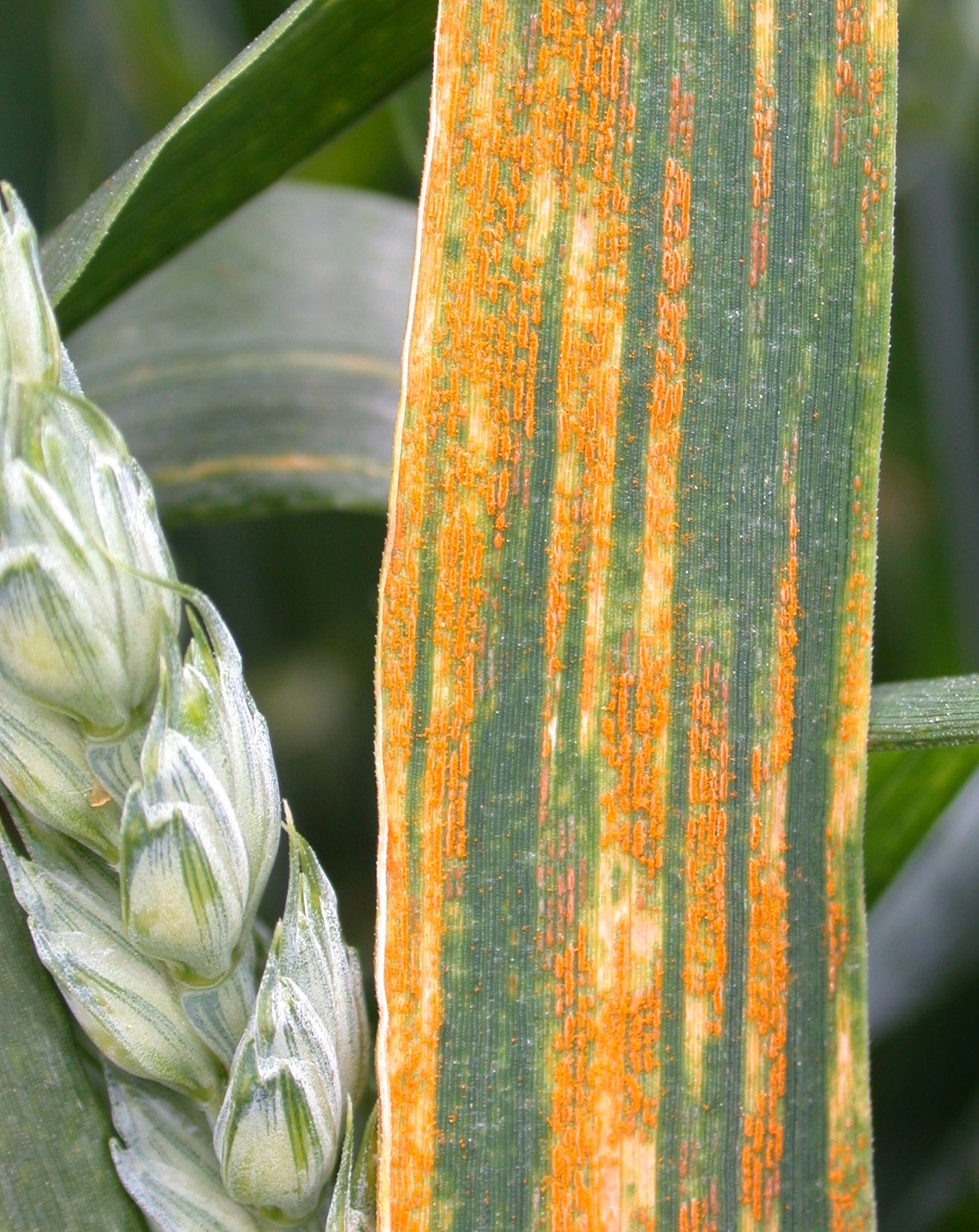
The main aim of the project was to seek solutions to challenges posed by wheat yellow (stripe), brown (leaf), and black (stem) rust diseases. Niab is still supporting Europe-wide wheat rust surveillance as part of a new EU research programme IPMorama, data from which will feed into the UKCPVS and vice versa.
The cereal rust landscape within Europe is constantly changing and it is essential for Niab to maintain close links with the European cereal rusts research community. In 2016 Europe experienced the most severe epidemics of wheat stem rust for more than 50 years. In 2017 unusual and severe epidemics of yellow rust were observed on several continents, with the pre-existing populations of wheat yellow rust in Europe having been replaced by invasive races of non-European origin on more than one occasion.
Outputs
RustWatch explored the drivers shaping the European wheat rust populations, and assessed their impact on agricultural productivity in the context of IPM Directive 2009/128/EC.
Outputs included:
A European wheat rust network including all stakeholders
Shared facilities and procedures for early-warning and risk assessment
A better understanding of drivers for spread and establishment of new races
New IPM-based strategies for disease prevention and control
Input to EU plant health policy for non-regulated invasive pathogens
The project was coordinated by Prof Mogens S. Hovmøller of Aarhus University (AU), Department of Agroecology, who also is head of the Global Rust Reference Center hosted by AU.
Keep up to date with changes in the race structure and genetic groups of yellow rust populations across Europe, Africa, Asia and South America: Yellow Rust Toolbox-Maps and Charts
This research project has now finished. The work is continued under the BBSRC-funded Designing Sustainable Wheat programme.
Wheat is a vital commercial crop and essential calorie source in the UK and globally. As the global population increases towards 10 billion people, with most increased consumption expected to occur in developing countries, the world will need to produce 60% more wheat by 2050 to meet global demand.
The BBSRC-funded Designing Future Wheat (DFW) programme was supported by eight UK research institutes and universities, including Niab, to develop the germplasm and techniques required by plant breeders to sustainably face these future production challenges. DFW continued the work started under the BBSRC-funded Wheat Improvement Strategic Programme (WISP) and consisted of four core work packages:
The DFW programme will develop improved germplasm for better yield, resistance to disease and a changing climate using high-throughput field technology and the genetic dissection of key traits. As part of this programme NIAB will be applying its extensive phenotyping expertise to maximise output from germplasm used within DFW, whether it be for drought tolerance or within hybrid wheat breeding programmes.
DFW aims to enhance grain quality for human health, combat diet-related diseases and improve the resilience of wheat to biotic stresses. As part of this programme NIAB is developing germplasm with starch characteristics that improve the processing ability and digestibility of wheat.
Germplasm development for trait dissection
NIAB is characterising the novel genetic diversity captured from resynthesised wheat (SHW) and tetraploid wheats. This diversity is now in an elite wheat background and is available for exploration by the wheat research and breeding community. This is part of DFW’s target to accelerate the discovery and deployment of genes and alleles of high value for breeding, particularly from other parts of the DFW programme and previous BBSRC-funded research.
Data access and analysis
Large-scale genomic, phenotypic and regulatory datasets from other DFW work packages will be annotated, integrated and shared to generate critical reference resources supporting interpretation and driving new avenues of investigation.
Videos - Filmed in 2020, these videos show the journey of NIAB's involvement in Designing Future Wheat Team, from crossing in the glasshouses, through in field trials to data analysis.