Refining the processes involved in recycling coir growing media

Title: Second Life: Development of sustainable recycled growing media
Funders: Overland Ltd, Growing Kent and Medway and The East Malling Trust
Term: April 2023 to March 2025

There has been a major shift in soft fruit production in the UK out of field soils and into soilless substrates, and with government policies aiming to reduce reliance upon peat, the majority of production is now in coconut coir. However, the increasing price of coir, limited availability and volatile shipping expenses have resulted in increased costs for growers. The carbon footprint associated with shipping substrate from Asia is also a concern, whilst additional labour costs are incurred in replacing and disposing of waste coir.

There has been much interest in re-using, composting or recycling coir although growers have so far been reluctant to use at scale due to concerns over pest, disease and weed build-up reducing both yields and the quality of the fruit produced. An early EU funded research project carried out by Niab identified that Junebearer strawberry can be replanted in used coir bags with little effect on yield as long as no disease was observed in the first year. Everbearers on the other hand suffer around 7% year on year yield decline when grown in reused coir bags.  

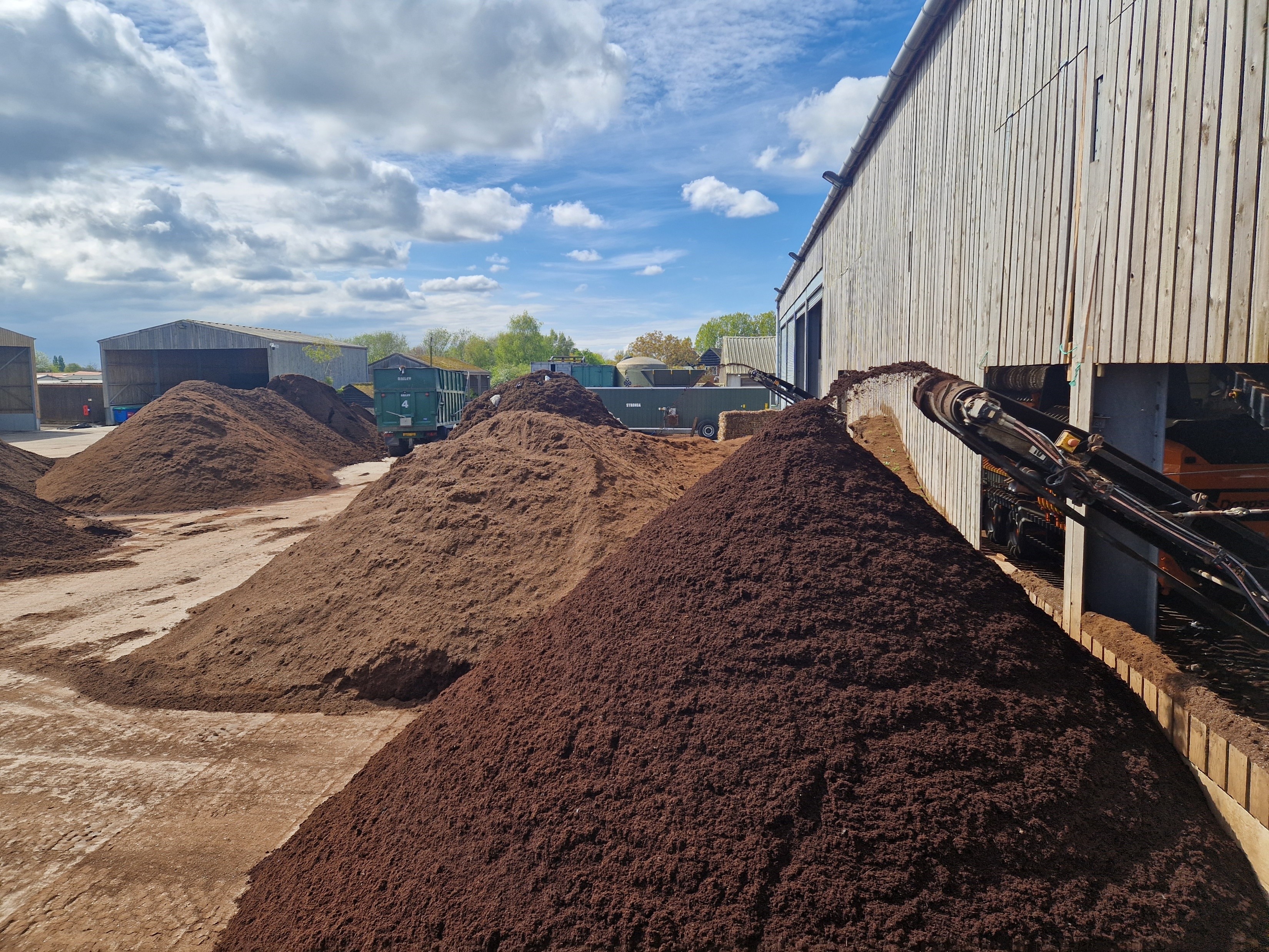
Overland has developed an automated process to recycle coir from strawberry bags which includes automated, low labour removal of bags from the tunnels, followed by the removal of plastic, plant leaves, roots and crowns, to leave clean coir. The coir is then treated to reduce the risk of pests and diseases, before making it available for growers.

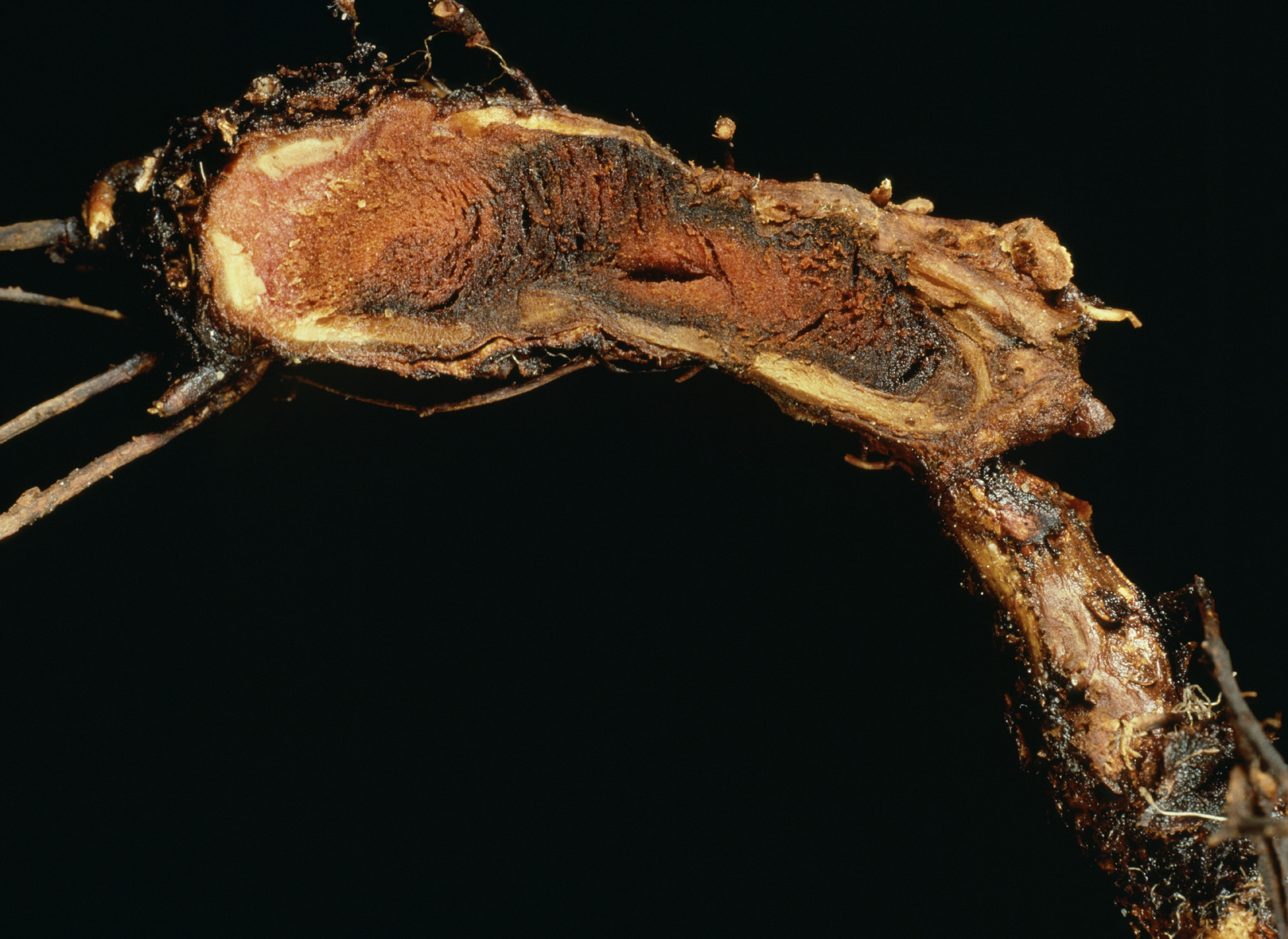
Overland partnered with Niab to do further work to assess how the cycles of both growing and recycling change coir properties over time. We found that the water holding capacity increases while the air filled porosity (AFP) decreases in recycled compared to virgin coir. The extent of this change varied with different coir manufacturers. Recycled material also has slightly lower pH, higher electrical conductivity and higher nutrient content compared to virgin coir.  Levels of crown rot (Phytophthora cactorum) tend to increase in directly re-used and composted coir compared to virgin, but this has not been evident in the fully recycled coir that Overland is producing.

The project

Overland and Niab secured further funds from Growing Kent and Medway to accelerate this research and bring sustainable recycled coir media into commercial strawberry production. The aims of the project were to 1) develop energy efficient and robust procedures to eliminate pest, pathogen and weed risks in recycled material; 2) to demonstrate the use of recycled media on a commercial scale and develop wrap around agronomy advice; 3) compare lifecycle analysis of the virgin and recycled coir to measure any economic and environmental gains from using recycled media.  

Results

In work to eliminate pest, pathogen and weed risks from recycled coir, a heating process was developed and refined which successfully inactivated pest, pathogen and weed seeds from the substrate. Further work was done to study and compare the microbiome (community of microorganisms) within both virgin and recycled coir. We investigated fungal, bacterial and oomycete organisms in each coir type collected from a commercial scale trial during peak harvest.

A greater biodiversity of fungi was found in virgin coir compared to recycled and within these, we recorded more potential fungal pathogens on the roots of strawberry plants grown in virgin coir compared to recycled. These pathogens included species of Ilyonectria, Neopestalotiopsis, Verticillium, Mucor, Macrophomina and Fusarium. We also found more Colletotrichum and Penicillium species in virgin coir but not all of these are considered pathogenic. In assessing beneficial fungi, we found more Trichoderma (both commercial biocontrol species and others), Metharizhium and Serendipita in virgin coir. In contrast we found more Rhizophagus species (beneficial arbuscular mycorrhizal fungi) in recycled coir.

Bacteria were more diverse in recycled coir, but some were more prevalent in recycled and others in virgin coir. Potentially pathogenic groups were again found to be more abundant in virgin coir. 

Of the oomycetes (pathogens such as Pythium and Phytopthora species), very similar levels were recorded in virgin and recycled coir. There was a very slight increase in Phytophthora cactorum in recycled coir.

It is worth noting that no disease symptoms were observed on plants grown in virgin or recycled coir.

In work to demonstrate the use of recycled media on a commercial scale, the everbearer variety Katrina was planted in virgin Legro bags, directly reused Legro bags and Overland’s recycled Legro bags at a commercial site (Kelsey Farms) in 2023. Each coir type was used in nine commercial tunnels (over 3,000 bags per coir type) with an independent irrigation schedule. Sadly, during harvest the virgin and re-used coir were mistakenly picked and recorded together, so the recycled coir was compared to both virgin and directly replanted coir together.

The yields were similar (around 1.3 kg per plant) and no differences were found in pests (thrips, aphids, weevils), weeds or root rot pressure between coir types, but there were visual differences in plant growth. In the recycled coir, plants appeared to be stronger and cropped 7-10 days earlier than the virgin coir bags. The plants grown in recycled media also used 12 % less fertigation over the season. This reduction in water and fertiliser use in recycled material was especially prominent during hot days.

The grower was very happy with the performance of the recycled media, and has since expanded its use to over 200,000 pots of raspberry. A similar trial was repeated in 2024 at a Summer Berry Company site in Chichester, where 1.45 kg of fruit per plant (variety Favori) was produced in both recycled and virgin coir with 8% water and fertiliser saved in recycled media. The trial was done in troughs where roots could be inspected fortnightly. More uniform and higher density roots were observed in recycled material.

At Niab’s East Malling site in 2023, the everbearer variety Malling Supreme was planted in a small trial with both virgin and recycled Legro and Cocogreen coir in troughs rather than bags. Separate irrigation rigs were used for recycled and virgin media but not for each coir brand. The two recycled coir samples used 4% less water than virgin. Reduced need for wetting up and maintaining moisture in recycled material at the start of the season was the primary reason although reduced water use on the hot days due to the higher water holding capacity of the recycled coir also contributed.

The total yield from recycled coir was slightly lower comparing Legro recycled and virgin coir. This was due to the fact that virgin materials of both brands were fairly comparable in terms of water demand, but recycled materials with different previous growing histories were not. Namely, recycled Legro material had much higher water holding capacity compared to recycled Cocogreen. This meant that recycled Legro coir was over irrigated and recycled Cocogreen underirrigated resulting in a slight yield reduction. This highlights the need for the of use different irrigation/fertigation regimes with different coir types, or at least to use separate valves to manage coir moisture adequately.

In 2024, low grade, single crown, bare rooted Malling Centenary plants were planted in virgin and recycled material as a worst case scenario experiment. Yields were very low in both coir types (75-95 g per plant), but the plants yielded significantly more fruit in recycled material.

In an exercise to compare the carbon footprint of using recycled versus virgin coir, Niab and Overland calculated that removal-recycling-delivery of recycled coir emitted around 40% less CO2 than sourcing virgin coir shipped from Sri Lanka.

In summary, to date we have demonstrated that recycling coir offers much better potential than either re-using or composting coir. Recycled material can achieve strawberry yields and quality that is comparable to virgin material. Recycled coir poses no greater pest, disease or weed threat than virgin coir and there were fewer pathogenic fungi recorded in recycled coir compared to virgin, although there was a very slight increase in the oomycete P. cactorum in recycled coir. The rate and level of physical and chemical degradation does vary depending on the coir type, manufacturer and growing history but we believe that cost effective coir recycling is possible with little yield reduction.

However, it is important that the irrigation and fertigation of crops grown in recycled coir are managed separately from virgin coir, to adjust for the lower AFP in the recycled product, otherwise over-watering can occur leading to root death and reduced yield and quality.
Research project tags
Image
Recyling coir
Status

Developing sustainable pest and pathogen control in coir substrate

Title: Reducing the risk of oomycete pathogens, thrips and weevils for sustainable, coir based soft fruit production
Funder: Biotechnology and Biological Sciences Research Council 
Industry partner: Overland Ltd
Term: March 2023 to November 2023
 

The UK soft fruit industry has moved almost entirely from soil based production into virgin coir substrate which is normally used for a single growing season. By growing in a clean substrate, the incidence of soil borne pests and diseases has decreased, but a number of  pests and pathogens continue to adversely affect fruit yields and quality, requiring management interventions. Recently, recycling of spent coir media has been investigated as a more economic and sustainable approach. Recycled material however is associated with a much higher risk of pests and pathogens. A sustainable approach to prevent or reduce the risk of pests and pathogens in virgin and recycled coir media has been urgently needed.

The project

This project studied the biology of pests, pathogens and biocontrol agents in both virgin and recycled coir.  The research aimed to investigate the diversity and function of the microbiome in recycled and virgin coir substrate, and in particular survival and efficacy of biological control agents in virgin and recycled material. We expect recycled material to have a higher diversity of both pathogenic and beneficial microorganisms and also to enable better establishment of added biocontrol agents. The work was done on strawberry crops and to complement Growing Kent & Medway funded work with Overland Ltd on recycling optimisation and practical implementation into growing practice.

Results

The early work aimed to eliminate pest, pathogen and weed risks from recycled coir and a heating process was developed and refined which successfully inactivated pest, pathogen and weed seeds from the substrate. Further work was done to study and compare the microbiome (community of microorganisms) within both virgin and recycled coir. We investigated fungal, bacterial and oomycete organisms in each coir type collected from a commercial scale trial during peak harvest.

A greater biodiversity of fungi was found in virgin coir compared to recycled and within these, we recorded more potential fungal pathogens on the roots of strawberry plants grown in virgin coir compared to recycled. These pathogens included species of Ilyonectria, Neopestalotiopsis, Verticillium, Mucor, Macrophomina and Fusarium. We also found more Colletotrichum and Penicillium species in virgin coir but not all of these are considered pathogenic. In assessing beneficial fungi, we found more Trichoderma (both commercial biocontrol species and others), Metharizhium and Serendipita in virgin coir. In contrast we found more Rhizophagus species (beneficial arbuscular mycorrhizal fungi) in recycled coir.

Bacteria were more diverse in recycled coir, but some were more prevalent in recycled and others in virgin coir. Potentially pathogenic groups were again found to be more abundant in virgin coir.

Of the oomycetes (pathogens such as Pythium and Phytopthora species), very similar levels were recorded in virgin and recycled coir. There was a very slight increase in Phytophthora cactorum in recycled coir.
It is worth noting that no disease symptoms were observed on plants grown in virgin or recycled coir.

Image
strawberry disease
Status

Developing new biocontrol for large raspberry aphid

Title: A phenology-perceptive integrated biocontrol programme for Large raspberry aphid (Amphorophora idaei) control: PHENCONTROL
Funder: Growing Kent & Medway and Innovate UK
Industry partners: Asplins PO, Biobest, Rumwood Green Farm
Term: May 2023 to May 2025
 

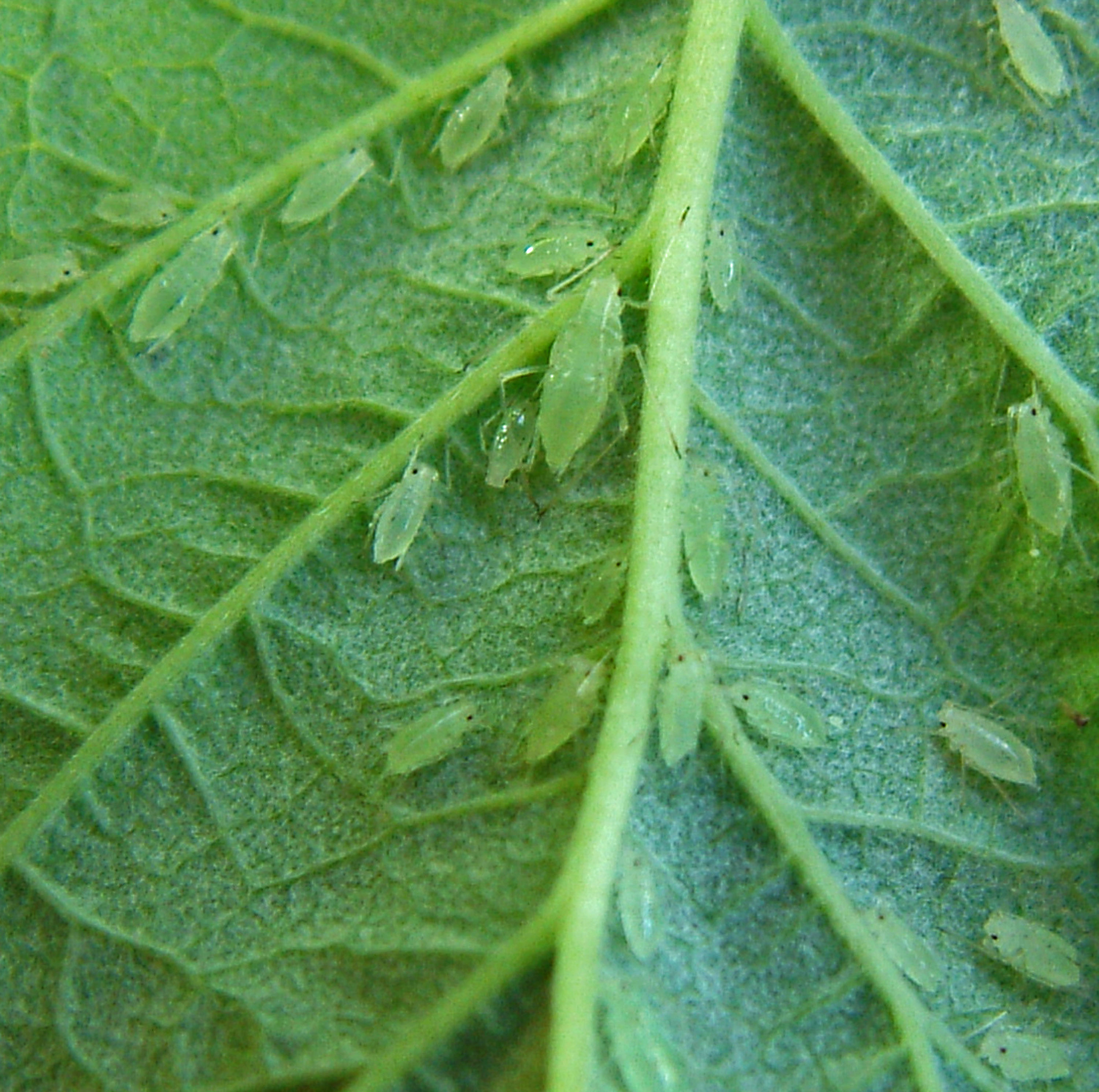
Control of aphids on raspberry was relatively simple in the past, with a wide selection of aphicides available to UK growers. However a progressive withdrawal of control products over the past decade or more has left raspberry growers with few effective options. Early season population increases of the large raspberry aphid have become particularly common in glasshouse and protected crops and despite relying on biological control options, levels of control have been inadequate, in part because their deployment has not aligned with seasonal variations in aphid populations and crop growth. Previous genetic resistance bred into raspberry varieties is also absent in modern cultivars. Improved forms of management and control are urgently needed.

The project

Niab aimed to develop an integrated biocontrol programme for raspberry that provides adequate protection against aphid herbivory and damage across all stages of aphid and raspberry phenology. We chose three routes to achieve this, firstly by trying to identify an optimal parasitoid species mix which will spread uniformly across the plantation. We also set out to  investigate novel ways of spreading Chrysoperla carnea (green lacewing) eggs across plantations to control hot-spot outbreaks of aphids whilst testing a strategy to deploy Micromus angulatus (brown lacewing) for predation of aphid eggs and spring hatching female aphids, when temperatures are still low.  

Results

In the early parasitoid work, the scientists worked with growers to monitor and identify the most prevalent naturally occurring parasitoids found in their crops over the course of the growing season. Between April and June, the parasitic wasp Aphidius ervi was most commonly recorded. Interestingly, other parasitoid species in the Aphidius genus, currently not in the parasitoid mixes were also found, especially later in the season. In later work when the Niab team assessed an integrated biological control approach, these Aphidius species appeared to dominate the total number of species identified. These findings will be used by industry partner Biobest when refining the mix of parasitoids they offer to their commercial customers.

In the work on Chrysoperla carnea (green lacewing), the strategy was to develop a method of applying eggs to areas of the crop where ‘hot-spots’ of large raspberry aphids are found. The challenge was to find a method of applying the eggs to the crop in a way that ensured that they would land and stick to the affected leaves. Different adjuvants carrying the eggs were compared to a water control. A highly diluted solution of food grade Xanthan gum provided the best suspension of the eggs in solution and level of adherence to the leaves and better than the other products tested and the water control. Importantly, the percentage rate of egg hatch on the raspberry leaves of eggs deployed in this manner was comparable to the control group proving that this method would not compromise biocontrol.

In the Micromus angulatus (brown lacewing) work, the hope was to find a way of controlling eggs and spring-hatching female aphids very early in the season before populations of large raspberry aphid began to rise. In this work the Niab team applied aphid eggs to a commercial crop of Malling Bella early in the season to establish early aphid colonies, then made weekly introductions of Micromus angulatus starting on 21st March. The aphid colonies were tagged before introductions began and monitored over the duration of the trial.

Concurrent assessments of both pests and predators were made. A reduction in aphid numbers began to take place by mid-April compared to the untreated control indicating that the brown lacewings were having a positive effect. The investigation also identified that Micromus angulatus will start to predate aphid eggs and adults at 12oC and above. The numbers of naturally occurring insects were monitored alongside the aphids and brown lacewings. This provided valuable insights into the pest and predator dynamics that occur in early spring-time.

Further work was carried out in the autumns of 2023 and 2024 where aphids and natural enemies in both the crop and neighbouring hedgerow habitats were sampled until leaf fall, with the intention of identifying species which might endure the winter seasons thereby offering an early level of control the following spring. Higher numbers of aphids were recorded in 2023 than in 2024, but numbers of lacewings and parasitoids were also higher in that year, suggesting that the predator and parasitoid numbers reflected the pest populations.

In a final piece of work, Niab linked up with Rumwood Green Farm to deploy and evaluate a fully integrated biological control (IBC) programme for the large raspberry aphid. The team recorded the release of commercially available aphid parasitoids and other biocontrol products and sampled crops for aphids at each chosen site on nine occasions during the spring and summer of 2024. Mixes of commercially available parasitoids were released fortnightly, while green lacewing eggs were applied to aphid hotspots at a release rate of 30-50 eggs per square metre.

Unfortunately, very low numbers of aphids were recorded in 2024 during this trial period, so the results were inconclusive and an additional season would be required to confirm any major findings. However, the growers involved in the work are of the view that despite an IBC programme being more expensive, they would expect that long-term establishment and persistence of parasitoids and other natural enemies should offer incremental yield and cost benefits to growers over successive seasons.

While further work would be valuable to demonstrate the cost-effectiveness of these approaches in commercial raspberry production, this project has yielded important, actionable findings for growers, industry, and researchers alike. A key scientific outcome is the identification of parasitoid species present within raspberry plantations, offering potential to enhance control of the large raspberry aphid. This warrants further investigation, enabling Biobest to refine its commercial biological control products for raspberry growers. In addition, the project has developed a promising method for applying green lacewing eggs, which could reduce labour requirements.

Rather than relying on manual application to aphid ‘hot-spots’, prophylactic spraying of lacewing eggs may suffice; the eggs would adhere to raspberry foliage, hatch, and provide more uniform aphid control across the crop. Products using this methodology are already authorised in the USA, and were the UK to resolve the current regulatory barriers, such an approach would represent a valuable addition to the tools available for aphid management.

Finally, the finding that brown lacewings will prey on large raspberry aphid at temperatures as low as 12°C adds further value. This insight is particularly relevant for early-season aphid control and is likely to be of particular interest to organic growers. Together, these findings provide a practical foundation for improving aphid control in raspberry crops, with immediate relevance for growers and scope for future innovation.

Research project tags
Image
Large raspberry aphid
Status

Augmented Berry Vision

Funder: Innovate UK
Partners: Opposable Games (Lead), Berry Gardens Growers Ltd, University of the West of England
Term: September 2020 to September 2022

Selecting dessert blackberries at the optimum stage of maturity is key to ensuring that the final product purchased by the consumer is of high quality, looks good and, most importantly, tastes good. Consumer satisfaction is essential for repeat purchasing, but so much depends on the harvest team selecting the right berries at the right time, every time! Selection of perfect berries is challenging due to subtle colour changes that occur during ripening. Blackberry can be a particularly difficult crop, for although many berries might have turned black, they are not all at the same stage of maturity in terms of flavour development. Removing every berry that is black can lead to considerable variation in taste and flavour, and consequently consumer satisfaction. For pickers to select ripe fruit, fast, consistently and accurately, requires considerable skill, which takes time to acquire. Pickers, therefore, need a more reliable method of selecting uniformly ripe berries.

The project

This feasibility project set out to develop technology that can be used by harvesting teams to help them differentiate between blackberries which are fully ripe and those that are black but haven’t yet developed optimum flavour. With the help of Berry Gardens Growers, over 500 blackberries of varying ripeness were collected from member farms. Hyperspectral imaging of the fruit was conducted alongside laboratory assessments to determine berry ripeness and other metrics. From the analysis of the spectral images, key electromagnetic wavelengths were identified to provide significant differentiation between ripe and unripe fruit.

Results

Using the results of these analyses, a berry detection algorithm has been developed to detect and assess berries within a video feed. As berries are detected, their images are analysed to determine their ripeness. Machine learning was used to create the berry ripeness detection system. A convolutional neural network (CNN) was trained with multi-spectral images of blackberries of known maturity. The resulting algorithm showed a 95% accuracy in ripeness detection.

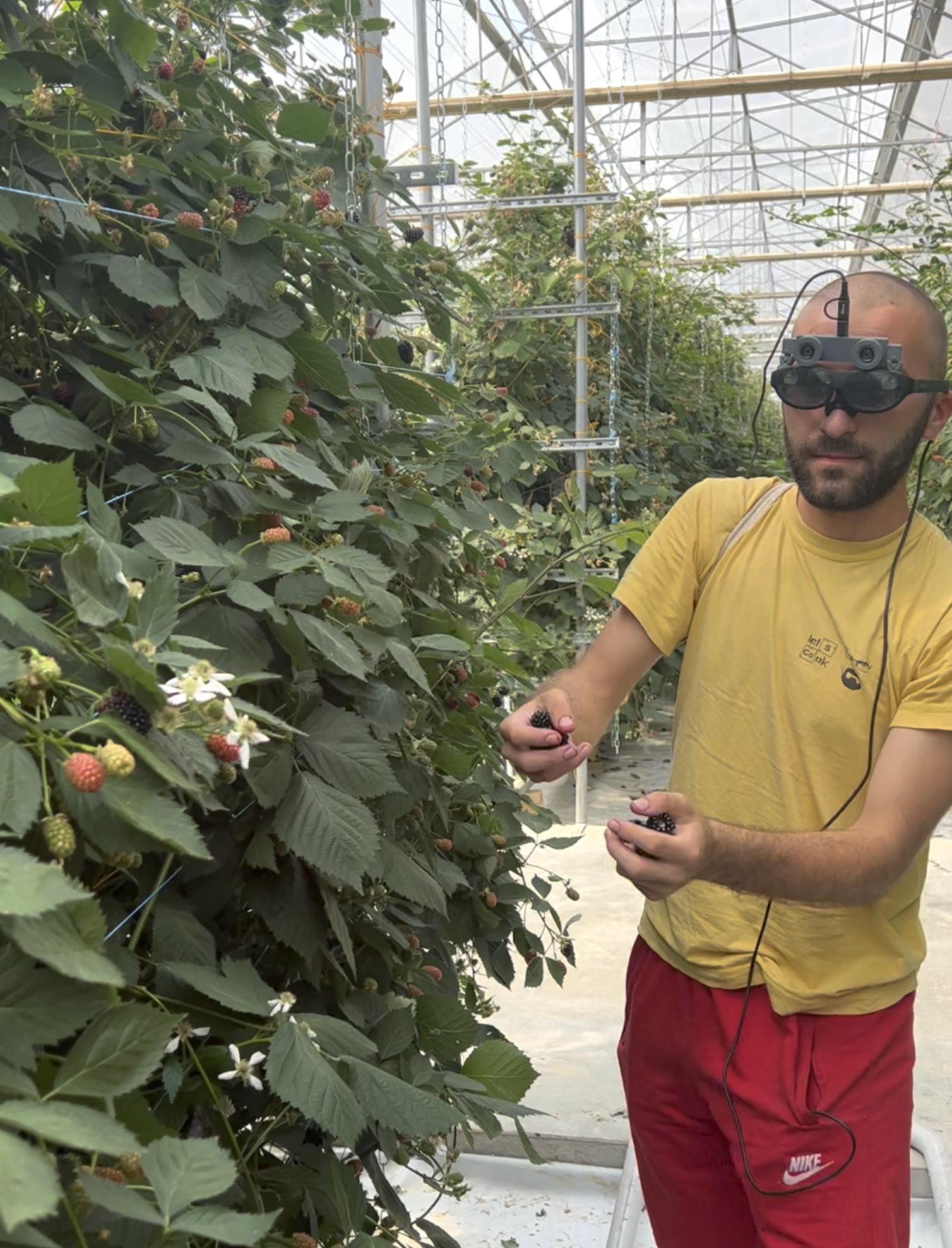
During the project prototype hardware and software were developed. The hardware was tested in the field by experienced pickers providing valuable insight to improve future versions. The system employs augmented reality (AR) glasses, which are worn by the pickers. Augmented Reality is the overlaying of visual digital information onto the real world through the lenses. Bespoke multispectral imaging cameras and the machine vision algorithm determine the ripeness of each berry, which is relayed to the picker via the AR glasses. This allows the pickers to pick berries that are uniformly ripe and to leave any berries, which have not developed optimum flavour, still on the cane to be harvested on another occasion.


Research project tags
Image
Augmented reality glasses being tested by pickers
Status

Managing the activity of pollinators in protected cropping systems (MAPP-CS)

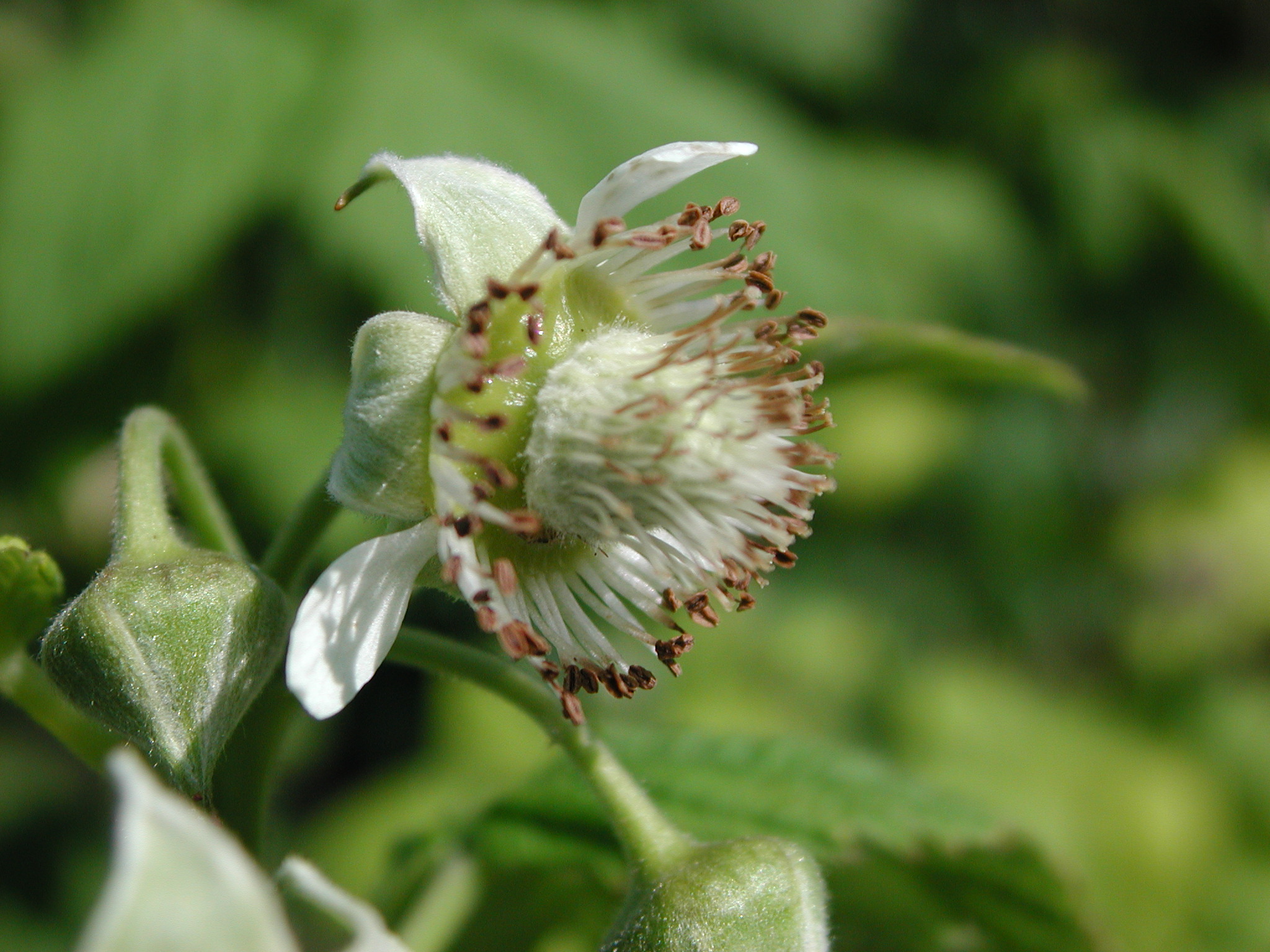
Soft fruit production under fixed protective structures is highly dependent on introduced bumblebees (Bombus terrestris) for pollination. Their performance under such structures can be less reliable as they can be less active, suffer from higher mortality and sometimes fail to return to the hive, resulting in lower fruit yields and quality.

This project will research the drivers of pollinator underperformance in enclosed systems, including lighting and navigational factors, and trial a range of affordable interventions to improve pollinator activity, reduce mortality and improve profitability.


Funder: Biotechnology and Biological Sciences Research Council

Industry partners: Agriculture Investments Ltd, Biobest Ltd, Buzzup, Clockhouse Farm and The East Malling Trust

Term: May 2024 to April 2028

Image
Flower
Status

FLYTHRIVE: Hoverflies for aphid control in soft fruit

Control of aphids in soft fruit crops is becoming increasingly difficult with very few effective conventional chemical aphicides authorised for use. Previous studies have shown that hoverflies can contribute significantly to aphid control in protected crops as adults released into the crop can seek out aphid colonies even in dense foliage, where they lay their eggs.

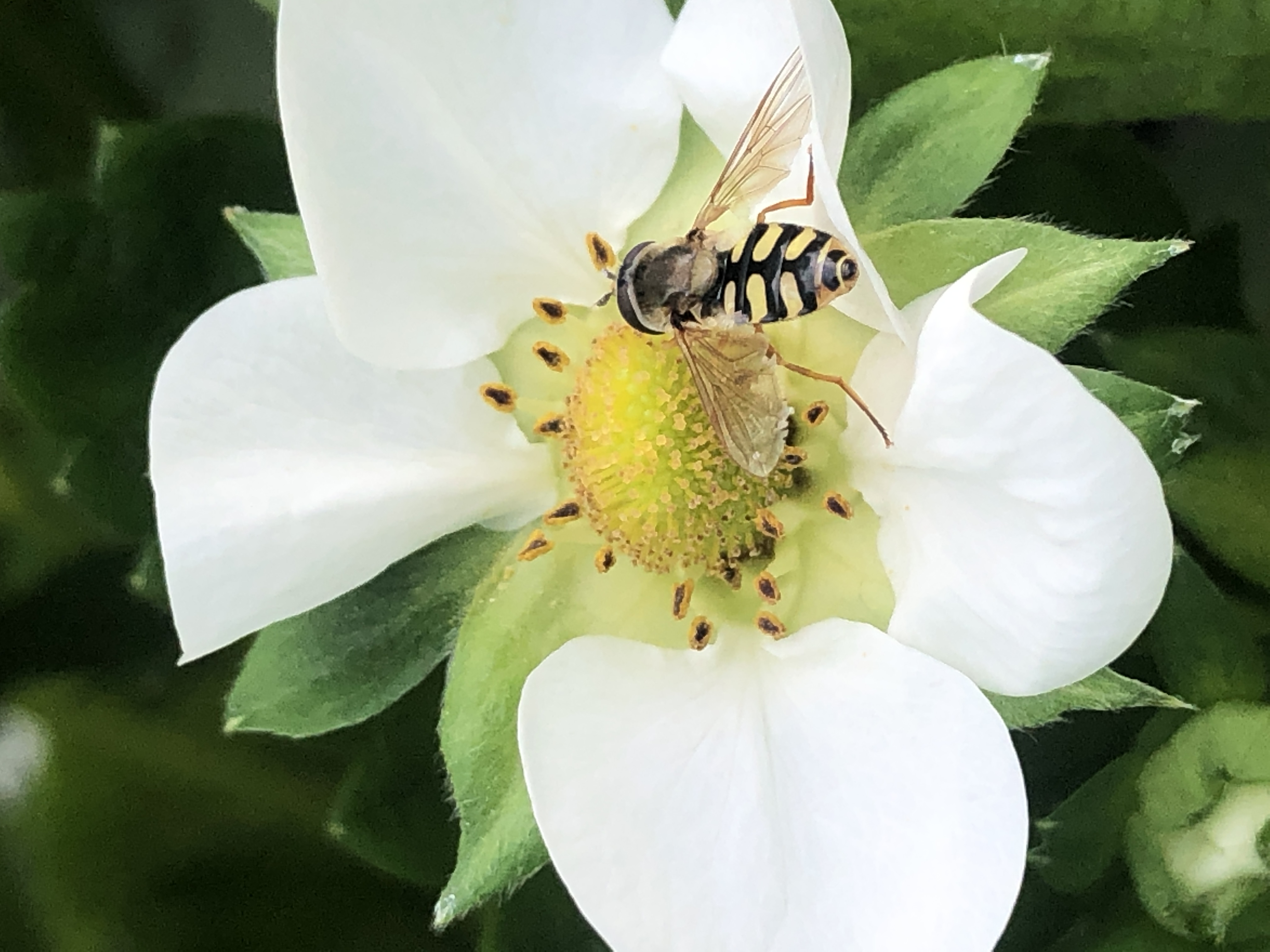
Emerging larvae are voracious predators of the aphids with a single larva able to consume hundreds of aphids. This project will test and develop bespoke native hoverfly species blends to control key aphid pests of soft fruit crops under protection.

More information

News story announcing FLYTHRIVE

Title: FLYTHRIVE: Hoverflies for aphid control in soft fruit

Funder: Innovate UK

Industry partners: Olombria (Lead), Asplins, The Summer Berry Company and The Natural Resources Institute

Term: June 2024 to May 2026

Image
Hoverfly feeding on flower
Status

Soft fruit genetic improvement network (GIN)

There are increasing numbers of privately funded breeding programmes in the UK soft fruit industry which would all benefit from a co-ordinated research approach to pre-breeding genetics of key traits and new breeding tools. This project is being funded by Defra to link academia to industry and develop our understanding of the genetics influencing improved tolerance to pests and diseases, and increased water and nutrient use efficiency in strawberry and raspberry. It will also develop genetic tools and resources for minor crops such as blackberry and honeyberry to support increased production in the UK.

Soft Gin website

Funder: Defra

Industry partners: ADAS and the James Hutton Institute

Term: October 2024 to June 2029

Image
Niab staff working on the Soft Fruit GIN
Status

Optimising yields and resource use in TCEA strawberry production

With static returns and rapidly rising production costs, the profitability of strawberry growing in the UK has become marginal, with some growers making losses causing them to cease production. This declining home production has led to increased imports of strawberries, highlighting the need for sustainable home-grown solutions to meet demand, especially out of season.

Unpredictable weather in the UK makes it challenging to reliably produce high yields of high quality strawberries during the traditional growing period so there is increasing interest in Totally Controlled Environment Agriculture (TCEA) strawberry production.

However early attempts at this type of production have not always been successful, in part due to over-vigorous canopy growth due to excessive fertiliser and water use which limits light penetration and increases disease risk. In addition, excess nitrogen can be converted into nitrous oxide which is deemed to be 300 times stronger than carbon dioxide at trapping heat in the atmosphere so there are strong environmental arguments for using nitrogen more effectively.

Niab has previously developed N-demand models for raspberry crops which can reduce fertiliser use by up to 77% while maintaining high Class 1 yields and berry quality, reducing both environmental impact and costs.

The project

In this project, Niab is working with its consortium partners to develop and test a low-nitrogen growing strategy for commercial out-of-season strawberry production in TCEA conditions which will be supplemented with CO2 by employing MOF (Metal-Organic Framework) technology. This allows CO2 to be extracted from the atmosphere and released into the growing environment.

The reduction in nitrogen use will reduce the risk of powdery mildew infection whilst also reducing the number and size of the leaves, leading to the need for less hand leaf removal which will reduce production costs. By supplementing the crop with CO2, the consortium can test whether the photosynthetic capacity of the crop can be maintained or increased, despite having a smaller leaf canopy.

The early work to validate an N-demand model and enrich the crop with CO2  will be carried out at Niab’s East Malling site while in the second year of the project, commercial trials will take place at Flex Farming’s facilities.


Title: TCEA N-demand: Optimising nitrogen and CO2 inputs to improve assimilation and yields in TCEA strawberry production

Funder: Innovate UK

Industry partners: Innophyte Consulting Ltd (Lead) and Flex Farming Ltd

Term: January 2025 to December 2026

Image
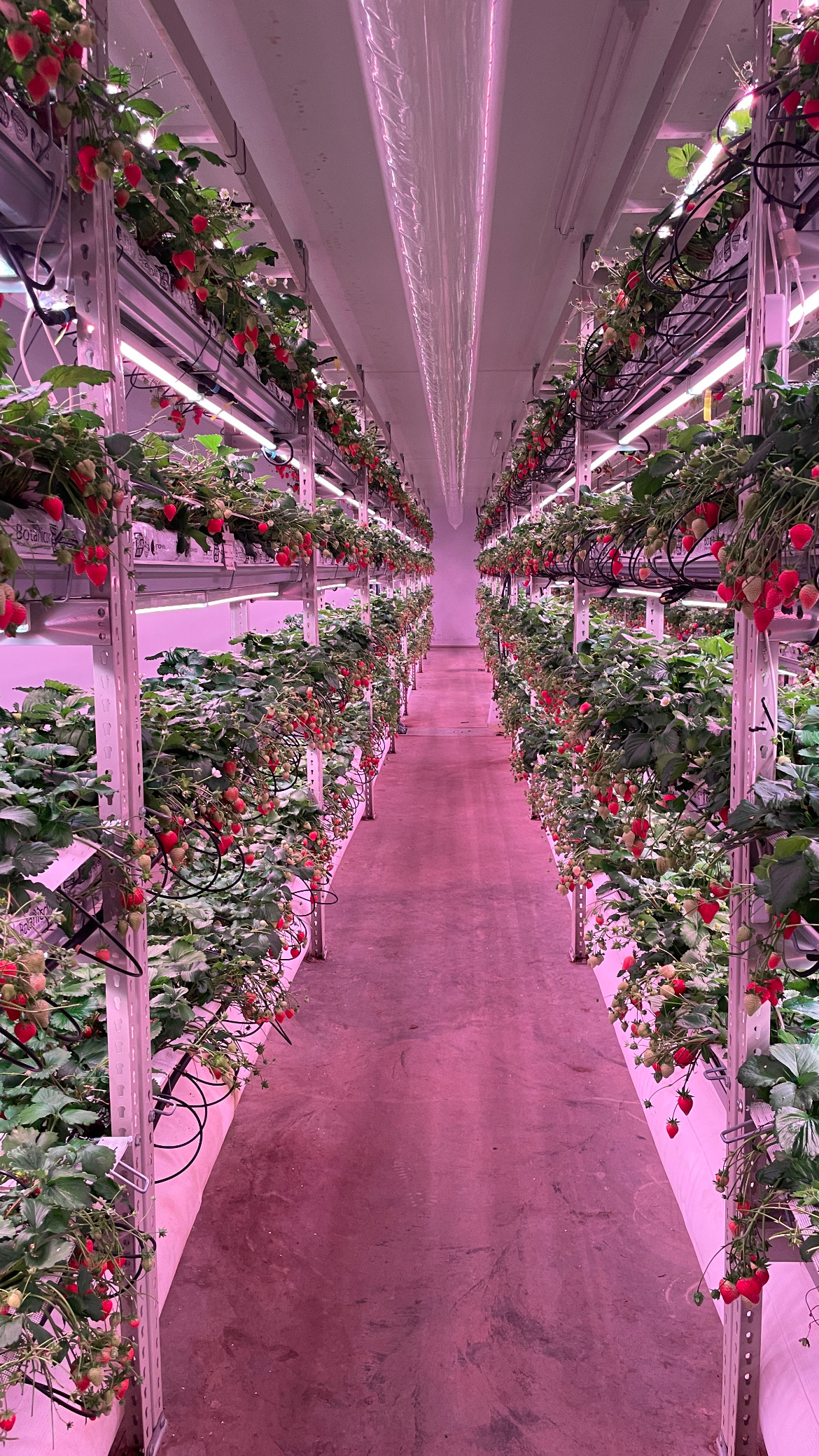
Strawberry plants growing in a controlled environment
Status

Developing a sustainable approach to propagating strawberry plants

A rapidly expanding population, climate change and uncertain food security require a different approach to food production in the UK. The new challenge is to produce higher yields of high quality crops on smaller areas of land, with reduced inputs, and in closer proximity to local markets. Total Controlled Environment Agriculture (TCEA) growing systems, sometimes known as ‘Vertical Farming’ offer a solution. At the same time, strawberry growers require higher quality healthy plant material which will produce a consistently high yield from every plant, and which can be grown locally to their final cropping location.

The project

Working with a multi-disciplinary team of researchers, technology companies and growers, Niab scientists will develop a method to produce high quality, virus-and disease-free strawberry plant propagules with assured high cropping potential in TCEA systems. The resulting pre-programmed, high-health plant material will enable import substitution of both propagules and fruit (currently £40m and £186M per year), reduce chemical inputs and waste (currently £30m/year), and deliver a product that will provide value and security for growers, when planted in conventional polytunnel systems, glasshouses (CEA) or TCEA.

Title: Optimising the propagation environment in TCEA systems to maximise strawberry yield potential in all production systems

Funder: Defra Farming Innovation Programme

Industry partners: Vertical Future, Berry Gardens Growers Ltd, The Blaise Plant Company Ltd, Cocogreen Ltd, Clockhouse Farm, Delta T Devices, Hugh Lowe Farms Ltd, Linton Growing Ltd, University of Reading

Term: June 2023 to May 2026

Image
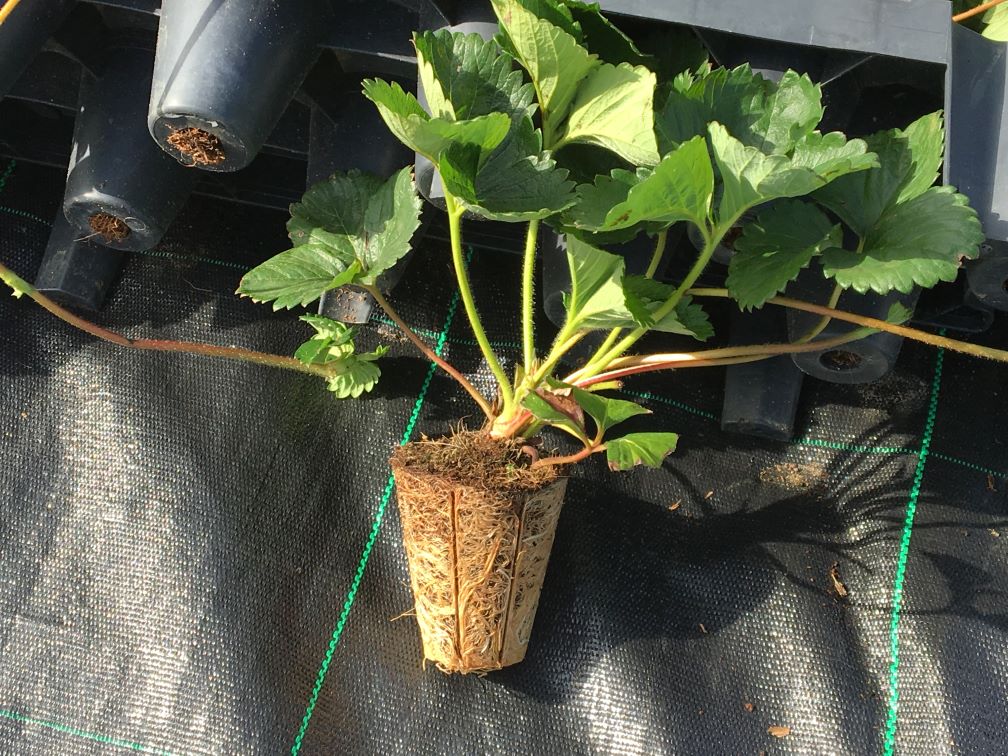
Strawberry plant grown in a controlled environment
Status

Soil health: Developing a holistic biological soil health test

With fruit growers keen to maximise yield potential from every soil-grown tree or plant, it is important to employ land which is in optimum health, but it can be difficult to determine the relative health of a field soil.

In this project, Niab and Verdant Carbon Ltd seek to develop a test that will reliably assess the abundance and functionality of soil microbial communities, and relay the information to the grower in a simple-to-understand metric. The work also aims to measure the health of soil nutrient (carbon and nitrogen) cycling functions, to further support environmentally positive farming.


Funder: Innovate UK

Industry partner: Verdant Carbon Ltd

Term: August 2024 to January 2026

Research project tags
Image
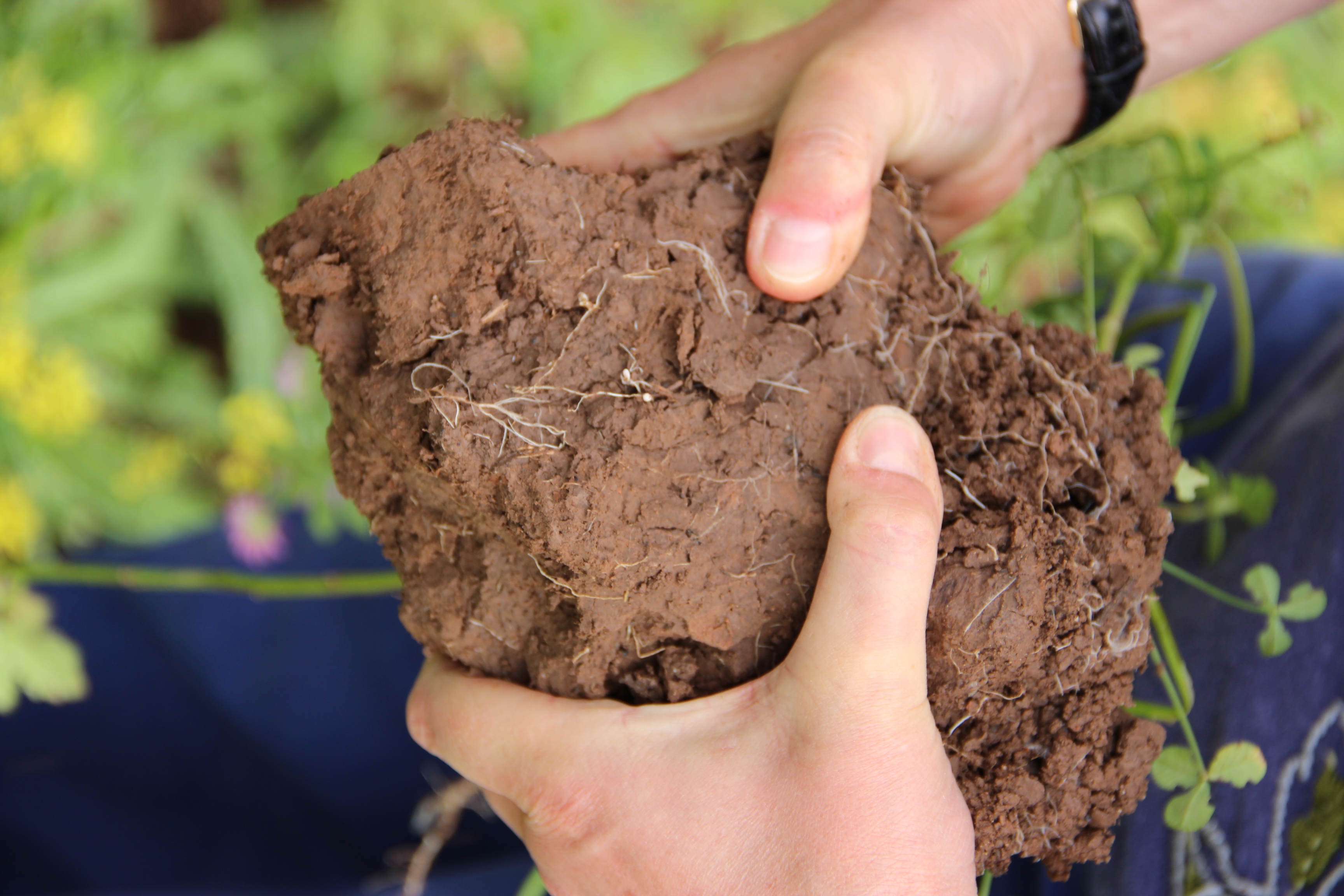
Looking at soil
Status
Subscribe to Soft fruit