AHDB Strategic Cereal Farm Midlands

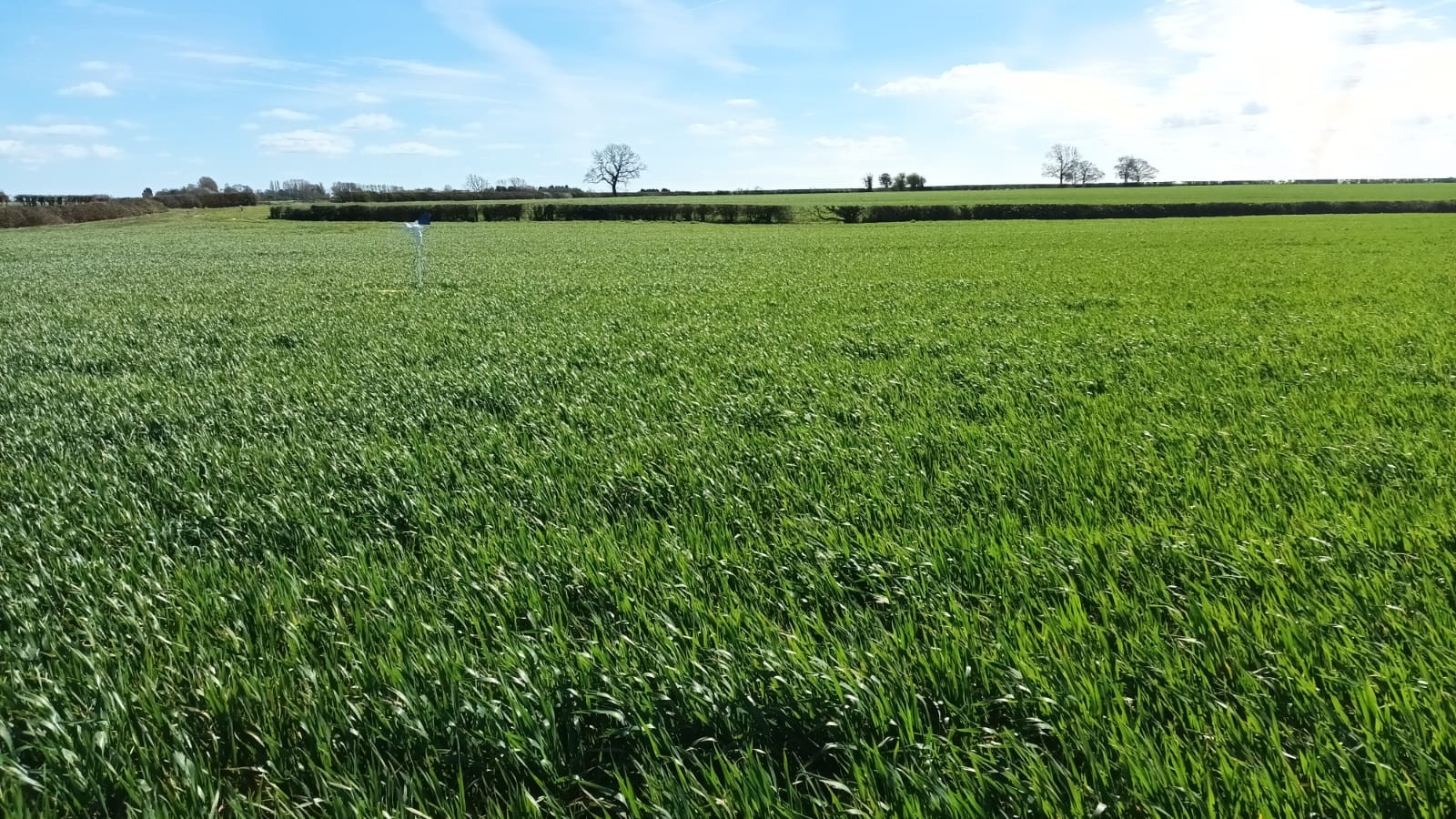
AHDB Strategic Cereal Farms aim to putting cutting-edge research and innovation into practice on commerical farms. Each farm hosts field-scale demonstrations, with experiences shared with the wider farming community. Niab has partnered with AHDB to deliver the new Strategic Cereal Farm Midlands. Will Oliver hosts Strategic Cereal Farm Midlands. The farm is keen to invetsigate how to optimise inputs, whilst maintaining yield and improving rotational management.

Niab's Farming Systems and Pathology teams have collaborated to deliver three inital workpackages:

  1. Management of maize residue for establishment and disease risks of a following winter wheat crop in a direct drill system
  2. Optimising organic amendments in nutrient management planning for winter wheat
  3. Testing novel technologies to improve disease and nitrogen management in winter wheat (in collaboration with SporeSense, a technology company that uses AI biosensors to aid early disease detection)

Partners


Funders


Duration

2025-2031

More information on the project website

Image
AHDB Strategic Farm Midlands
Status

Testing the performance of biofungicides (winter wheat pilot trials)

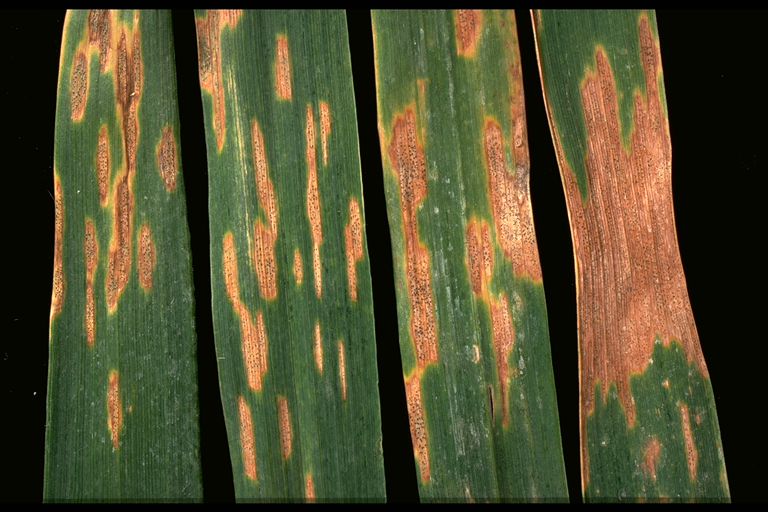
Niab, in partnership with SRUC and ADAS, is delivering a two‑year AHDB‑funded pilot project to evaluate the performance of biofungicides against Septoria tritici in winter wheat.

As interest grows in biological alternatives to conventional fungicides, these trials provide independent, field‑scale evidence for levy payers on how biofungicides perform under commercial conditions and how they can complement existing programmes.

Trials are being run across three sites (Midlothian (SRUC), Herefordshire (ADAS) and Hampshire (Niab) using a single, standardised protocol followed by all partners. Each site includes two replicated trials: one trial using a septoria‑susceptible variety and one using a moderately resistant variety.

Seven biofungicides are being assessed, applied either alone or alongside a half‑rate fungicide programme to determine whether biologicals can enhance disease control or support reduced fungicide inputs. All products are foliar applied during the normal spray window, following manufacturer recommendations.
Initial findings will be shared at the AHDB Agronomy Conference in December 2026, with the full dataset available at the end of the project.

Partners


Funders


Duration

August 2025-December 2027

Latest news

Crop Production Magazine - March 2026: Theory To Field: Putting nature to the test

More information

Project website

Image
Septoria on crop leaves
Status

Fungicide performance in wheat, barley and oilseed rape

Disease management in wheat, barley and oilseed rape never stands still. On top of variation in seasonal disease pressures, pathogen populations continue to evolve, which can impact fungicide efficacy (due to resistance/insensitivity) and varietal disease resistance. Fungicide active ingredients and products continue to be withdrawn from and introduced to the market. As a result, there is a continued need for robust, independent information on the efficacy of established and new fungicides.

The AHDB Fungicide Performance project forms part of a long-running trial series, with the first fitted fungicide-efficacy curves produced for winter wheat in 1996. The trial series for barley started in 2002 and the oilseed rape series began in 2006. The current project format was introduced in 2015, when all trial series were combined in a single programme.

Results are relevant to commercial use and simple to interpret for levy payers. Agronomists also play a crucial role to turn efficacy data into practical field recommendations that maximise crop margins and minimise the development of fungicide resistance.

Partners

ADAS (lead), Niab, SRUC and Harper Adams University

Funder

AHDB

Duration

June 2025-July 2028 

Activities

  • Charts – referred to as ‘dose-response curves’ – that show the relative efficacy of fungicides against the target diseases at a range of doses (impact on disease control and yield).
  • Contributes to a long-term information resource, which enables the monitoring of performance trends of products and active ingredients (to track shifts in pathogen sensitivity to fungicides).
  • Aims to deliver information to levy payers in time for the first season of commercial use of new fungicides.

Resources

The latest data, as well as historic data for other diseases (e.g. barley powdery mildew and oilseed rape sclerotinia), is available via the AHDB Fungicide Performance webpage.

Image
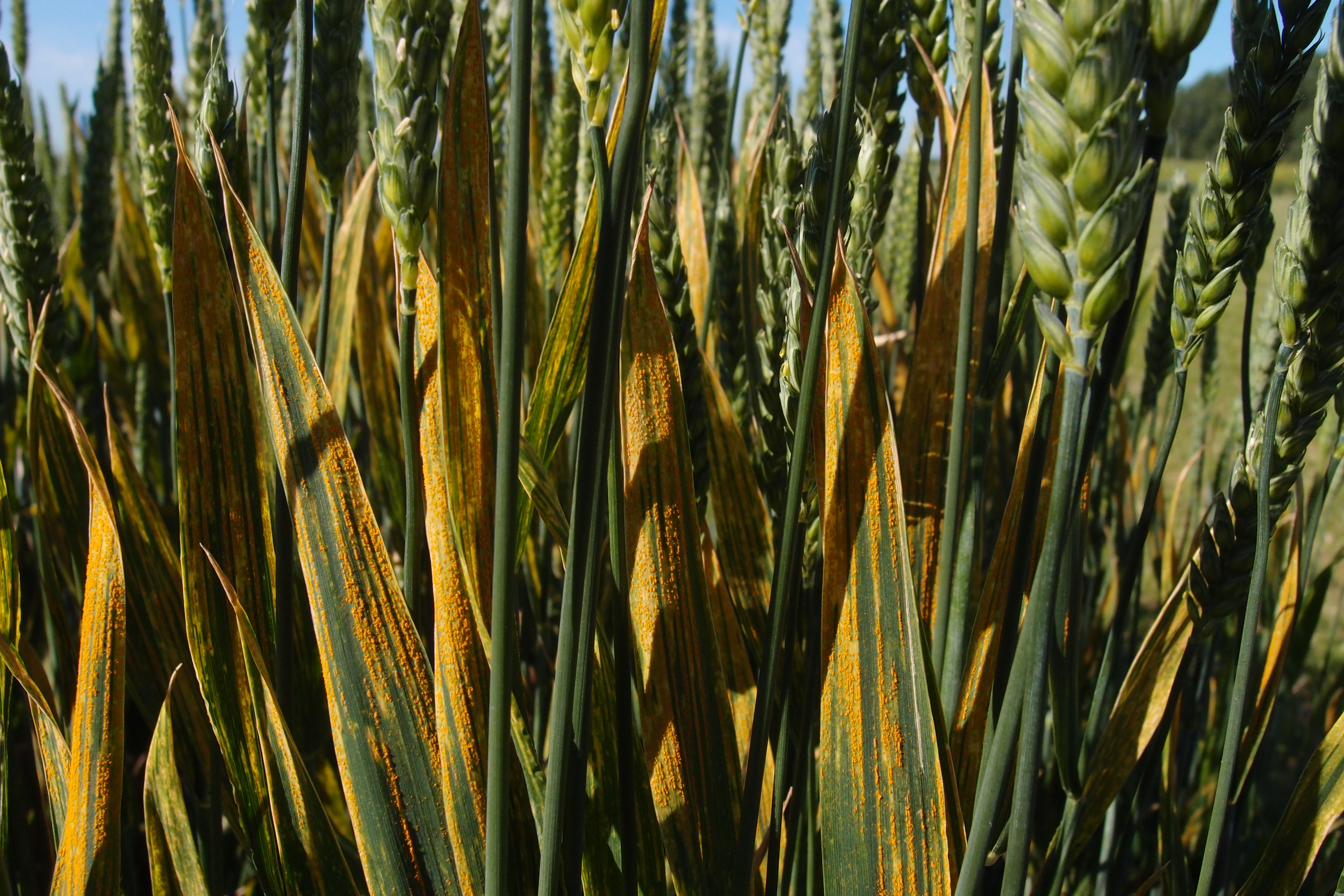
Yellow rust in wheat
Status

Refining the processes involved in recycling coir growing media

Title: Second Life: Development of sustainable recycled growing media
Funders: Overland Ltd, Growing Kent and Medway and The East Malling Trust
Term: April 2023 to March 2025

There has been a major shift in soft fruit production in the UK out of field soils and into soilless substrates, and with government policies aiming to reduce reliance upon peat, the majority of production is now in coconut coir. However, the increasing price of coir, limited availability and volatile shipping expenses have resulted in increased costs for growers. The carbon footprint associated with shipping substrate from Asia is also a concern, whilst additional labour costs are incurred in replacing and disposing of waste coir.

There has been much interest in re-using, composting or recycling coir although growers have so far been reluctant to use at scale due to concerns over pest, disease and weed build-up reducing both yields and the quality of the fruit produced. An early EU funded research project carried out by Niab identified that Junebearer strawberry can be replanted in used coir bags with little effect on yield as long as no disease was observed in the first year. Everbearers on the other hand suffer around 7% year on year yield decline when grown in reused coir bags.  

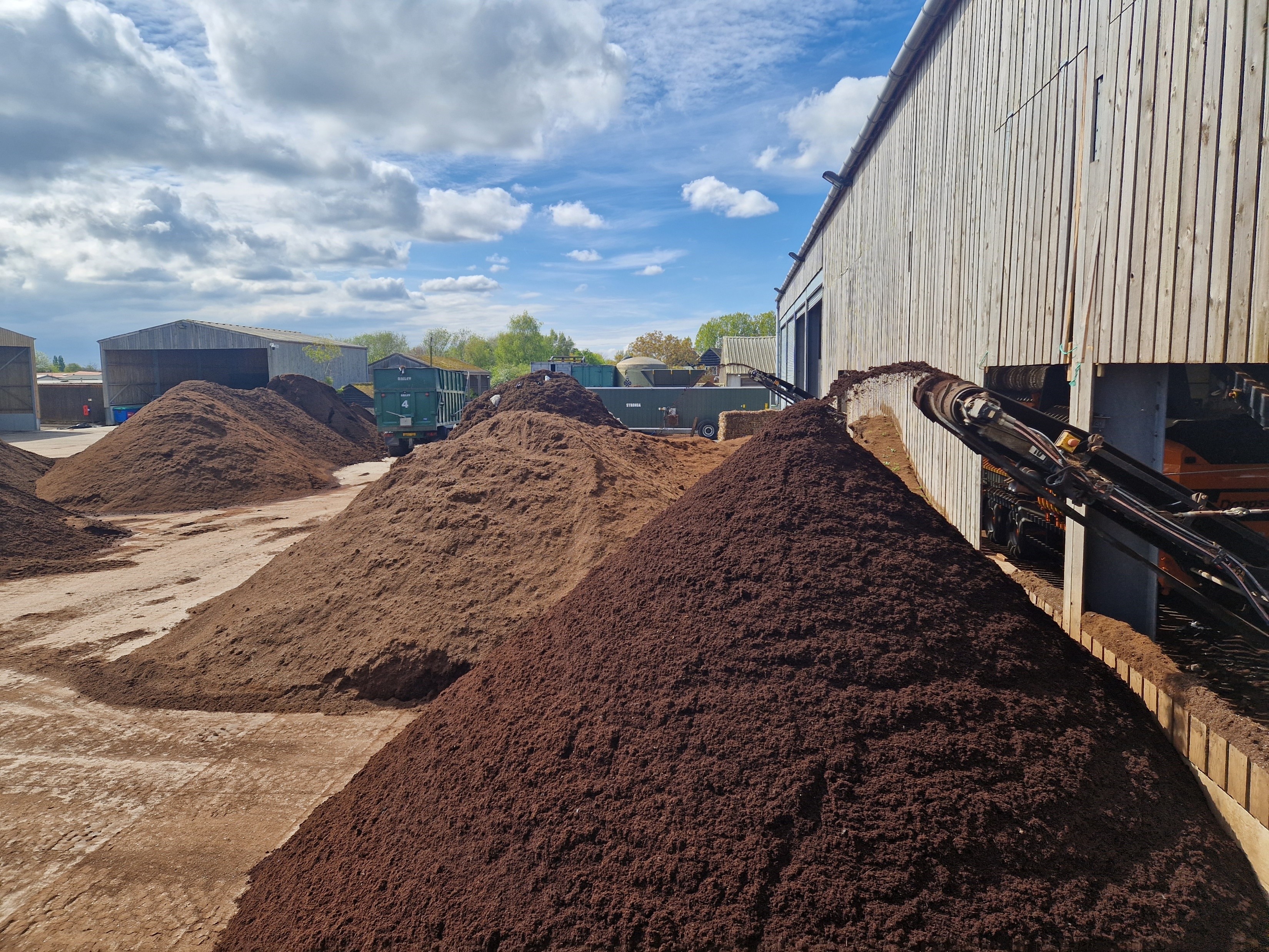
Overland has developed an automated process to recycle coir from strawberry bags which includes automated, low labour removal of bags from the tunnels, followed by the removal of plastic, plant leaves, roots and crowns, to leave clean coir. The coir is then treated to reduce the risk of pests and diseases, before making it available for growers.

Overland partnered with Niab to do further work to assess how the cycles of both growing and recycling change coir properties over time. We found that the water holding capacity increases while the air filled porosity (AFP) decreases in recycled compared to virgin coir. The extent of this change varied with different coir manufacturers. Recycled material also has slightly lower pH, higher electrical conductivity and higher nutrient content compared to virgin coir.  Levels of crown rot (Phytophthora cactorum) tend to increase in directly re-used and composted coir compared to virgin, but this has not been evident in the fully recycled coir that Overland is producing.

The project

Overland and Niab secured further funds from Growing Kent and Medway to accelerate this research and bring sustainable recycled coir media into commercial strawberry production. The aims of the project were to 1) develop energy efficient and robust procedures to eliminate pest, pathogen and weed risks in recycled material; 2) to demonstrate the use of recycled media on a commercial scale and develop wrap around agronomy advice; 3) compare lifecycle analysis of the virgin and recycled coir to measure any economic and environmental gains from using recycled media.  

Results

In work to eliminate pest, pathogen and weed risks from recycled coir, a heating process was developed and refined which successfully inactivated pest, pathogen and weed seeds from the substrate. Further work was done to study and compare the microbiome (community of microorganisms) within both virgin and recycled coir. We investigated fungal, bacterial and oomycete organisms in each coir type collected from a commercial scale trial during peak harvest.

A greater biodiversity of fungi was found in virgin coir compared to recycled and within these, we recorded more potential fungal pathogens on the roots of strawberry plants grown in virgin coir compared to recycled. These pathogens included species of Ilyonectria, Neopestalotiopsis, Verticillium, Mucor, Macrophomina and Fusarium. We also found more Colletotrichum and Penicillium species in virgin coir but not all of these are considered pathogenic. In assessing beneficial fungi, we found more Trichoderma (both commercial biocontrol species and others), Metharizhium and Serendipita in virgin coir. In contrast we found more Rhizophagus species (beneficial arbuscular mycorrhizal fungi) in recycled coir.

Bacteria were more diverse in recycled coir, but some were more prevalent in recycled and others in virgin coir. Potentially pathogenic groups were again found to be more abundant in virgin coir. 

Of the oomycetes (pathogens such as Pythium and Phytopthora species), very similar levels were recorded in virgin and recycled coir. There was a very slight increase in Phytophthora cactorum in recycled coir.

It is worth noting that no disease symptoms were observed on plants grown in virgin or recycled coir.

In work to demonstrate the use of recycled media on a commercial scale, the everbearer variety Katrina was planted in virgin Legro bags, directly reused Legro bags and Overland’s recycled Legro bags at a commercial site (Kelsey Farms) in 2023. Each coir type was used in nine commercial tunnels (over 3,000 bags per coir type) with an independent irrigation schedule. Sadly, during harvest the virgin and re-used coir were mistakenly picked and recorded together, so the recycled coir was compared to both virgin and directly replanted coir together.

The yields were similar (around 1.3 kg per plant) and no differences were found in pests (thrips, aphids, weevils), weeds or root rot pressure between coir types, but there were visual differences in plant growth. In the recycled coir, plants appeared to be stronger and cropped 7-10 days earlier than the virgin coir bags. The plants grown in recycled media also used 12 % less fertigation over the season. This reduction in water and fertiliser use in recycled material was especially prominent during hot days.

The grower was very happy with the performance of the recycled media, and has since expanded its use to over 200,000 pots of raspberry. A similar trial was repeated in 2024 at a Summer Berry Company site in Chichester, where 1.45 kg of fruit per plant (variety Favori) was produced in both recycled and virgin coir with 8% water and fertiliser saved in recycled media. The trial was done in troughs where roots could be inspected fortnightly. More uniform and higher density roots were observed in recycled material.

At Niab’s East Malling site in 2023, the everbearer variety Malling Supreme was planted in a small trial with both virgin and recycled Legro and Cocogreen coir in troughs rather than bags. Separate irrigation rigs were used for recycled and virgin media but not for each coir brand. The two recycled coir samples used 4% less water than virgin. Reduced need for wetting up and maintaining moisture in recycled material at the start of the season was the primary reason although reduced water use on the hot days due to the higher water holding capacity of the recycled coir also contributed.

The total yield from recycled coir was slightly lower comparing Legro recycled and virgin coir. This was due to the fact that virgin materials of both brands were fairly comparable in terms of water demand, but recycled materials with different previous growing histories were not. Namely, recycled Legro material had much higher water holding capacity compared to recycled Cocogreen. This meant that recycled Legro coir was over irrigated and recycled Cocogreen underirrigated resulting in a slight yield reduction. This highlights the need for the of use different irrigation/fertigation regimes with different coir types, or at least to use separate valves to manage coir moisture adequately.

In 2024, low grade, single crown, bare rooted Malling Centenary plants were planted in virgin and recycled material as a worst case scenario experiment. Yields were very low in both coir types (75-95 g per plant), but the plants yielded significantly more fruit in recycled material.

In an exercise to compare the carbon footprint of using recycled versus virgin coir, Niab and Overland calculated that removal-recycling-delivery of recycled coir emitted around 40% less CO2 than sourcing virgin coir shipped from Sri Lanka.

In summary, to date we have demonstrated that recycling coir offers much better potential than either re-using or composting coir. Recycled material can achieve strawberry yields and quality that is comparable to virgin material. Recycled coir poses no greater pest, disease or weed threat than virgin coir and there were fewer pathogenic fungi recorded in recycled coir compared to virgin, although there was a very slight increase in the oomycete P. cactorum in recycled coir. The rate and level of physical and chemical degradation does vary depending on the coir type, manufacturer and growing history but we believe that cost effective coir recycling is possible with little yield reduction.

However, it is important that the irrigation and fertigation of crops grown in recycled coir are managed separately from virgin coir, to adjust for the lower AFP in the recycled product, otherwise over-watering can occur leading to root death and reduced yield and quality.


Research project tags
Image
Recyling coir
Status

Developing sustainable pest and pathogen control in coir substrate

Title: Reducing the risk of oomycete pathogens, thrips and weevils for sustainable, coir based soft fruit production
Funder: Biotechnology and Biological Sciences Research Council 
Industry partner: Overland Ltd
Term: March 2023 to November 2023
 

The UK soft fruit industry has moved almost entirely from soil based production into virgin coir substrate which is normally used for a single growing season. By growing in a clean substrate, the incidence of soil borne pests and diseases has decreased, but a number of  pests and pathogens continue to adversely affect fruit yields and quality, requiring management interventions. Recently, recycling of spent coir media has been investigated as a more economic and sustainable approach. Recycled material however is associated with a much higher risk of pests and pathogens. A sustainable approach to prevent or reduce the risk of pests and pathogens in virgin and recycled coir media has been urgently needed.

The project

This project studied the biology of pests, pathogens and biocontrol agents in both virgin and recycled coir.  The research aimed to investigate the diversity and function of the microbiome in recycled and virgin coir substrate, and in particular survival and efficacy of biological control agents in virgin and recycled material. We expect recycled material to have a higher diversity of both pathogenic and beneficial microorganisms and also to enable better establishment of added biocontrol agents. The work was done on strawberry crops and to complement Growing Kent & Medway funded work with Overland Ltd on recycling optimisation and practical implementation into growing practice.

Results

The early work aimed to eliminate pest, pathogen and weed risks from recycled coir and a heating process was developed and refined which successfully inactivated pest, pathogen and weed seeds from the substrate. Further work was done to study and compare the microbiome (community of microorganisms) within both virgin and recycled coir. We investigated fungal, bacterial and oomycete organisms in each coir type collected from a commercial scale trial during peak harvest.

A greater biodiversity of fungi was found in virgin coir compared to recycled and within these, we recorded more potential fungal pathogens on the roots of strawberry plants grown in virgin coir compared to recycled. These pathogens included species of Ilyonectria, Neopestalotiopsis, Verticillium, Mucor, Macrophomina and Fusarium. We also found more Colletotrichum and Penicillium species in virgin coir but not all of these are considered pathogenic. In assessing beneficial fungi, we found more Trichoderma (both commercial biocontrol species and others), Metharizhium and Serendipita in virgin coir. In contrast we found more Rhizophagus species (beneficial arbuscular mycorrhizal fungi) in recycled coir.

Bacteria were more diverse in recycled coir, but some were more prevalent in recycled and others in virgin coir. Potentially pathogenic groups were again found to be more abundant in virgin coir.

Of the oomycetes (pathogens such as Pythium and Phytopthora species), very similar levels were recorded in virgin and recycled coir. There was a very slight increase in Phytophthora cactorum in recycled coir.
It is worth noting that no disease symptoms were observed on plants grown in virgin or recycled coir.

Image
strawberry disease
Status

BioBoost

The acceleration of transition to a bioeconomy in horticulture.

BioBoost, was funded by the EU Interreg 2 Seas programme, is focused on using and reducing waste from fresh produce. Crop bi-products and waste crop materials are used as feedstocks for new higher value end-products, which otherwise would be wasted or used for lower value products. At Niab we are looking into more environmentally-friendly solutions to minimise the impact of waste on our environment and improve the sustainability of production methods. This three and a half year project includes scientists from industry and academia in The Netherlands, UK, and Belgium, seeking to learn from each other's innovations and to progress the best solutions through to the marketplace. 

The project looked to accelerate the transition towards a more circular bioeconomy by implementing regional test and pilot projects for the development of new techniques, methods and products in the horticultural sector and supporting their development towards market-uptake. We supported SMEs towards the development of innovations and to accelerate their entry to the market. This collaborative project was co-ordinated by our Dutch colleagues in Westland in the west of The Netherlands.

Resources

In this video from 2020, Lydia Smith explains Niab's involvement in the BioBoost project. She was talking to the site manager of a commercial nursery and discusses if the green pesticide options are making a difference.

Image
BioBoost logo
Status

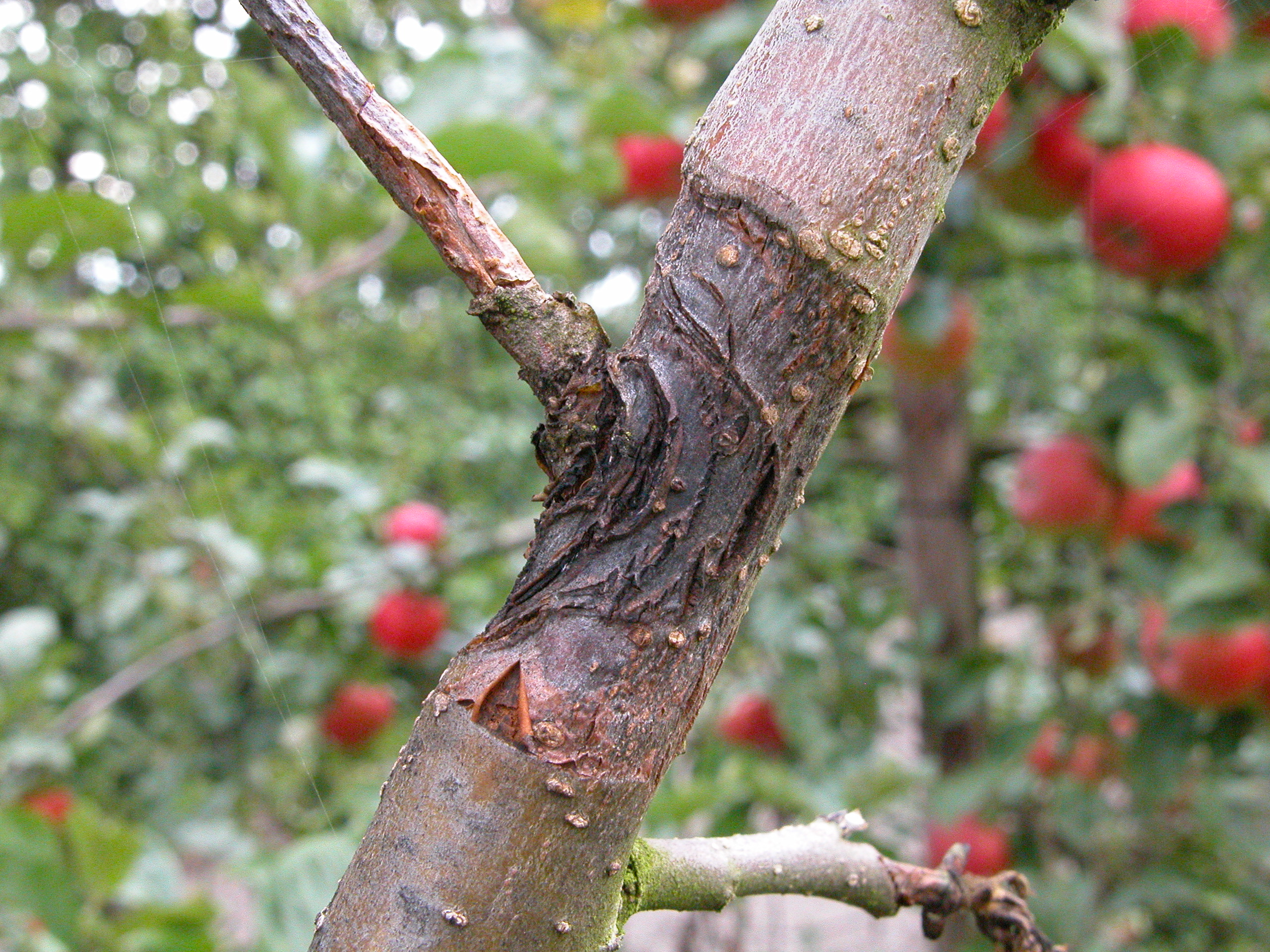
Sustainable management of apple canker

New studies on site specific factors affecting apple canker and a novel method of disease management with endophytes


Much effort has been spent in recent years seeking new approaches to apple canker which don’t rely solely on the use of conventional fungicides. Niab has studied endophytes (bacteria and fungi which spend at least part of their life within a plant without causing apparent disease) and demonstrated the potential of the fungal genus Epicoccum for offering some control. A particular bacterial genus (Sphingomonas) is associated with scion cultivar tolerance against the canker pathogen. In addition, bacterial endophytes appear to be more persistent over growing seasons than their fungal equivalent.

The project

In this latest project, two strategies will be investigated. The first will study the impact of site-specific factors, including soil pH, organic matter and nutrient levels and type, on the development of canker symptoms from latent infection that occurred in the nursery. This could help growers to select sites with minimal risks to canker development during tree establishment in the orchard.

The second will study Sphingomonas isolated from apple leaf scar tissue. It is a naturally occurring endophyte in apple, associated with plant health, and known to be capable of promoting plant growth. We will assess its seasonal dynamics following artificial augmentation across growing seasons to assess whether the level of its abundance is associated with tree health, and whether repeated application is necessary to maintain its abundance at a sufficiently high level to offer control.


Funder: Biotechnology and Biological Sciences Research Council (BBSRC)
Industry partner: Worldwide Fruit; Avalon Fresh
Term: October 2023 to September 2025


Research project tags
Image
Apple canker
Status

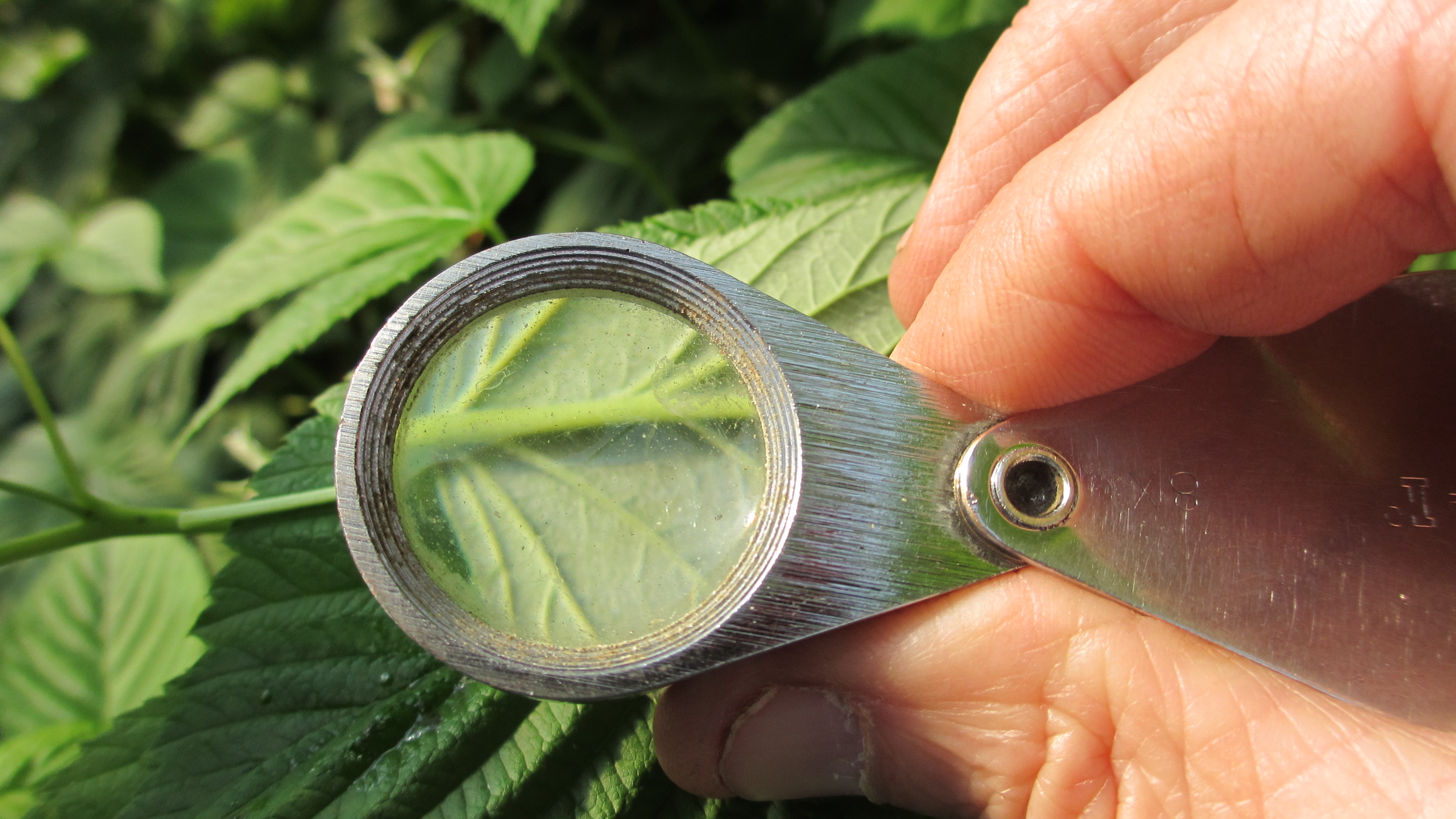
Developing a digital crop scouting service for glasshouse crops

Identifying the presence of pests, diseases and disorders has traditionally relied upon trained agronomists or crop scouts, who inspect the crops visually for their presence or absence.

For some pests or diseases, and for most physiological and nutritional disorders, by the time that visual symptoms appear on the crop, some adverse impact on growth and subsequent crop yield and quality will have occurred. Developing a system of inspection which will identify their presence at an earlier stage, will allow growers to implement changes to their crop management before yields and quality are affected.

The project

This project aims to develop a digital crop management approach for the early detection of glasshouse pests and diseases, utilising the latest diagnostic technology and agronomic knowledge in a commercial production setting.

The objective is to co-develop a crop scouting service, informed by spectral diagnostics (wearable and mounted diagnostic hardware) that can detect the early establishment of any event which adversely affects yield, and which can be integrated within crop management systems. The work will largely focus on glasshouse tomatoes and peppers, but the results will benefit growers of other protected crops.


Title: Digital Crop Management for glasshouse pests and diseases

Funder: Innovate UK: Defra and UKRI Farming Innovation Programme

Industry partners: Abbey View Produce, British Tomato Growers Association, Fargro, Fotenix, Thanet Earth

Term: January 2023 to May 2026

Lead Partner: Fotenix

Image
Crop inspecting
Status

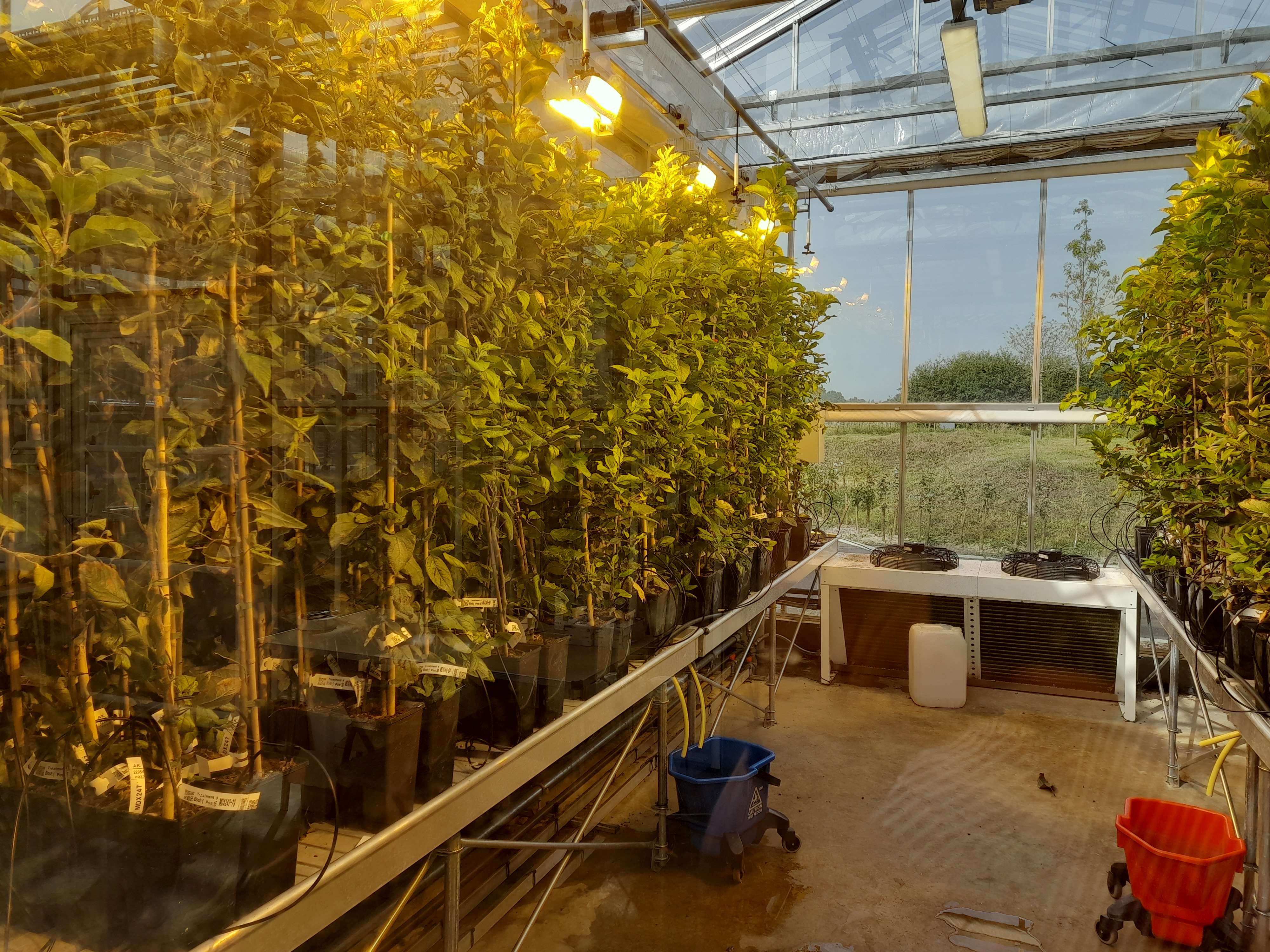
Next generation apple breeding

Most of the modern apple varieties grown in the UK are susceptible to apple scab (caused by Venturia inaequalis), apple powdery mildew (caused by Podosphaera leucotricha) and European apple canker (caused by Neonectria ditissima). All three are fungal diseases which can cause serious yield and quality losses if not adequately controlled and their effective management is time consuming and significantly adds to the production costs. The long-term aim of the industry is to breed apples with resistance to these diseases, which will reduce production costs by avoiding the use of conventional spray control measures. However, breeding is a long-term process and typically takes 20-25 years from crossing to release.

The project

The aim of this project is to develop novel breeding methodologies that will enable a shorter breeding cycle for apple and ensure a faster route to market for resistant varieties. The methodologies will include the use of genomic selection, marker assisted selection and speed breeding. These will be implemented in the Apple Breeding Consortium involving Niab and industry partner WorldWide Fruits Ltd.


Title: Next generation apple breeding for resilient UK production
Funder: Growing Kent & Medway
Industry partners: WorldWide Fruit Ltd
Term: June 2023 to March 2025

Image
Apple progeny from breeding programme being grown on under glass
Status

UK Cereal Pathogen Virulence Survey

The UK Cereal Pathogen Virulence Survey (UKCPVS) monitors cereal rusts in the UK, detecting and warning industry and growers of new races of disease emerging on resistant varieties. It is funded by Defra and AHDB and has been managed by Niab since its inception over 50 years ago.

Contact UKCPVS

The role of UKCPVS includes:

  • Monitoring changes in virulence of UK cereal pathogen populations
  • Maintaining and improving variety disease resistance allowing growers to prioritise other characteristics such as yield and quality when choosing a variety
  • Enabling breeders and variety testing authorities to screen out potential new varieties and breeding lines that are too susceptible to new races of disease before they get to the AHDB Recommended List stage or onto farm
  • Providing information to assist disease risk management on farm; underpinning AHDB RL disease resistance ratings and assessing the threat that each new race poses to the full range of commercial varieties.

Disease sampling

UKCPVS sampling instructions

UKCPVS is always checking for new races of cereal rusts across the UK. We rely on samples sent in by growers, agronomists, plant breeders and official trials operators, so we can check for new variations of these key wheat diseases.

For the 2026 season, UKCPVS is focusing on wheat yellow and wheat brown rust and requests samples of leaves showing symptoms of either of the two diseases. These infected leaves will give the team at Niab the isolates needed to conduct the survey to identify any possible changes in the race of the diseases as soon as possible.

We welcome samples at any time of year. The majority are sent through in May, June and July - the peak of the rust season - but we receive some in the autumn when conditions have been mild enough for the disease to carry on from the season before. Samples can be from any variety, but we are especially interested in varieties which are noted as resistant to the different diseases at that time.

*Putting a geographical delivery address on the envelope will invalidate the Freepost service, incur a charge and delivery will be severely delayed. Please only use the words 'FREEPOST UKCPVS' on the front of the envelope to ensure your sample reaches us quickly.

Stakeholders

UKCPVS holds an annual stakeholder meeting. Targeted at breeders, crop scientists and technical agronomists, the event in early spring each year, reports on recent seedling test results and adult plant nursery tests. It features a number of related technical papers based on pathogen virulence experience from across the globe.

UKCPVS AGM 2025

Research project tags
Image
UKCPVS logo
Status
Subscribe to Diseases