Genomic Pattern Recognition in DUS testing for Barley

To be marketed and/or awarded Plant Breeders Rights (PBR) in the UK, all agricultural varieties must pass DUS (Distinctness, Uniformity and Stability) testing. This ensures that new varieties are unique, with distinctness determined by visually comparing candidate varieties against other varieties in common knowledge (the ‘variety collection’).

In this Defra-funded project we are exploring ways to accelerate variety registration using genomic prediction approaches. Working on barley, we are refining and optimising our machine learning prediction models, focussed on prediction of individual barley DUS characteristics (phenotypes), to facilitate earlier selection of similar varieties from the variety collection for field distinctness assessments. Predictions models are being tested in parallel to current DUS testing procedures, with consideration of logistical and technological challenges for future implementation. Software for user-implementation of the finalised models is also being developed to support the use of the analysis pipeline by DUS testing centres.

Duration

September 2025-March 2028

Funder


Research project tags
Image
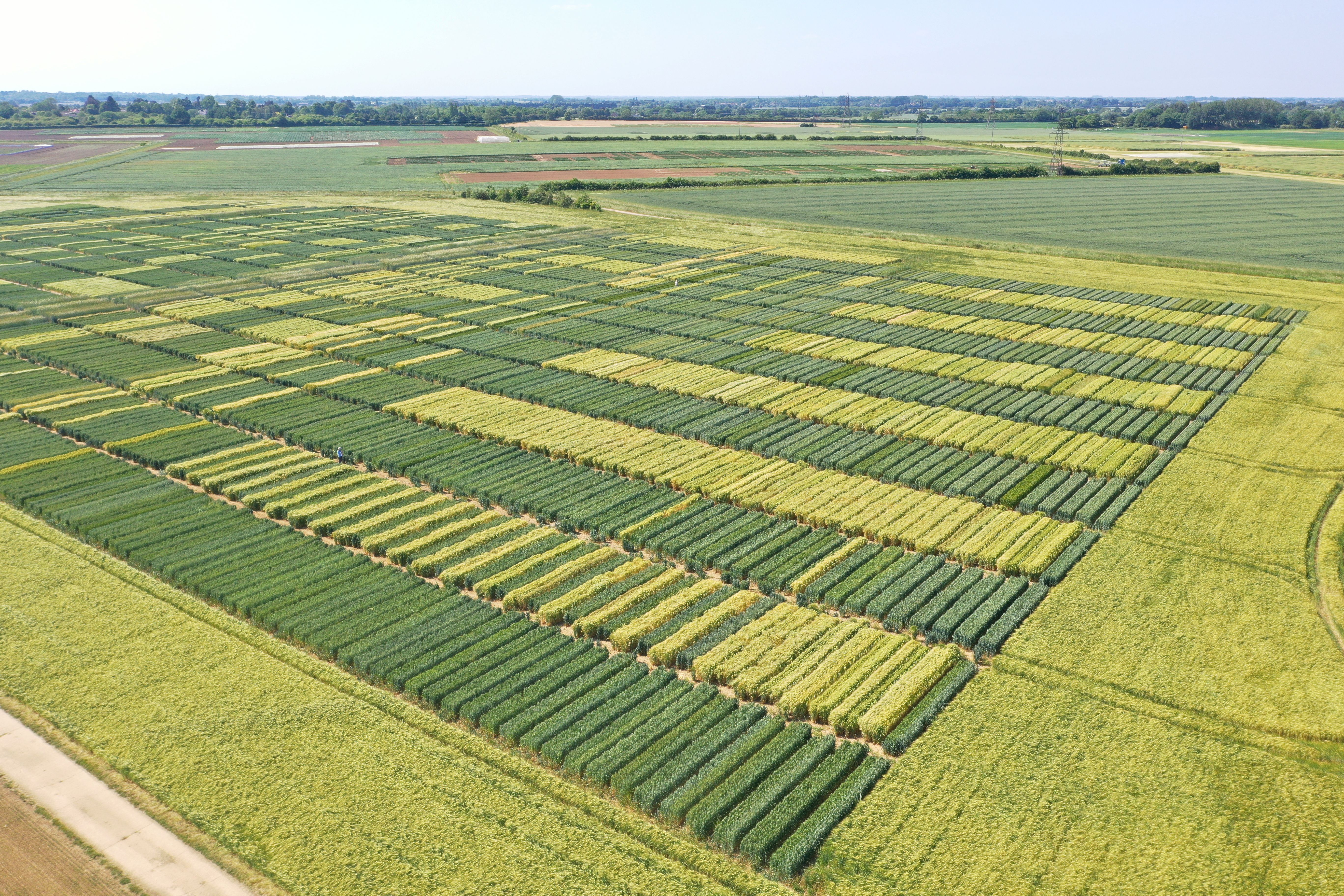
Aerial view of DUS plots at Niab
Status

Next generation apple breeding

Most of the modern apple varieties grown in the UK are susceptible to apple scab (caused by Venturia inaequalis), apple powdery mildew (caused by Podosphaera leucotricha) and European apple canker (caused by Neonectria ditissima). All three are fungal diseases which can cause serious yield and quality losses if not adequately controlled and their effective management is time consuming and significantly adds to the production costs. The long-term aim of the industry is to breed apples with resistance to these diseases, which will reduce production costs by avoiding the use of conventional spray control measures. However, breeding is a long-term process and typically takes 20-25 years from crossing to release.

The project

The aim of this project is to develop novel breeding methodologies that will enable a shorter breeding cycle for apple and ensure a faster route to market for resistant varieties. The methodologies will include the use of genomic selection, marker assisted selection and speed breeding. These will be implemented in the Apple Breeding Consortium involving Niab and industry partner WorldWide Fruits Ltd.


Title: Next generation apple breeding for resilient UK production
Funder: Growing Kent & Medway
Industry partners: WorldWide Fruit Ltd
Term: June 2023 to March 2025

Image
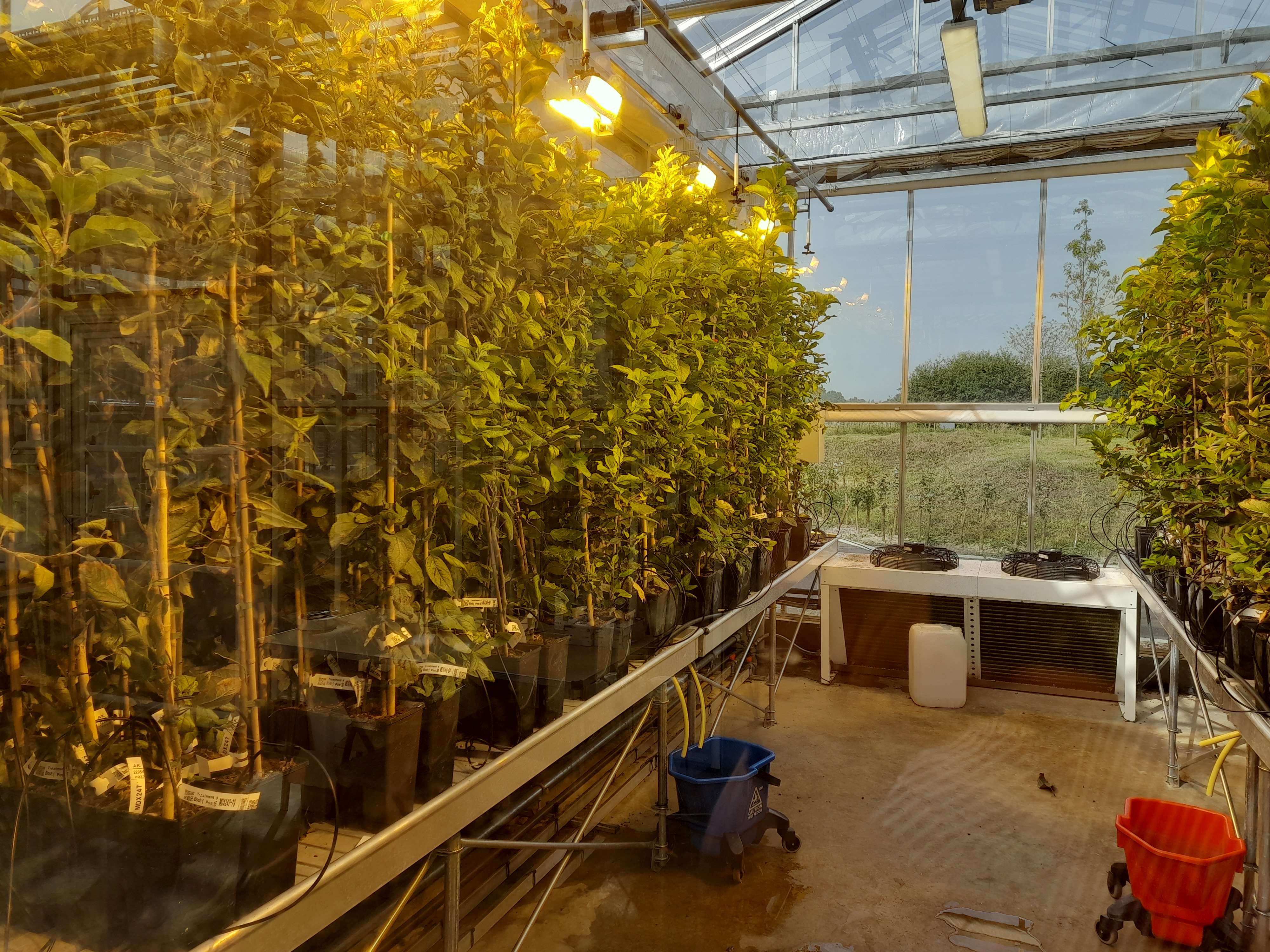
Apple progeny from breeding programme being grown on under glass
Status

Exploiting novel wheat genotypes for regen ag

Funded by The Morley Agricultural Foundation (TMAF) and the JC Mann Trust, Niab is conducting multi-disciplinary research encompassing agronomy, genetics and molecular plant physiology to assess novel wheat genotypes in regenerative agriculture conditions.

Following a rotation based on winter wheat, trials will rotate across well-characterised experimental sites in East Anglia, with a known history of management. Fully replicated plot trials will evaluating the performance of new wheat genetic material (including resynthesised wheat (SHW) lines), under regenerative agricultural practices and lower nitrogen inputs.

The project ultimately aims to support growers and agronomists to produce high quantity and quality grains at low cost, and with limited environmental impact.

Take our survey

Niab is looking for farmers to share their experience of growing different wheat varieties in regenerative agriculture systems. Take our survey, so we can better understand which wheat varieties are widely cultivated and favoured by growers under these principles. Thank you for your support.

RESOURCES

Poster: Novel wheat genotypes for regen-ag (2025)

VIDEO

Video: Nitrogen utilisation in winter wheat under a regen ag system

FUNDERS


The Morley Agricultural Foundation logo


The JC Mann Trust logo


PROJECT DURATION

September 2022 to August 2028 

PREVIOUS RESEARCH

New Farming Systems research
Designing Future Wheat


Image
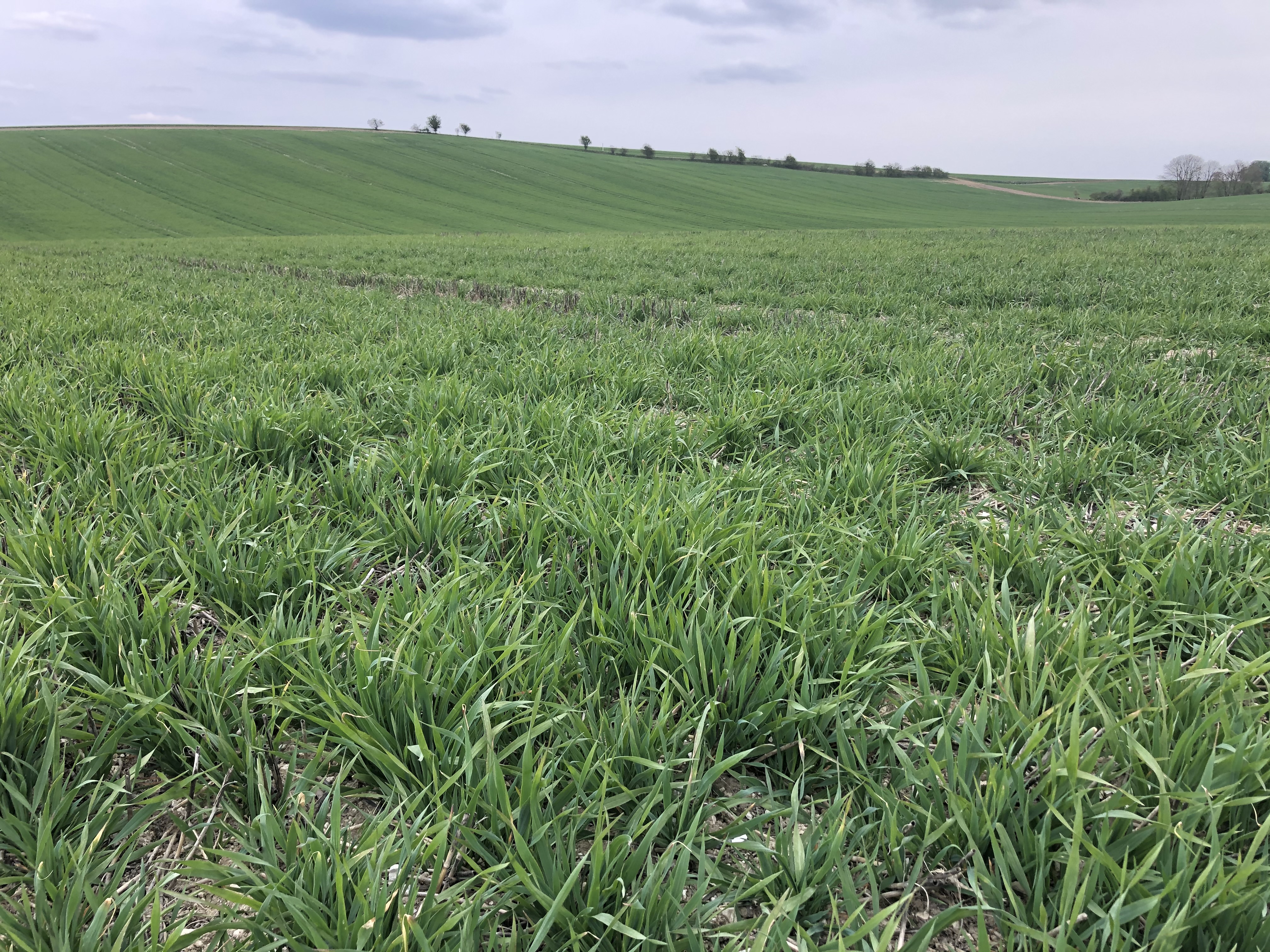
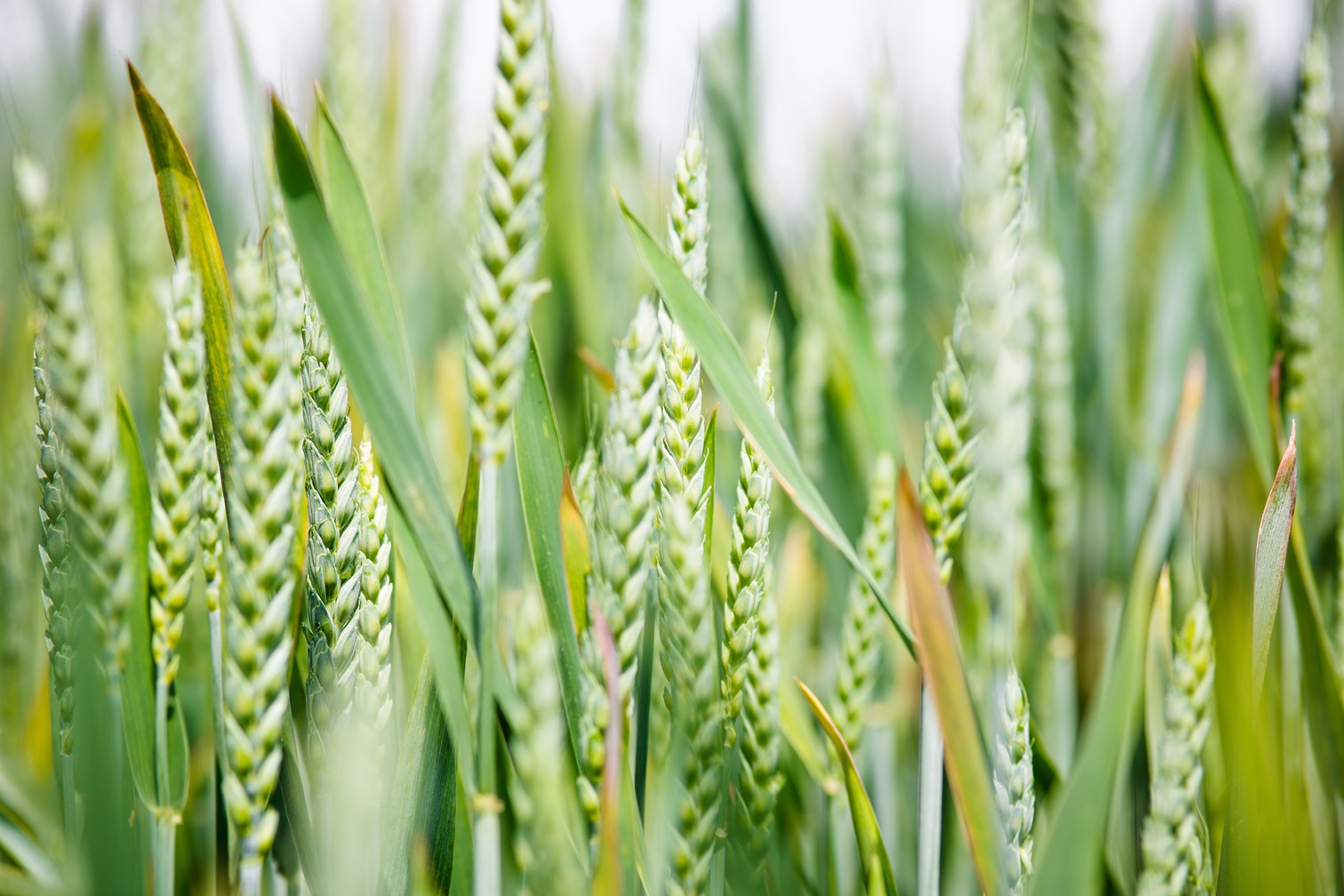
Young wheat plants growing in a field in the UK
Status

Designing Future Wheat

This research project has now finished. The work is continued under the BBSRC-funded Designing Sustainable Wheat programme.

Wheat is a vital commercial crop and essential calorie source in the UK and globally. As the global population increases towards 10 billion people, with most increased consumption expected to occur in developing countries, the world will need to produce 60% more wheat by 2050 to meet global demand.

The BBSRC-funded Designing Future Wheat (DFW) programme was supported by eight UK research institutes and universities, including Niab, to develop the germplasm and techniques required by plant breeders to sustainably face these future production challenges. DFW continued the work started under the BBSRC-funded Wheat Improvement Strategic Programme (WISP) and consisted of four core work packages:

Increasing efficiency and sustainability

The DFW programme will develop improved germplasm for better yield, resistance to disease and a changing climate using high-throughput field technology and the genetic dissection of key traits. As part of this programme NIAB will be applying its extensive phenotyping expertise to maximise output from germplasm used within DFW, whether it be for drought tolerance or within hybrid wheat breeding programmes.

Adding value and resilience

DFW aims to enhance grain quality for human health, combat diet-related diseases and improve the resilience of wheat to biotic stresses. As part of this programme NIAB is developing germplasm with starch characteristics that improve the processing ability and digestibility of wheat.

Germplasm development for trait dissection

NIAB is characterising the novel genetic diversity captured from resynthesised wheat (SHW) and tetraploid wheats. This diversity is now in an elite wheat background and is available for exploration by the wheat research and breeding community. This is part  of DFW’s target to accelerate the discovery and deployment of genes and alleles of high value for breeding, particularly from other parts of the DFW programme and previous BBSRC-funded research.

Data access and analysis

Large-scale genomic, phenotypic and regulatory datasets from other DFW work packages will be annotated, integrated and shared to generate critical reference resources supporting interpretation and driving new avenues of investigation.

Resources

  • Breeders Toolkit
  • Designing Future Wheat - 2019 poster for UK industry shows and events
  • Increasing wheat genetic diversity - 2019 poster for UK industry shows and events
  • Designing Future Wheat - 2020 poster for UK virtual industry shows and events
  • Videos - Filmed in 2020, these videos show the journey of NIAB's involvement in Designing Future Wheat Team, from crossing in the glasshouses, through in field trials to data analysis.

Designing Future Wheat partners
Image
Wheat growing in a field
Status
Subscribe to Varieties