AHDB Strategic Cereal Farm Midlands

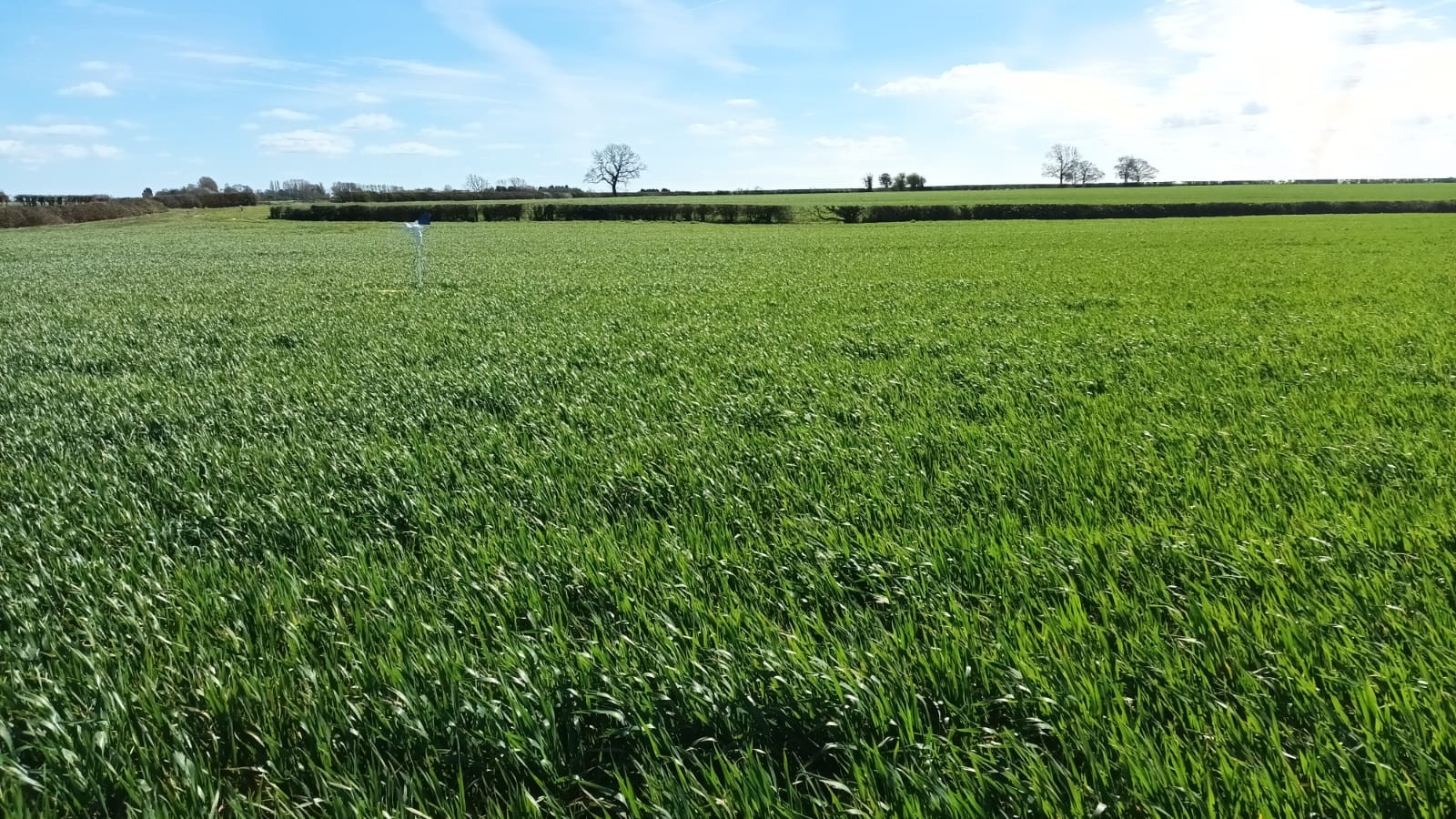
AHDB Strategic Cereal Farms aim to putting cutting-edge research and innovation into practice on commerical farms. Each farm hosts field-scale demonstrations, with experiences shared with the wider farming community. Niab has partnered with AHDB to deliver the new Strategic Cereal Farm Midlands. Will Oliver hosts Strategic Cereal Farm Midlands. The farm is keen to invetsigate how to optimise inputs, whilst maintaining yield and improving rotational management.

Niab's Farming Systems and Pathology teams have collaborated to deliver three inital workpackages:

  1. Management of maize residue for establishment and disease risks of a following winter wheat crop in a direct drill system
  2. Optimising organic amendments in nutrient management planning for winter wheat
  3. Testing novel technologies to improve disease and nitrogen management in winter wheat (in collaboration with SporeSense, a technology company that uses AI biosensors to aid early disease detection)

Partners


Funders


Duration

2025-2031

More information on the project website

Image
AHDB Strategic Farm Midlands
Status

Testing the performance of biofungicides (winter wheat pilot trials)

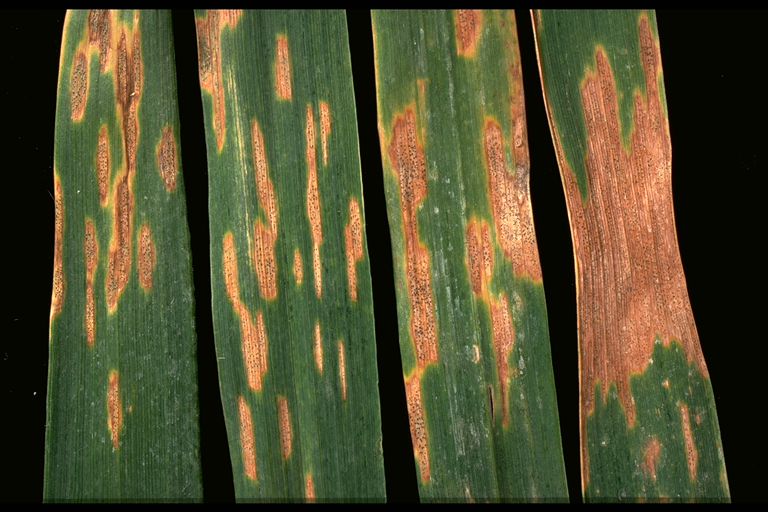
Niab, in partnership with SRUC and ADAS, is delivering a two‑year AHDB‑funded pilot project to evaluate the performance of biofungicides against Septoria tritici in winter wheat.

As interest grows in biological alternatives to conventional fungicides, these trials provide independent, field‑scale evidence for levy payers on how biofungicides perform under commercial conditions and how they can complement existing programmes.

Trials are being run across three sites (Midlothian (SRUC), Herefordshire (ADAS) and Hampshire (Niab) using a single, standardised protocol followed by all partners. Each site includes two replicated trials: one trial using a septoria‑susceptible variety and one using a moderately resistant variety.

Seven biofungicides are being assessed, applied either alone or alongside a half‑rate fungicide programme to determine whether biologicals can enhance disease control or support reduced fungicide inputs. All products are foliar applied during the normal spray window, following manufacturer recommendations.
Initial findings will be shared at the AHDB Agronomy Conference in December 2026, with the full dataset available at the end of the project.

Partners


Funders


Duration

August 2025-December 2027

Latest news

Crop Production Magazine - March 2026: Theory To Field: Putting nature to the test

More information

Project website

Image
Septoria on crop leaves
Status

Fungicide performance in wheat, barley and oilseed rape

Disease management in wheat, barley and oilseed rape never stands still. On top of variation in seasonal disease pressures, pathogen populations continue to evolve, which can impact fungicide efficacy (due to resistance/insensitivity) and varietal disease resistance. Fungicide active ingredients and products continue to be withdrawn from and introduced to the market. As a result, there is a continued need for robust, independent information on the efficacy of established and new fungicides.

The AHDB Fungicide Performance project forms part of a long-running trial series, with the first fitted fungicide-efficacy curves produced for winter wheat in 1996. The trial series for barley started in 2002 and the oilseed rape series began in 2006. The current project format was introduced in 2015, when all trial series were combined in a single programme.

Results are relevant to commercial use and simple to interpret for levy payers. Agronomists also play a crucial role to turn efficacy data into practical field recommendations that maximise crop margins and minimise the development of fungicide resistance.

Partners

ADAS (lead), Niab, SRUC and Harper Adams University

Funder

AHDB

Duration

June 2025-July 2028 

Activities

  • Charts – referred to as ‘dose-response curves’ – that show the relative efficacy of fungicides against the target diseases at a range of doses (impact on disease control and yield).
  • Contributes to a long-term information resource, which enables the monitoring of performance trends of products and active ingredients (to track shifts in pathogen sensitivity to fungicides).
  • Aims to deliver information to levy payers in time for the first season of commercial use of new fungicides.

Resources

The latest data, as well as historic data for other diseases (e.g. barley powdery mildew and oilseed rape sclerotinia), is available via the AHDB Fungicide Performance webpage.

Image
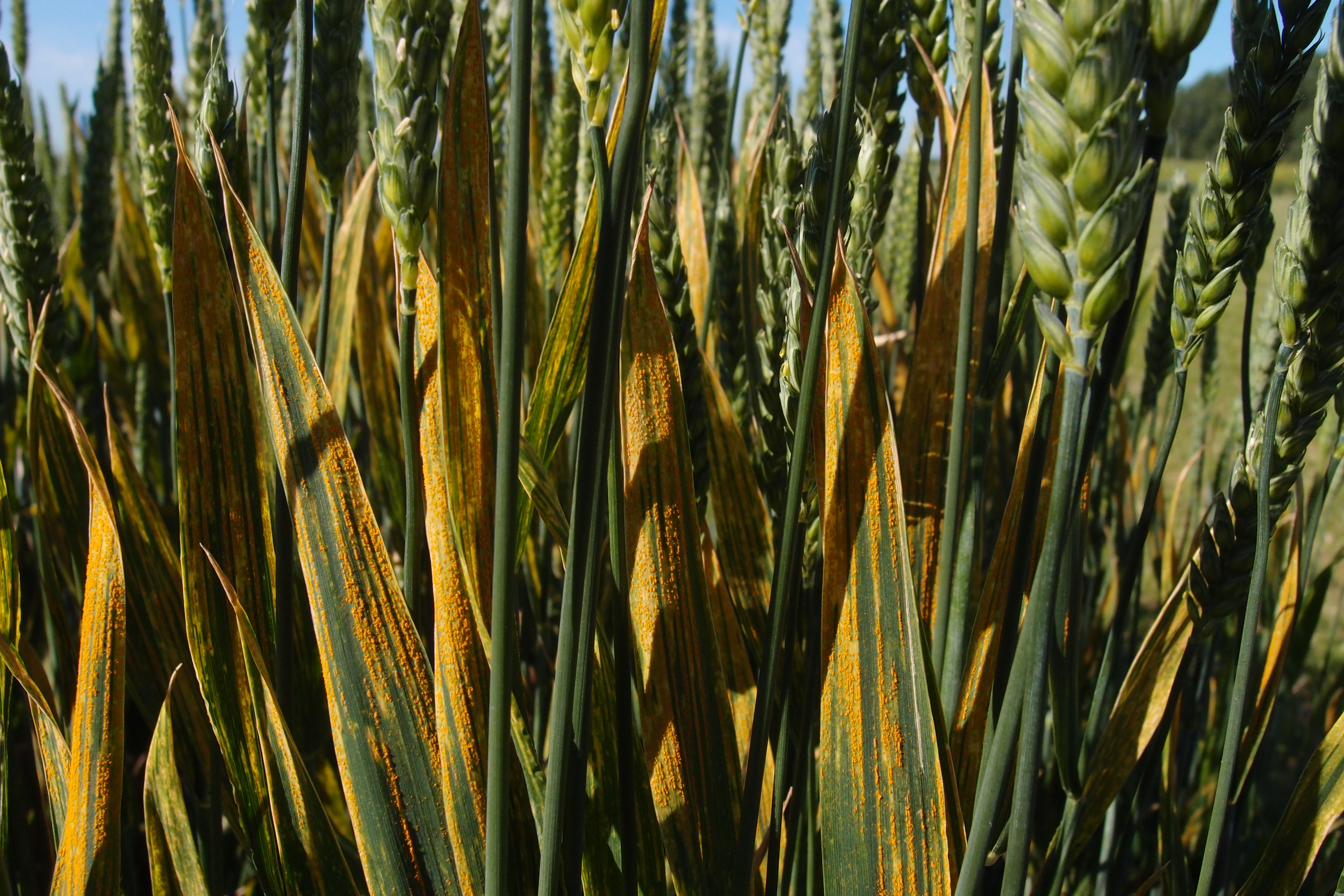
Yellow rust in wheat
Status

AEGIS: Ancient Environmental Genomics Initiative for Sustainability

Nature has already run millions of evolutionary “experiments.” By analysing ancient environmental DNA, AEGIS will identify lost genetic traits, ancestral diversity and beneficial species interactions that helped plants survive past stress episodes.
Led by University of Copenhagen, AEGIS will:

  • Reconstruct past ecosystems. By reading ancient environmental DNA alongside climate and archaeological records, AEGIS reveals how ecosystems shifted through periods of climate change and human land use.
  • Trace the evolution of agriculture. The project uncovers how early farming practices and domesticated crops responded to environmental pressures, showing how cultivation systems and plant genomes have changed through thousands of years.
  • Discover natural resilience. By comparing ancient and modern genomes, AEGIS pinpoints genetic adaptations and beneficial interactions - for example, between plants, soils, and microbes - that historically supported stress tolerance and productivity.
  • Translate insights into new solutions. These discoveries provide a foundation for developing climate-smart crops, sustainable land management strategies, and farming systems that strengthen biodiversity while reducing dependency on fertilisers and pesticides.

AEGIS website

Duration

2024-2031

Lead Partner

Other partners

Carlsberg Research Laboratory, EMBL-EBI, Institut Pasteur, Seoul National University, University of Aarhus, University of Bremen, University of California, University of Cambridge, University of Colorado Boulder, University of Zurich, Wageningen, Wellcome Sanger Institute.

Funders


Image
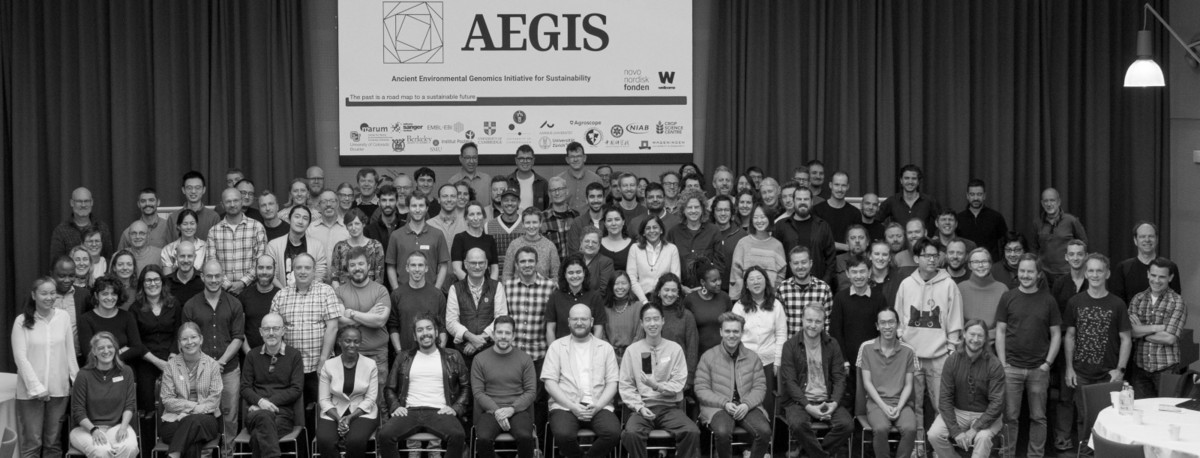
The AEGIS team at a conference
Status

Ensembl Plant Populations

Ensembl Plants contains high-quality annotated reference genome assemblies for >100 model and crop species. Numerous plant genetic resources have been generated to capture and exploit genetic diversity, e.g. association mapping/diversity panels, many of which now come with founder genome assemblies and progeny variant datasets. However significant user bioinformatic, genetic and statistical expertise is required to analyse these genetic resources and interpret results in the context of the genes, genetic variants and appropriate reference genomes.

We will establish the 'Ensembl Plant Populations' platform - a web-tool containing existing population-based sequence and variant data, supporting users to run statistically sound genetic analyses. We focus on seven plant/crop species of relevance to UK researchers: wheat, barley, rice, brassica, arabidopsis, tomato and oat. The tool will provide an integrated pipeline to undertake genetic analyses from start to finish, including: (i) investigation of predicted power to detect genetic loci, (ii) adjustable forward genetic analysis settings, (iii) interactive genome-wide view of results, and (iv) presentation of useful information linked to genes and variants.

News

Ensembl 2025

Improved access to plant genetic resources to drive crop innovation

Duration

2023-2026

Partner

Funder


Image
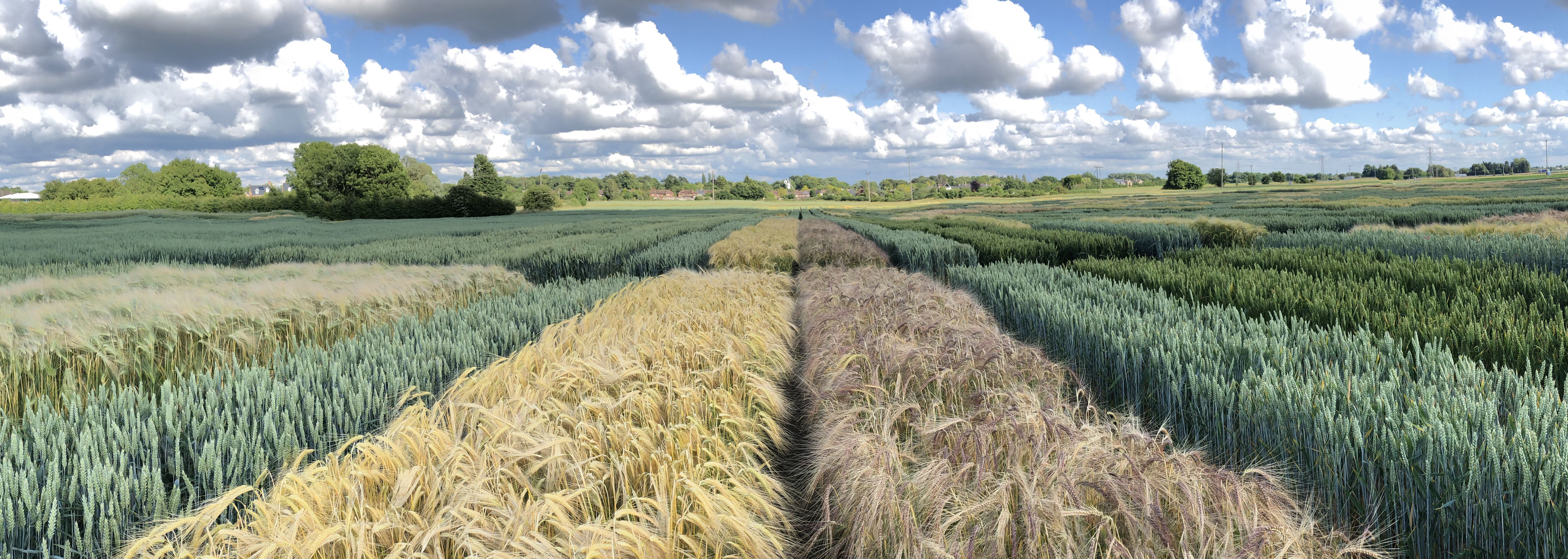
Wheat varieties growing in a field
Status

Wheat Alliance

Chemical fertilisers have helped increase food production, but their environmental impacts and long-term sustainability are growing concerns. Wheat Alliance addresses this challenge by exploring natural routes to improved crop nutrition through beneficial interactions between wheat and soil microorganisms.

A central focus of Wheat Alliance is to understand how wheat genetics influences the selection and maintenance of a beneficial root microbiome, particularly under nutrient-limited conditions that reflect real world farming constraints. To do this, the project will exploit the exceptional diversity of wheat germplasm available at Niab, including extensive novel genetic diversity introgressed from wheat’s close relatives into the restricted elite bread wheat gene pool.

This includes synthetic hexaploid wheats (SHW) and tetraploid wheat derived populations, generated by crossing wild emmer, emmer, and durum with modern winter and spring bread wheats to boost genetic diversity. Thousands of new wheat lines are available, including diverse multi-founder experimental populations, enabling systematic discovery of genetic factors that shape plant–microbe interactions and nutrient capture.

Using advanced phenotyping and data analytics, the project will link wheat genotype to root microbiome composition and function, and develop predictive approaches to identify the most effective plant–microbe combinations. Together, these outputs aim to support the development of wheat varieties and management strategies that maintain yields while reducing reliance on synthetic fertilisers.

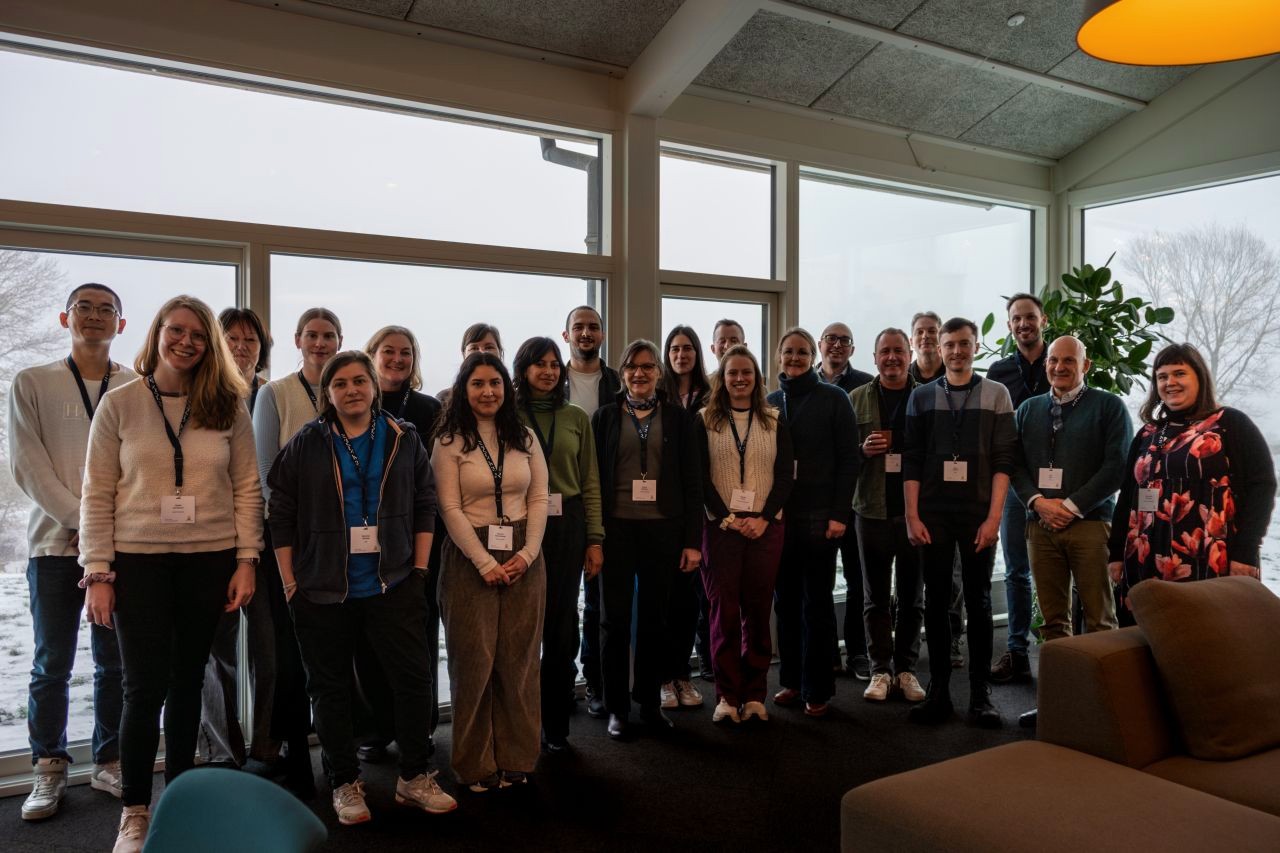
Project team members at the annual meeting

News

New Research Aims To Boost Sustainable Wheat Nutrition Through Microbes

Duration

2024-2027

Partners


Funding


Image
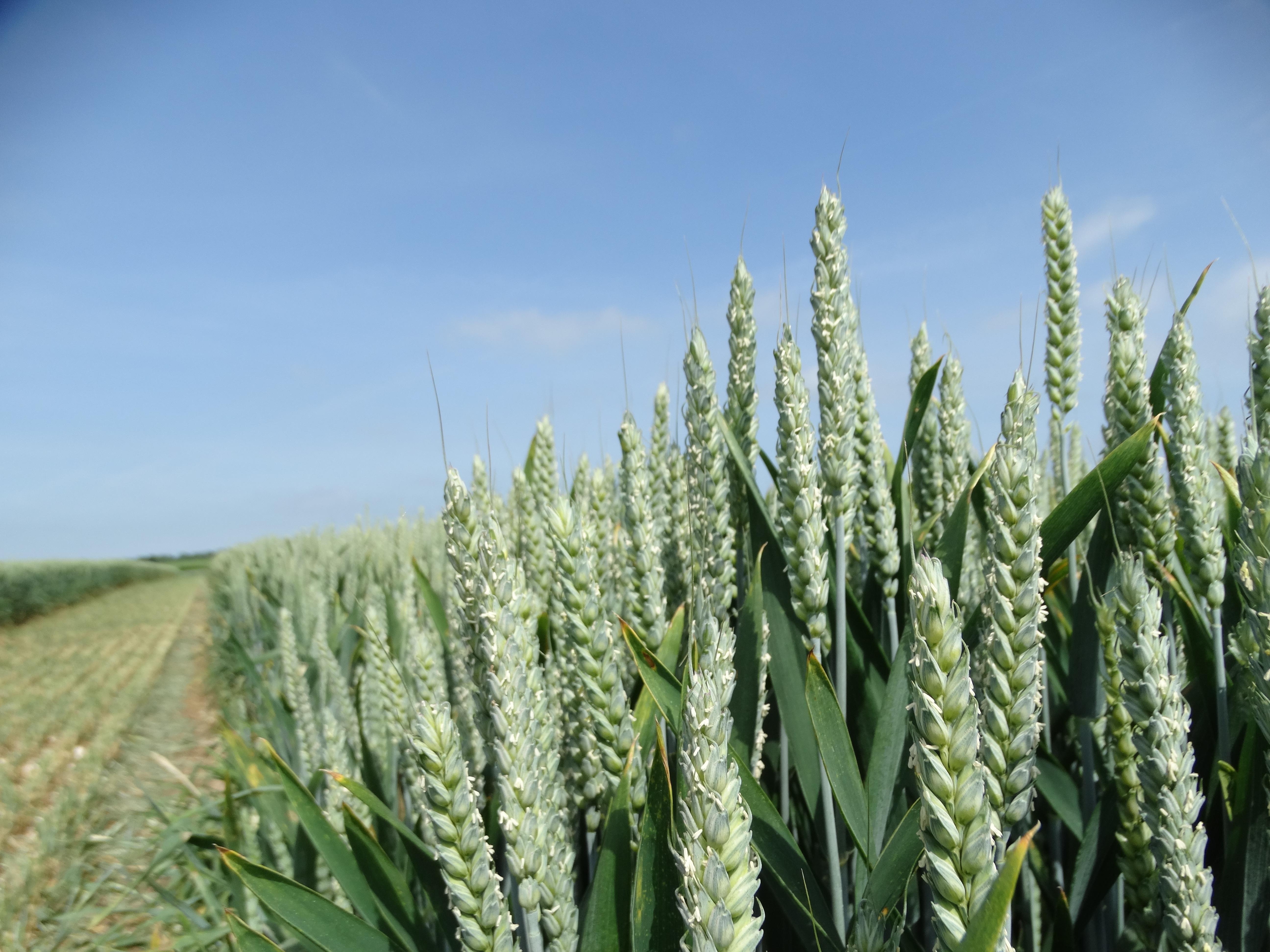
Wheat growing in a field with a blue sky in the background
Status

Facing Forwards - understanding epidermal development in cereals

Facing Forwards aims to understand and exploit variation in epidermal features to future-proof cereal crops to changing climates.

To achieve this, we need to define the genes and developmental mechanisms controlling epidermal properties and how these affect plant performance. 

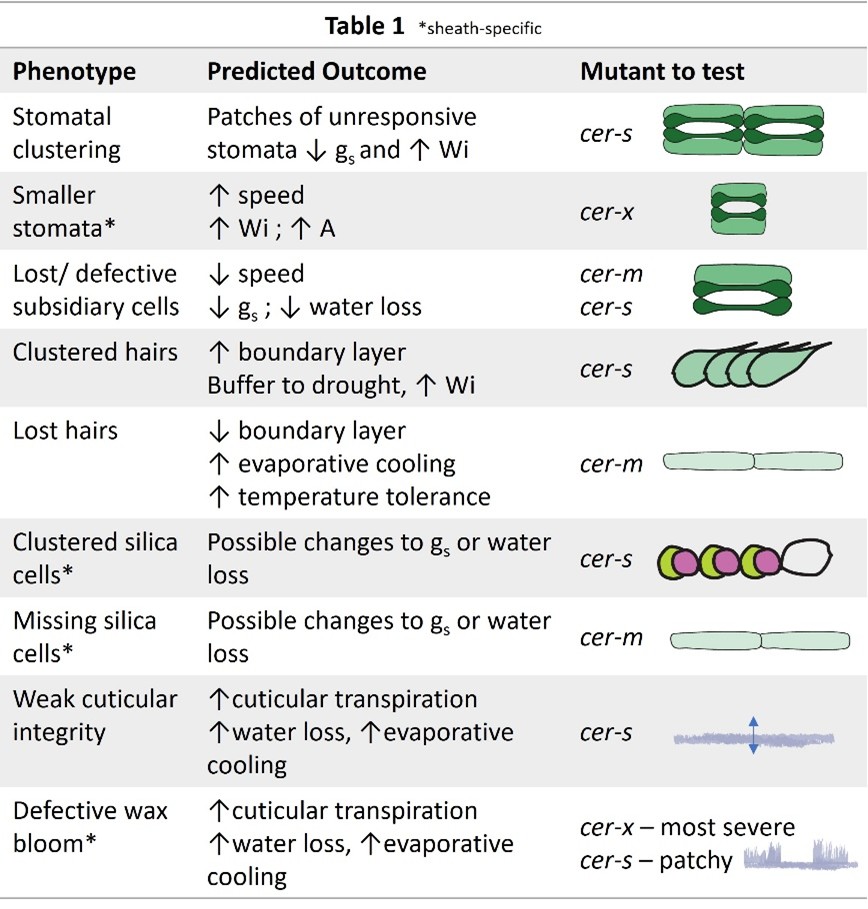
Focusing on barley and wheat, the project explores the coordinating genetic network controlling epidermal traits linked to plant performance. These genes promote cuticular wax deposition as well as formation and spacing of specialised epidermal cells (such as stomata, epidermal hairs and silica cells) which help plants cope with stressful environments.

The project uses fine-scale cuticular profiling and single cell transcriptomics to reconstruct pathways leading to different cell types and cuticular chemistries, alongside mutant alleles in genes known to control specific features. Further, the project also explores the impact of altered epidermal patterning on leaf physiology and function - including stomatal conductance and intrinsic water use efficiency. These approaches will assess spatial and temporal control of epidermal patterning and the physiological impact of trait variation to identify desirable traits and ideotypes for crop production in future climates.

A summary of the genes/genetic loci investigated in the project, and their predicted effect on plant physiology. Source: Sarah McKim, University of Dundee.

More information

Project timings

2024-2027

Partners


Funders


Image
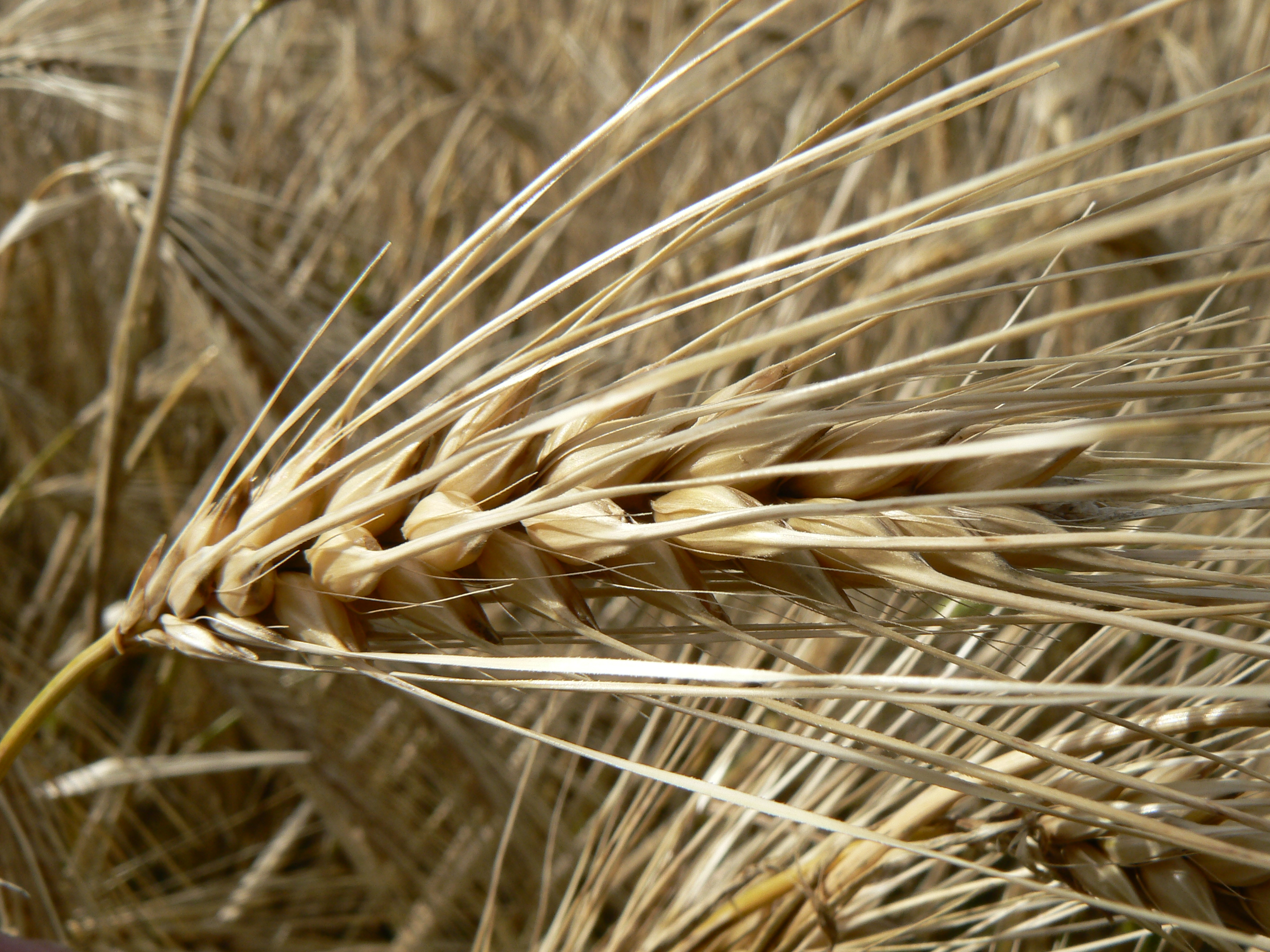
Barley
Status

Rustwatch

The European Union project RustWatch ran from 2017 to 2022 and involved 24 partner organisations. Niab led one of the five work packages, joining organisations from 12 European countries plus Pakistan, thus consolidating the cereal rust research community and relevant stakeholders across Europe.

The main aim of the project was to seek solutions to challenges posed by wheat yellow (stripe), brown (leaf), and black (stem) rust diseases. Niab is still supporting Europe-wide wheat rust surveillance as part of a new EU research programme IPMorama, data from which will feed into the UKCPVS and vice versa.

The cereal rust landscape within Europe is constantly changing and it is essential for Niab to maintain close links with the European cereal rusts research community. In 2016 Europe experienced the most severe epidemics of wheat stem rust for more than 50 years. In 2017 unusual and severe epidemics of yellow rust were observed on several continents, with the pre-existing populations of wheat yellow rust in Europe having been replaced by invasive races of non-European origin on more than one occasion.

Outputs

RustWatch explored the drivers shaping the European wheat rust populations,  and assessed their impact on agricultural productivity in the context of IPM Directive 2009/128/EC.

Outputs included:

  • A European wheat rust network including all stakeholders
  • Shared facilities and procedures for early-warning and risk assessment
  • A better understanding of drivers for spread and establishment of new races
  • New IPM-based strategies for disease prevention and control
  • Input to EU plant health policy for non-regulated invasive pathogens

The project was coordinated by Prof Mogens S. Hovmøller of Aarhus University (AU), Department of Agroecology, who also is head of the Global Rust Reference Center hosted by AU.

Download NIAB's 2019 event posters summarising the RustWatch project - NIAB Poster 1 and NIAB Poster 2

Papers with Niab staff as co-authors

Rustwatch videos produced by Niab:

Winter wheat variety trials and RustWatch

Yellow rust and RustWatch

Keep up to date with changes in the race structure and genetic groups of yellow rust populations across Europe, Africa, Asia and South America: Yellow Rust Toolbox-Maps and Charts

Image
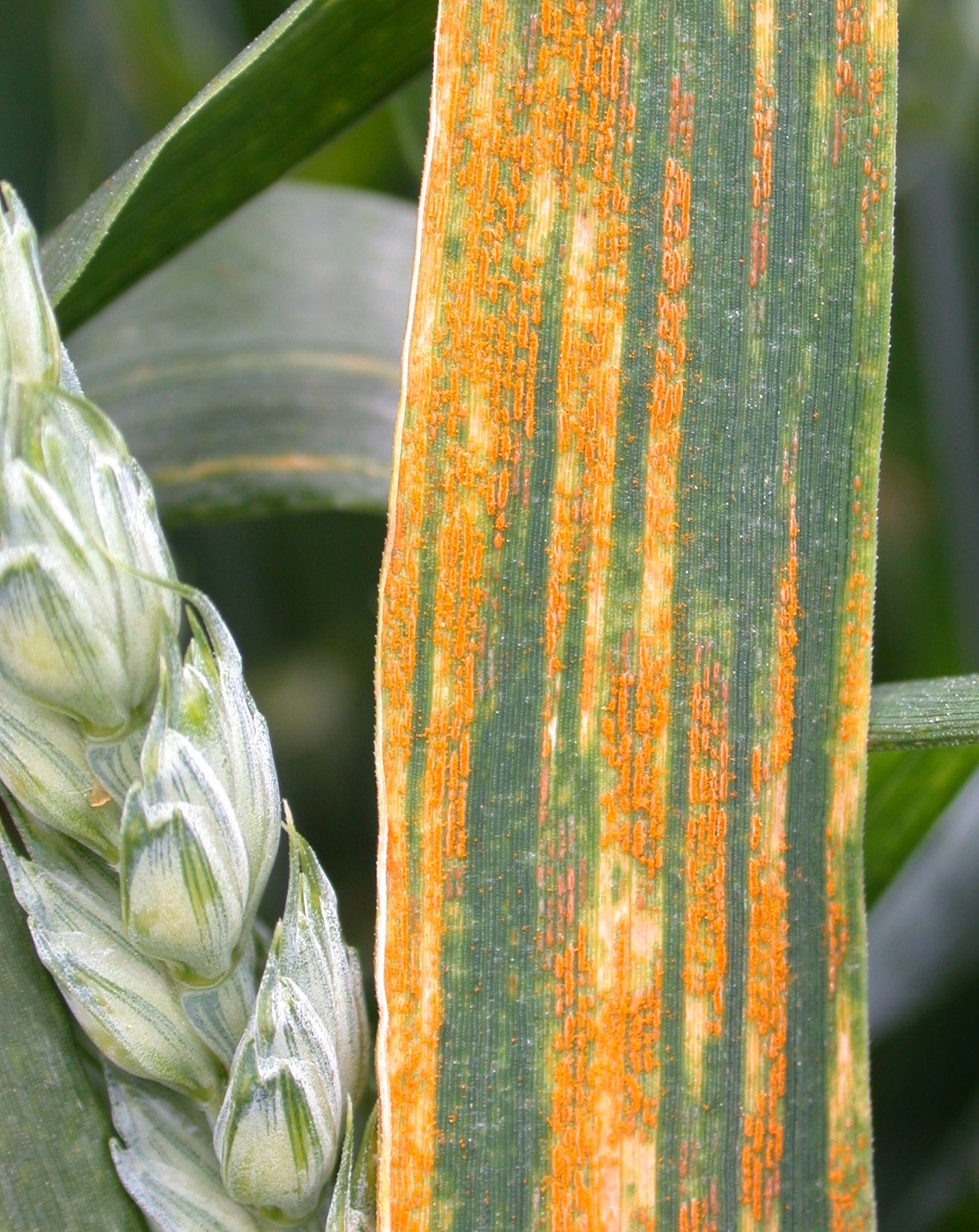
Yellow rust on a wheat leaf
Status

Designing Future Wheat

This research project has now finished. The work is continued under the BBSRC-funded Designing Sustainable Wheat programme.

Wheat is a vital commercial crop and essential calorie source in the UK and globally. As the global population increases towards 10 billion people, with most increased consumption expected to occur in developing countries, the world will need to produce 60% more wheat by 2050 to meet global demand.

The BBSRC-funded Designing Future Wheat (DFW) programme was supported by eight UK research institutes and universities, including Niab, to develop the germplasm and techniques required by plant breeders to sustainably face these future production challenges. DFW continued the work started under the BBSRC-funded Wheat Improvement Strategic Programme (WISP) and consisted of four core work packages:
Increasing efficiency and sustainability

The DFW programme will develop improved germplasm for better yield, resistance to disease and a changing climate using high-throughput field technology and the genetic dissection of key traits. As part of this programme NIAB will be applying its extensive phenotyping expertise to maximise output from germplasm used within DFW, whether it be for drought tolerance or within hybrid wheat breeding programmes.

Adding value and resilience

DFW aims to enhance grain quality for human health, combat diet-related diseases and improve the resilience of wheat to biotic stresses. As part of this programme NIAB is developing germplasm with starch characteristics that improve the processing ability and digestibility of wheat.

Germplasm development for trait dissection

NIAB is characterising the novel genetic diversity captured from resynthesised wheat (SHW) and tetraploid wheats. This diversity is now in an elite wheat background and is available for exploration by the wheat research and breeding community. This is part  of DFW’s target to accelerate the discovery and deployment of genes and alleles of high value for breeding, particularly from other parts of the DFW programme and previous BBSRC-funded research.

Data access and analysis

Large-scale genomic, phenotypic and regulatory datasets from other DFW work packages will be annotated, integrated and shared to generate critical reference resources supporting interpretation and driving new avenues of investigation.

Resources

  • Breeders Toolkit
  • Designing Future Wheat - 2019 poster for UK industry shows and events
  • Increasing wheat genetic diversity - 2019 poster for UK industry shows and events
  • Designing Future Wheat - 2020 poster for UK virtual industry shows and events
  • Videos - Filmed in 2020, these videos show the journey of NIAB's involvement in Designing Future Wheat Team, from crossing in the glasshouses, through in field trials to data analysis.

Designing Future Wheat partners
Image
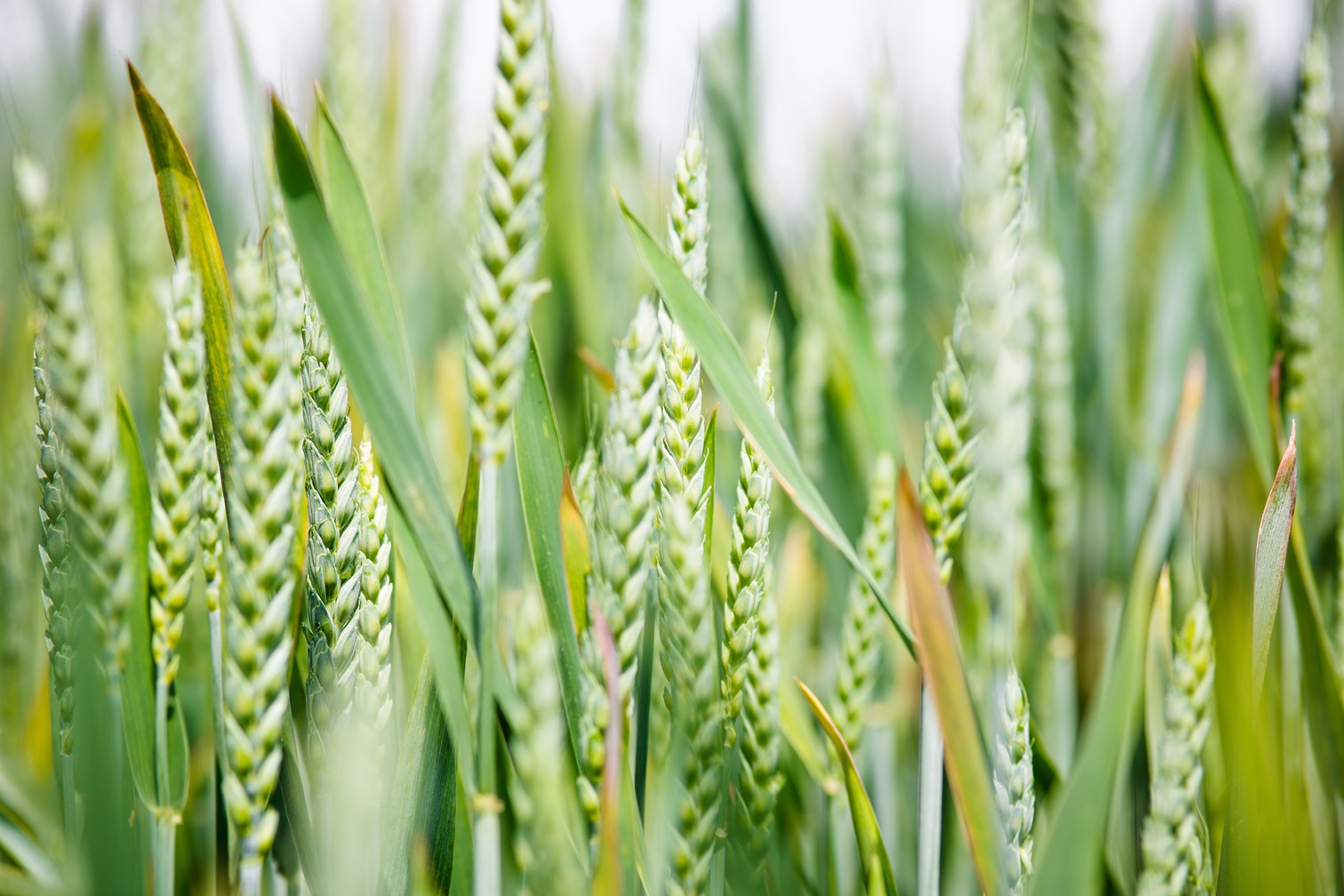
Wheat growing in a field
Status
Subscribe to Wheat