Dr Eric Ober

Research agronomist (crop physiology)
+44(0)7799 830341
Dr Eric Ober

Research interests

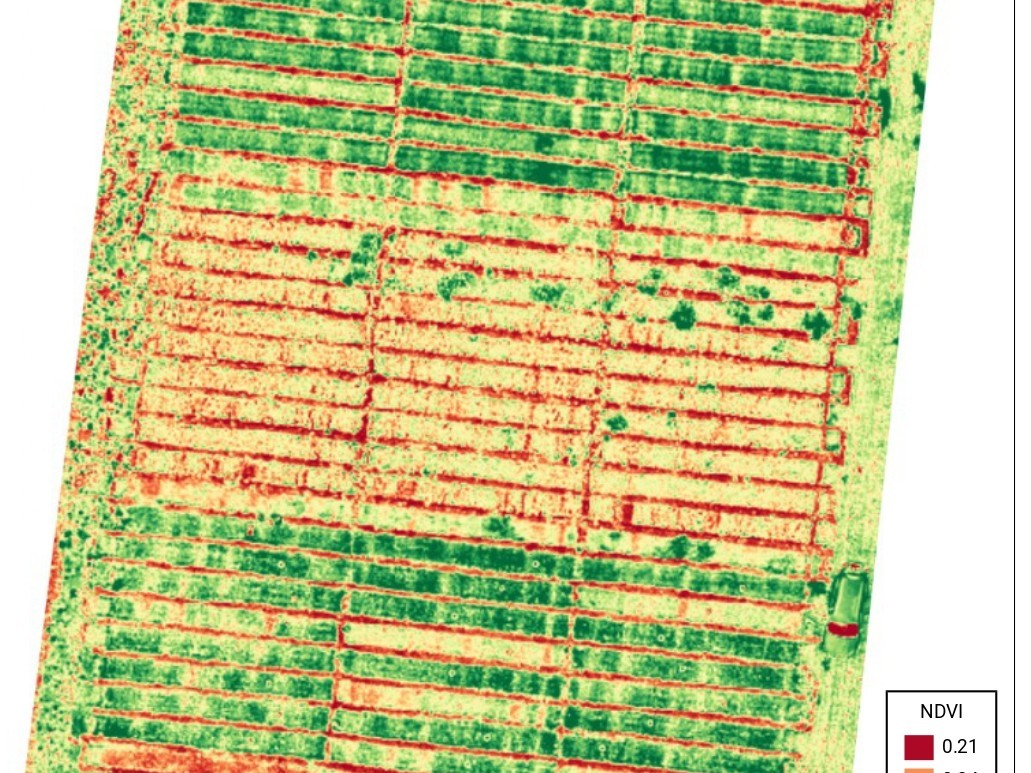
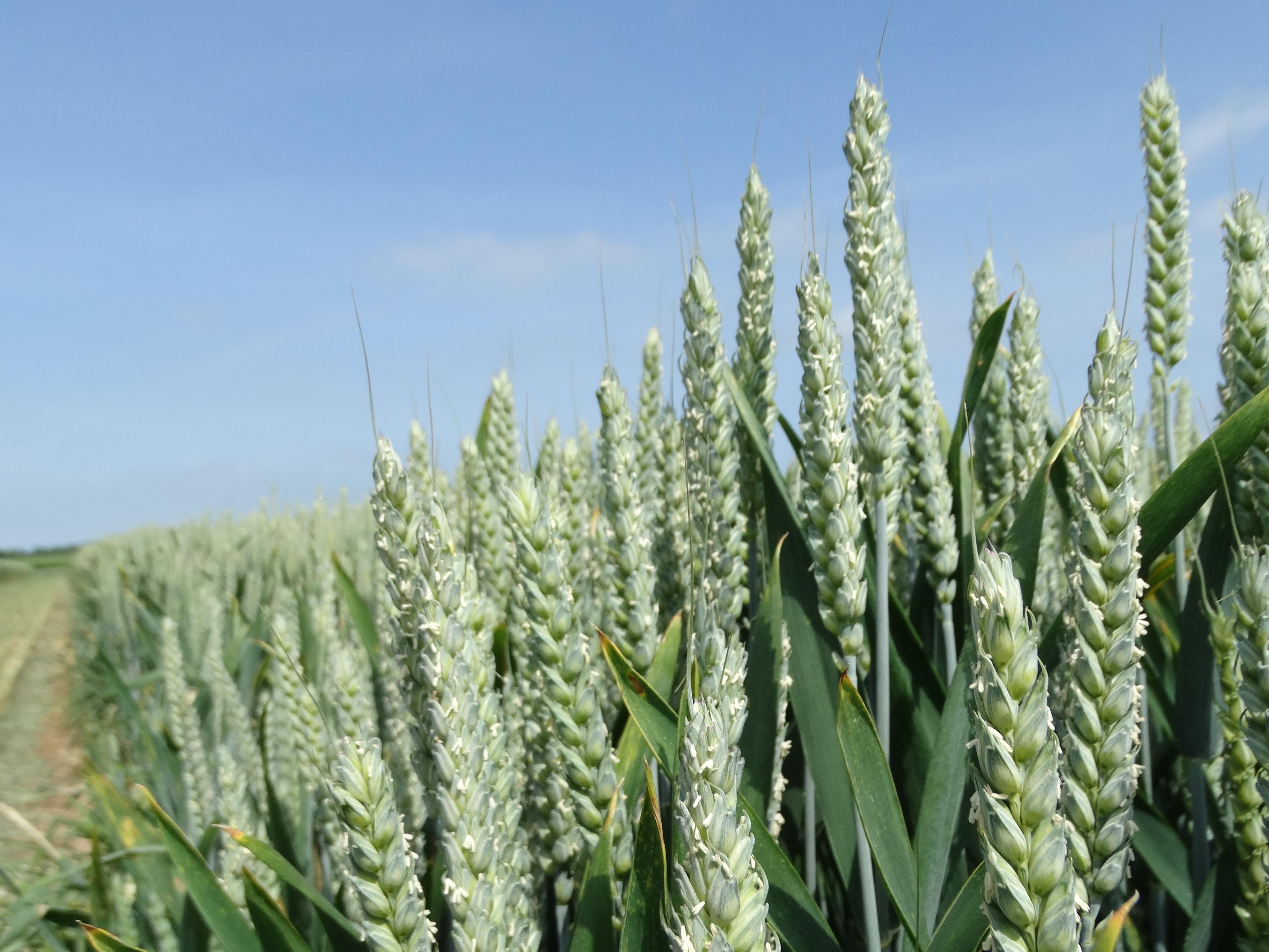
The focus is on understanding the physiological limitations to yield formation and the adaptations of plants to abiotic stresses such as drought. An aim is to identify superior germplasm and trait combinations under field conditions using advanced phenotyping techniques. The current research emphasis is on wheat, although past work involved maize, oats, sugar beet and tropical legumes. New information and tools are needed to increase the sustainable production of food and the effective use of water and nutrients such as nitrogen.

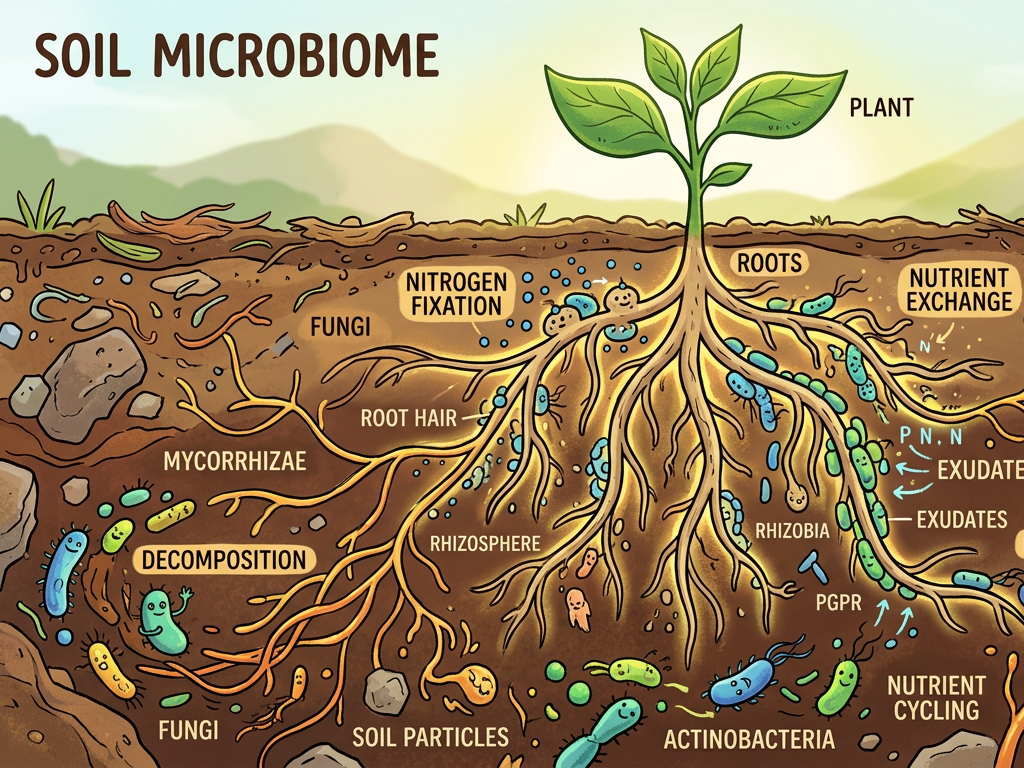
One key research area is understanding the genetic control of root system architecture, and how to select root systems optimized to the target environment. A related topic is how to exploit and improve the beneficial interactions between crop plants and the rhizosphere microbiome using a combination of physiology, HT phenotyping, genetics and microbial metagenomics. Work is also underway developing a research platform to evaluate novel and enhanced efficiency fertilisers.

Research is initiated in response to issues facing the agriculture industry, and most work is done in close collaboration with commercial plant breeders and farmers.

Earlier work involved studying the role of drought-induced abscisic acid (ABA) in regulating maize endosperm development and cell division, kernel growth, and genes for carbohydrate metabolism and storage proteins.

Further studies were on the role of ABA in regulating maize root growth maintenance, osmotic adjustment, and signalling changes in rhizosphere water availability at the cell membrane level. Root tissue O2 relations were also studied by inventing an O2 microsensor. Expertise is in the areas of crop physiology, field phenotyping, plant water relations, regulation of growth and grain development during water deficit, and hormonal regulation of root growth and osmotic adjustment.
 

Research Projects

IWYP2: Rooty-A root ideotype toolbox to support improved wheat yields: Duration: Nov 2018- Oct 2021; Partners: NIAB (lead), CIMMYT, Forschungszentrum Jülich, John Innes Centre, Justus Liebig University Giessen, University of Bologna, University of Queensland; Funding: BBSRC/IWYP/DFID (BB/S012826/1)

BioLaser: Establishing a High-Resolution Laser Ablation Tomography Platform for UK Bioimaging Research: Duration: Nov 2017- Oct 2019; Partners: NIAB (lead), University of Cambridge-Institute for Manufacturing; Funding: BBSRC (BB/P027458/1).

Extending Knowledge Of Increased Corn Crop Productivity To Farmers: Duration: August 2017-July 2020; Partners: University of Cambridge (lead), NIAB, Punjab Agricultural UniversityFieldFresh; Funding: Bharti Foundation through FieldFresh Foods Private Limited

PHOTOWHEAT: Exploiting variation in stomatal dynamics and ear photosynthesis to optimise wheat productivity: Duration: 1/9/16 to 31/8/19; Partners: NIAB, University of Essex, BASF; Funding: BBSRC (BB/N01698X/1)

SoilCards: Duration: 1/9/17 to 31/3/20; Partners: NIAB, Science Practice Ltd, Kenya Agriculture and Livestock Research Organisation (KALRO); Funding: Cambridge-Africa Alborada Research Fund

WHEALBI: WHEAT and barley Legacy for Breeding Improvement: Duration: 1/1/14 to 31/12/18; Partners: NIAB, multiple partners; Funding: EU FP7 (613556)

Optimising oat yield and quality to deliver sustainable production and economic impact (Opti-Oat): Duration: 15/3/15 to 28/2/19; Partners: PepsiCo (lead), Environment Systems, Ltd., NIAB, ADAS, Aberystwyth University, James Hutton Institute; Funding:  BBSRC/Innovate UK (BB/M027368/1)

GplusE: Genomic selection and Environment modelling for next generation wheat breeding: Duration: 15/1/15 to 25/1/18; Partners: NIAB, Roslin Institute, KWS UK, RAGT Seeds, Limagrain, Elsoms Seeds; Funding: BBSRC (BB/L022141/1)

Full publication list on Google Scholar, ORCID, Scopus, ResearchGate

Eric on LinkedIn