Genomic Pattern Recognition in DUS testing for Barley

To be marketed and/or awarded Plant Breeders Rights (PBR) in the UK, all agricultural varieties must pass DUS (Distinctness, Uniformity and Stability) testing. This ensures that new varieties are unique, with distinctness determined by visually comparing candidate varieties against other varieties in common knowledge (the ‘variety collection’).

In this Defra-funded project we are exploring ways to accelerate variety registration using genomic prediction approaches. Working on barley, we are refining and optimising our machine learning prediction models, focussed on prediction of individual barley DUS characteristics (phenotypes), to facilitate earlier selection of similar varieties from the variety collection for field distinctness assessments. Predictions models are being tested in parallel to current DUS testing procedures, with consideration of logistical and technological challenges for future implementation. Software for user-implementation of the finalised models is also being developed to support the use of the analysis pipeline by DUS testing centres.

Duration

September 2025-March 2028

Funder


Research project tags
Image
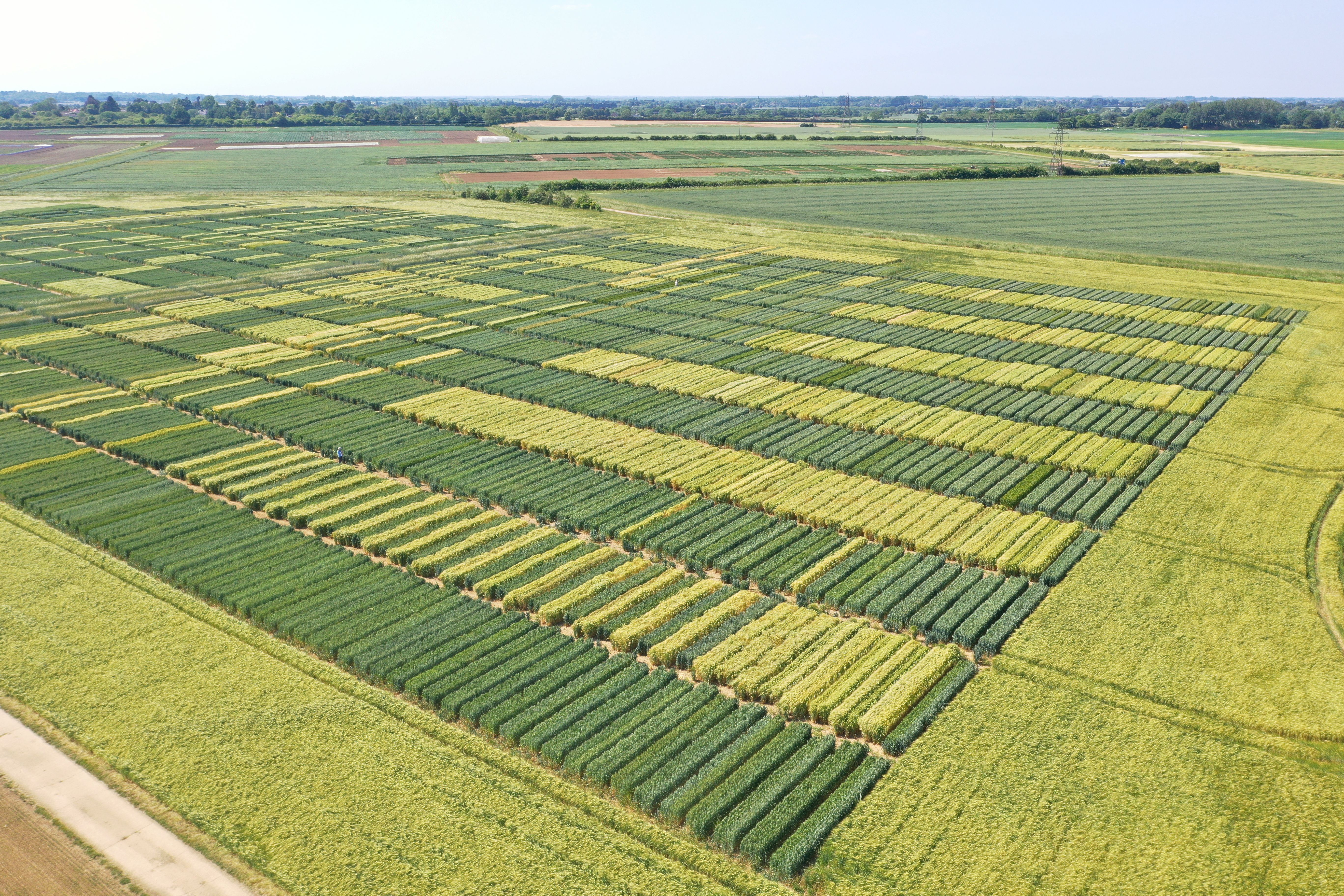
Aerial view of DUS plots at Niab
Status

Fungicide performance in wheat, barley and oilseed rape

Disease management in wheat, barley and oilseed rape never stands still. On top of variation in seasonal disease pressures, pathogen populations continue to evolve, which can impact fungicide efficacy (due to resistance/insensitivity) and varietal disease resistance. Fungicide active ingredients and products continue to be withdrawn from and introduced to the market. As a result, there is a continued need for robust, independent information on the efficacy of established and new fungicides.

The AHDB Fungicide Performance project forms part of a long-running trial series, with the first fitted fungicide-efficacy curves produced for winter wheat in 1996. The trial series for barley started in 2002 and the oilseed rape series began in 2006. The current project format was introduced in 2015, when all trial series were combined in a single programme.

Results are relevant to commercial use and simple to interpret for levy payers. Agronomists also play a crucial role to turn efficacy data into practical field recommendations that maximise crop margins and minimise the development of fungicide resistance.

Partners

ADAS (lead), Niab, SRUC and Harper Adams University

Funder

AHDB

Duration

June 2025-July 2028 

Activities

  • Charts – referred to as ‘dose-response curves’ – that show the relative efficacy of fungicides against the target diseases at a range of doses (impact on disease control and yield).
  • Contributes to a long-term information resource, which enables the monitoring of performance trends of products and active ingredients (to track shifts in pathogen sensitivity to fungicides).
  • Aims to deliver information to levy payers in time for the first season of commercial use of new fungicides.

Resources

The latest data, as well as historic data for other diseases (e.g. barley powdery mildew and oilseed rape sclerotinia), is available via the AHDB Fungicide Performance webpage.

Image
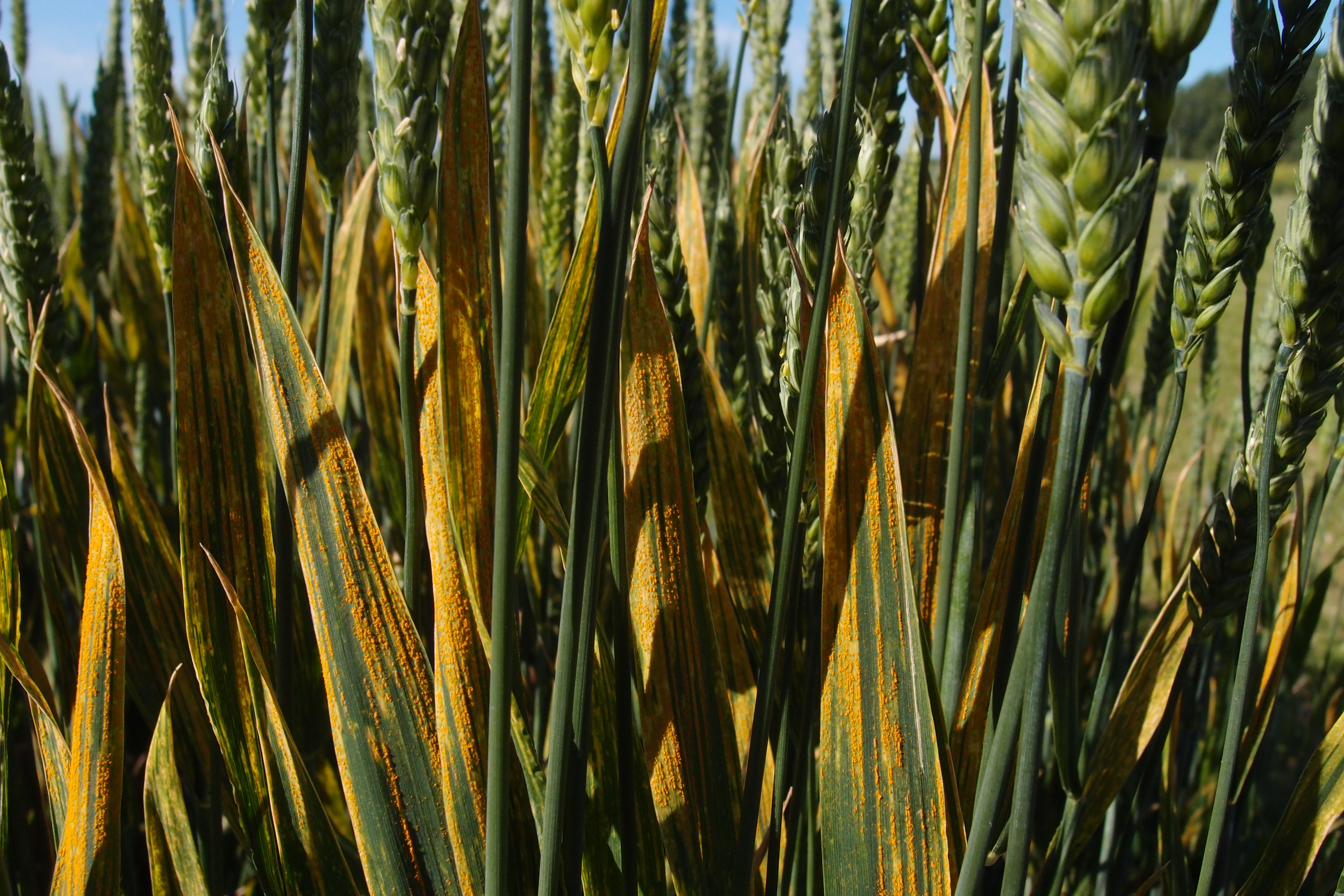
Yellow rust in wheat
Status

AEGIS: Ancient Environmental Genomics Initiative for Sustainability

Nature has already run millions of evolutionary “experiments.” By analysing ancient environmental DNA, AEGIS will identify lost genetic traits, ancestral diversity and beneficial species interactions that helped plants survive past stress episodes.
Led by University of Copenhagen, AEGIS will:

  • Reconstruct past ecosystems. By reading ancient environmental DNA alongside climate and archaeological records, AEGIS reveals how ecosystems shifted through periods of climate change and human land use.
  • Trace the evolution of agriculture. The project uncovers how early farming practices and domesticated crops responded to environmental pressures, showing how cultivation systems and plant genomes have changed through thousands of years.
  • Discover natural resilience. By comparing ancient and modern genomes, AEGIS pinpoints genetic adaptations and beneficial interactions - for example, between plants, soils, and microbes - that historically supported stress tolerance and productivity.
  • Translate insights into new solutions. These discoveries provide a foundation for developing climate-smart crops, sustainable land management strategies, and farming systems that strengthen biodiversity while reducing dependency on fertilisers and pesticides.

AEGIS website

Duration

2024-2031

Lead Partner

Other partners

Carlsberg Research Laboratory, EMBL-EBI, Institut Pasteur, Seoul National University, University of Aarhus, University of Bremen, University of California, University of Cambridge, University of Colorado Boulder, University of Zurich, Wageningen, Wellcome Sanger Institute.

Funders


Image
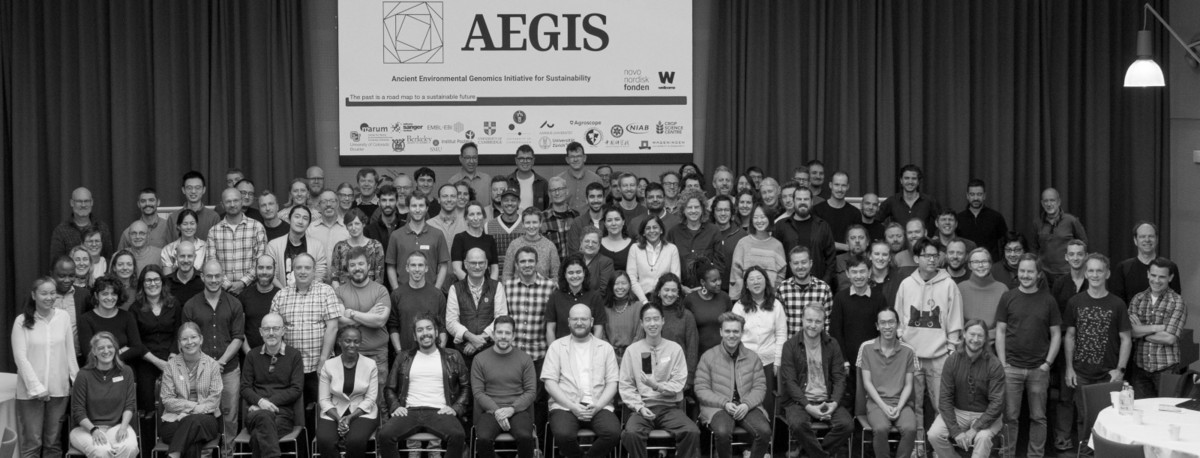
The AEGIS team at a conference
Status

Ensembl Plant Populations

Ensembl Plants contains high-quality annotated reference genome assemblies for >100 model and crop species. Numerous plant genetic resources have been generated to capture and exploit genetic diversity, e.g. association mapping/diversity panels, many of which now come with founder genome assemblies and progeny variant datasets. However significant user bioinformatic, genetic and statistical expertise is required to analyse these genetic resources and interpret results in the context of the genes, genetic variants and appropriate reference genomes.

We will establish the 'Ensembl Plant Populations' platform - a web-tool containing existing population-based sequence and variant data, supporting users to run statistically sound genetic analyses. We focus on seven plant/crop species of relevance to UK researchers: wheat, barley, rice, brassica, arabidopsis, tomato and oat. The tool will provide an integrated pipeline to undertake genetic analyses from start to finish, including: (i) investigation of predicted power to detect genetic loci, (ii) adjustable forward genetic analysis settings, (iii) interactive genome-wide view of results, and (iv) presentation of useful information linked to genes and variants.

News

Ensembl 2025

Improved access to plant genetic resources to drive crop innovation

Duration

2023-2026

Partner

Funder


Image
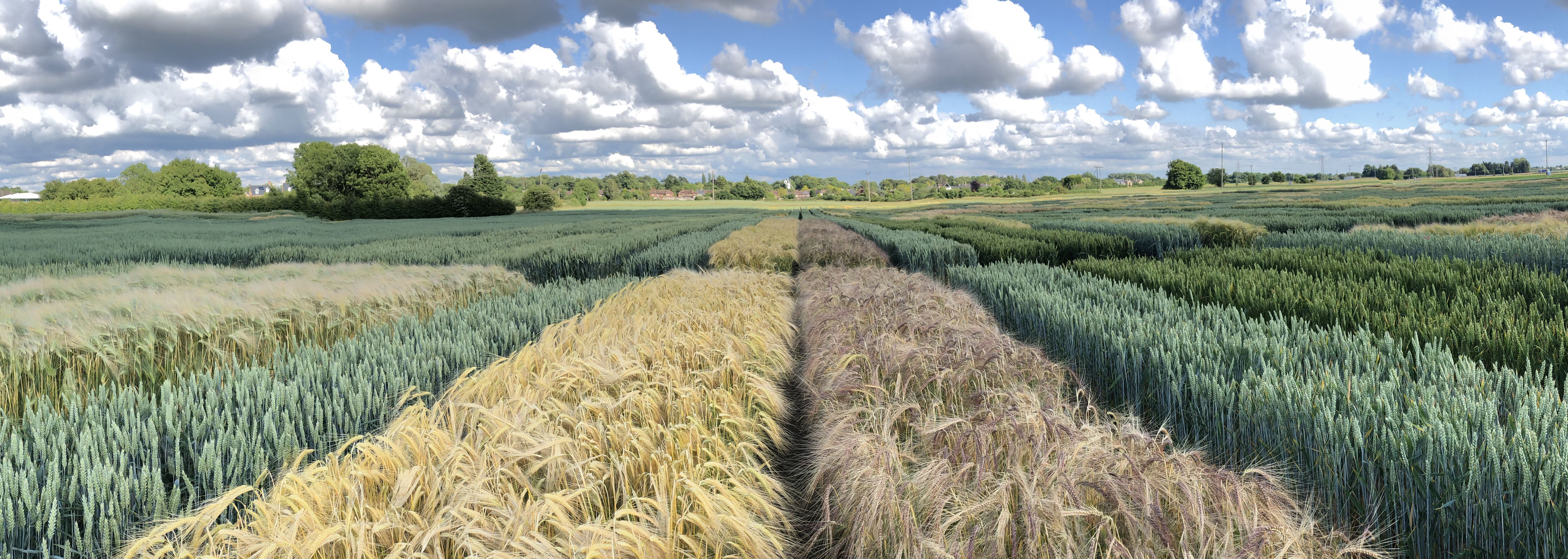
Wheat varieties growing in a field
Status

Facing Forwards - understanding epidermal development in cereals

Facing Forwards aims to understand and exploit variation in epidermal features to future-proof cereal crops to changing climates.

To achieve this, we need to define the genes and developmental mechanisms controlling epidermal properties and how these affect plant performance. 

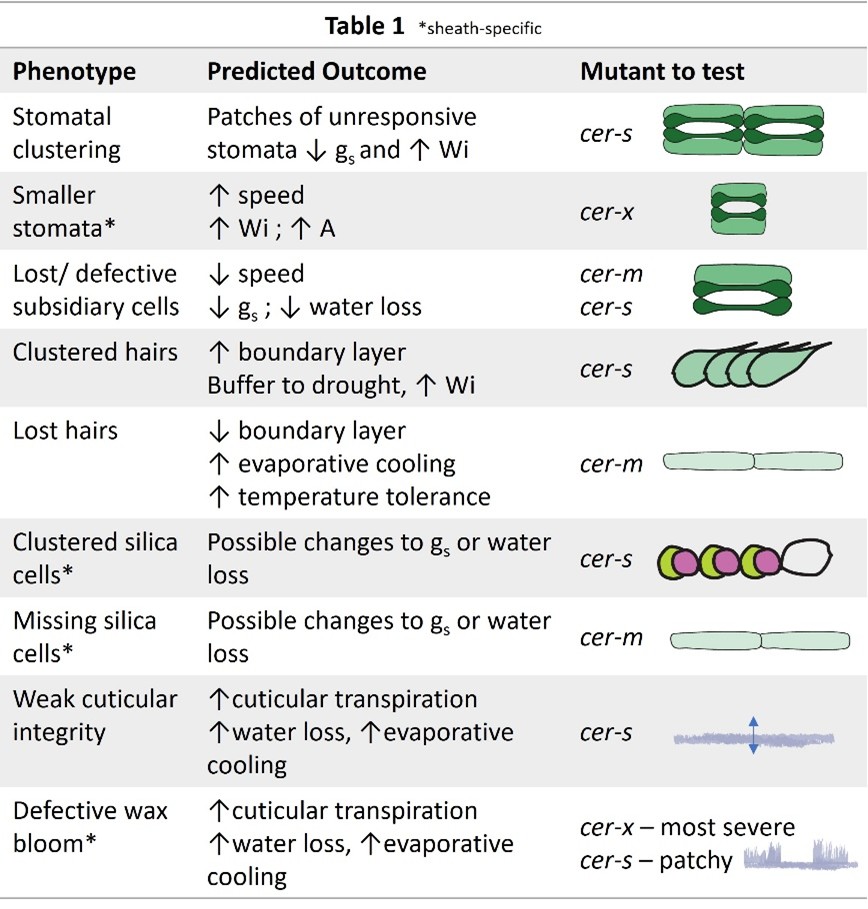
Focusing on barley and wheat, the project explores the coordinating genetic network controlling epidermal traits linked to plant performance. These genes promote cuticular wax deposition as well as formation and spacing of specialised epidermal cells (such as stomata, epidermal hairs and silica cells) which help plants cope with stressful environments.

The project uses fine-scale cuticular profiling and single cell transcriptomics to reconstruct pathways leading to different cell types and cuticular chemistries, alongside mutant alleles in genes known to control specific features. Further, the project also explores the impact of altered epidermal patterning on leaf physiology and function - including stomatal conductance and intrinsic water use efficiency. These approaches will assess spatial and temporal control of epidermal patterning and the physiological impact of trait variation to identify desirable traits and ideotypes for crop production in future climates.

A summary of the genes/genetic loci investigated in the project, and their predicted effect on plant physiology. Source: Sarah McKim, University of Dundee.

More information

Project timings

2024-2027

Partners


Funders


Image
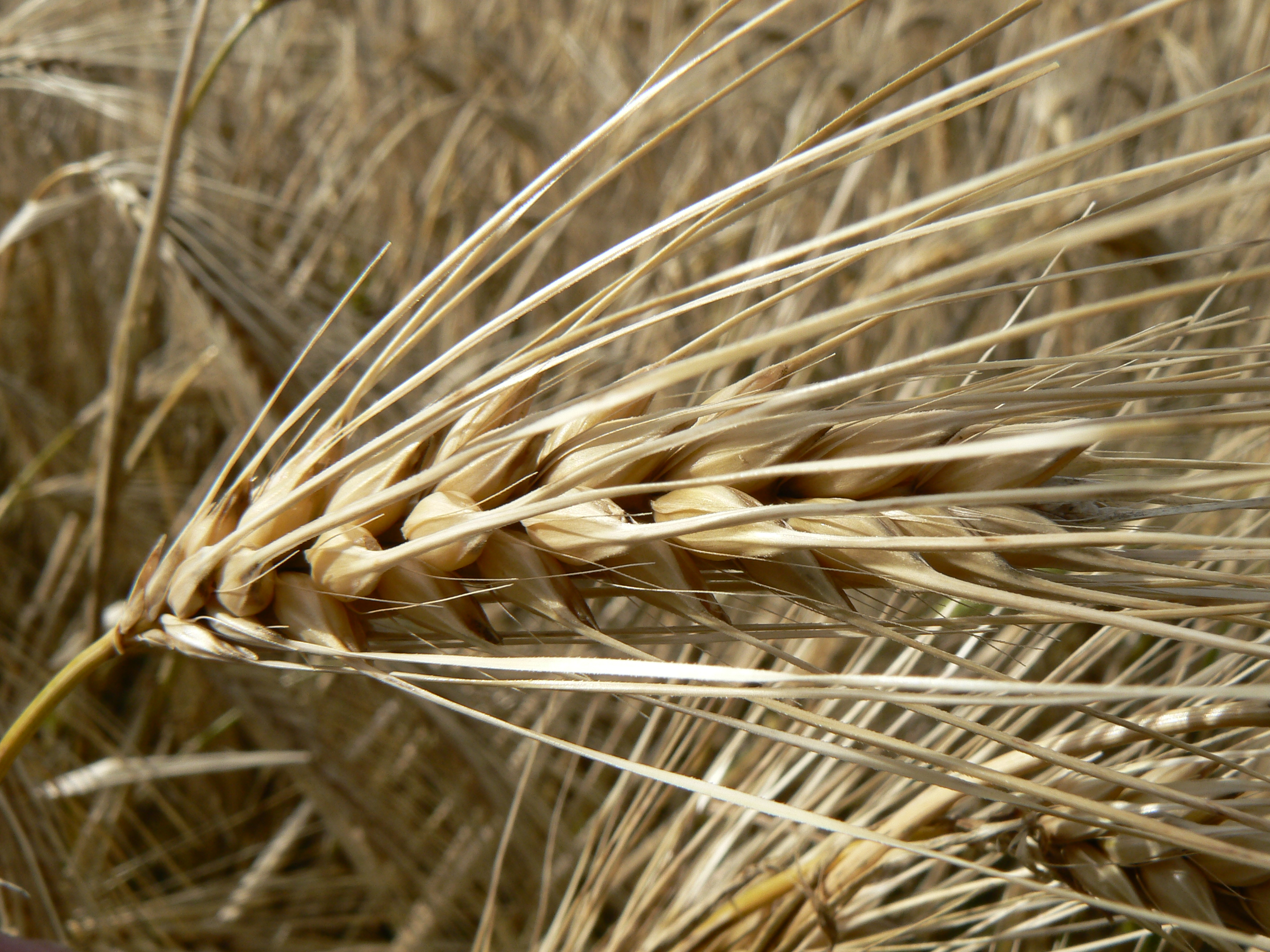
Barley
Status
Subscribe to Barley