AHDB Strategic Cereal Farm Midlands

AHDB Strategic Cereal Farms aim to putting cutting-edge research and innovation into practice on commerical farms. Each farm hosts field-scale demonstrations, with experiences shared with the wider farming community. Niab has partnered with AHDB to deliver the new Strategic Cereal Farm Midlands. Will Oliver hosts Strategic Cereal Farm Midlands. The farm is keen to invetsigate how to optimise inputs, whilst maintaining yield and improving rotational management.

Niab's Farming Systems and Pathology teams have collaborated to deliver three inital workpackages:

  1. Management of maize residue for establishment and disease risks of a following winter wheat crop in a direct drill system
  2. Optimising organic amendments in nutrient management planning for winter wheat
  3. Testing novel technologies to improve disease and nitrogen management in winter wheat (in collaboration with SporeSense, a technology company that uses AI biosensors to aid early disease detection)

Partners



Funders

Duration

2025-2031

More information on the project website

Image
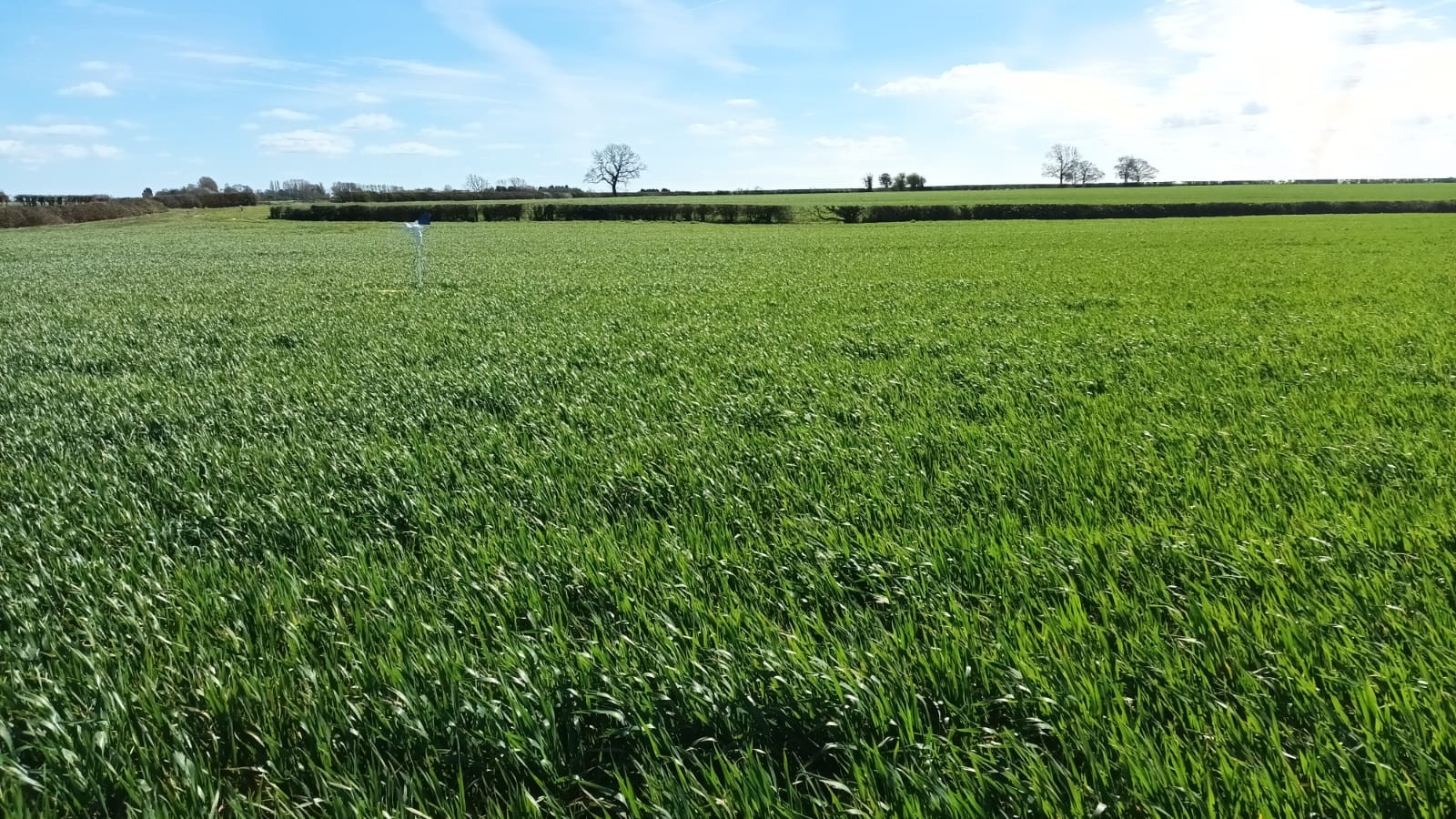
AHDB Strategic Farm Midlands
Status

Testing the performance of biofungicides (winter wheat pilot trials)

Niab, in partnership with SRUC and ADAS, is delivering a two‑year AHDB‑funded pilot project to evaluate the performance of biofungicides against Septoria tritici in winter wheat.

As interest grows in biological alternatives to conventional fungicides, these trials provide independent, field‑scale evidence for levy payers on how biofungicides perform under commercial conditions and how they can complement existing programmes.

Trials are being run across three sites (Midlothian (SRUC), Herefordshire (ADAS) and Hampshire (Niab) using a single, standardised protocol followed by all partners. Each site includes two replicated trials: one trial using a septoria‑susceptible variety and one using a moderately resistant variety.

Seven biofungicides are being assessed, applied either alone or alongside a half‑rate fungicide programme to determine whether biologicals can enhance disease control or support reduced fungicide inputs. All products are foliar applied during the normal spray window, following manufacturer recommendations.
Initial findings will be shared at the AHDB Agronomy Conference in December 2026, with the full dataset available at the end of the project.

Partners


Funders


Duration

August 2025-December 2027

Latest news

Crop Production Magazine - March 2026: Theory To Field: Putting nature to the test

More information

Project website

Image
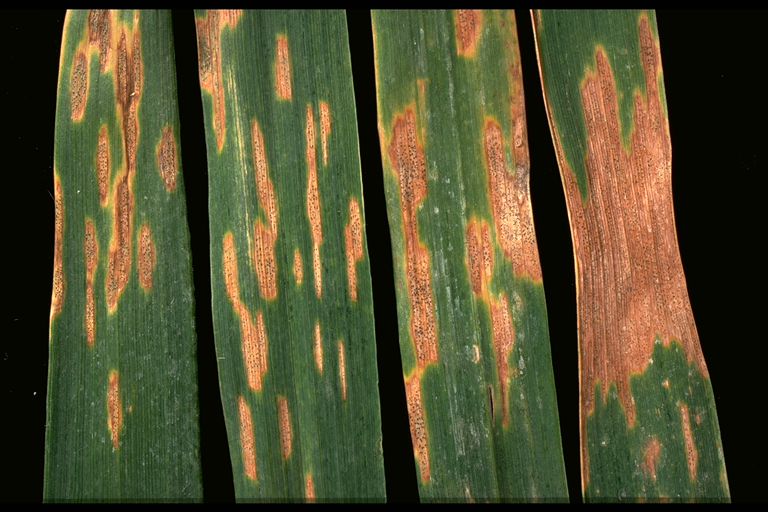
Septoria on crop leaves
Status

Fungicide performance in wheat, barley and oilseed rape

Disease management in wheat, barley and oilseed rape never stands still. On top of variation in seasonal disease pressures, pathogen populations continue to evolve, which can impact fungicide efficacy (due to resistance/insensitivity) and varietal disease resistance. Fungicide active ingredients and products continue to be withdrawn from and introduced to the market. As a result, there is a continued need for robust, independent information on the efficacy of established and new fungicides.

The AHDB Fungicide Performance project forms part of a long-running trial series, with the first fitted fungicide-efficacy curves produced for winter wheat in 1996. The trial series for barley started in 2002 and the oilseed rape series began in 2006. The current project format was introduced in 2015, when all trial series were combined in a single programme.

Results are relevant to commercial use and simple to interpret for levy payers. Agronomists also play a crucial role to turn efficacy data into practical field recommendations that maximise crop margins and minimise the development of fungicide resistance.

Partners

ADAS (lead), Niab, SRUC and Harper Adams University

Funder

AHDB

Duration

June 2025-July 2028 

Activities

  • Charts – referred to as ‘dose-response curves’ – that show the relative efficacy of fungicides against the target diseases at a range of doses (impact on disease control and yield).
  • Contributes to a long-term information resource, which enables the monitoring of performance trends of products and active ingredients (to track shifts in pathogen sensitivity to fungicides).
  • Aims to deliver information to levy payers in time for the first season of commercial use of new fungicides.

Resources

The latest data, as well as historic data for other diseases (e.g. barley powdery mildew and oilseed rape sclerotinia), is available via the AHDB Fungicide Performance webpage.

Image
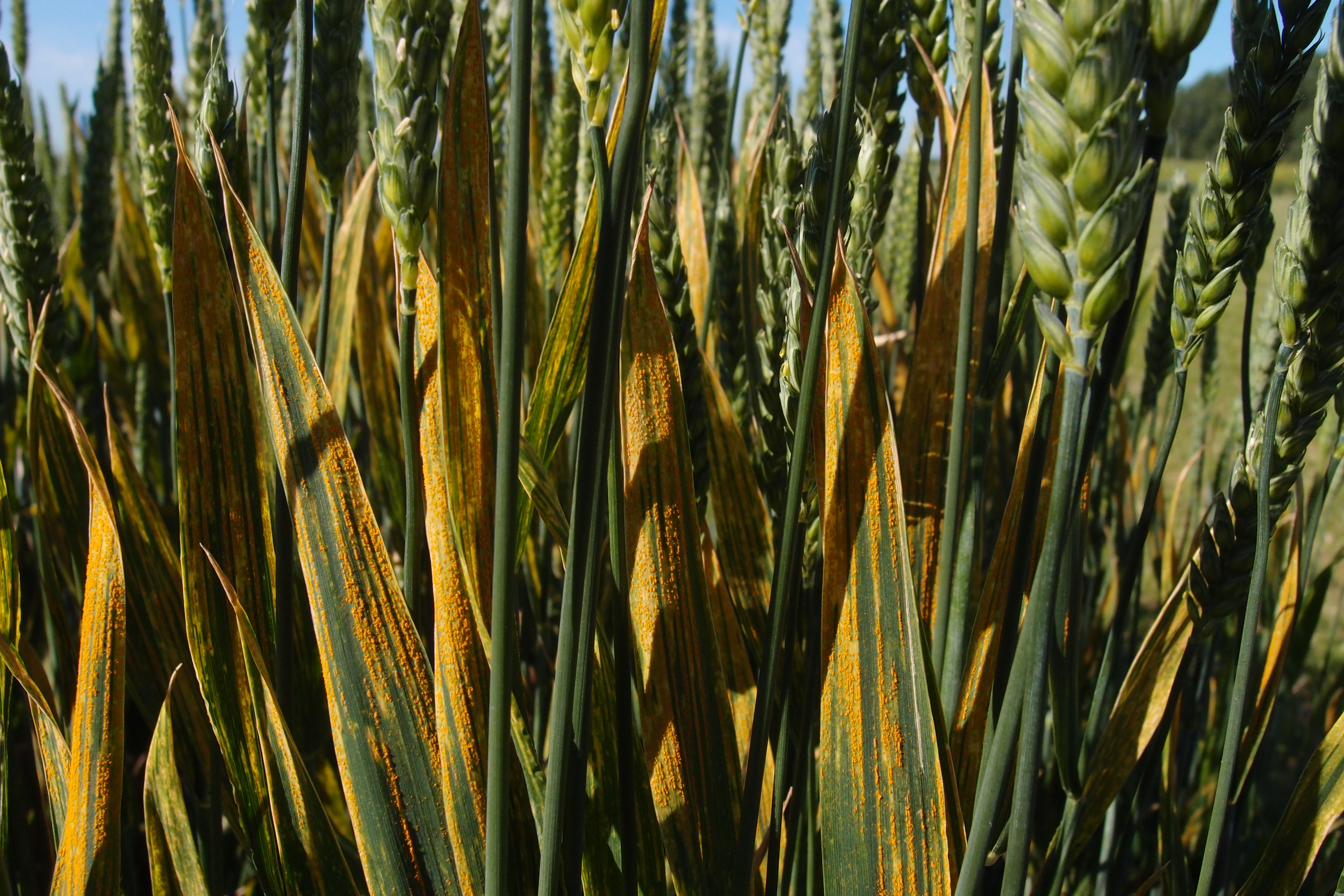
Yellow rust in wheat
Status

POME: Precision Orchard Management for Environment

POME is a multidisciplinary, four-year project that will enable a step-change in the way orchards are managed.

By utilising and developing a suite of cutting-edge technologies each tree in an orchard will be analysed in fine detail, allowing crop management inputs to be targeted in a way that has never been seen before in UK orchards.

Production efficiency and yield will increase whilst minimising inputs, benefiting growers, consumers, and the wider environment.

Led by the crop advisory company Hutchinsons and involving many other commercial and academic partners, including Niab, the POME project is co-funded by Innovate UK, DEFRA and the commercial partners involved in the project.

Partners

The project is led by HL Hutchinsons Ltd, with the other partners including: engineers N. P. Seymour, GNSS and software developer The Acclaimed Software Company, marketing desk Avalon Fresh, aerial imaging and data analytics company Outfield, robotics developer Antobot, remote sensing specialists Fotenix, agri-economics from the University of Kent, robotics and automation expertise from Loughborough University, Niab, and the Chemicals Regulation Directorate (CRD). There are several growers involved, including A.C. Hulme, and Plumford Farm.

Hutchinsons logoNPS Logo

The Acclaimed Software Company Logo


Avalon Fresh logoOutfield logoUniversity of Kent

Antobot logo


Fotenix logo

Loughborough University

Niab logo


ACH Farming


Funders

IInnovate UK logo

Defra logo


Project duration

November 2023 to October 2027

Image
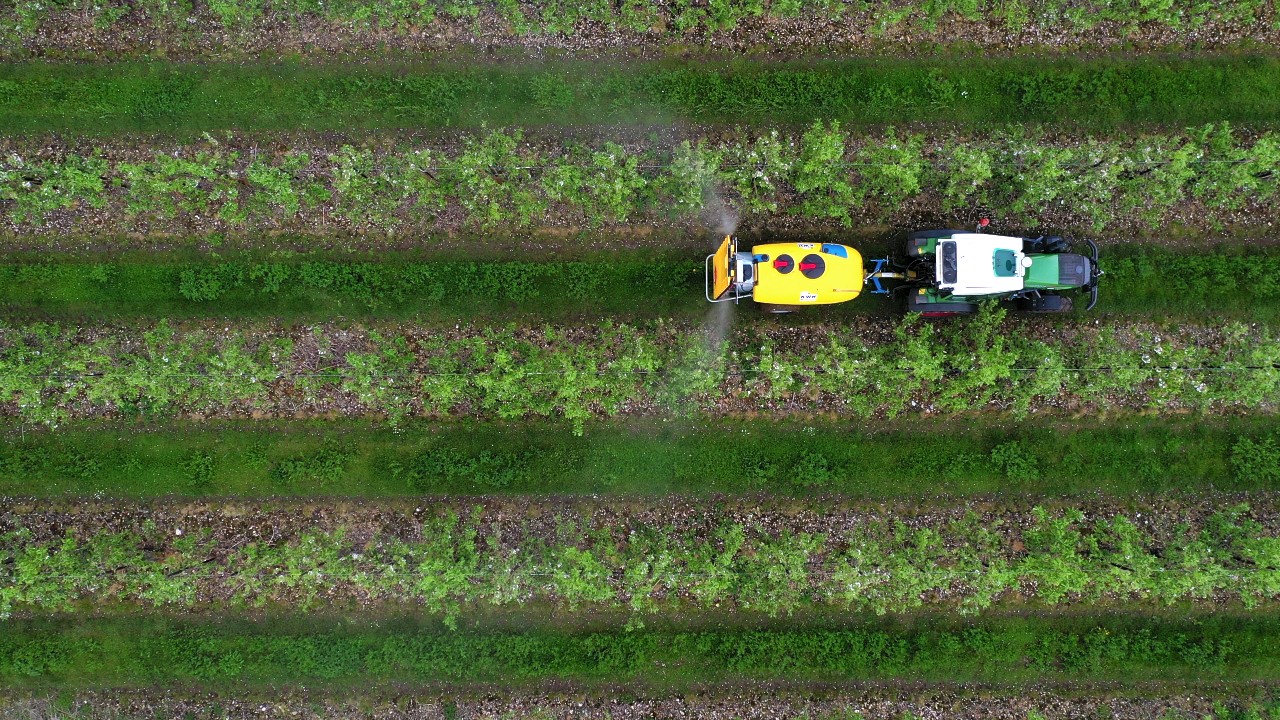
Aerial shot of a tractor spraying in orchard
Status

Rustwatch

The European Union project RustWatch ran from 2017 to 2022 and involved 24 partner organisations. Niab led one of the five work packages, joining organisations from 12 European countries plus Pakistan, thus consolidating the cereal rust research community and relevant stakeholders across Europe.

The main aim of the project was to seek solutions to challenges posed by wheat yellow (stripe), brown (leaf), and black (stem) rust diseases. Niab is still supporting Europe-wide wheat rust surveillance as part of a new EU research programme IPMorama, data from which will feed into the UKCPVS and vice versa.

The cereal rust landscape within Europe is constantly changing and it is essential for Niab to maintain close links with the European cereal rusts research community. In 2016 Europe experienced the most severe epidemics of wheat stem rust for more than 50 years. In 2017 unusual and severe epidemics of yellow rust were observed on several continents, with the pre-existing populations of wheat yellow rust in Europe having been replaced by invasive races of non-European origin on more than one occasion.

Outputs

RustWatch explored the drivers shaping the European wheat rust populations,  and assessed their impact on agricultural productivity in the context of IPM Directive 2009/128/EC.

Outputs included:

  • A European wheat rust network including all stakeholders
  • Shared facilities and procedures for early-warning and risk assessment
  • A better understanding of drivers for spread and establishment of new races
  • New IPM-based strategies for disease prevention and control
  • Input to EU plant health policy for non-regulated invasive pathogens

The project was coordinated by Prof Mogens S. Hovmøller of Aarhus University (AU), Department of Agroecology, who also is head of the Global Rust Reference Center hosted by AU.

Download NIAB's 2019 event posters summarising the RustWatch project - NIAB Poster 1 and NIAB Poster 2

Papers with Niab staff as co-authors

Rustwatch videos produced by Niab:

Winter wheat variety trials and RustWatch

Yellow rust and RustWatch

Keep up to date with changes in the race structure and genetic groups of yellow rust populations across Europe, Africa, Asia and South America: Yellow Rust Toolbox-Maps and Charts

Image
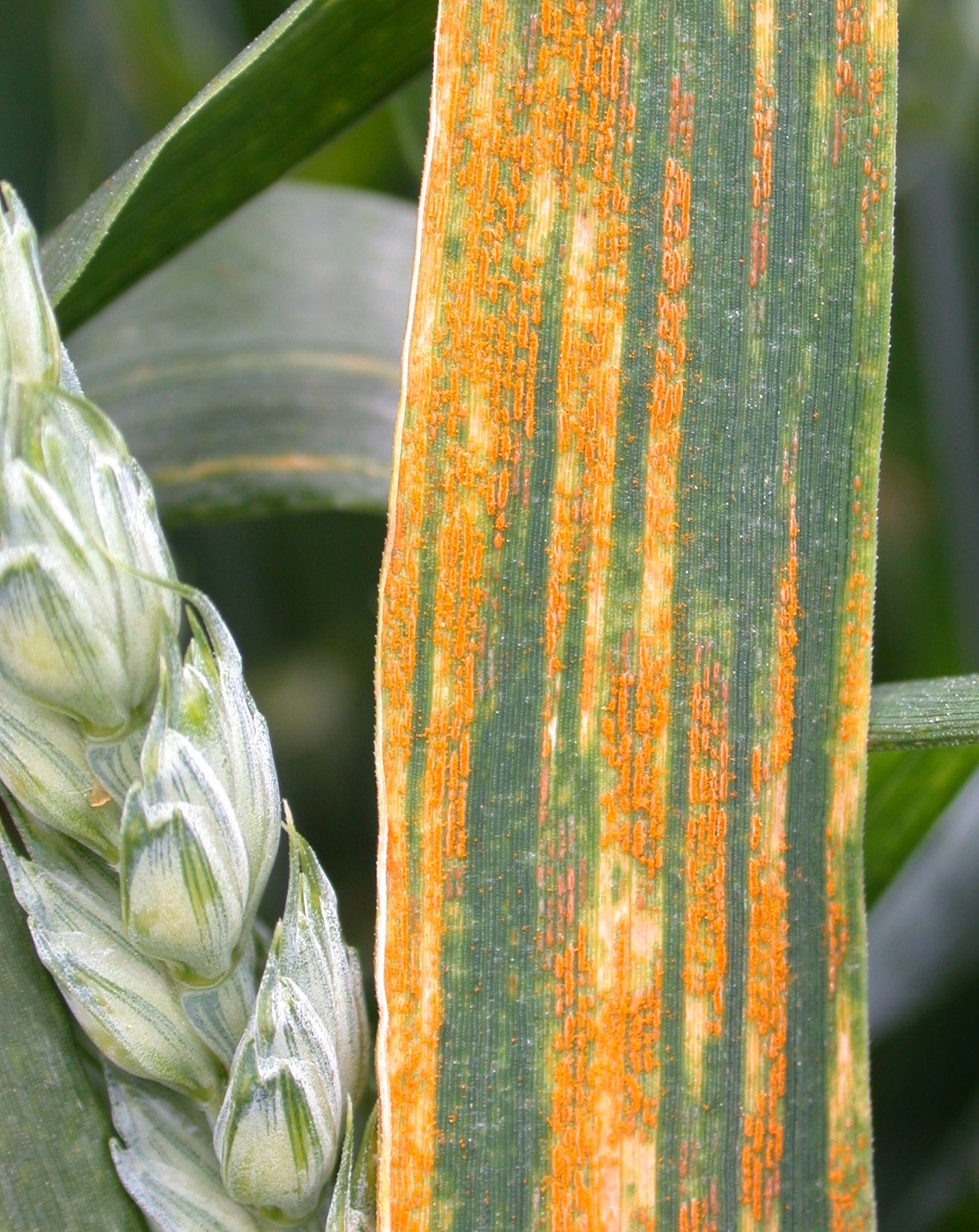
Yellow rust on a wheat leaf
Status

The Sentinel Crop Disease Surveillance Network

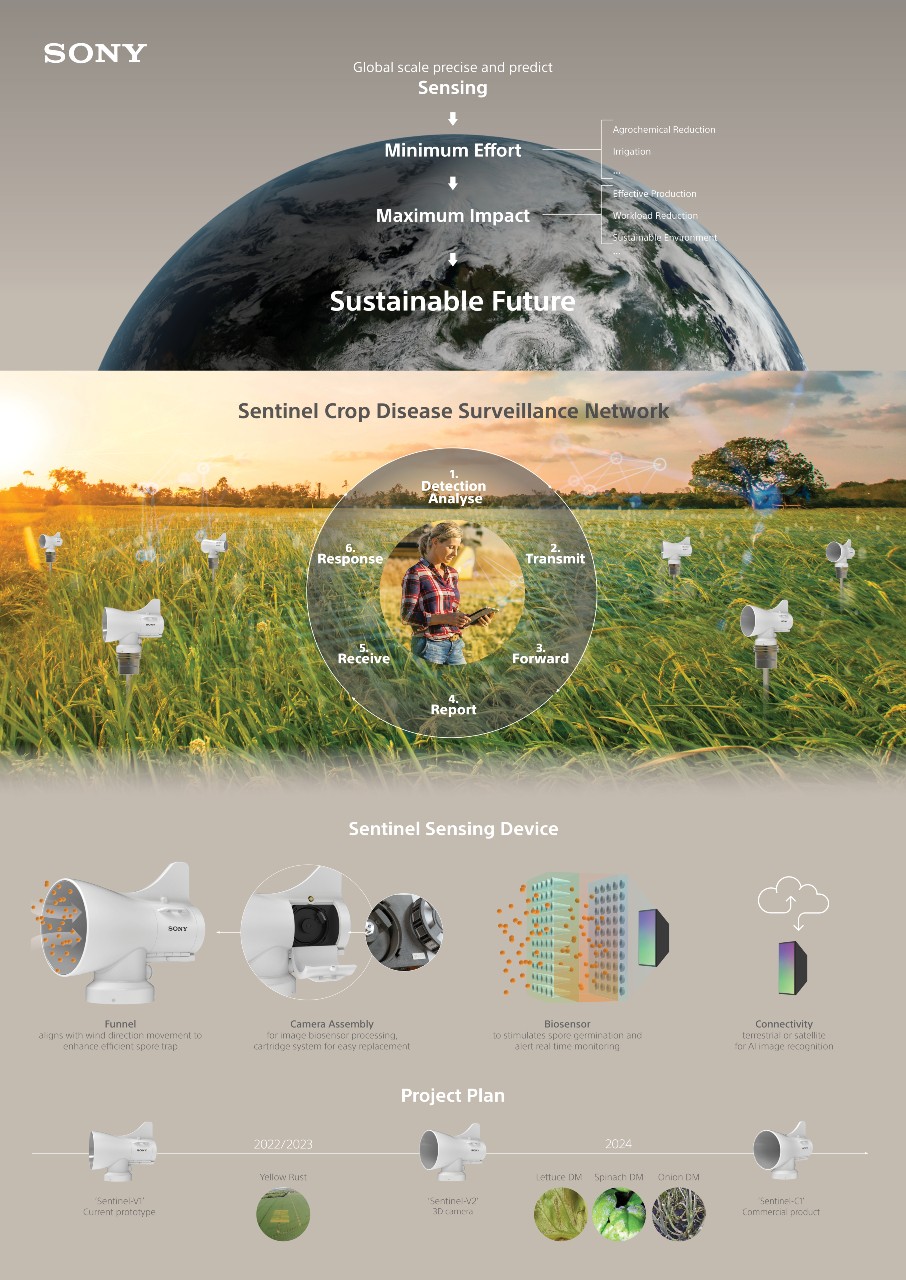
The data from each sensor provides an early warning of the presence of a pathogen which is turned into a recommended management plan for the farmer/grower. Each device comprises a biosensor that stimulates the targeted pathogen spore to germinate, a smart camera to detect that growth, a set of environmental sensors and a wireless communication module all housed in a weatherproof, robust housing.

Expected outcomes

The project aims to target three different pathogens - yellow rust, brown rust and downy mildew both in the UK and abroad.

Sony is building on its expertise in low-cost electronics and imaging to develop innovative tools for the agritech sector. Detailed global market study for Sentinel has been completed to explore the industry landscape and field trials of the product are due to begin in March 2023.

Partners

Sony, Niab, One Nine Design Ltd, Rothamsted Research, University of Manchester, G’s Fresh Ltd, Omya Ltd

Funders

Innovate UK

Duration

2022-2025


Sentinel project poster


Research project tags
Image
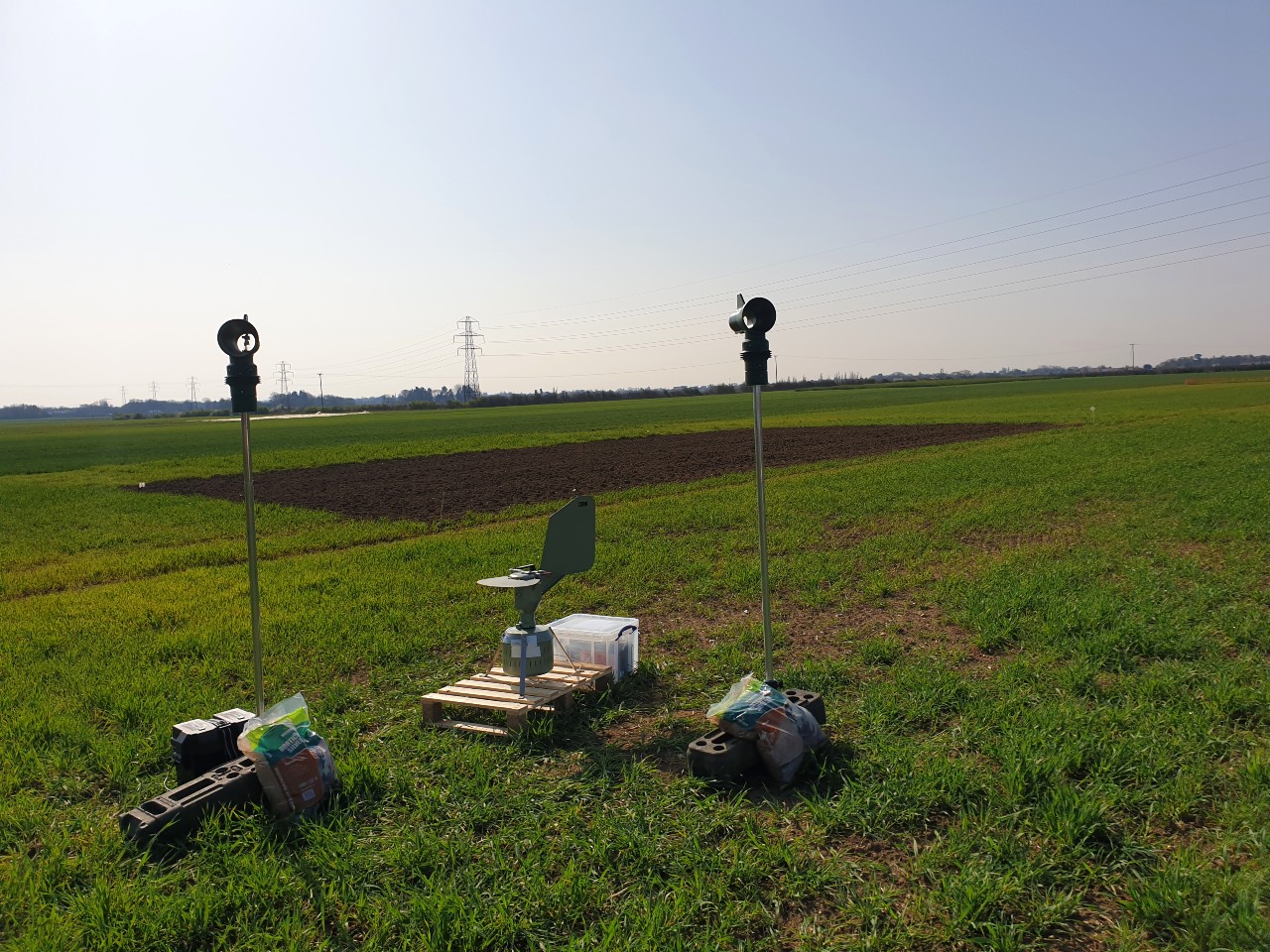
The Sony Sentinel project in use in a cereal crop field
Status
Subscribe to Crop protection