AHDB Strategic Cereal Farm Midlands

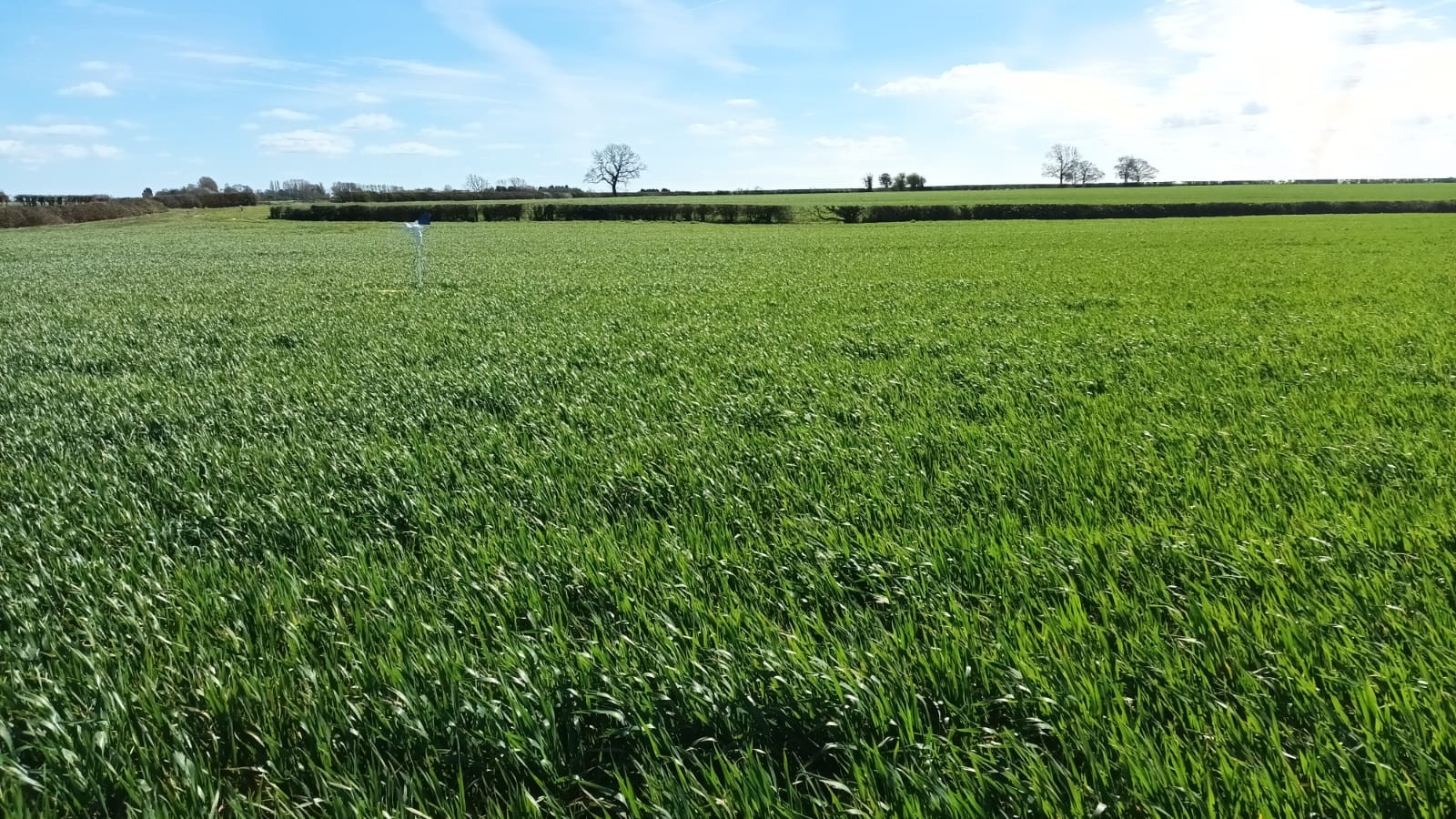
AHDB Strategic Cereal Farms aim to putting cutting-edge research and innovation into practice on commerical farms. Each farm hosts field-scale demonstrations, with experiences shared with the wider farming community. Niab has partnered with AHDB to deliver the new Strategic Cereal Farm Midlands. Will Oliver hosts Strategic Cereal Farm Midlands. The farm is keen to invetsigate how to optimise inputs, whilst maintaining yield and improving rotational management.

Niab's Farming Systems and Pathology teams have collaborated to deliver three inital workpackages:

  1. Management of maize residue for establishment and disease risks of a following winter wheat crop in a direct drill system
  2. Optimising organic amendments in nutrient management planning for winter wheat
  3. Testing novel technologies to improve disease and nitrogen management in winter wheat (in collaboration with SporeSense, a technology company that uses AI biosensors to aid early disease detection)

Partners


Funders


Duration

2025-2031

More information on the project website

Image
AHDB Strategic Farm Midlands
Status

Testing the performance of biofungicides (winter wheat pilot trials)

Niab, in partnership with SRUC and ADAS, is delivering a two‑year AHDB‑funded pilot project to evaluate the performance of biofungicides against Septoria tritici in winter wheat.

As interest grows in biological alternatives to conventional fungicides, these trials provide independent, field‑scale evidence for levy payers on how biofungicides perform under commercial conditions and how they can complement existing programmes.

Trials are being run across three sites (Midlothian (SRUC), Herefordshire (ADAS) and Hampshire (Niab) using a single, standardised protocol followed by all partners. Each site includes two replicated trials: one trial using a septoria‑susceptible variety and one using a moderately resistant variety.

Seven biofungicides are being assessed, applied either alone or alongside a half‑rate fungicide programme to determine whether biologicals can enhance disease control or support reduced fungicide inputs. All products are foliar applied during the normal spray window, following manufacturer recommendations.
Initial findings will be shared at the AHDB Agronomy Conference in December 2026, with the full dataset available at the end of the project.

Partners


Funders


Duration

August 2025-December 2027

Latest news

Crop Production Magazine - March 2026: Theory To Field: Putting nature to the test

More information

Project website

Image
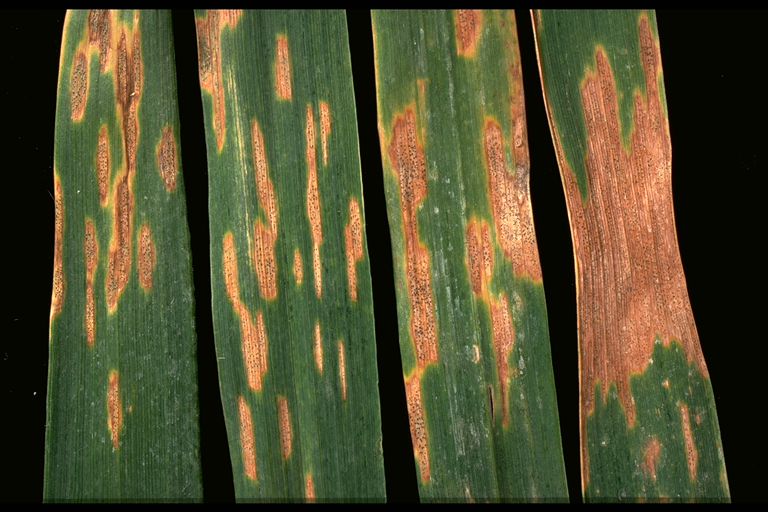
Septoria on crop leaves
Status

Fungicide performance in wheat, barley and oilseed rape

Disease management in wheat, barley and oilseed rape never stands still. On top of variation in seasonal disease pressures, pathogen populations continue to evolve, which can impact fungicide efficacy (due to resistance/insensitivity) and varietal disease resistance. Fungicide active ingredients and products continue to be withdrawn from and introduced to the market. As a result, there is a continued need for robust, independent information on the efficacy of established and new fungicides.

The AHDB Fungicide Performance project forms part of a long-running trial series, with the first fitted fungicide-efficacy curves produced for winter wheat in 1996. The trial series for barley started in 2002 and the oilseed rape series began in 2006. The current project format was introduced in 2015, when all trial series were combined in a single programme.

Results are relevant to commercial use and simple to interpret for levy payers. Agronomists also play a crucial role to turn efficacy data into practical field recommendations that maximise crop margins and minimise the development of fungicide resistance.

Partners

ADAS (lead), Niab, SRUC and Harper Adams University

Funder

AHDB

Duration

June 2025-July 2028 

Activities

  • Charts – referred to as ‘dose-response curves’ – that show the relative efficacy of fungicides against the target diseases at a range of doses (impact on disease control and yield).
  • Contributes to a long-term information resource, which enables the monitoring of performance trends of products and active ingredients (to track shifts in pathogen sensitivity to fungicides).
  • Aims to deliver information to levy payers in time for the first season of commercial use of new fungicides.

Resources

The latest data, as well as historic data for other diseases (e.g. barley powdery mildew and oilseed rape sclerotinia), is available via the AHDB Fungicide Performance webpage.

Image
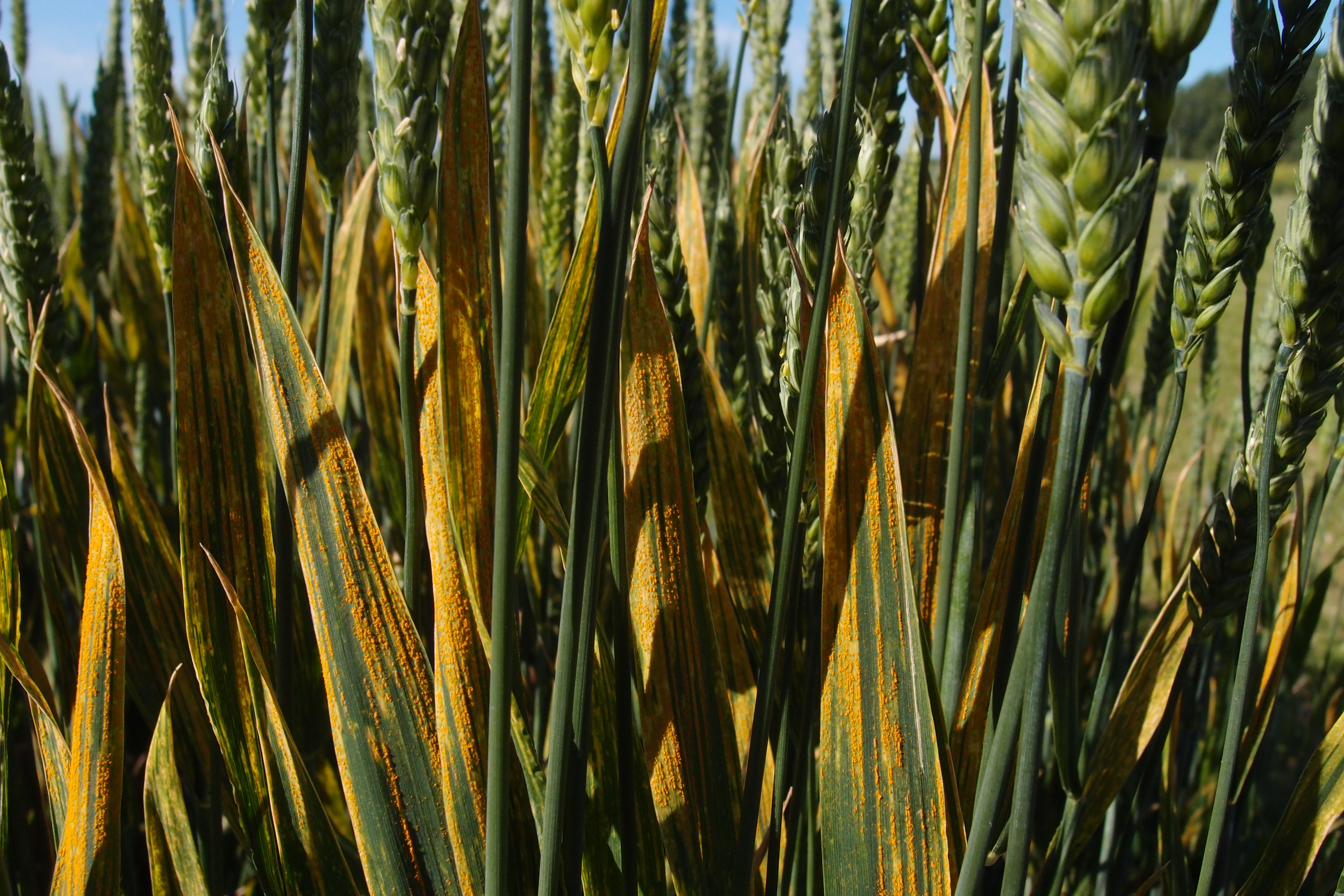
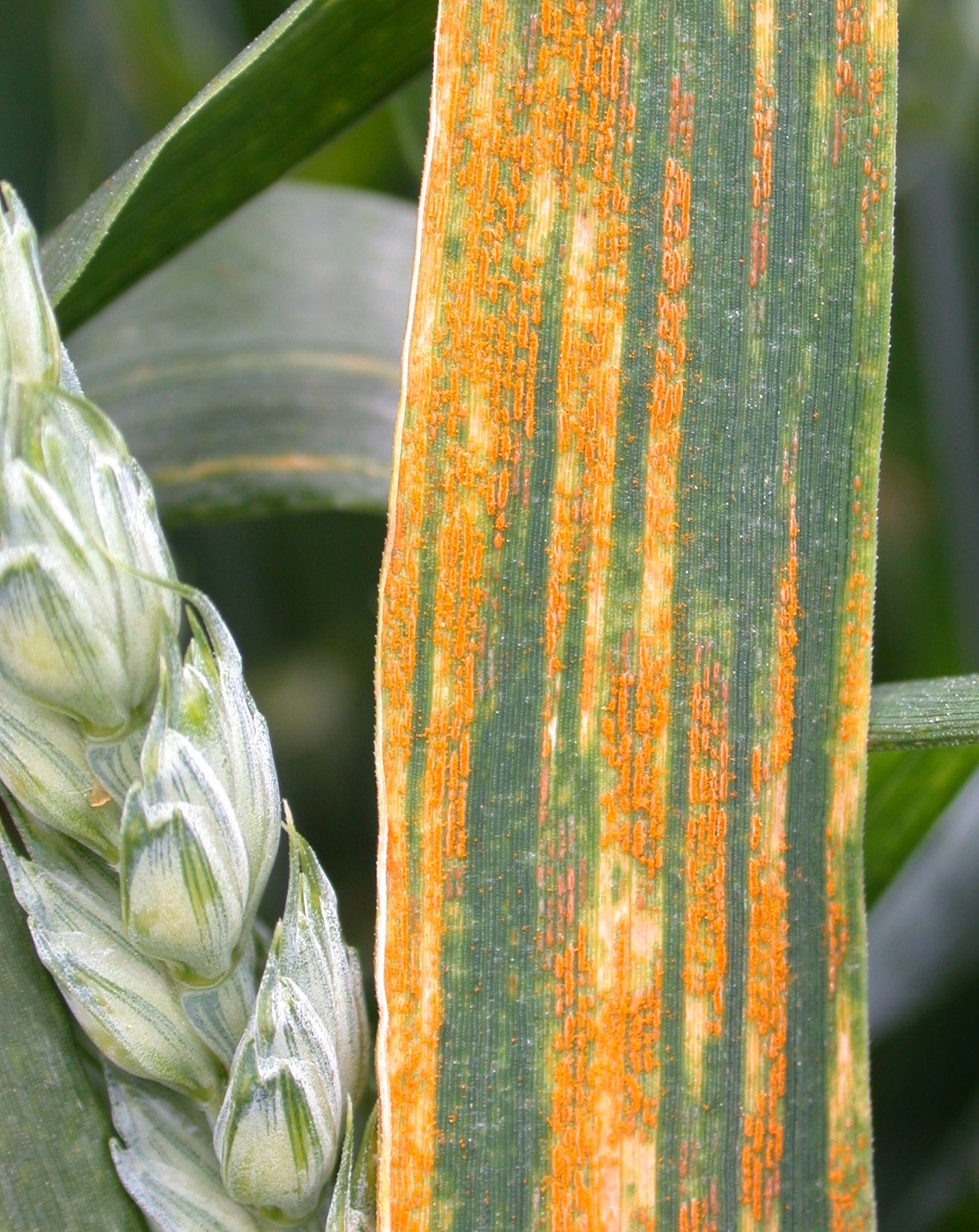
Yellow rust in wheat
Status

Biomass Connect

Biomass crops are non-food plants cultivated for the purposes of energy production. Sometimes referred to as energy crops, they have a high potential energy content or calorific value. This project compares how well different crops and varieties grow in regions across the UK and demonstrates innovations which have the potential to maximise their economic and environmental benefits.

Project website

The Biomass Innovation and Information Platform is a demonstration and knowledge sharing initiative to showcase best practice and innovations in land-based biomass feedstock production.

The project has four primary aims:

  1. Independent information - to provide robust, independent information on biomass feedstock performance, agronomy, economics and environmental benefits to landowners and land managers.
  2. Variations and efficacy - to de-risk new crop adoption by ensuring that geographic variations in the efficacy of biomass feedstocks and relevant innovations are fully evaluated and demonstrated to a broad range of stakeholders across the UK.
     
  3. Knowledge - to facilitate discussion and learning regarding the biomass sector by enabling the sharing of knowledge, experiences and case studies.
     
  4. Robust evidence - to contribute to agricultural, environmental and bioenergy policy development by contributing robust evidence and facilitating interactions between policy, academia and industry.

Through the platform, the project is building a UK-wide, cohesive, regionally based community who will contribute to the development, establishment and operation of the platform. Building this focal point for the industry will support the ambitious scaling up of both the bioenergy industry itself and the scale of planting which is required to align with the Committee on Climate Change’s modelling for net zero, which anticipates expanding from 10,000 ha to 730,000 ha by 2050.

Partners

This project involves researchers and industry partners from UKCEH, Rothamsted Research, Aberystwyth University, Scotland’s Rural College (SRUC), the Agri-Food and Biosciences Institute (AFBI), Crops for Energy, Newcastle University, Niab and Bio-Global Industries.

Funders

The Biomass Feedstocks Innovation Programme is a £36 million programme, funded through the Department for Business, Energy and Industrial Strategy’s £1 billion Net Zero Innovation Portfolio, which aims to accelerate the commercialisation of innovative clean energy technologies and processes through the 2020s and 2030s.

More information

For more on Niab's role in the project contact Joe Martlew or visit the Biomass Connect website

Research project tags
Image
Biomass Connect logo
Status

Exploiting novel wheat genotypes for regen ag

Funded by The Morley Agricultural Foundation (TMAF) and the JC Mann Trust, Niab is conducting multi-disciplinary research encompassing agronomy, genetics and molecular plant physiology to assess novel wheat genotypes in regenerative agriculture conditions.

Following a rotation based on winter wheat, trials will rotate across well-characterised experimental sites in East Anglia, with a known history of management. Fully replicated plot trials will evaluating the performance of new wheat genetic material (including resynthesised wheat (SHW) lines), under regenerative agricultural practices and lower nitrogen inputs.

The project ultimately aims to support growers and agronomists to produce high quantity and quality grains at low cost, and with limited environmental impact.

Take our survey

Niab is looking for farmers to share their experience of growing different wheat varieties in regenerative agriculture systems. Take our survey, so we can better understand which wheat varieties are widely cultivated and favoured by growers under these principles. Thank you for your support.

RESOURCES

Poster: Novel wheat genotypes for regen-ag (2025)

VIDEO

Video: Nitrogen utilisation in winter wheat under a regen ag system

FUNDERS


The Morley Agricultural Foundation logo


The JC Mann Trust logo


PROJECT DURATION

September 2022 to August 2028 

PREVIOUS RESEARCH

New Farming Systems research
Designing Future Wheat


Image
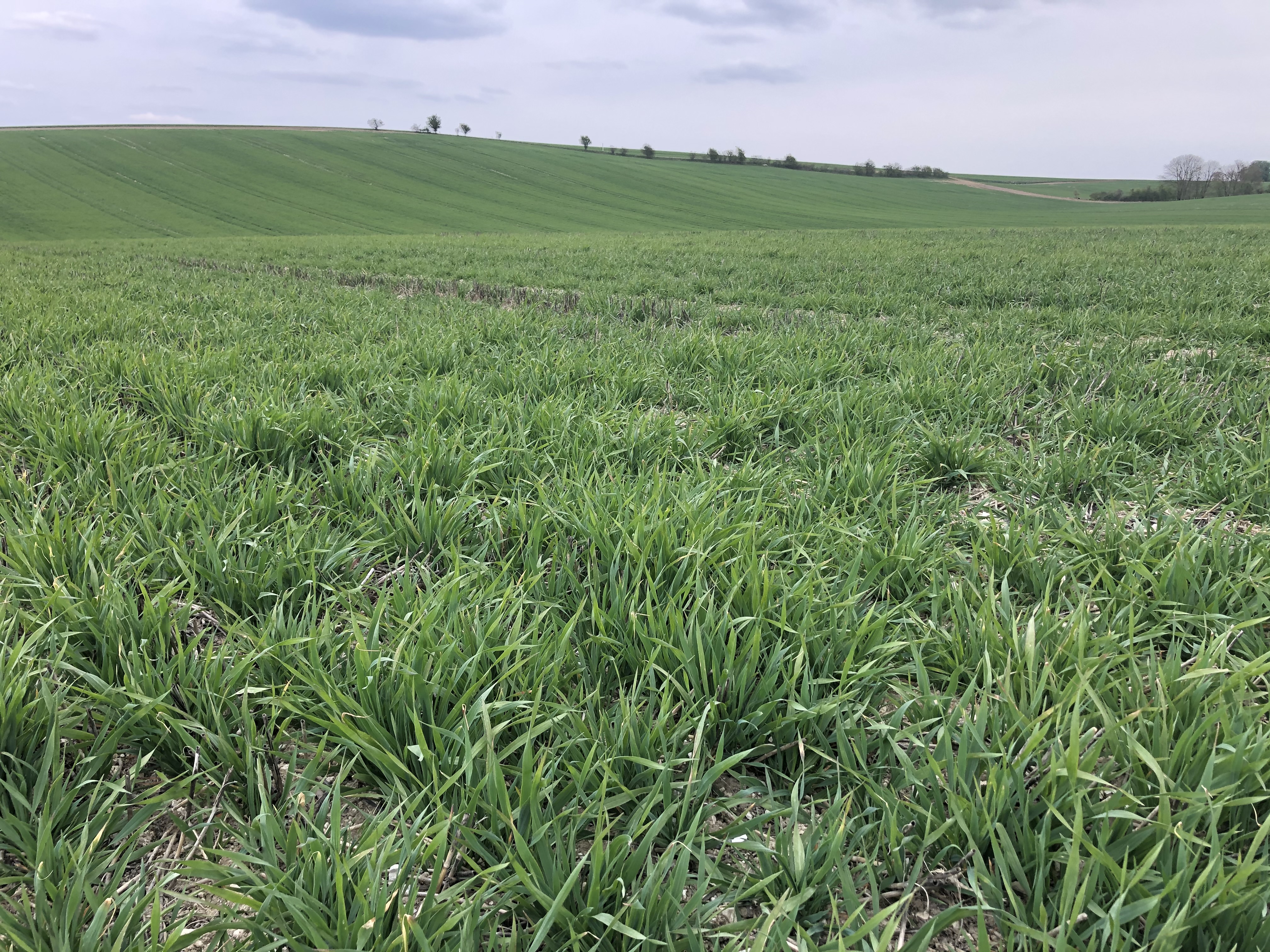
Young wheat plants growing in a field in the UK
Status

New Farming Systems

A series of long-term studies seeking to develop bio-sustainable cropping systems for conventional arable cropping.

The New Farming Systems programme is funded by The Morley Agricultural Foundation (TMAF) and The JC Mann Trust and is being carried at Morley, in Norfolk, on a sandy clay loam soil.

Research within the NFS programme is seeking to maintain or increase system output while at the same time seeking to improve efficiency, sustainability and resilience within conventional arable cropping systems. Experiments are ostensibly examining three inter-related themes: fertility building, approaches to tillage and the use of soil amendments.

The experiments within the NFS programme are fully replicated, large plot studies that use farm scale equipment and techniques and include:

Event posters

View and download research and information posters used at open days and trade events - available on the Niab Knowledge Hub

Image
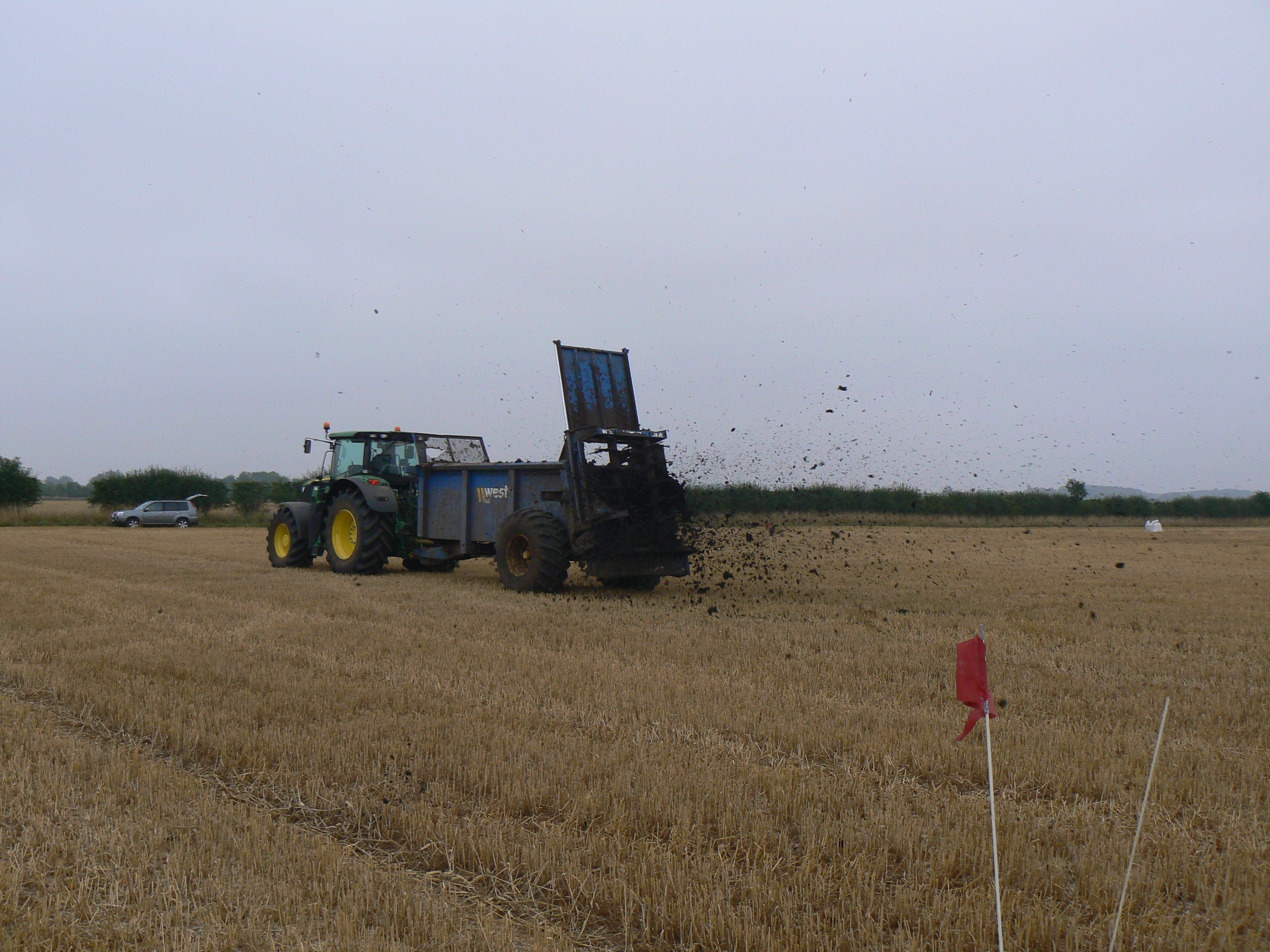
Spreading farmyard manure (FYM)
Status

csfbSMART

This research project has now finished. Work is continuing on the subject in other funded research.


csfbSMART – ‘Sharing Management and Agronomy Research Tools’ – aims to test management methods and tools for use against Cabbage Stem Flea Beetle on UK farms, with oilseed rape growers provided with information on how to implement and assess these management strategies over the next three years.

csfbSMART connects two research projects investigating CSFB control. ‘Reducing the impact of CSFB on OSR in the UK’ aims to improve understanding of the pest’s biology and investigate alternative management methods. It is led by ADAS and Harper Adams University and funded by AHDB and a consortium of industry organisations. The second, ‘CSFB: evaluating management of oilseed rape on-farm for maximum margins’, led by NIAB and funded by Defra, aims to test these management methods on a wider scale, encouraging growers to carry out their own trials and assess their effectiveness.

The area of winter oilseed rape in the UK has declined significantly as a result of the withdrawal of neonicotinoid seed dressings that controlled cabbage stem flea beetle in the crop. Without effect chemical control the pest has become increasingly problematic, often leading to complete crop failure. Its future management will be reliant on a range of agronomic approaches.

The first stage of csfbSMART involves current, past and future oilseed rape growers participating in on-farm monitoring and reporting on current agronomic programmes in combatting flea beetle.

The second stage will support on-farm trials of alternative management methods to implement robust evaluation of practices and monitoring approaches.  This will include supporting effective interaction and learning between researchers, farmers and industry partners, through conferences, webinars, open days and workshops, to develop recommended bundles of monitoring and management approaches that are both effective and practicable.

csfbSMART is a unique, one-off, opportunity to draw together everybody’s knowledge and experience in a coordinated and sustained effort. From 2021 to 2024, csfbSMART will collate, assess and share information freely between growers and researchers, learn from successes and failures and work with farmers and agronomists to select innovations for detailed assessment through on-farm evaluation and research investigation.

csfbSMART will roll out monitoring tools to build a national and seasonal picture of the pressures of cabbage stem flea beetle larvae and adults within oilseed rape crops and the wider farming environment. It will enable farmers and agronomists to develop their own tailored strategies, regularly updated and supported by the latest research, and share results to create more robust solutions.

News and resources

Results, reports and posters will be posted here when available. Check the @niabgroup twitter feed for the latest #csfbSMART news

2022 posters - three posters covering the lifecycle and management of cabbage stem flea beetle

2021 poster - Join the fight against cabbage stem flea beetle

Soil moisture video

Need to work out your soil moisture? For a simple method, check out our short how to video, complete with downloadable spreadsheet to help you work out your own soil moisture.

Stem larvae counting made easy

Meeting summarising findings from the national csfb Stem larval counts

Press releases

Arable industry joins together to fight cabbage stem flea beetle - press release (5/2/21)

The consortium

csfbSMART partners include AHDB, Niab, ADAS, Harper Adams University and Rothamsted Research. The taskforce also includes Agrovista, AICC, BASF, Bayer CropScience, Cotton Farm Consultancy Ltd, DSV, Elsoms, Frontier, Innovative Farmers, KWS UK, Limagrain, LS Plant Breeding, RAGT, Sentry Ltd, Syngenta, Tuckwell Farms, United Oilseeds and Yara. Funding is provided by AHDB and Defra.

Research project tags
Image
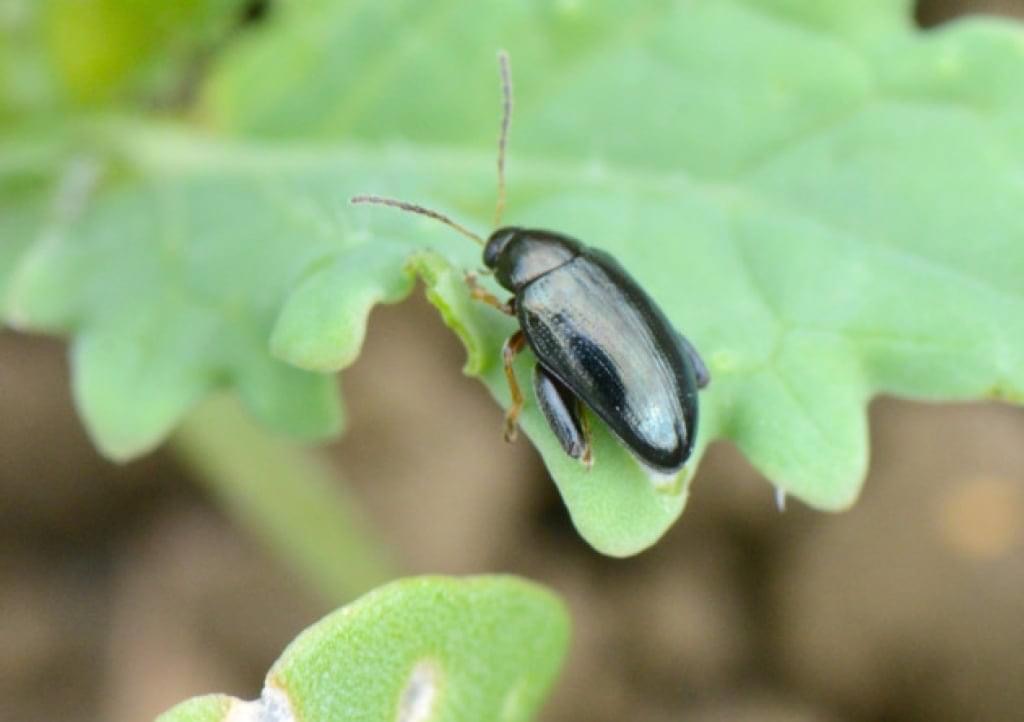
Cabbage stem flea beetle
People
Status

Weed management - IWMPRAISE

This research project has now finished. Work is continuing on the subject in other funded research.

IWMPRAISE was a European Union Horizon 2020 project that brought together experts in weed management and conservation agriculture from across the EU to support the development and adoption of integrated weed management approaches.

The project consortium consisted of 37 partners from eight different European countries and included 11 leading universities and research institutes within the area of weed management, 14 SMEs and industrial partners, and 12 advisory services and end user organisations.

Niab led the UK national cluster for narrow row crops in IWMPRAISE, in partnership with Rothamsted Research, AHDB, Cotswold Seeds and other partners. Part of our focus was to work with Garford farm machinery to understand better the principles of inter-row mechanical weeding.

The project aimed to reduce the environmental impacts of weed control, and demonstrate that integrated weed management supports more sustainable cropping systems that are resilient to external impacts and do not jeopardise profitability or the steady supply of food, feed and biomaterials.

Research areas

IWMPRAISE focused on four main research areas:

  • annually drilled crops in narrow rows (e.g. small grain cereals, oilseed rape)
  • annually drilled crops in wide rows (e.g. maize, sunflowers, field vegetables)
  • perennial herbaceous crops (e.g. grasslands, alfalfa, red clover)
  • perennial woody crops (e.g. pome fruits, citrus fruits, olives)

In addition, a final output of the project was to make the results available to end users via online information and E-learning, farmer field days, educational programmes, dissemination tools and knowledge exchange with rural development operational groups dealing with weed management issues.

Resources

Integrated weed management: how does it look in practice? - 2019 poster for farmer-facing events

Research project tags
Image
A poppy growing in an arable field
Status

Rustwatch

The European Union project RustWatch ran from 2017 to 2022 and involved 24 partner organisations. Niab led one of the five work packages, joining organisations from 12 European countries plus Pakistan, thus consolidating the cereal rust research community and relevant stakeholders across Europe.

The main aim of the project was to seek solutions to challenges posed by wheat yellow (stripe), brown (leaf), and black (stem) rust diseases. Niab is still supporting Europe-wide wheat rust surveillance as part of a new EU research programme IPMorama, data from which will feed into the UKCPVS and vice versa.

The cereal rust landscape within Europe is constantly changing and it is essential for Niab to maintain close links with the European cereal rusts research community. In 2016 Europe experienced the most severe epidemics of wheat stem rust for more than 50 years. In 2017 unusual and severe epidemics of yellow rust were observed on several continents, with the pre-existing populations of wheat yellow rust in Europe having been replaced by invasive races of non-European origin on more than one occasion.

Outputs

RustWatch explored the drivers shaping the European wheat rust populations,  and assessed their impact on agricultural productivity in the context of IPM Directive 2009/128/EC.

Outputs included:

  • A European wheat rust network including all stakeholders
  • Shared facilities and procedures for early-warning and risk assessment
  • A better understanding of drivers for spread and establishment of new races
  • New IPM-based strategies for disease prevention and control
  • Input to EU plant health policy for non-regulated invasive pathogens

The project was coordinated by Prof Mogens S. Hovmøller of Aarhus University (AU), Department of Agroecology, who also is head of the Global Rust Reference Center hosted by AU.

Download NIAB's 2019 event posters summarising the RustWatch project - NIAB Poster 1 and NIAB Poster 2

Papers with Niab staff as co-authors

Rustwatch videos produced by Niab:

Winter wheat variety trials and RustWatch

Yellow rust and RustWatch

Keep up to date with changes in the race structure and genetic groups of yellow rust populations across Europe, Africa, Asia and South America: Yellow Rust Toolbox-Maps and Charts

Image
Yellow rust on a wheat leaf
Status
Subscribe to Agronomy