Fungicide performance in wheat, barley and oilseed rape

Disease management in wheat, barley and oilseed rape never stands still. On top of variation in seasonal disease pressures, pathogen populations continue to evolve, which can impact fungicide efficacy (due to resistance/insensitivity) and varietal disease resistance. Fungicide active ingredients and products continue to be withdrawn from and introduced to the market. As a result, there is a continued need for robust, independent information on the efficacy of established and new fungicides.

The AHDB Fungicide Performance project forms part of a long-running trial series, with the first fitted fungicide-efficacy curves produced for winter wheat in 1996. The trial series for barley started in 2002 and the oilseed rape series began in 2006. The current project format was introduced in 2015, when all trial series were combined in a single programme.

Results are relevant to commercial use and simple to interpret for levy payers. Agronomists also play a crucial role to turn efficacy data into practical field recommendations that maximise crop margins and minimise the development of fungicide resistance.

Partners

ADAS (lead), Niab, SRUC and Harper Adams University

Funder

AHDB

Duration

June 2025-July 2028 

Activities

  • Charts – referred to as ‘dose-response curves’ – that show the relative efficacy of fungicides against the target diseases at a range of doses (impact on disease control and yield).
  • Contributes to a long-term information resource, which enables the monitoring of performance trends of products and active ingredients (to track shifts in pathogen sensitivity to fungicides).
  • Aims to deliver information to levy payers in time for the first season of commercial use of new fungicides.

Resources

The latest data, as well as historic data for other diseases (e.g. barley powdery mildew and oilseed rape sclerotinia), is available via the AHDB Fungicide Performance webpage.

Image
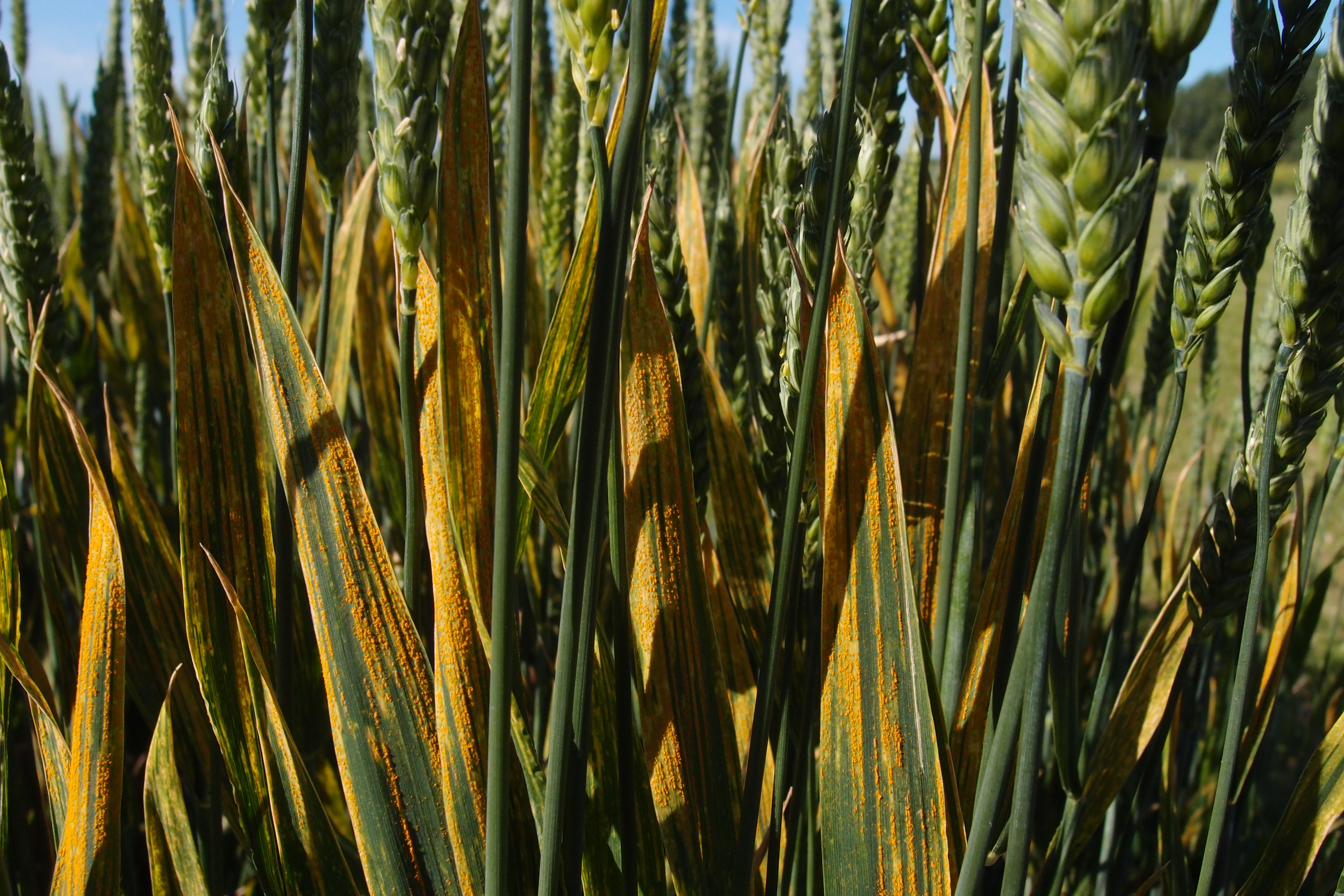
Yellow rust in wheat
Status

Ensembl Plant Populations

Ensembl Plants contains high-quality annotated reference genome assemblies for >100 model and crop species. Numerous plant genetic resources have been generated to capture and exploit genetic diversity, e.g. association mapping/diversity panels, many of which now come with founder genome assemblies and progeny variant datasets. However significant user bioinformatic, genetic and statistical expertise is required to analyse these genetic resources and interpret results in the context of the genes, genetic variants and appropriate reference genomes.

We will establish the 'Ensembl Plant Populations' platform - a web-tool containing existing population-based sequence and variant data, supporting users to run statistically sound genetic analyses. We focus on seven plant/crop species of relevance to UK researchers: wheat, barley, rice, brassica, arabidopsis, tomato and oat. The tool will provide an integrated pipeline to undertake genetic analyses from start to finish, including: (i) investigation of predicted power to detect genetic loci, (ii) adjustable forward genetic analysis settings, (iii) interactive genome-wide view of results, and (iv) presentation of useful information linked to genes and variants.

News

Ensembl 2025

Improved access to plant genetic resources to drive crop innovation

Duration

2023-2026

Partner

Funder


Image
Wheat varieties growing in a field
Status

csfbSMART

This research project has now finished. Work is continuing on the subject in other funded research.


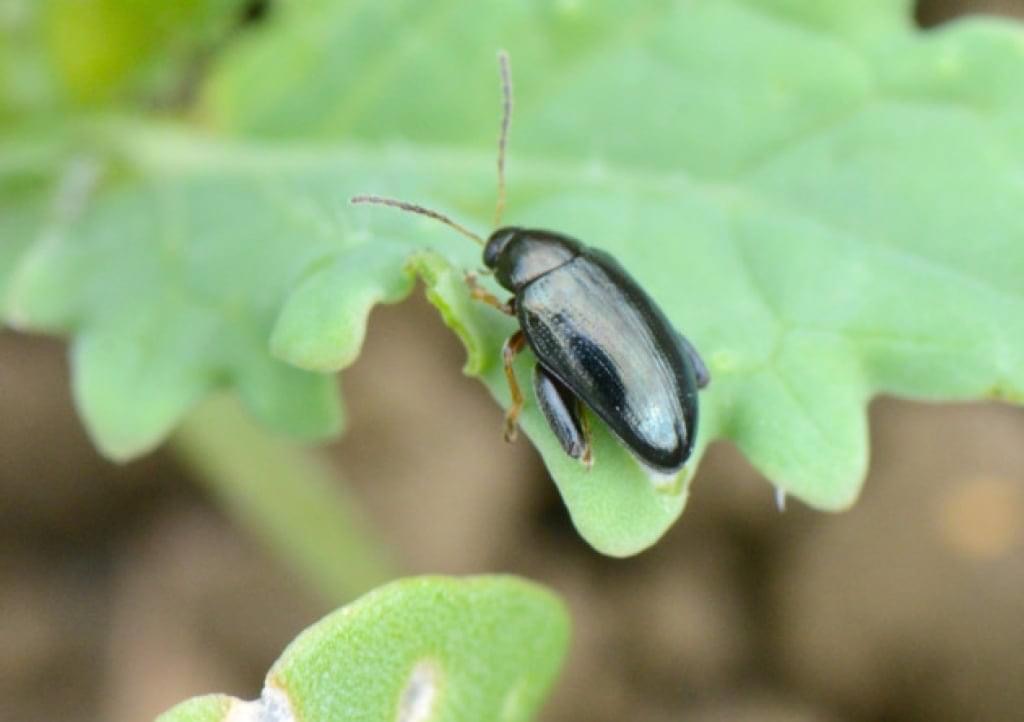
csfbSMART – ‘Sharing Management and Agronomy Research Tools’ – aims to test management methods and tools for use against Cabbage Stem Flea Beetle on UK farms, with oilseed rape growers provided with information on how to implement and assess these management strategies over the next three years.

csfbSMART connects two research projects investigating CSFB control. ‘Reducing the impact of CSFB on OSR in the UK’ aims to improve understanding of the pest’s biology and investigate alternative management methods. It is led by ADAS and Harper Adams University and funded by AHDB and a consortium of industry organisations. The second, ‘CSFB: evaluating management of oilseed rape on-farm for maximum margins’, led by NIAB and funded by Defra, aims to test these management methods on a wider scale, encouraging growers to carry out their own trials and assess their effectiveness.

The area of winter oilseed rape in the UK has declined significantly as a result of the withdrawal of neonicotinoid seed dressings that controlled cabbage stem flea beetle in the crop. Without effect chemical control the pest has become increasingly problematic, often leading to complete crop failure. Its future management will be reliant on a range of agronomic approaches.

The first stage of csfbSMART involves current, past and future oilseed rape growers participating in on-farm monitoring and reporting on current agronomic programmes in combatting flea beetle.

The second stage will support on-farm trials of alternative management methods to implement robust evaluation of practices and monitoring approaches.  This will include supporting effective interaction and learning between researchers, farmers and industry partners, through conferences, webinars, open days and workshops, to develop recommended bundles of monitoring and management approaches that are both effective and practicable.

csfbSMART is a unique, one-off, opportunity to draw together everybody’s knowledge and experience in a coordinated and sustained effort. From 2021 to 2024, csfbSMART will collate, assess and share information freely between growers and researchers, learn from successes and failures and work with farmers and agronomists to select innovations for detailed assessment through on-farm evaluation and research investigation.

csfbSMART will roll out monitoring tools to build a national and seasonal picture of the pressures of cabbage stem flea beetle larvae and adults within oilseed rape crops and the wider farming environment. It will enable farmers and agronomists to develop their own tailored strategies, regularly updated and supported by the latest research, and share results to create more robust solutions.

News and resources

Results, reports and posters will be posted here when available. Check the @niabgroup twitter feed for the latest #csfbSMART news

2022 posters - three posters covering the lifecycle and management of cabbage stem flea beetle

2021 poster - Join the fight against cabbage stem flea beetle

Soil moisture video

Need to work out your soil moisture? For a simple method, check out our short how to video, complete with downloadable spreadsheet to help you work out your own soil moisture.

Stem larvae counting made easy

Meeting summarising findings from the national csfb Stem larval counts

Press releases

Arable industry joins together to fight cabbage stem flea beetle - press release (5/2/21)

The consortium

csfbSMART partners include AHDB, Niab, ADAS, Harper Adams University and Rothamsted Research. The taskforce also includes Agrovista, AICC, BASF, Bayer CropScience, Cotton Farm Consultancy Ltd, DSV, Elsoms, Frontier, Innovative Farmers, KWS UK, Limagrain, LS Plant Breeding, RAGT, Sentry Ltd, Syngenta, Tuckwell Farms, United Oilseeds and Yara. Funding is provided by AHDB and Defra.

Research project tags
Image
Cabbage stem flea beetle
People
Status
Subscribe to Oilseeds