AHDB Strategic Cereal Farm Midlands

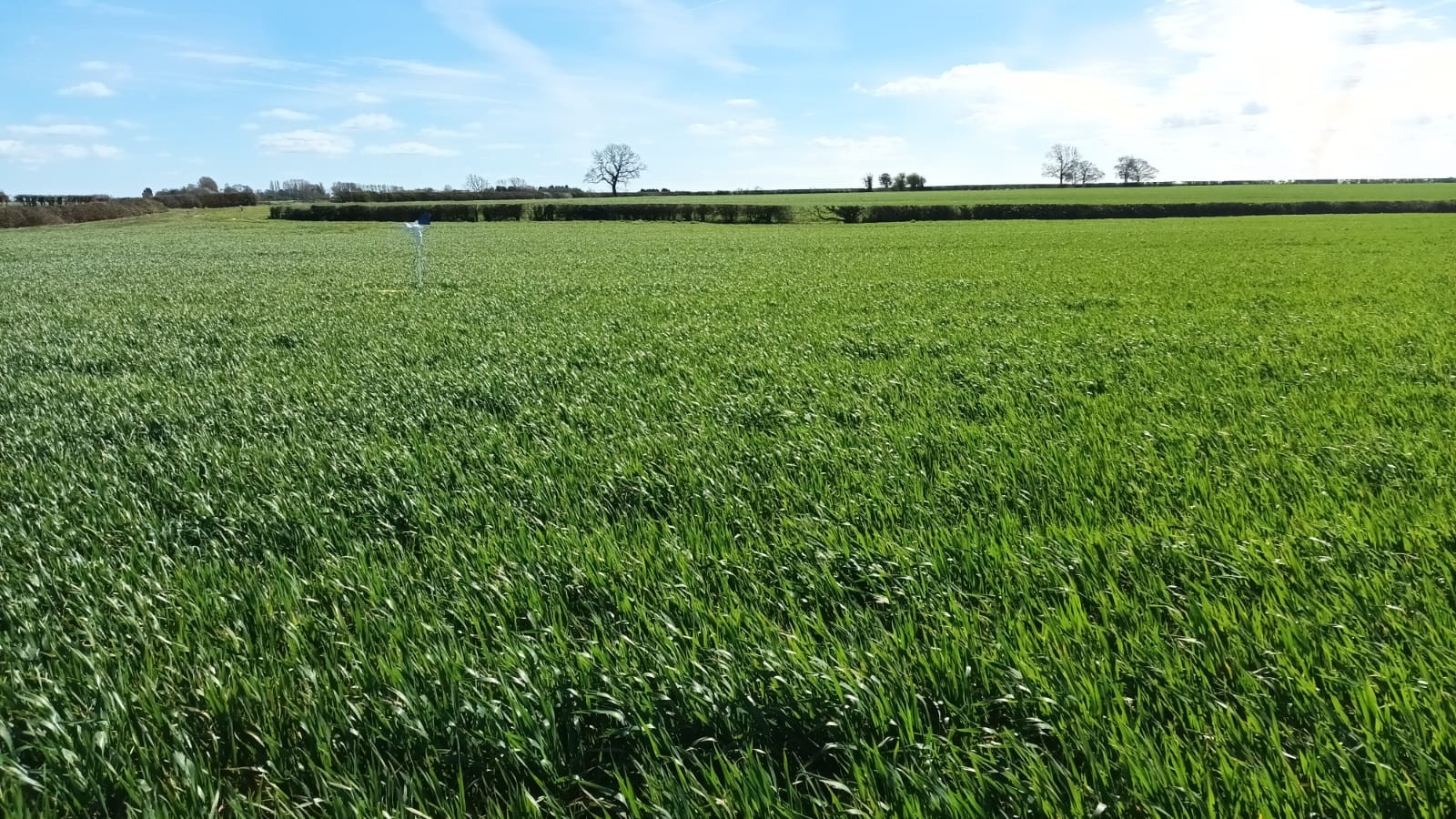
AHDB Strategic Cereal Farms aim to putting cutting-edge research and innovation into practice on commerical farms. Each farm hosts field-scale demonstrations, with experiences shared with the wider farming community. Niab has partnered with AHDB to deliver the new Strategic Cereal Farm Midlands. Will Oliver hosts Strategic Cereal Farm Midlands. The farm is keen to invetsigate how to optimise inputs, whilst maintaining yield and improving rotational management.

Niab's Farming Systems and Pathology teams have collaborated to deliver three inital workpackages:

  1. Management of maize residue for establishment and disease risks of a following winter wheat crop in a direct drill system
  2. Optimising organic amendments in nutrient management planning for winter wheat
  3. Testing novel technologies to improve disease and nitrogen management in winter wheat (in collaboration with SporeSense, a technology company that uses AI biosensors to aid early disease detection)

Partners



Funders


Duration

2025-2031

More information on the project website

Image
AHDB Strategic Farm Midlands
Status

Testing the performance of biofungicides (winter wheat pilot trials)

Niab, in partnership with SRUC and ADAS, is delivering a two‑year AHDB‑funded pilot project to evaluate the performance of biofungicides against Septoria tritici in winter wheat.

As interest grows in biological alternatives to conventional fungicides, these trials provide independent, field‑scale evidence for levy payers on how biofungicides perform under commercial conditions and how they can complement existing programmes.

Trials are being run across three sites (Midlothian (SRUC), Herefordshire (ADAS) and Hampshire (Niab) using a single, standardised protocol followed by all partners. Each site includes two replicated trials: one trial using a septoria‑susceptible variety and one using a moderately resistant variety.

Seven biofungicides are being assessed, applied either alone or alongside a half‑rate fungicide programme to determine whether biologicals can enhance disease control or support reduced fungicide inputs. All products are foliar applied during the normal spray window, following manufacturer recommendations.
Initial findings will be shared at the AHDB Agronomy Conference in December 2026, with the full dataset available at the end of the project.

Partners


Funders


Duration

August 2025-December 2027

Latest news

Crop Production Magazine - March 2026: Theory To Field: Putting nature to the test

More information

Project website

Image
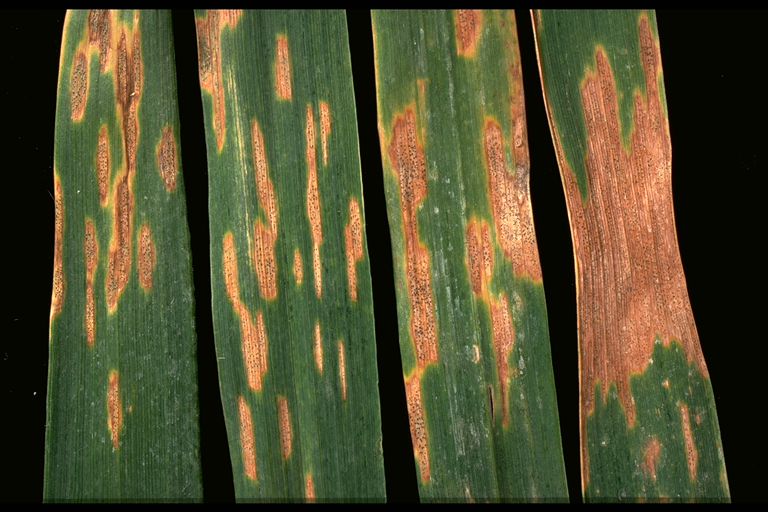
Septoria on crop leaves
Status

Fungicide performance in wheat, barley and oilseed rape

Disease management in wheat, barley and oilseed rape never stands still. On top of variation in seasonal disease pressures, pathogen populations continue to evolve, which can impact fungicide efficacy (due to resistance/insensitivity) and varietal disease resistance. Fungicide active ingredients and products continue to be withdrawn from and introduced to the market. As a result, there is a continued need for robust, independent information on the efficacy of established and new fungicides.

The AHDB Fungicide Performance project forms part of a long-running trial series, with the first fitted fungicide-efficacy curves produced for winter wheat in 1996. The trial series for barley started in 2002 and the oilseed rape series began in 2006. The current project format was introduced in 2015, when all trial series were combined in a single programme.

Results are relevant to commercial use and simple to interpret for levy payers. Agronomists also play a crucial role to turn efficacy data into practical field recommendations that maximise crop margins and minimise the development of fungicide resistance.

Partners

ADAS (lead), Niab, SRUC and Harper Adams University

Funder

AHDB

Duration

June 2025-July 2028 

Activities

  • Charts – referred to as ‘dose-response curves’ – that show the relative efficacy of fungicides against the target diseases at a range of doses (impact on disease control and yield).
  • Contributes to a long-term information resource, which enables the monitoring of performance trends of products and active ingredients (to track shifts in pathogen sensitivity to fungicides).
  • Aims to deliver information to levy payers in time for the first season of commercial use of new fungicides.

Resources

The latest data, as well as historic data for other diseases (e.g. barley powdery mildew and oilseed rape sclerotinia), is available via the AHDB Fungicide Performance webpage.

Image
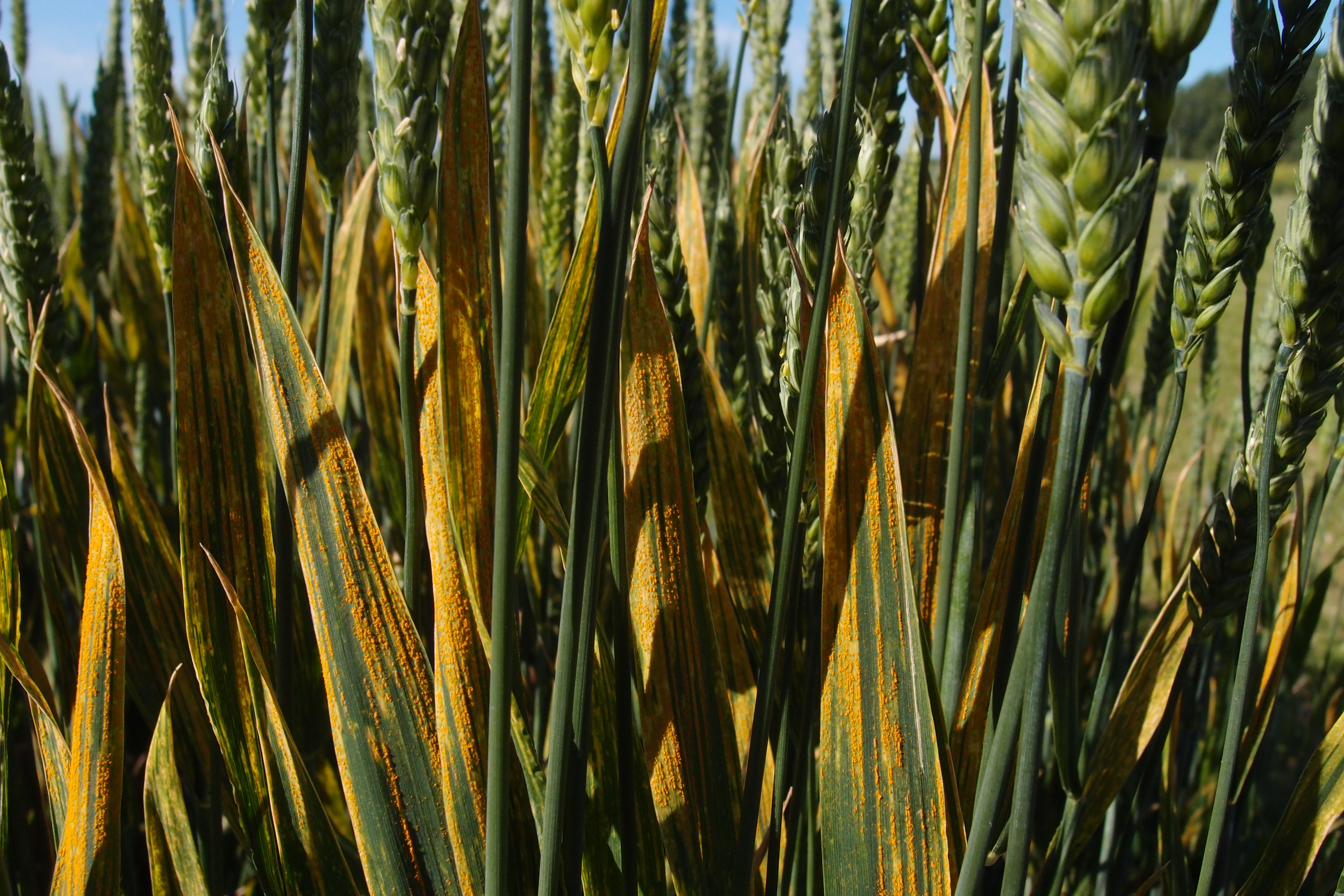
Yellow rust in wheat
Status

Ensembl Plant Populations

Ensembl Plants contains high-quality annotated reference genome assemblies for >100 model and crop species. Numerous plant genetic resources have been generated to capture and exploit genetic diversity, e.g. association mapping/diversity panels, many of which now come with founder genome assemblies and progeny variant datasets. However significant user bioinformatic, genetic and statistical expertise is required to analyse these genetic resources and interpret results in the context of the genes, genetic variants and appropriate reference genomes.

We will establish the 'Ensembl Plant Populations' platform - a web-tool containing existing population-based sequence and variant data, supporting users to run statistically sound genetic analyses. We focus on seven plant/crop species of relevance to UK researchers: wheat, barley, rice, brassica, arabidopsis, tomato and oat. The tool will provide an integrated pipeline to undertake genetic analyses from start to finish, including: (i) investigation of predicted power to detect genetic loci, (ii) adjustable forward genetic analysis settings, (iii) interactive genome-wide view of results, and (iv) presentation of useful information linked to genes and variants.

News

Ensembl 2025

Improved access to plant genetic resources to drive crop innovation

Duration

2023-2026

Partner

Funder


Image
Wheat varieties growing in a field
Status

Wheat Alliance

Chemical fertilisers have helped increase food production, but their environmental impacts and long-term sustainability are growing concerns. Wheat Alliance addresses this challenge by exploring natural routes to improved crop nutrition through beneficial interactions between wheat and soil microorganisms.

A central focus of Wheat Alliance is to understand how wheat genetics influences the selection and maintenance of a beneficial root microbiome, particularly under nutrient-limited conditions that reflect real world farming constraints. To do this, the project will exploit the exceptional diversity of wheat germplasm available at Niab, including extensive novel genetic diversity introgressed from wheat’s close relatives into the restricted elite bread wheat gene pool.

This includes synthetic hexaploid wheats (SHW) and tetraploid wheat derived populations, generated by crossing wild emmer, emmer, and durum with modern winter and spring bread wheats to boost genetic diversity. Thousands of new wheat lines are available, including diverse multi-founder experimental populations, enabling systematic discovery of genetic factors that shape plant–microbe interactions and nutrient capture.

Using advanced phenotyping and data analytics, the project will link wheat genotype to root microbiome composition and function, and develop predictive approaches to identify the most effective plant–microbe combinations. Together, these outputs aim to support the development of wheat varieties and management strategies that maintain yields while reducing reliance on synthetic fertilisers.

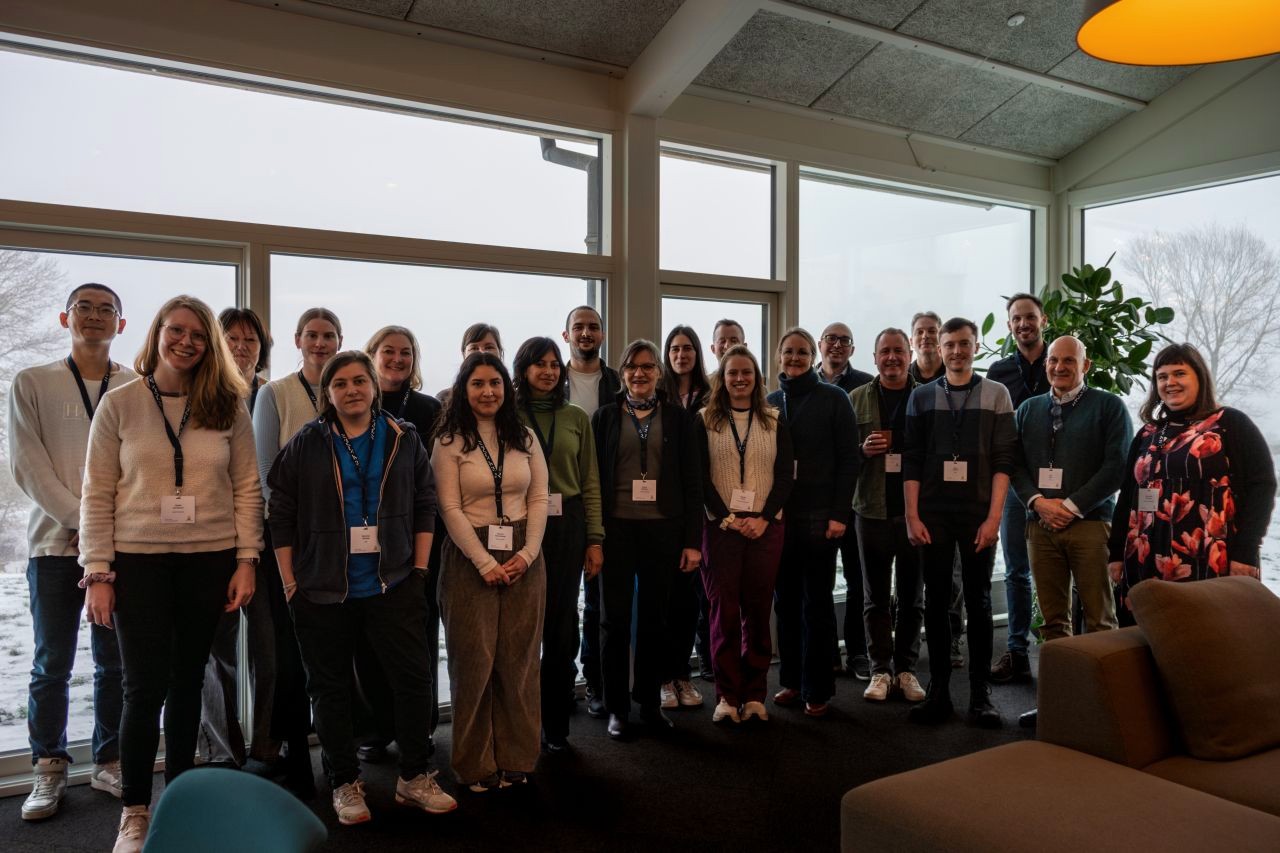
Project team members at the annual meeting

News

New Research Aims To Boost Sustainable Wheat Nutrition Through Microbes

Duration

2024-2027

Partners


Funding


Image
Wheat growing in a field with a blue sky in the background
Status

Facing Forwards - understanding epidermal development in cereals

Facing Forwards aims to understand and exploit variation in epidermal features to future-proof cereal crops to changing climates.

To achieve this, we need to define the genes and developmental mechanisms controlling epidermal properties and how these affect plant performance. 

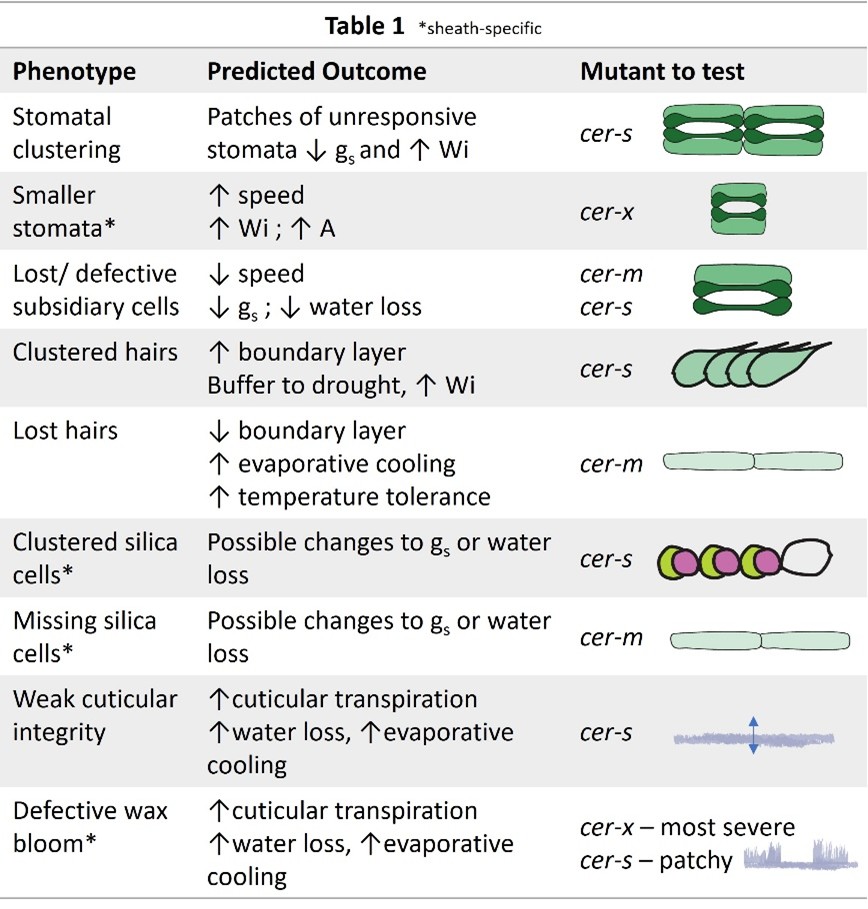
Focusing on barley and wheat, the project explores the coordinating genetic network controlling epidermal traits linked to plant performance. These genes promote cuticular wax deposition as well as formation and spacing of specialised epidermal cells (such as stomata, epidermal hairs and silica cells) which help plants cope with stressful environments.

The project uses fine-scale cuticular profiling and single cell transcriptomics to reconstruct pathways leading to different cell types and cuticular chemistries, alongside mutant alleles in genes known to control specific features. Further, the project also explores the impact of altered epidermal patterning on leaf physiology and function - including stomatal conductance and intrinsic water use efficiency. These approaches will assess spatial and temporal control of epidermal patterning and the physiological impact of trait variation to identify desirable traits and ideotypes for crop production in future climates.

A summary of the genes/genetic loci investigated in the project, and their predicted effect on plant physiology. Source: Sarah McKim, University of Dundee.

More information

Project timings

2024-2027

Partners


Funders


Image
Barley
Status

Diverse weeds - sustainable broad-leaved weed management

This research project has now finished. Work is continuing on the subject in other funded research.

Much of the focus in recent years in weed management has been on aggressive grassweeds but changing farming systems towards conservation agriculture will be reflected in changing weed management issues and priorities.

One change already being seen in response to these changes is a resurgence of a diverse range of broad-leaved weeds; poppy, groundsel, mayweed and pansy as well as the emergence of new broad-leaved weed challenges like bur chervil.

In partnership with ROTAM, Niab created a site at Hinxton, near Cambridge, dedicated to long-term sustainable management of these diverse broad-leaved weed species.

As a centrepiece a long-term trial was established, studying the impact of cultural factors (cultivations and crop sowing date) on broad-leaved weed communities over time. Cultural control as a management tool for these species has not been studied enough in the past. Looking towards the future trials demonstrating and proving concepts like under-sowing maize and banded selective herbicides alongside mechanical weeding will be part of the effort.

The project

Filmed in 2022 Niab's former Weed Biology and Management Specialist John Cussans and Dilwyn Harris formerly from ROTAM, explained the research:

Research project tags
Image
Poppies in an arable field
Status

UK Cereal Pathogen Virulence Survey

The UK Cereal Pathogen Virulence Survey (UKCPVS) monitors cereal rusts in the UK, detecting and warning industry and growers of new races of disease emerging on resistant varieties. It is funded by Defra and AHDB and has been managed by Niab since its inception over 50 years ago.

Contact UKCPVS

The role of UKCPVS includes:

  • Monitoring changes in virulence of UK cereal pathogen populations
  • Maintaining and improving variety disease resistance allowing growers to prioritise other characteristics such as yield and quality when choosing a variety
  • Enabling breeders and variety testing authorities to screen out potential new varieties and breeding lines that are too susceptible to new races of disease before they get to the AHDB Recommended List stage or onto farm
  • Providing information to assist disease risk management on farm; underpinning AHDB RL disease resistance ratings and assessing the threat that each new race poses to the full range of commercial varieties.

Disease sampling

UKCPVS sampling instructions

UKCPVS is always checking for new races of cereal rusts across the UK. We rely on samples sent in by growers, agronomists, plant breeders and official trials operators, so we can check for new variations of these key wheat diseases.

For the 2026 season, UKCPVS is focusing on wheat yellow and wheat brown rust and requests samples of leaves showing symptoms of either of the two diseases. These infected leaves will give the team at Niab the isolates needed to conduct the survey to identify any possible changes in the race of the diseases as soon as possible.

We welcome samples at any time of year. The majority are sent through in May, June and July - the peak of the rust season - but we receive some in the autumn when conditions have been mild enough for the disease to carry on from the season before. Samples can be from any variety, but we are especially interested in varieties which are noted as resistant to the different diseases at that time.

*Putting a geographical delivery address on the envelope will invalidate the Freepost service, incur a charge and delivery will be severely delayed. Please only use the words 'FREEPOST UKCPVS' on the front of the envelope to ensure your sample reaches us quickly.

Stakeholders

UKCPVS holds an annual stakeholder meeting. Targeted at breeders, crop scientists and technical agronomists, the event in early spring each year, reports on recent seedling test results and adult plant nursery tests. It features a number of related technical papers based on pathogen virulence experience from across the globe.

UKCPVS AGM 2025

Research project tags
Image
UKCPVS logo
Status

Exploiting novel wheat genotypes for regen ag

Funded by The Morley Agricultural Foundation (TMAF) and the JC Mann Trust, Niab is conducting multi-disciplinary research encompassing agronomy, genetics and molecular plant physiology to assess novel wheat genotypes in regenerative agriculture conditions.

Following a rotation based on winter wheat, trials will rotate across well-characterised experimental sites in East Anglia, with a known history of management. Fully replicated plot trials will evaluating the performance of new wheat genetic material (including resynthesised wheat (SHW) lines), under regenerative agricultural practices and lower nitrogen inputs.

The project ultimately aims to support growers and agronomists to produce high quantity and quality grains at low cost, and with limited environmental impact.

Take our survey

Niab is looking for farmers to share their experience of growing different wheat varieties in regenerative agriculture systems. Take our survey, so we can better understand which wheat varieties are widely cultivated and favoured by growers under these principles. Thank you for your support.

RESOURCES

Poster: Novel wheat genotypes for regen-ag (2025)

VIDEO

Video: Nitrogen utilisation in winter wheat under a regen ag system

FUNDERS


The Morley Agricultural Foundation logo


The JC Mann Trust logo


PROJECT DURATION

September 2022 to August 2028 

PREVIOUS RESEARCH

New Farming Systems research
Designing Future Wheat


Image
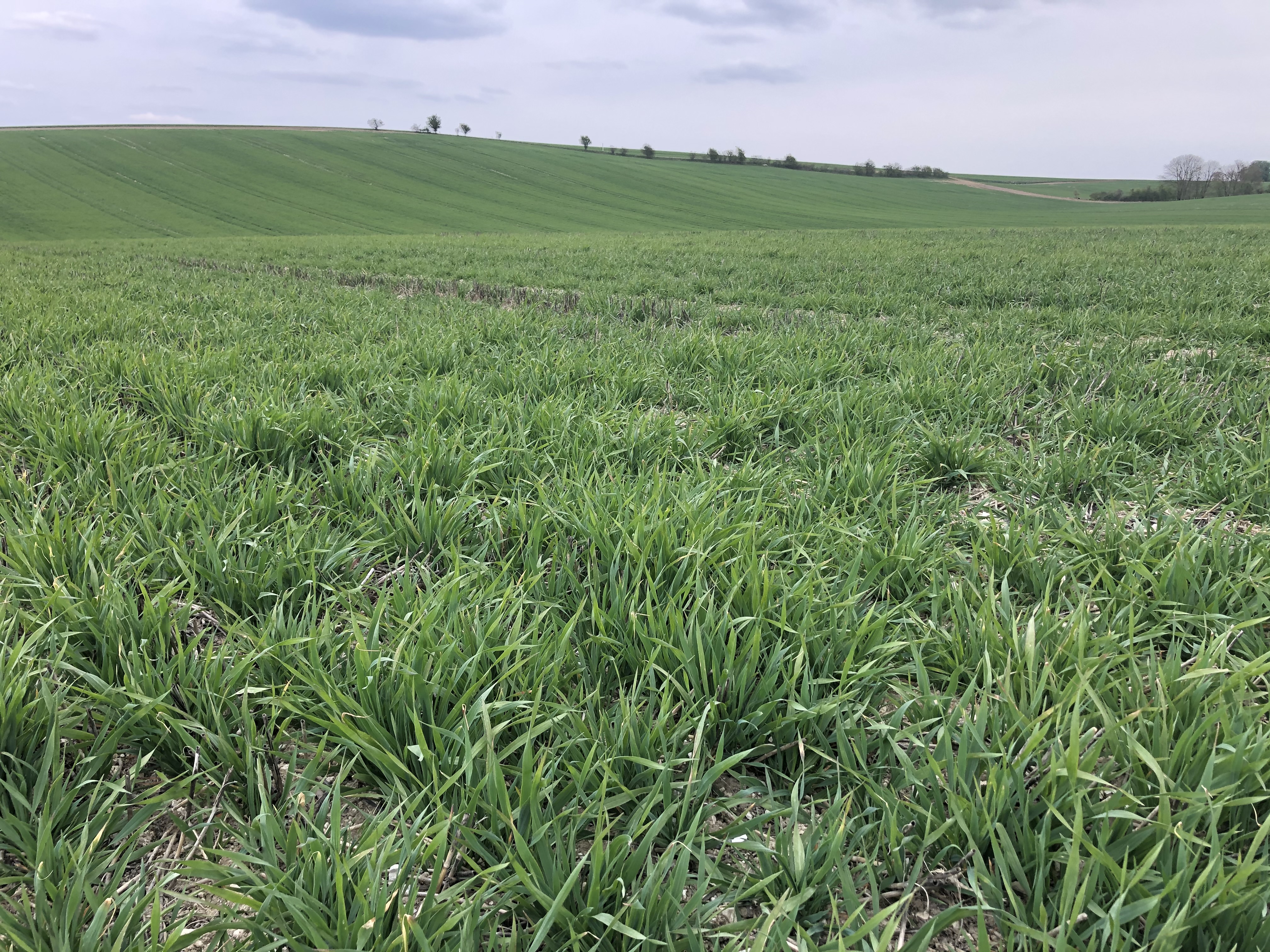
Young wheat plants growing in a field in the UK
Status

Morley Long-Term Studies (Morley-LoTS)

Long-term monitoring studies are a valuable strategic resource that are difficult to maintain through short term or commercial funding and hard to replace once lost. Within East Anglia (notably at Morley) there are several long-term studies that provide unique data and are excellent research platforms. 

Morley Long Term Studies (LoTS) is a continuation of Niab's original National Agronomy Centre and MENTOR work, covering many of the long-term strategic field trials, including STAR and the Saxmundham Experimental site (est. 1899) and long-term wheat, barley and sugar beet fungicide response trials. These trials have focused on long term strategic agronomy and monitoring.

David Clarke, Niab's soils and farming systems research technician,  introduces the 120-year-old TMAF-funded experiment site in Suffolk, studying P&K fertilisers v FYM, including what's gone before and what's happening now, in this video from 2021.

PROJECT TIMINGS

2019-2030

RESOURCES

Outputs include annual reports as well as peer-reviewed academic papers and conference presentations as well as farmer-facing materials provided for the Niab and TMAF websites.

Fungicide timing response monitoring
Studying the yield responses to each of the component spray timings within a fungicide spray programme on winter wheat at Morley

Studying the yield responses to each of the component spray timings within a fungicide spray programme on winter barley at Morley.

Sugar beet

Periodic harvest of sugar beet and fungicide interaction
Determining the growth rate and yield benefit of sugar beet treated during the late summer and autumn with and without a triazole and strobilurin fungicide programme

Periodic harvest of sugar beet and biorepellent interaction

Studies of the effectiveness of Frass as a bio-repellent
Examining the benefit of sugar beet treated with Frass as a biorepellent to reduce aphid transmission of virus yellows.

Event posters

View and download research and information posters used at open days and trade events - available on the Niab Knowledge Hub


Research project tags
Image
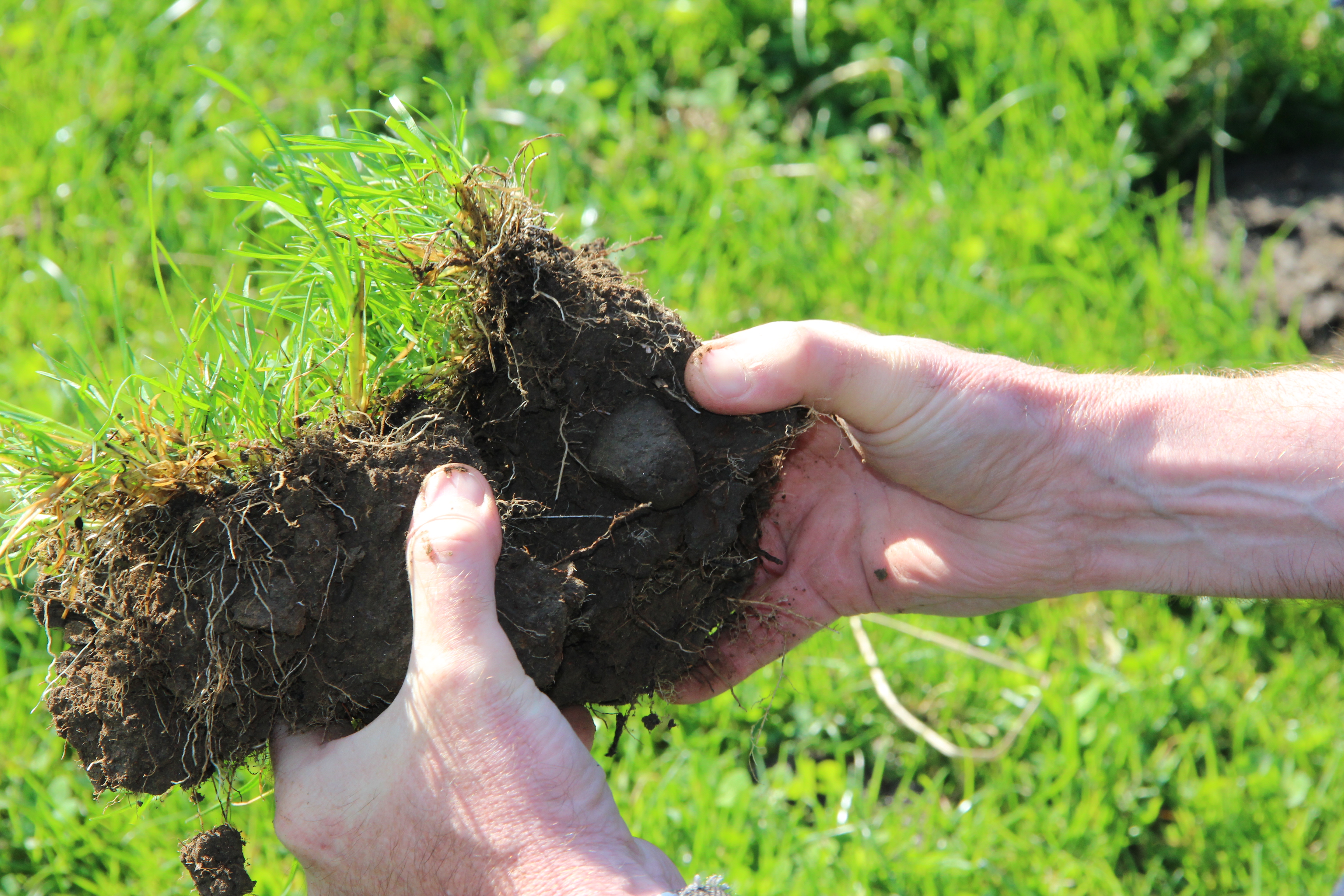
Checking soil
Status
Subscribe to Arable