AHDB Strategic Cereal Farm Midlands

AHDB Strategic Cereal Farms aim to putting cutting-edge research and innovation into practice on commerical farms. Each farm hosts field-scale demonstrations, with experiences shared with the wider farming community. Niab has partnered with AHDB to deliver the new Strategic Cereal Farm Midlands. Will Oliver hosts Strategic Cereal Farm Midlands. The farm is keen to invetsigate how to optimise inputs, whilst maintaining yield and improving rotational management.

Niab's Farming Systems and Pathology teams have collaborated to deliver three inital workpackages:

  1. Management of maize residue for establishment and disease risks of a following winter wheat crop in a direct drill system
  2. Optimising organic amendments in nutrient management planning for winter wheat
  3. Testing novel technologies to improve disease and nitrogen management in winter wheat (in collaboration with SporeSense, a technology company that uses AI biosensors to aid early disease detection)

Partners


Funders


Duration

2025-2031

More information on the project website

Image
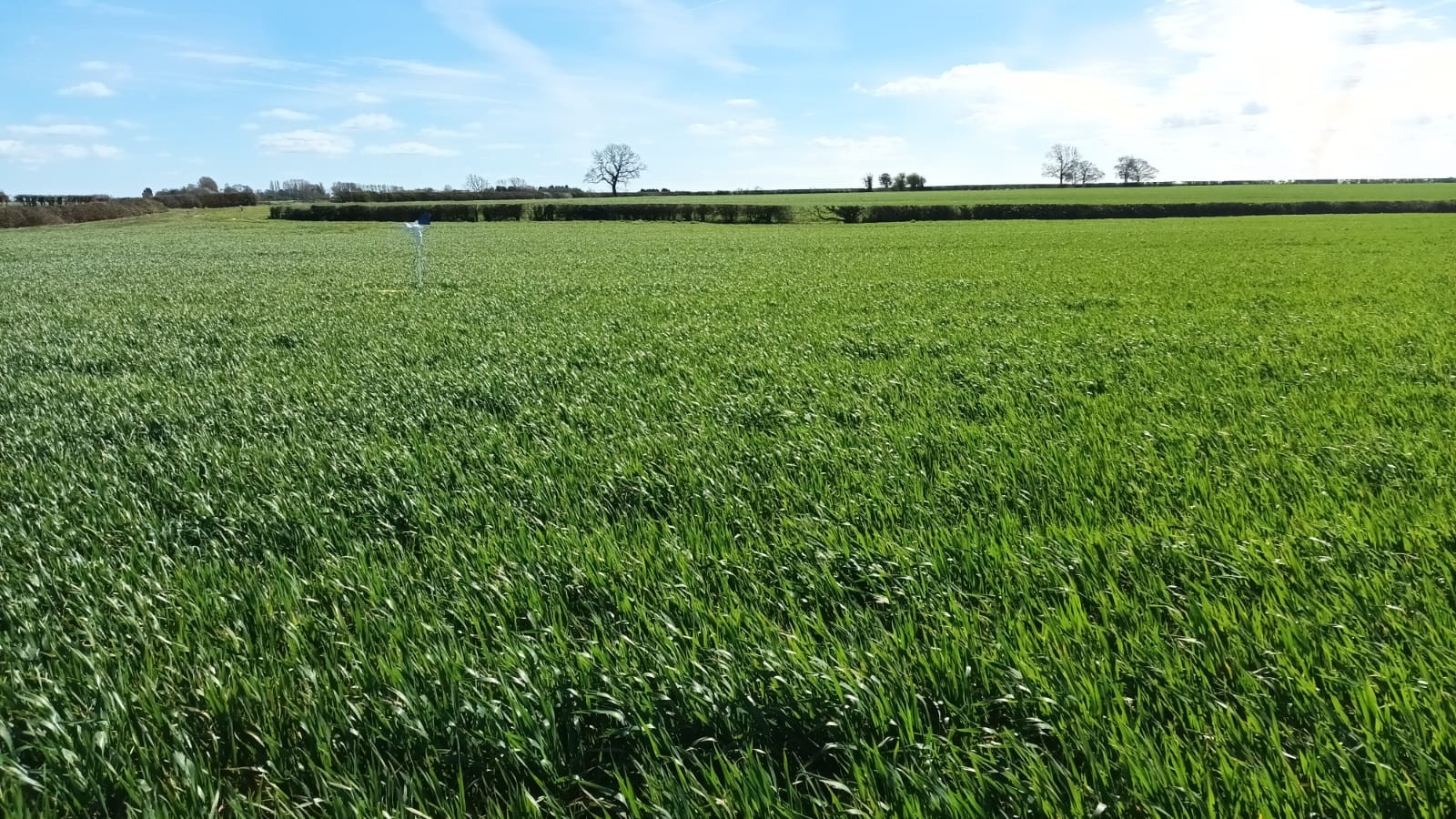
AHDB Strategic Farm Midlands
Status

Spin-Fert - Developing agronomic practices to improve soil health and crop productivity

Several EU-funded projects have investigated methods of improving soil management practices and creating viable and sustainable alternatives to peat as a soilless substrate. The data and outcomes of one of these projects ‘EXCALIBUR’ will now be exploited by transforming agri-food by-products either into soil fertilising products or sustainable alternatives to peat substrates.

Within the project, Niab is working with ReCoir Ltd to recycle and repurpose spent coir for fruit and vegetable production. 

Spin-Fert website

Partners

A total of 19 other partners from EU countries will collaborate with Niab

Funding

Horizon Europe

Duration

June 2024 to November 2027

Research project tags
Image
Spin-Fert logo
Status

AEGIS: Ancient Environmental Genomics Initiative for Sustainability

Nature has already run millions of evolutionary “experiments.” By analysing ancient environmental DNA, AEGIS will identify lost genetic traits, ancestral diversity and beneficial species interactions that helped plants survive past stress episodes.
Led by University of Copenhagen, AEGIS will:

  • Reconstruct past ecosystems. By reading ancient environmental DNA alongside climate and archaeological records, AEGIS reveals how ecosystems shifted through periods of climate change and human land use.
  • Trace the evolution of agriculture. The project uncovers how early farming practices and domesticated crops responded to environmental pressures, showing how cultivation systems and plant genomes have changed through thousands of years.
  • Discover natural resilience. By comparing ancient and modern genomes, AEGIS pinpoints genetic adaptations and beneficial interactions - for example, between plants, soils, and microbes - that historically supported stress tolerance and productivity.
  • Translate insights into new solutions. These discoveries provide a foundation for developing climate-smart crops, sustainable land management strategies, and farming systems that strengthen biodiversity while reducing dependency on fertilisers and pesticides.

AEGIS website

Duration

2024-2031

Lead Partner

Other partners

Carlsberg Research Laboratory, EMBL-EBI, Institut Pasteur, Seoul National University, University of Aarhus, University of Bremen, University of California, University of Cambridge, University of Colorado Boulder, University of Zurich, Wageningen, Wellcome Sanger Institute.

Funders


Image
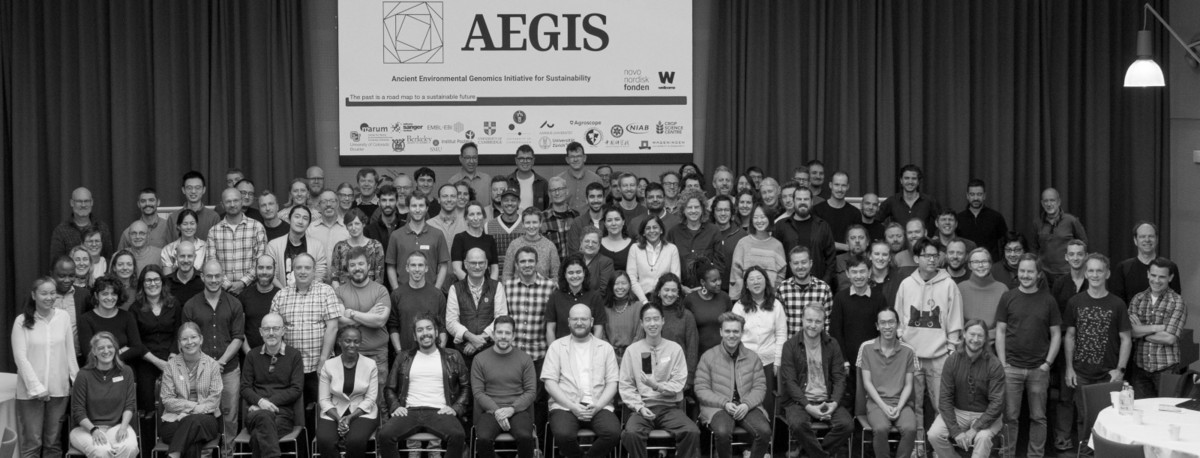
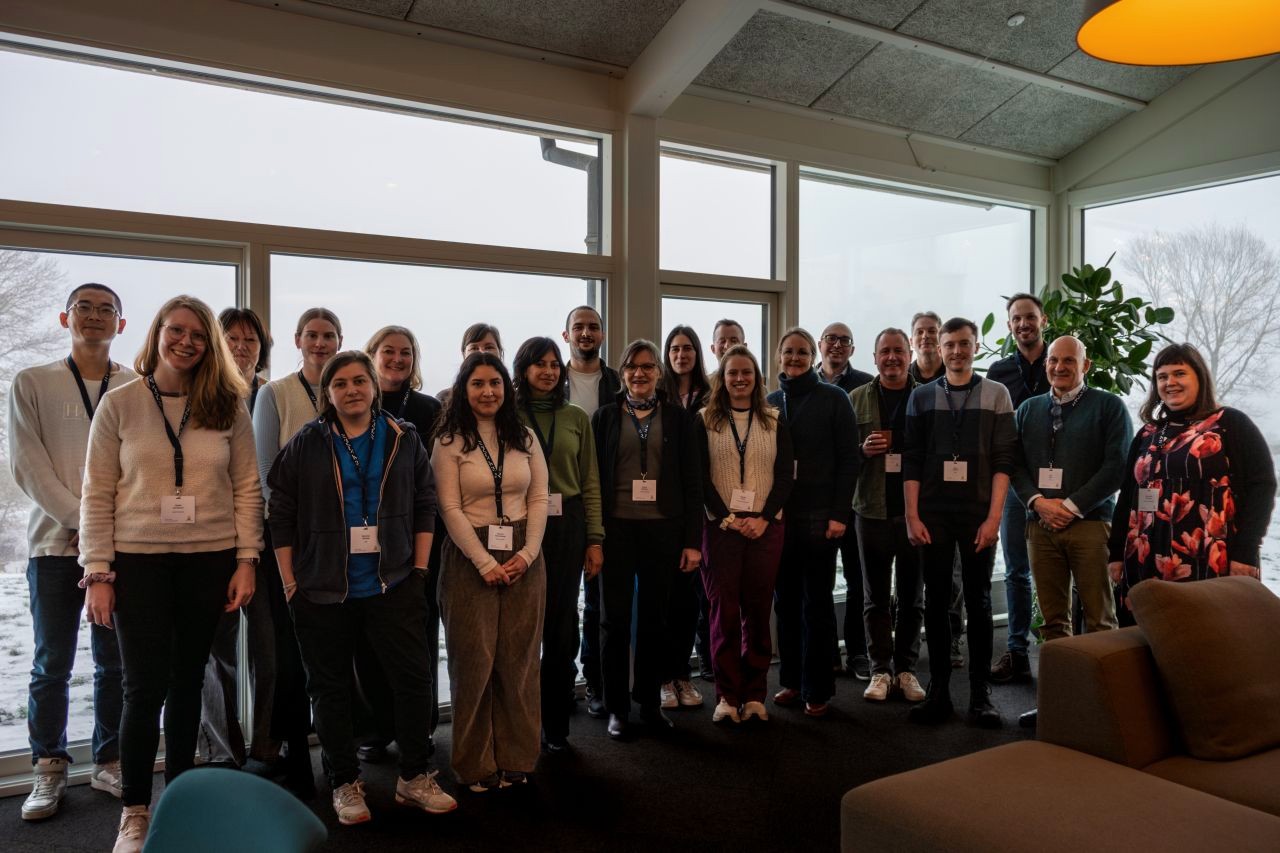
The AEGIS team at a conference
Status

Wheat Alliance

Chemical fertilisers have helped increase food production, but their environmental impacts and long-term sustainability are growing concerns. Wheat Alliance addresses this challenge by exploring natural routes to improved crop nutrition through beneficial interactions between wheat and soil microorganisms.

A central focus of Wheat Alliance is to understand how wheat genetics influences the selection and maintenance of a beneficial root microbiome, particularly under nutrient-limited conditions that reflect real world farming constraints. To do this, the project will exploit the exceptional diversity of wheat germplasm available at Niab, including extensive novel genetic diversity introgressed from wheat’s close relatives into the restricted elite bread wheat gene pool.

This includes synthetic hexaploid wheats (SHW) and tetraploid wheat derived populations, generated by crossing wild emmer, emmer, and durum with modern winter and spring bread wheats to boost genetic diversity. Thousands of new wheat lines are available, including diverse multi-founder experimental populations, enabling systematic discovery of genetic factors that shape plant–microbe interactions and nutrient capture.

Using advanced phenotyping and data analytics, the project will link wheat genotype to root microbiome composition and function, and develop predictive approaches to identify the most effective plant–microbe combinations. Together, these outputs aim to support the development of wheat varieties and management strategies that maintain yields while reducing reliance on synthetic fertilisers.

Project team members at the annual meeting

News

New Research Aims To Boost Sustainable Wheat Nutrition Through Microbes

Duration

2024-2027

Partners


Funding


Image
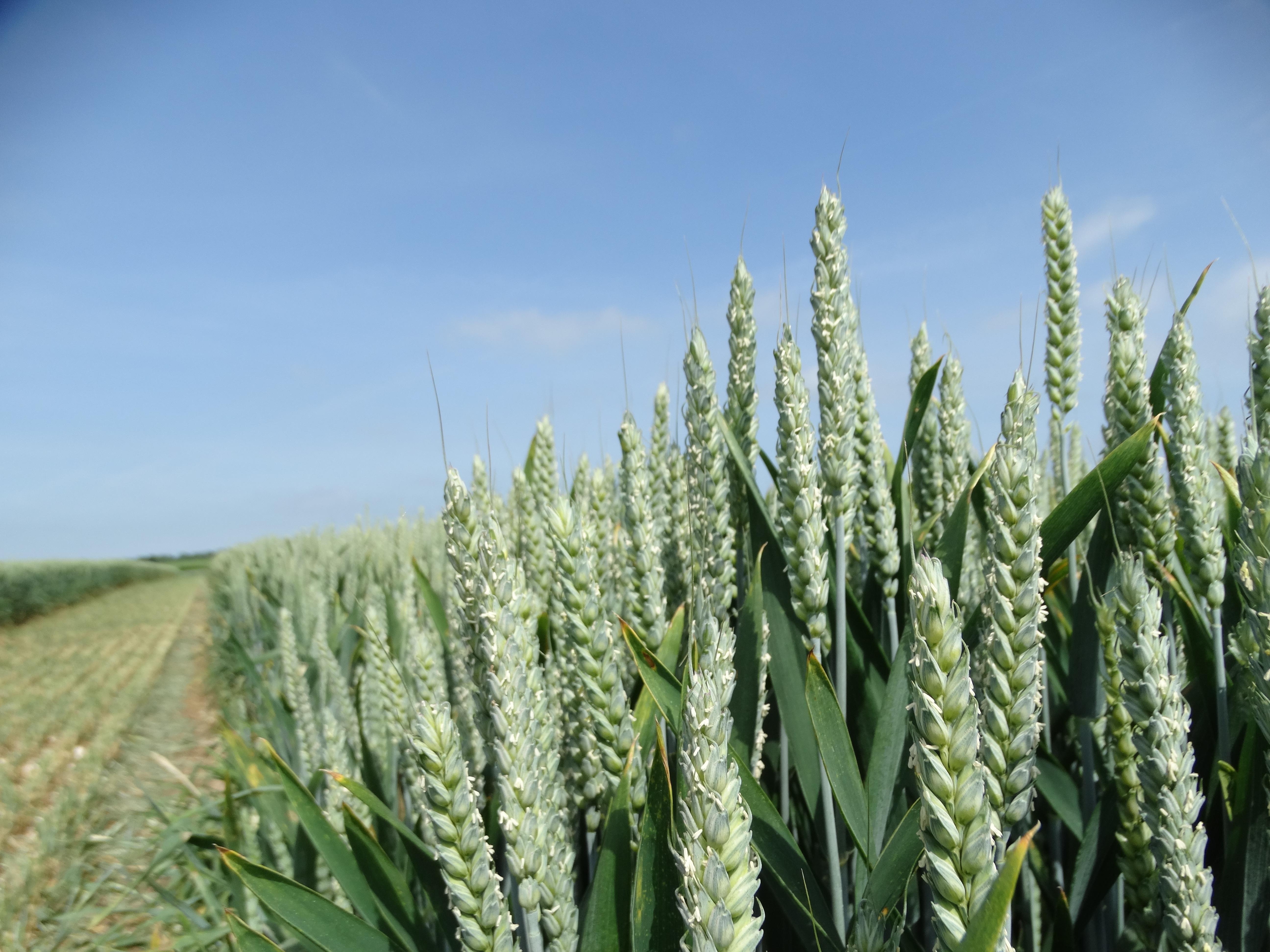
Wheat growing in a field with a blue sky in the background
Status

Managing the activity of pollinators in protected cropping systems (MAPP-CS)

Soft fruit production under fixed protective structures is highly dependent on introduced bumblebees (Bombus terrestris) for pollination. Their performance under such structures can be less reliable as they can be less active, suffer from higher mortality and sometimes fail to return to the hive, resulting in lower fruit yields and quality.

This project will research the drivers of pollinator underperformance in enclosed systems, including lighting and navigational factors, and trial a range of affordable interventions to improve pollinator activity, reduce mortality and improve profitability.


Funder: Biotechnology and Biological Sciences Research Council

Industry partners: Agriculture Investments Ltd, Biobest Ltd, Buzzup, Clockhouse Farm and The East Malling Trust

Term: May 2024 to April 2028

Image
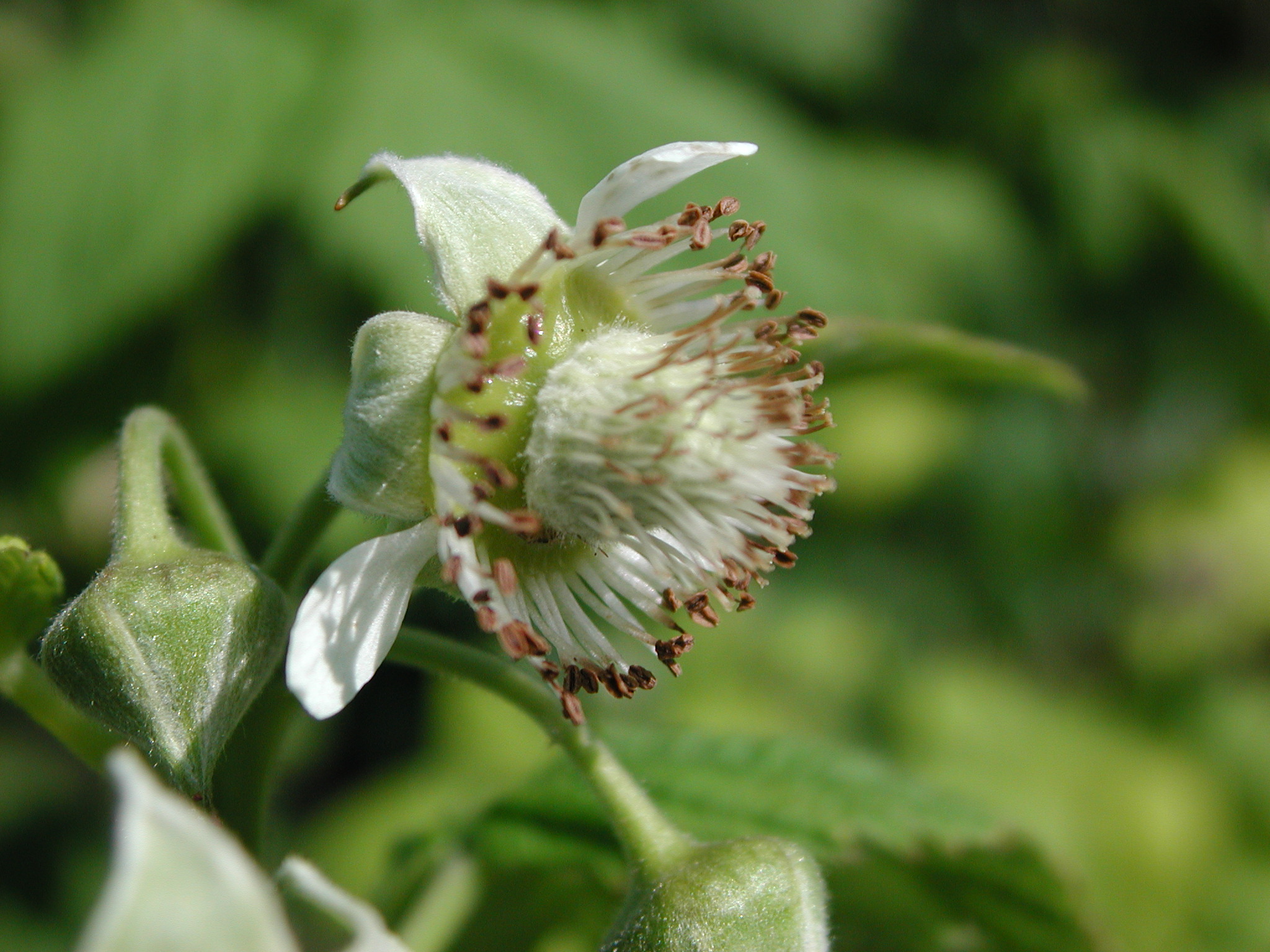
Flower
Status

New Farming Systems

A series of long-term studies seeking to develop bio-sustainable cropping systems for conventional arable cropping.

The New Farming Systems programme is funded by The Morley Agricultural Foundation (TMAF) and The JC Mann Trust and is being carried at Morley, in Norfolk, on a sandy clay loam soil.

Research within the NFS programme is seeking to maintain or increase system output while at the same time seeking to improve efficiency, sustainability and resilience within conventional arable cropping systems. Experiments are ostensibly examining three inter-related themes: fertility building, approaches to tillage and the use of soil amendments.

The experiments within the NFS programme are fully replicated, large plot studies that use farm scale equipment and techniques and include:

Event posters

View and download research and information posters used at open days and trade events - available on the Niab Knowledge Hub

Image
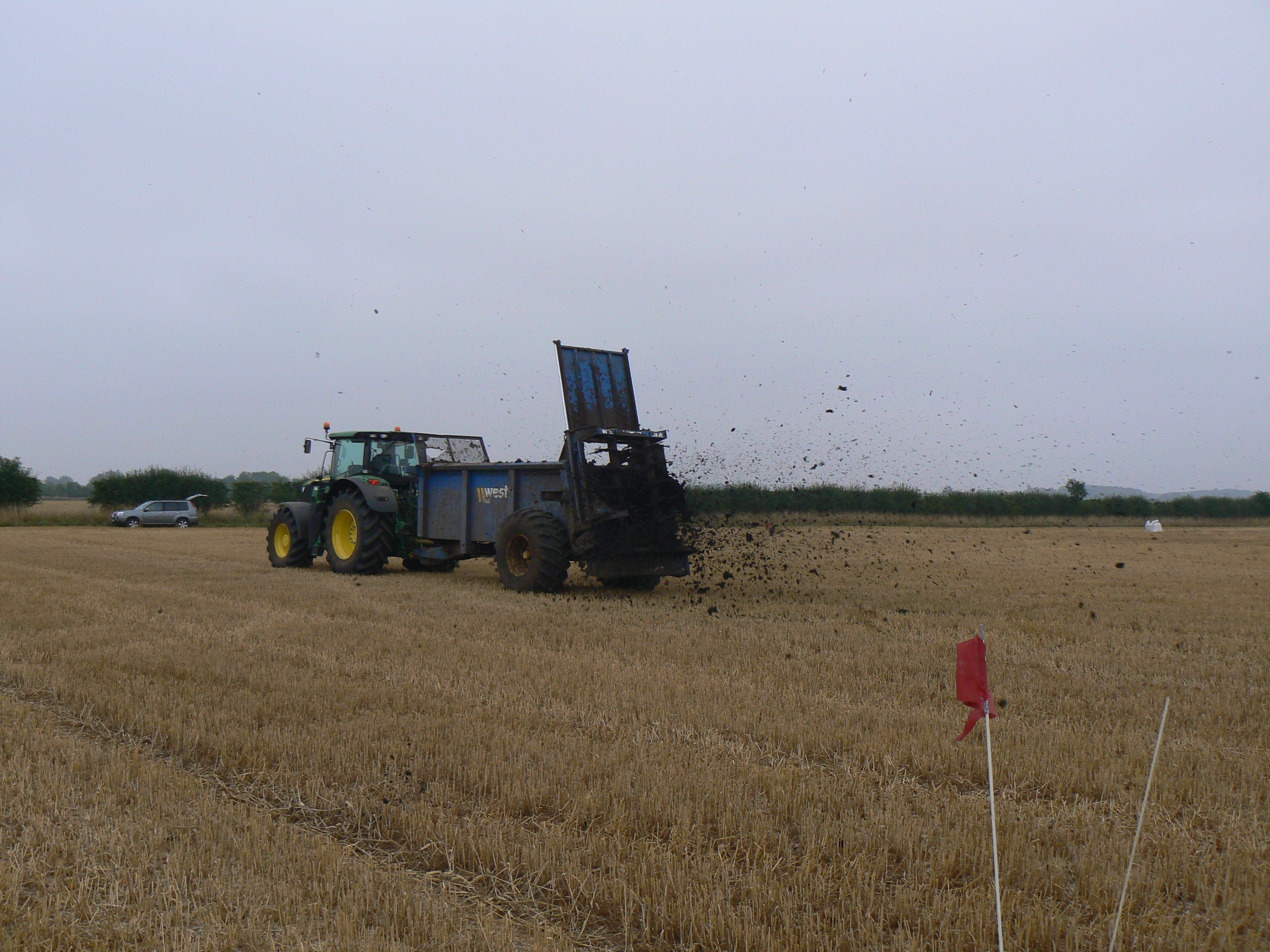
Spreading farmyard manure (FYM)
Status

Sustainability Trial for Arable Rotations (STAR)

Long-term rotation studies are rare in our industry due to short-term commercial and financial pressures, but they can provide powerful agronomic and financial information for UK farmers.

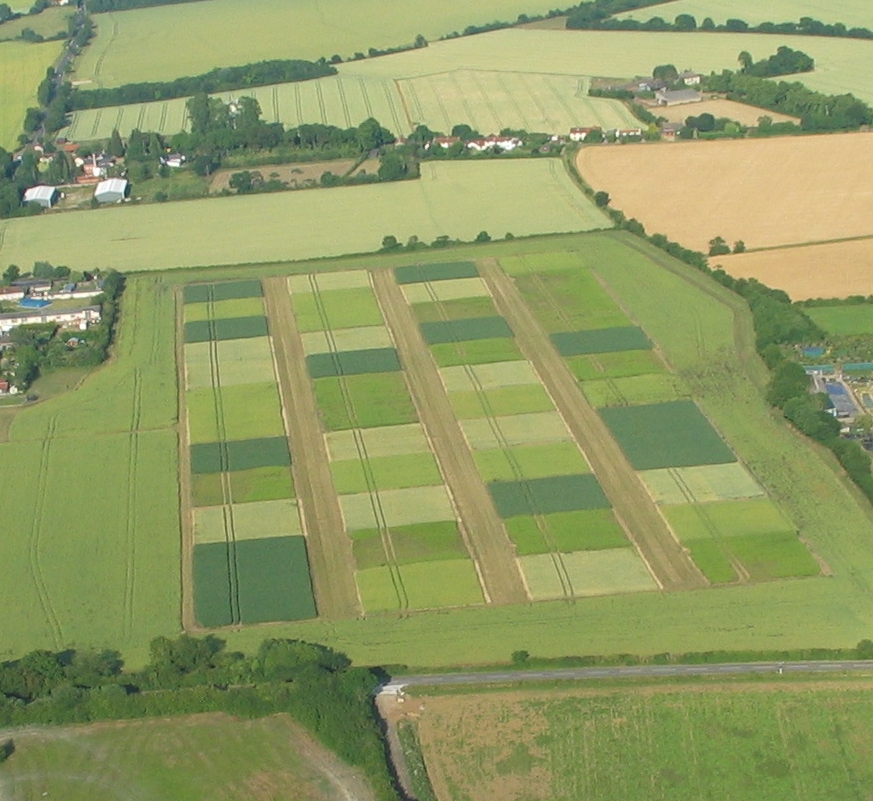
Part of Niab’s charitably funded strategic rotation research programme, the STAR (Sustainability Trial for Arable Rotations) project is a fully replicated field-scale study, based in Suffolk and supported by The Felix Thornley Cobbold Trust.

It has been examining the interaction between four cultivation methods and four rotations since 2005 with findings demonstrating clear impacts of rotation and cultivation on agronomy and production. AHDB-funded research, using a set of long-term studies including STAR, examined the impact of adopting inversion tillage or non-inversion tillage approaches in cereal production systems and concluded that there was no strong reason not to use non-inversion tillage in preference to ploughing.

Open Day

Niab runs an annual STAR Open Day, usually in either May or June depending on the rotation. Further details and booking available late spring on the Niab Event Hub

Seminars

Online seminar - 4 June 2024
Online seminar - 27 May 2021

Resources

REPORT: STAR - Year 18 (2022/23) project report - 2024
LEAFLET: STAR - summary flyer (2022)
REPORT: STAR - Year 17 (2021/22) project report - 2023
REPORT: STAR - Year 16 (2020/21) project report - 2022
REPORT: STAR - Year 15 (2019/20) project report - 2021
REPORT: STAR - Year 14 (2018/19) project report - 2020
REPORT: The STAR Project - long-term report Years 1-10 (2006–2015)
RESEARCH PAPER: Sustainability Trial in Arable Rotations (STAR project): a long term farming systems study looking at rotation and cultivation practice. Stobart, RM, Morris, N (2011). Aspects of Applied Biology 113
RESEARCH PAPER: Platforms to test and demonstrate sustainable soil management: integration of major UK field experiments. Stobart, RM, Hallett, PD, George, TS, Morris, N, Newton, AC, Valentine, TA, McKenzie, BM (2014). Aspects of Applied Biology 127

Event posters

View and download research and information posters used at open days and trade events - available on the Niab Knowledge Hub.

Image
Aerial shot of the STAR site
Status

RASCAL

Resilience in Agrifood Systems: Supply Chain Configuration Analytics Lab (RASCAL)

The RASCAL project will bring together a highly collaborative, interdisciplinary team from biological sciences, engineering, and management to co-develop intervention strategies. It will create an interactive digital lab that enables exploration of multiple scenarios involving cascade risks, and potential mitigation interventions. 

Risks to the food system include shifts in consumer demand, changing patterns in retailer sourcing, biosecurity threats, competing government policies, overseas conflicts, and climate events like floods or droughts. These factors can significantly impact production costs and future investments in infrastructure and labour. From the consumer perspective the project will investigate factors impacting economic hardship, nutritional insecurity, and associated health problems.

To achieve this, the project will follow four key stages:

  1. Build interactive digital infrastructure to leverage disparate datasets to explore the balance between self-sufficiency and imports.
  2. Develop new tools for understanding cascade risks and their cumulative impacts along well documented food supply chains.
  3. Explore real-world scenarios, using examples of UK fruit and vegetable supply and alternative protein sources, to demonstrate how advanced modelling can evaluate the impact of cascading risks.
  4. Provide intervention strategies for specific agri-food supply chains to mitigate supply chain risks through a combination of visual interactive tools and field research methods.

Project timing

September 2024-August 2027

Partners

University of Cambridge, Queen’s University Belfast; University of Plymouth

Funder

UKRI

News

UK supply chains get safeguarding boost - UKRI (7 January 2025)

ifM secures grant for major project in safeguarding food supply chains - University of Cambridge (press release - 15 January 2025)

 

Image
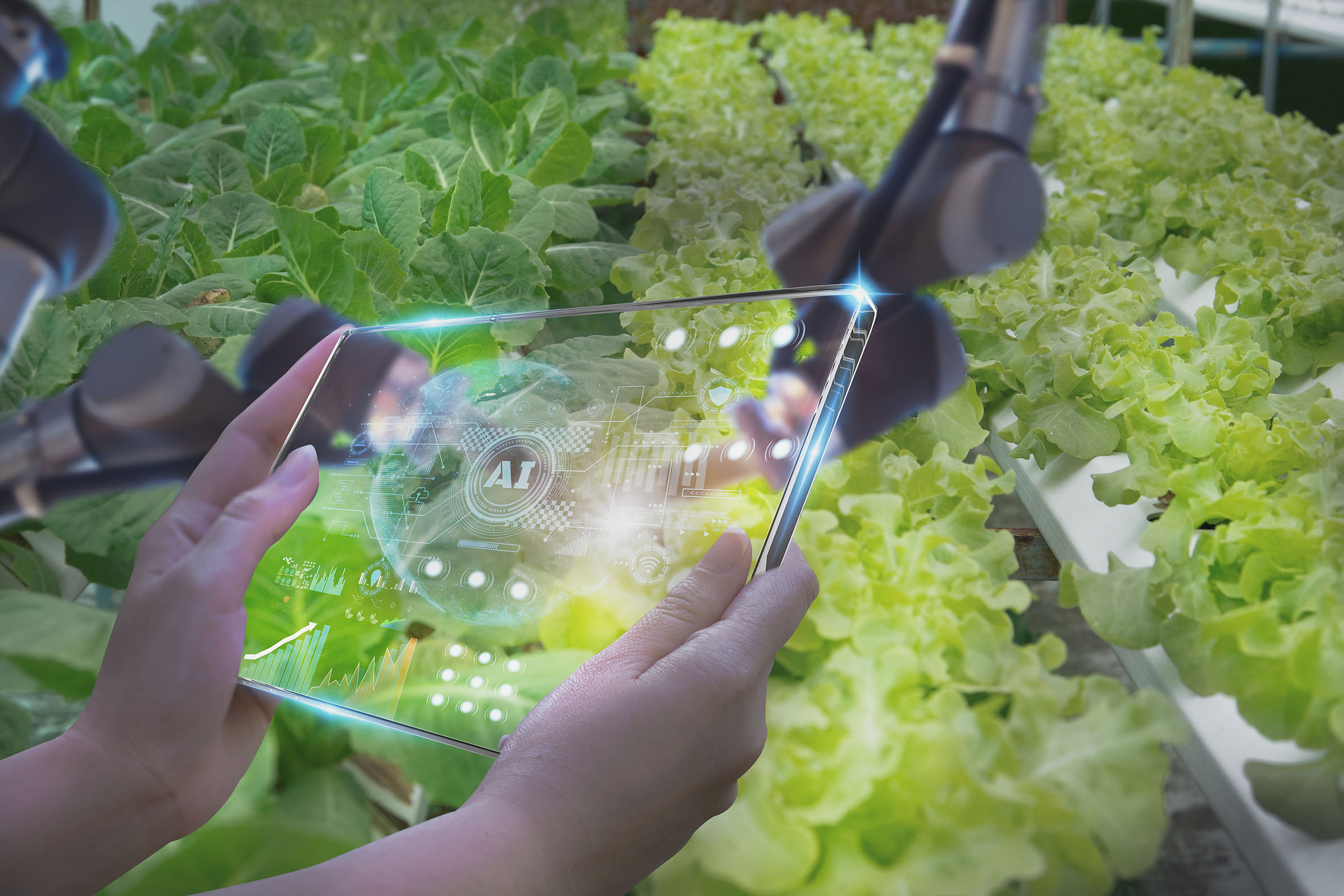
AI helping growers
Status
Subscribe to Crop production