












2025
pyRootHair: Machine Learning Accelerated Software for High-Throughput Phenotyping of Plant Root Hair Traits
GigaScience


A central focus of Wheat Alliance is to understand how wheat genetics influences the selection and maintenance of a beneficial root microbiome, particularly under nutrient-limited conditions that reflect real world farming constraints. To do this, the project will exploit the exceptional diversity of wheat germplasm available at Niab, including extensive novel genetic diversity introgressed from wheat’s close relatives into the restricted elite bread wheat gene pool.
This includes synthetic hexaploid wheats (SHW) and tetraploid wheat derived populations, generated by crossing wild emmer, emmer, and durum with modern winter and spring bread wheats to boost genetic diversity. Thousands of new wheat lines are available, including diverse multi-founder experimental populations, enabling systematic discovery of genetic factors that shape plant–microbe interactions and nutrient capture.
Using advanced phenotyping and data analytics, the project will link wheat genotype to root microbiome composition and function, and develop predictive approaches to identify the most effective plant–microbe combinations. Together, these outputs aim to support the development of wheat varieties and management strategies that maintain yields while reducing reliance on synthetic fertilisers.
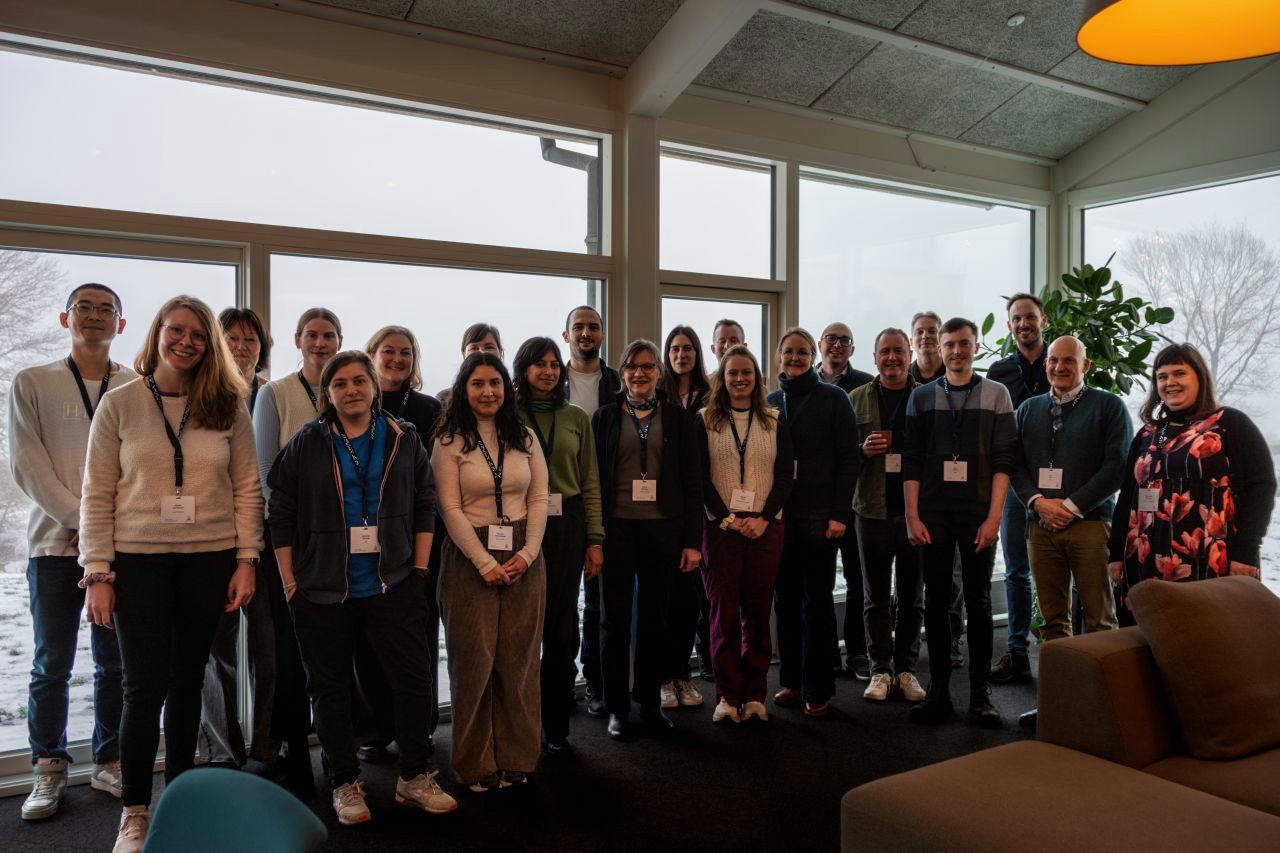
Project team members at the annual meeting
New Research Aims To Boost Sustainable Wheat Nutrition Through Microbes
2024-2027







Niab
Park Farm Campus
Villa Road
Histon
Cambridge
CB24 9AT, UK
Tel: +44(0)1223 342200
Email: [email protected]