AEGIS: Ancient Environmental Genomics Initiative for Sustainability

Nature has already run millions of evolutionary “experiments.” By analysing ancient environmental DNA, AEGIS will identify lost genetic traits, ancestral diversity and beneficial species interactions that helped plants survive past stress episodes.
Led by University of Copenhagen, AEGIS will:

  • Reconstruct past ecosystems. By reading ancient environmental DNA alongside climate and archaeological records, AEGIS reveals how ecosystems shifted through periods of climate change and human land use.
  • Trace the evolution of agriculture. The project uncovers how early farming practices and domesticated crops responded to environmental pressures, showing how cultivation systems and plant genomes have changed through thousands of years.
  • Discover natural resilience. By comparing ancient and modern genomes, AEGIS pinpoints genetic adaptations and beneficial interactions - for example, between plants, soils, and microbes - that historically supported stress tolerance and productivity.
  • Translate insights into new solutions. These discoveries provide a foundation for developing climate-smart crops, sustainable land management strategies, and farming systems that strengthen biodiversity while reducing dependency on fertilisers and pesticides.

AEGIS website

Duration

2024-2031

Lead Partner

Other partners

Carlsberg Research Laboratory, EMBL-EBI, Institut Pasteur, Seoul National University, University of Aarhus, University of Bremen, University of California, University of Cambridge, University of Colorado Boulder, University of Zurich, Wageningen, Wellcome Sanger Institute.

Funders



Image
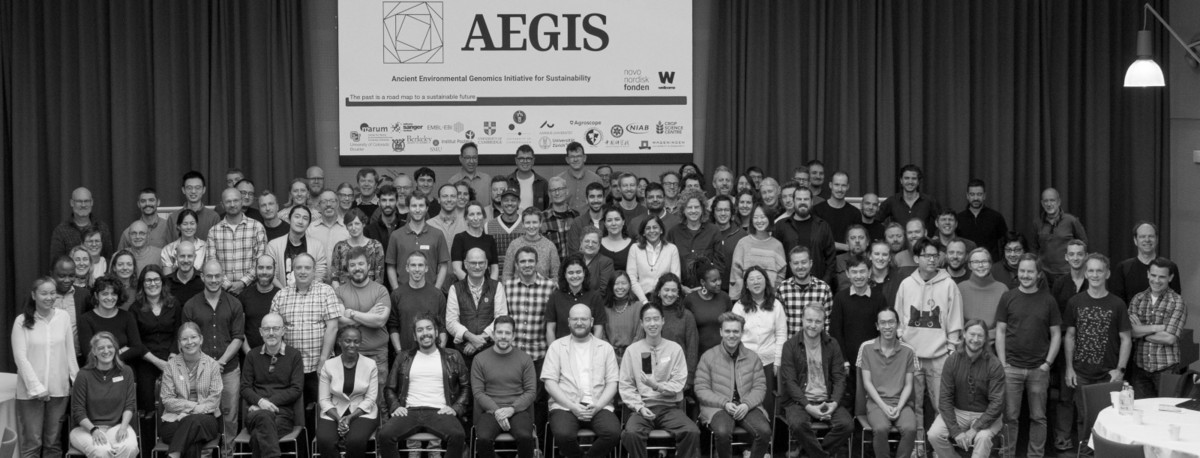
The AEGIS team at a conference
Status

Facing Forwards - understanding epidermal development in cereals

Facing Forwards aims to understand and exploit variation in epidermal features to future-proof cereal crops to changing climates.

To achieve this, we need to define the genes and developmental mechanisms controlling epidermal properties and how these affect plant performance. 

Focusing on barley and wheat, the project explores the coordinating genetic network controlling epidermal traits linked to plant performance. These genes promote cuticular wax deposition as well as formation and spacing of specialised epidermal cells (such as stomata, epidermal hairs and silica cells) which help plants cope with stressful environments.

The project uses fine-scale cuticular profiling and single cell transcriptomics to reconstruct pathways leading to different cell types and cuticular chemistries, alongside mutant alleles in genes known to control specific features. Further, the project also explores the impact of altered epidermal patterning on leaf physiology and function - including stomatal conductance and intrinsic water use efficiency. These approaches will assess spatial and temporal control of epidermal patterning and the physiological impact of trait variation to identify desirable traits and ideotypes for crop production in future climates.

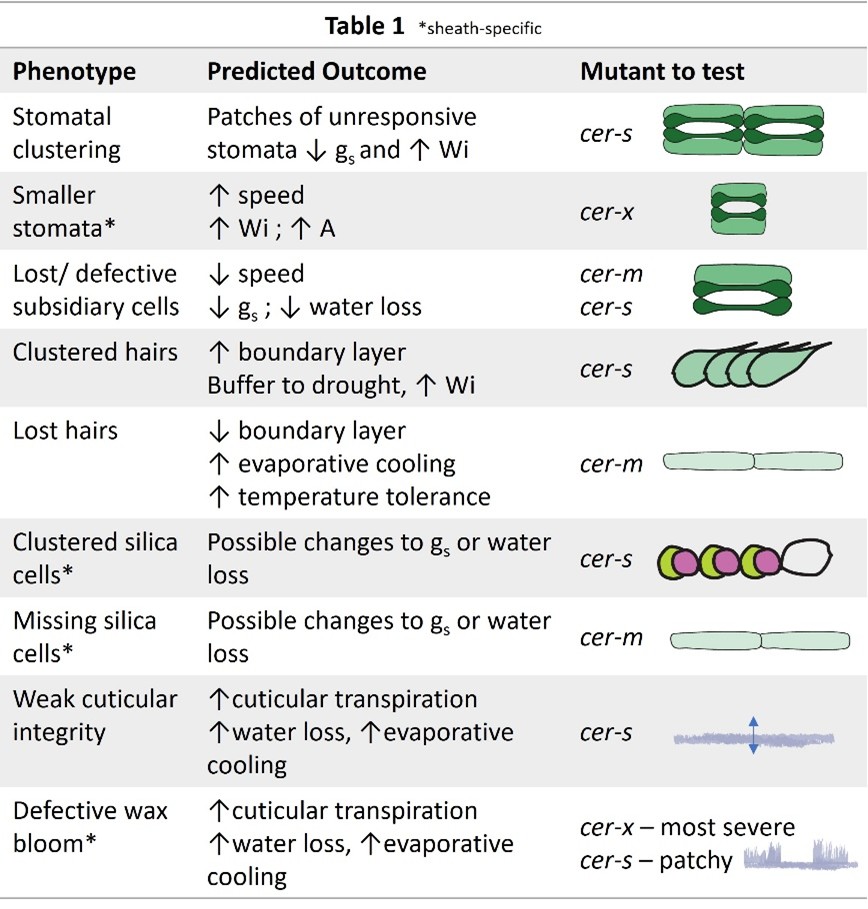
A summary of the genes/genetic loci investigated in the project, and their predicted effect on plant physiology. Source: Sarah McKim, University of Dundee.

More information

Project timings

2024-2027

Partners


Funders


Image
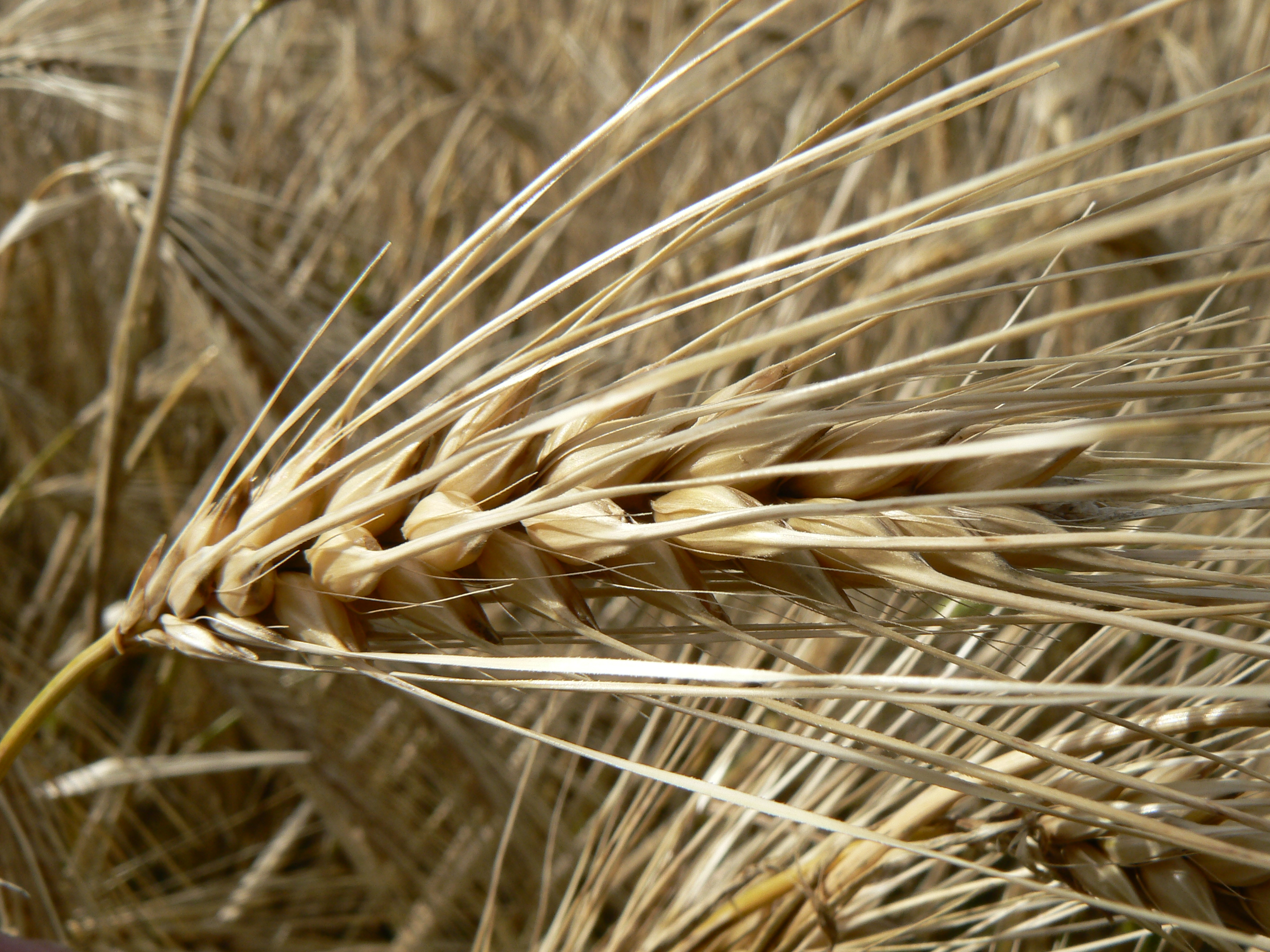
Barley
Status

Understanding the links between soil microbiome and carbon storage

Title: Exploring the links between soil microbiome and carbon sequestration in a cross-section of agricultural soils (arable, pastural, orchards)
Funder: Growing Kent & Medway Business Innovation Voucher
Industry partner: Verdant Carbon
Term: June 2023 to May 2024

Soils provide a natural sink for carbon dioxide but we need to improve our understanding of how the soil microbiome can be manipulated to improve soil carbon storage capability.

The project

Niab worked with Verdant Carbon in this Growing Kent & Medway project to understand the links between soil microbial abundance/diversity and the volume of carbon sequestered in different agricultural crops. They aimed to identify any correlations between levels of specific soil microbes and soil carbon content across the soil profile (10-60 cm) and between soil management practices (regenerative and conventional).

Results

In the project, soils were sampled at two depths (15-30 cm and 45-60 cm). Total soil organic/residual/inorganic carbon and soil nitrogen was determined at Verdant Carbon using the internationally recognised Dumas Combustion analysis method. Microbial analysis was done using Microbiometer and Soil Food web assessments at Verdant carbon, and state-of-the-art molecular tools (qPCR, amplicon sequencing) at Niab to determine the diversity and abundance of the bacterial and fungal species in the soil. The data was collected from both arable soils and pasture soils.

A comparison of fungal to bacteria ratio (F:B) obtained with different microbial analysis methods was done to determine if methods at Verdant Carbon agree with methods at Niab. The effect of farming type (arable or pasture), sampling depth and total organic content (TOC) on microbial abundance and diversity was measured to find potential associations between the quantity of carbon and microbial populations.

The ratio of fungi to bacteria (F:B) measured with Microbiometer and Soil Food Web analysis did not correlate with molecular measurement (qPCR), which was the only method that produced results in line with the literature.

There were greater numbers of bacterial and fungal communities found in the top soil (15-30 cm) compared to subsoil (45-60 cm). This effect was more pronounced in arable fields than pasture. Fungal communities were found to be richer in arable fields compared to pasture while there were few differences between bacterial communities on both farm types. The relative abundance of bacterial and fungal organisms was not affected by soil nitrogen levels.

The microbiome in arable fields was largely unaffected by various levels of TOC. In contrast the microbiome in grasslands was more affected by TOC with many fungal and bacterial species either increasing or decreasing in response to TOC. Among the species that significantly increased their relative abundance with increased soil TOC were potentially beneficial microbes (eg. nitrogen fixing and mycorrhizal fungi), but also some known pathogens such as Ilyonectria robusta, so it seems that increasing soil TOC levels could therefore have both plant growth promoting and disease promoting consequences.

This collaboration led to further IUK/Defra funded work where Niab and Verdant Carbon aim to develop a holistic soil biological health assessment.

Research project tags
Image
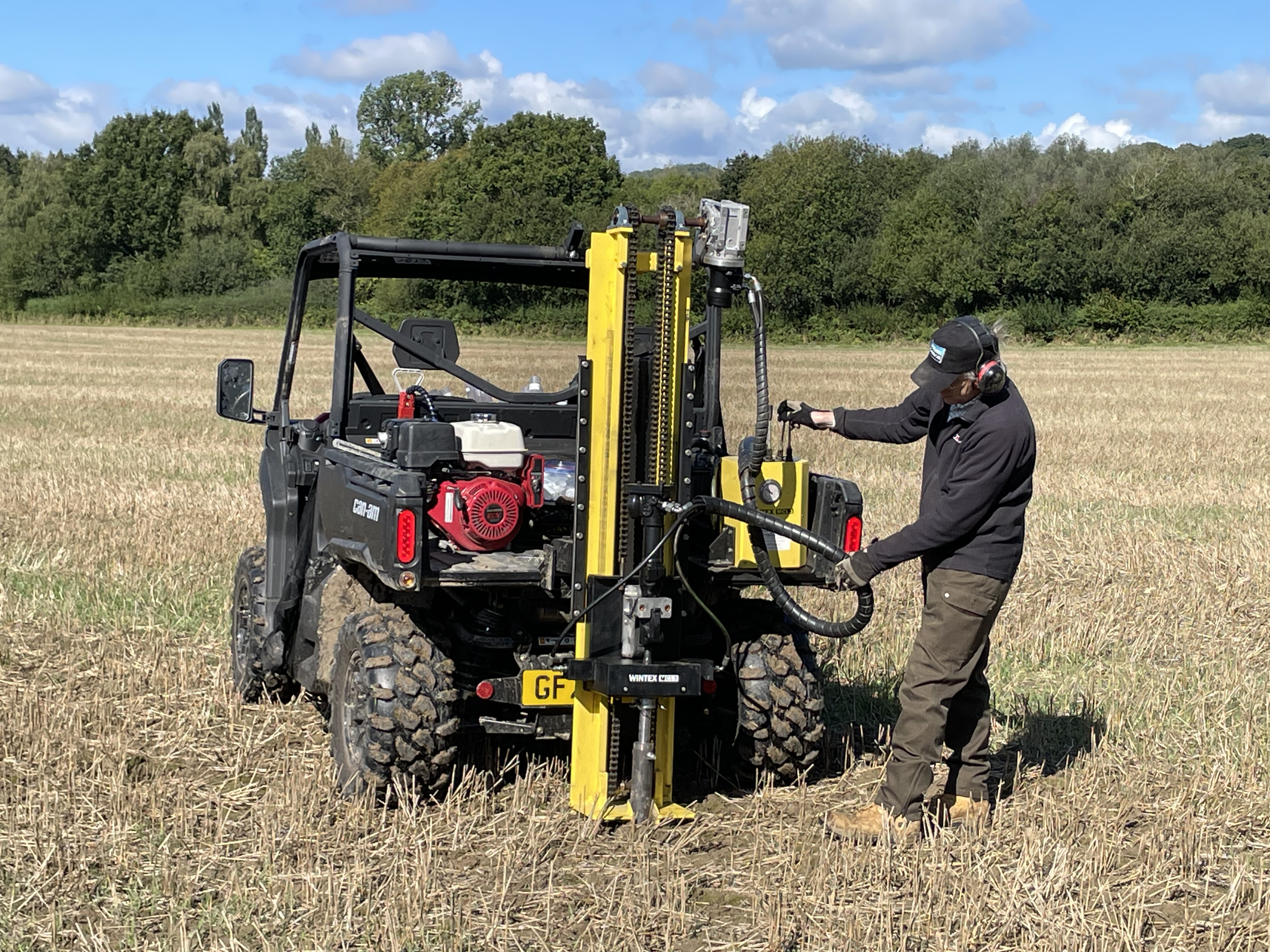
Verdant Carbon sampling soil in an arable field
Status

Sensor-based precision fertigation of stone fruit to improve nutrient use efficiency, yields, and quality whilst lowering emissions

Niab has embarked on a project that will help plum and cherry growers to match supply of water, nitrogen, phosphorus and potassium to tree demand.

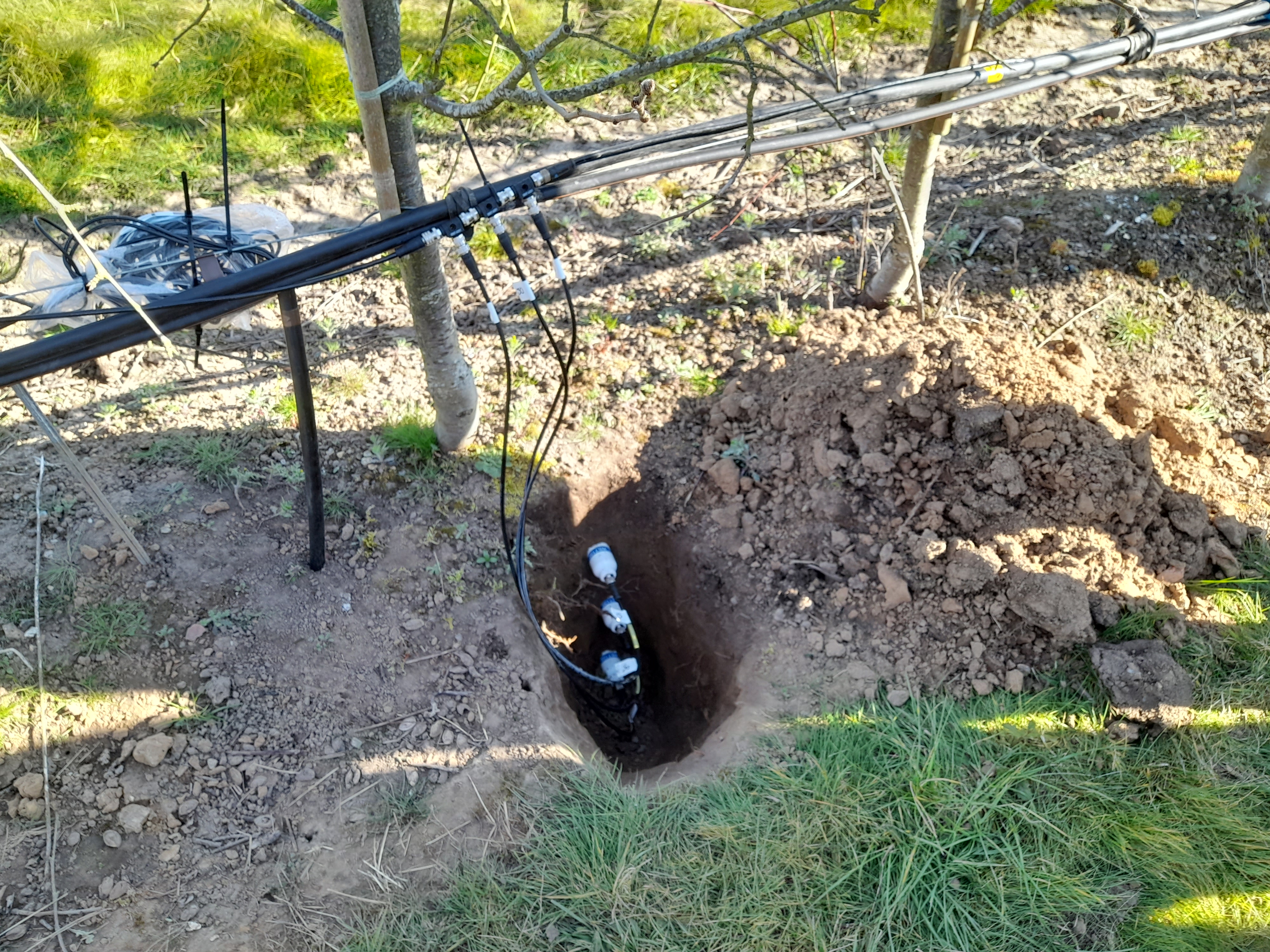
The project aims to develop novel technology for measuring nitrogen, phosphorus and potassium concentrations in soil solutions at different rooting depths in real-time. The work will also make use of a vast array of new technology including soil moisture sensors that will inform low-input water and fertiliser strategies that reduce the loss of water and nutrients from the rooting zone.

The impacts of these treatments on greenhouse gas emissions from orchard soils will also be measured. If successful, the work could develop precision irrigation and fertigation systems that can be adopted by commercial growers and lead to a reduction in water and fertiliser use in plum and cherry crops.


Funder: Defra Farming Innovation Programme

Industry partners: The Orchard Fruit Company (Lead), A.C. Hulme, Domum Agrum, Delta-T Devices, Driemtech, EDT directION, Fotenix, Soil Moisture Sense and Torry Hill Farm,

Term: January 2025 to December 2027 

Research project tags
Image
Soil moisture sensors being installed in the plum orchard
People
Status

Biomass Connect

Biomass crops are non-food plants cultivated for the purposes of energy production. Sometimes referred to as energy crops, they have a high potential energy content or calorific value. This project compares how well different crops and varieties grow in regions across the UK and demonstrates innovations which have the potential to maximise their economic and environmental benefits.

Project website

The Biomass Innovation and Information Platform is a demonstration and knowledge sharing initiative to showcase best practice and innovations in land-based biomass feedstock production.

The project has four primary aims:

  1. Independent information - to provide robust, independent information on biomass feedstock performance, agronomy, economics and environmental benefits to landowners and land managers.
  2. Variations and efficacy - to de-risk new crop adoption by ensuring that geographic variations in the efficacy of biomass feedstocks and relevant innovations are fully evaluated and demonstrated to a broad range of stakeholders across the UK.
     
  3. Knowledge - to facilitate discussion and learning regarding the biomass sector by enabling the sharing of knowledge, experiences and case studies.
     
  4. Robust evidence - to contribute to agricultural, environmental and bioenergy policy development by contributing robust evidence and facilitating interactions between policy, academia and industry.

Through the platform, the project is building a UK-wide, cohesive, regionally based community who will contribute to the development, establishment and operation of the platform. Building this focal point for the industry will support the ambitious scaling up of both the bioenergy industry itself and the scale of planting which is required to align with the Committee on Climate Change’s modelling for net zero, which anticipates expanding from 10,000 ha to 730,000 ha by 2050.

Partners

This project involves researchers and industry partners from UKCEH, Rothamsted Research, Aberystwyth University, Scotland’s Rural College (SRUC), the Agri-Food and Biosciences Institute (AFBI), Crops for Energy, Newcastle University, Niab and Bio-Global Industries.

Funders

The Biomass Feedstocks Innovation Programme is a £36 million programme, funded through the Department for Business, Energy and Industrial Strategy’s £1 billion Net Zero Innovation Portfolio, which aims to accelerate the commercialisation of innovative clean energy technologies and processes through the 2020s and 2030s.

More information

For more on Niab's role in the project contact Joe Martlew or visit the Biomass Connect website

Research project tags
Image
Biomass Connect logo
Status

Centre for High Carbon Capture Cropping

Input-efficient crops that can increase carbon capture will help farming and associated industries address climate change, but there must be confidence in achieving profitable and sustainable outcomes.

PROJECT WEBSITE

The Centre for High Carbon Capture Cropping (CHCx3) is a four-year, multi-partner project, led by Niab's Dr Lydia Smith. The research aims to help UK farmers and growers target Net Zero and build farming resilience through diversifying their arable and forage cropping. It will enable new revenue sources through a carbon marketplace and support enhanced value chains for industries such as textiles and construction.

Objectives

  • Evaluate food, forage, and industrial cropping options with potential to enhance atmospheric carbon capture, and sequestration in the soil and crop-based products
  • Optimise production of renewable biomaterials for fibre, textiles, and construction, and build value chains
  • Establish a UK Knowledge Hub providing resources to support effective uptake and utilisation of crops with high carbon capture potential
  • Quantify carbon removals, consistent with emerging standards for measurement, monitoring, reporting and verification
  • Develop carbon insetting/offsetting platforms, achieving revenue generation for farmers and supporting corporate sustainability

The project is focusing on four cropping options: cover crops; annual fibre crops (industrial hemp, flax); perennial food, feed, and forage cropping (including cereals and herbal leys); and perennial biomass crops (miscanthus, willow/poplar). Field trials and demonstrations will examine the effect of cultivation systems and agronomy on economic returns and environmental outcomes, with practical outputs including crop guides, web tools and apps.

Get involved

If you are interested in growing these crops, contact us at chcx3 [at] niab.com (chcx3[at]niab[dot]com), or sign up to receive the CHCx3 e-newsletter.

To discover more, join one of our free CHCx3 events. We will be holding field demonstrations, webinars, and workshops throughout the project. Visit the Niab Event Hub to see what’s on and book your place or contact one of our partners.

Partners

The Centre for High Carbon Capture Cropping partners are: Niab, Biorenewables Development Centre, British Hemp Alliance, Cotswold Seeds, Crops for Energy, Elsoms Seeds, Energy Crops Consultancy, English Fine Cottons, FarmED,  FC Palmer & Sons, National Farmers Union of England & Wales (NFU), Natural Building Systems, Northern Ireland Hemp Association, Rothamsted Research, Scottish Hemp Association, Terravesta, UK Hempcrete, University of York, Unyte Hemp.

Funder

This project is funded by Defra under the Farming Futures R&D Fund: Climate Smart Farming. It forms part of Defra’s Farming Innovation Programme, delivered in partnership with Innovate UK.
Research project tags
Image
Centre for High Carbon Capture Cropping logo
Status

Designing Future Wheat

This research project has now finished. The work is continued under the BBSRC-funded Designing Sustainable Wheat programme.

Wheat is a vital commercial crop and essential calorie source in the UK and globally. As the global population increases towards 10 billion people, with most increased consumption expected to occur in developing countries, the world will need to produce 60% more wheat by 2050 to meet global demand.

The BBSRC-funded Designing Future Wheat (DFW) programme was supported by eight UK research institutes and universities, including Niab, to develop the germplasm and techniques required by plant breeders to sustainably face these future production challenges. DFW continued the work started under the BBSRC-funded Wheat Improvement Strategic Programme (WISP) and consisted of four core work packages:

Increasing efficiency and sustainability

The DFW programme will develop improved germplasm for better yield, resistance to disease and a changing climate using high-throughput field technology and the genetic dissection of key traits. As part of this programme NIAB will be applying its extensive phenotyping expertise to maximise output from germplasm used within DFW, whether it be for drought tolerance or within hybrid wheat breeding programmes.

Adding value and resilience

DFW aims to enhance grain quality for human health, combat diet-related diseases and improve the resilience of wheat to biotic stresses. As part of this programme NIAB is developing germplasm with starch characteristics that improve the processing ability and digestibility of wheat.

Germplasm development for trait dissection

NIAB is characterising the novel genetic diversity captured from resynthesised wheat (SHW) and tetraploid wheats. This diversity is now in an elite wheat background and is available for exploration by the wheat research and breeding community. This is part  of DFW’s target to accelerate the discovery and deployment of genes and alleles of high value for breeding, particularly from other parts of the DFW programme and previous BBSRC-funded research.

Data access and analysis

Large-scale genomic, phenotypic and regulatory datasets from other DFW work packages will be annotated, integrated and shared to generate critical reference resources supporting interpretation and driving new avenues of investigation.

Resources

  • Breeders Toolkit
  • Designing Future Wheat - 2019 poster for UK industry shows and events
  • Increasing wheat genetic diversity - 2019 poster for UK industry shows and events
  • Designing Future Wheat - 2020 poster for UK virtual industry shows and events
  • Videos - Filmed in 2020, these videos show the journey of NIAB's involvement in Designing Future Wheat Team, from crossing in the glasshouses, through in field trials to data analysis.

Designing Future Wheat partners

Image
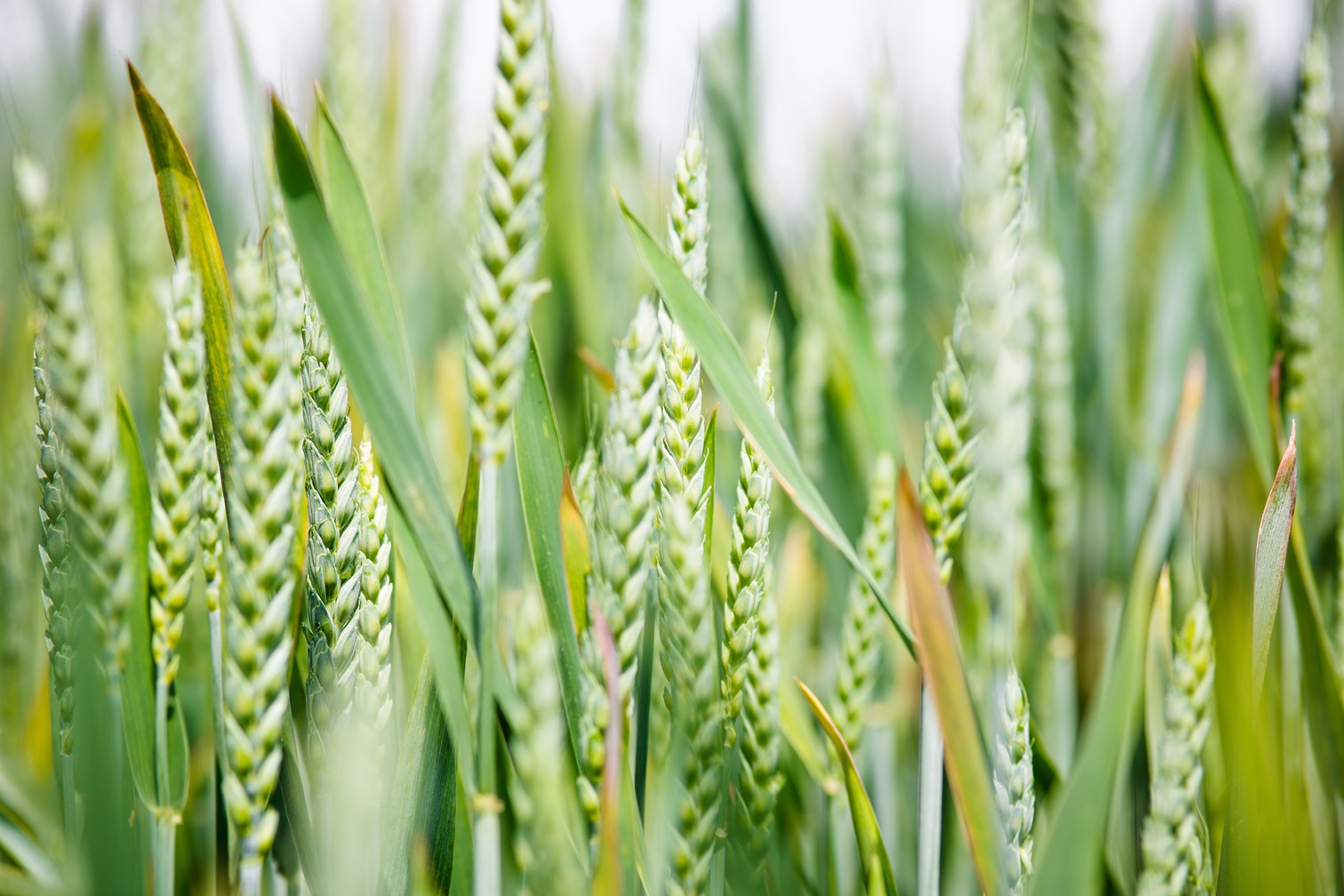
Wheat growing in a field
Status

RASCAL

Resilience in Agrifood Systems: Supply Chain Configuration Analytics Lab (RASCAL)

The RASCAL project will bring together a highly collaborative, interdisciplinary team from biological sciences, engineering, and management to co-develop intervention strategies. It will create an interactive digital lab that enables exploration of multiple scenarios involving cascade risks, and potential mitigation interventions. 

Risks to the food system include shifts in consumer demand, changing patterns in retailer sourcing, biosecurity threats, competing government policies, overseas conflicts, and climate events like floods or droughts. These factors can significantly impact production costs and future investments in infrastructure and labour. From the consumer perspective the project will investigate factors impacting economic hardship, nutritional insecurity, and associated health problems.

To achieve this, the project will follow four key stages:

  1. Build interactive digital infrastructure to leverage disparate datasets to explore the balance between self-sufficiency and imports.
  2. Develop new tools for understanding cascade risks and their cumulative impacts along well documented food supply chains.
  3. Explore real-world scenarios, using examples of UK fruit and vegetable supply and alternative protein sources, to demonstrate how advanced modelling can evaluate the impact of cascading risks.
  4. Provide intervention strategies for specific agri-food supply chains to mitigate supply chain risks through a combination of visual interactive tools and field research methods.

Project timing

September 2024-August 2027

Partners

University of Cambridge, Queen’s University Belfast; University of Plymouth

Funder

UKRI

News

UK supply chains get safeguarding boost - UKRI (7 January 2025)

ifM secures grant for major project in safeguarding food supply chains - University of Cambridge (press release - 15 January 2025)


Image
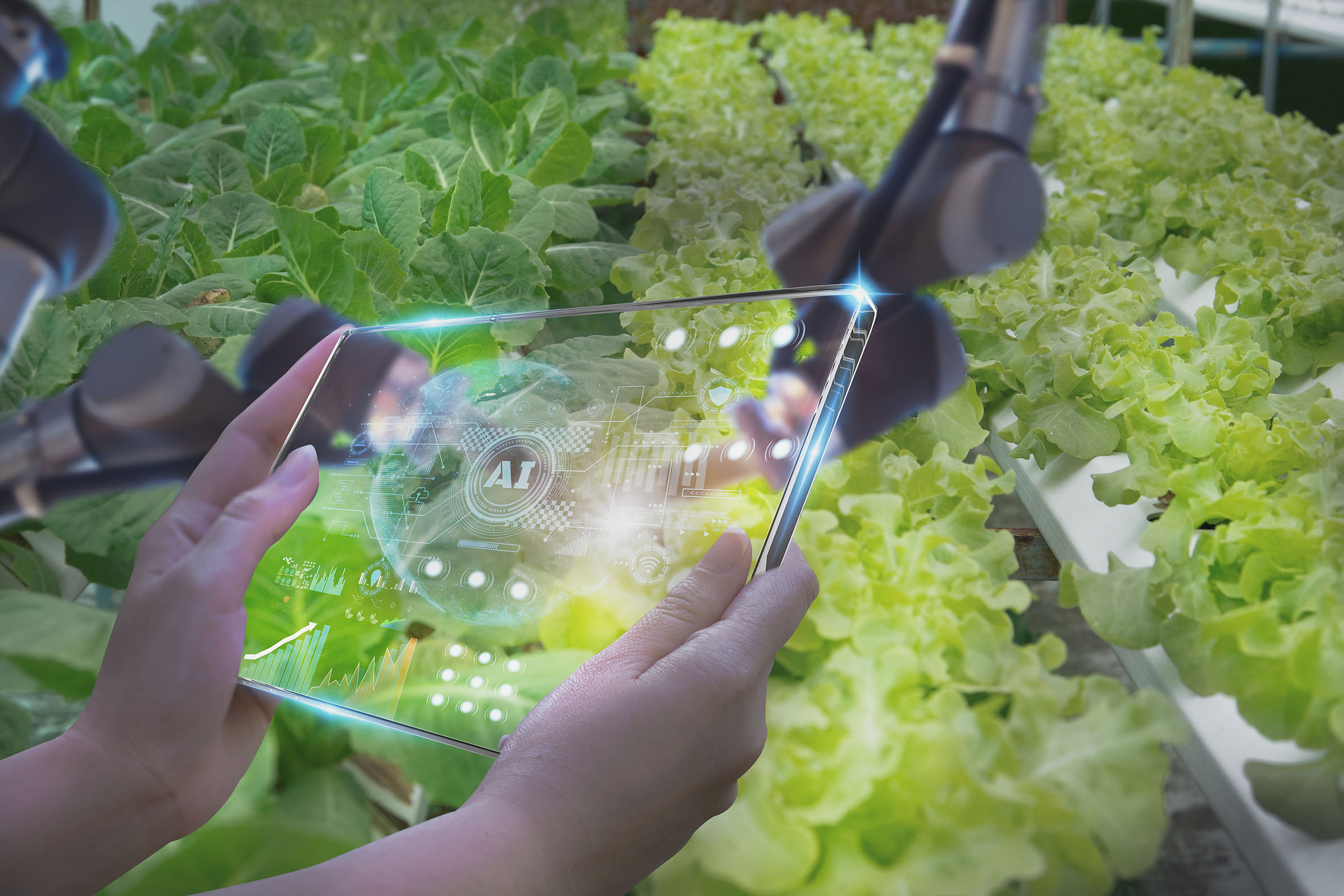
AI helping growers
Status
Subscribe to Climate