AHDB Strategic Cereal Farm Midlands

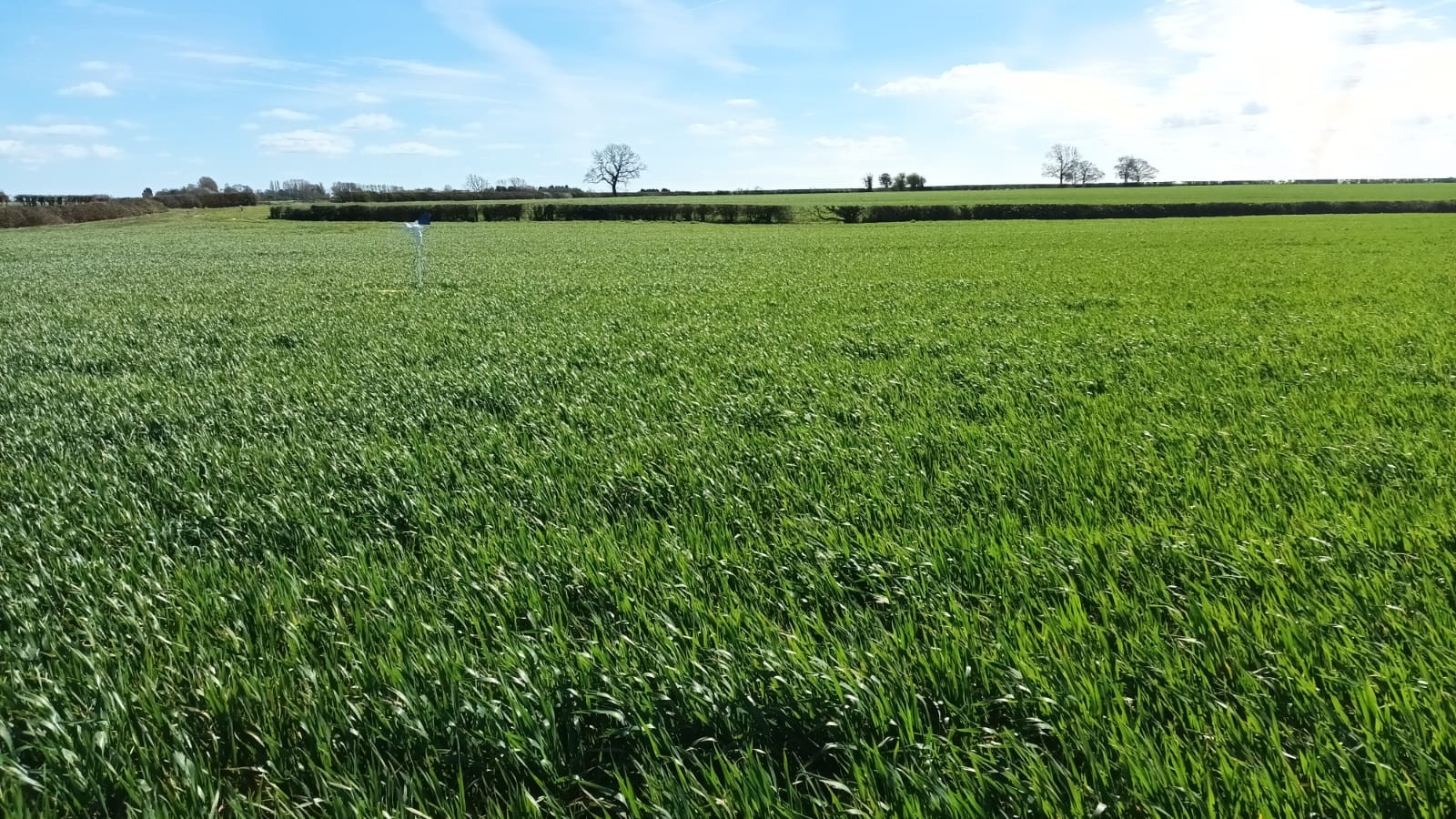
AHDB Strategic Cereal Farms aim to putting cutting-edge research and innovation into practice on commerical farms. Each farm hosts field-scale demonstrations, with experiences shared with the wider farming community. Niab has partnered with AHDB to deliver the new Strategic Cereal Farm Midlands. Will Oliver hosts Strategic Cereal Farm Midlands. The farm is keen to invetsigate how to optimise inputs, whilst maintaining yield and improving rotational management.

Niab's Farming Systems and Pathology teams have collaborated to deliver three inital workpackages:

  1. Management of maize residue for establishment and disease risks of a following winter wheat crop in a direct drill system
  2. Optimising organic amendments in nutrient management planning for winter wheat
  3. Testing novel technologies to improve disease and nitrogen management in winter wheat (in collaboration with SporeSense, a technology company that uses AI biosensors to aid early disease detection)

Partners


Funders


Duration

2025-2031

More information on the project website

Image
AHDB Strategic Farm Midlands
Status

Wheat Alliance

Chemical fertilisers have helped increase food production, but their environmental impacts and long-term sustainability are growing concerns. Wheat Alliance addresses this challenge by exploring natural routes to improved crop nutrition through beneficial interactions between wheat and soil microorganisms.

A central focus of Wheat Alliance is to understand how wheat genetics influences the selection and maintenance of a beneficial root microbiome, particularly under nutrient-limited conditions that reflect real world farming constraints. To do this, the project will exploit the exceptional diversity of wheat germplasm available at Niab, including extensive novel genetic diversity introgressed from wheat’s close relatives into the restricted elite bread wheat gene pool.

This includes synthetic hexaploid wheats (SHW) and tetraploid wheat derived populations, generated by crossing wild emmer, emmer, and durum with modern winter and spring bread wheats to boost genetic diversity. Thousands of new wheat lines are available, including diverse multi-founder experimental populations, enabling systematic discovery of genetic factors that shape plant–microbe interactions and nutrient capture.

Using advanced phenotyping and data analytics, the project will link wheat genotype to root microbiome composition and function, and develop predictive approaches to identify the most effective plant–microbe combinations. Together, these outputs aim to support the development of wheat varieties and management strategies that maintain yields while reducing reliance on synthetic fertilisers.

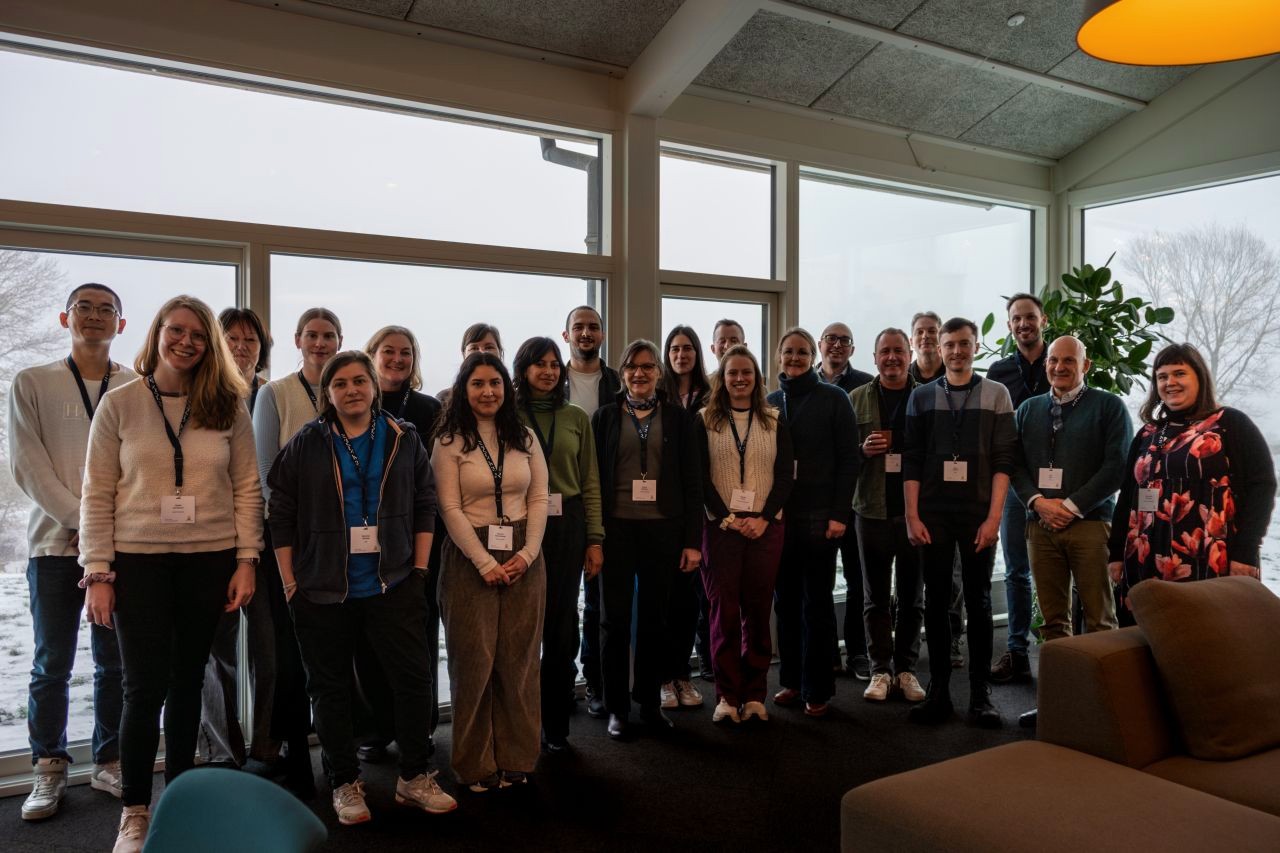
Project team members at the annual meeting

News

New Research Aims To Boost Sustainable Wheat Nutrition Through Microbes

Duration

2024-2027

Partners


Funding


Image
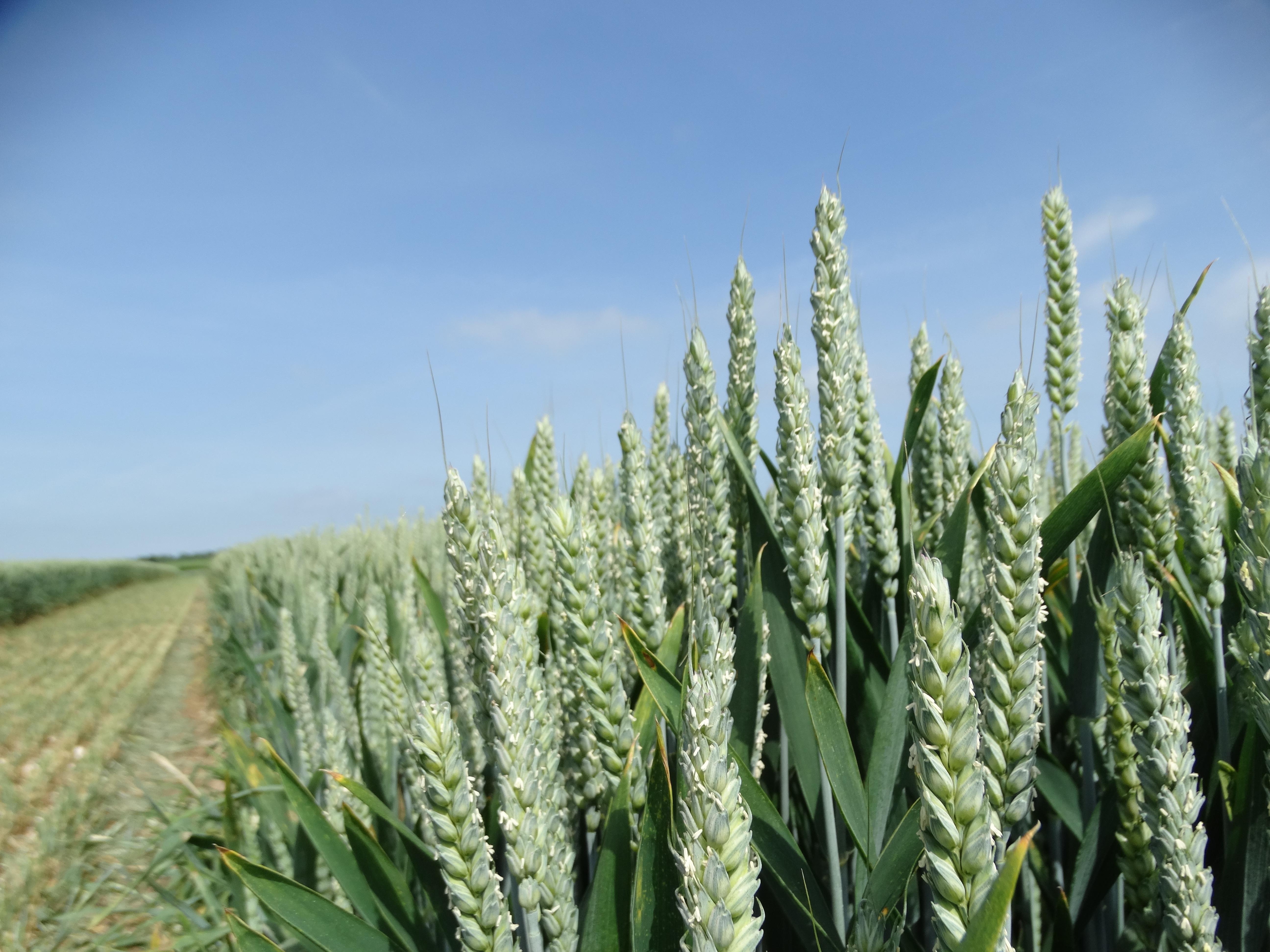
Wheat growing in a field with a blue sky in the background
Status

Developing sustainable pest and pathogen control in coir substrate

Title: Reducing the risk of oomycete pathogens, thrips and weevils for sustainable, coir based soft fruit production
Funder: Biotechnology and Biological Sciences Research Council 
Industry partner: Overland Ltd
Term: March 2023 to November 2023
 

The UK soft fruit industry has moved almost entirely from soil based production into virgin coir substrate which is normally used for a single growing season. By growing in a clean substrate, the incidence of soil borne pests and diseases has decreased, but a number of  pests and pathogens continue to adversely affect fruit yields and quality, requiring management interventions. Recently, recycling of spent coir media has been investigated as a more economic and sustainable approach. Recycled material however is associated with a much higher risk of pests and pathogens. A sustainable approach to prevent or reduce the risk of pests and pathogens in virgin and recycled coir media has been urgently needed.

The project

This project studied the biology of pests, pathogens and biocontrol agents in both virgin and recycled coir.  The research aimed to investigate the diversity and function of the microbiome in recycled and virgin coir substrate, and in particular survival and efficacy of biological control agents in virgin and recycled material. We expect recycled material to have a higher diversity of both pathogenic and beneficial microorganisms and also to enable better establishment of added biocontrol agents. The work was done on strawberry crops and to complement Growing Kent & Medway funded work with Overland Ltd on recycling optimisation and practical implementation into growing practice.

Results

The early work aimed to eliminate pest, pathogen and weed risks from recycled coir and a heating process was developed and refined which successfully inactivated pest, pathogen and weed seeds from the substrate. Further work was done to study and compare the microbiome (community of microorganisms) within both virgin and recycled coir. We investigated fungal, bacterial and oomycete organisms in each coir type collected from a commercial scale trial during peak harvest.

A greater biodiversity of fungi was found in virgin coir compared to recycled and within these, we recorded more potential fungal pathogens on the roots of strawberry plants grown in virgin coir compared to recycled. These pathogens included species of Ilyonectria, Neopestalotiopsis, Verticillium, Mucor, Macrophomina and Fusarium. We also found more Colletotrichum and Penicillium species in virgin coir but not all of these are considered pathogenic. In assessing beneficial fungi, we found more Trichoderma (both commercial biocontrol species and others), Metharizhium and Serendipita in virgin coir. In contrast we found more Rhizophagus species (beneficial arbuscular mycorrhizal fungi) in recycled coir.

Bacteria were more diverse in recycled coir, but some were more prevalent in recycled and others in virgin coir. Potentially pathogenic groups were again found to be more abundant in virgin coir.

Of the oomycetes (pathogens such as Pythium and Phytopthora species), very similar levels were recorded in virgin and recycled coir. There was a very slight increase in Phytophthora cactorum in recycled coir.
It is worth noting that no disease symptoms were observed on plants grown in virgin or recycled coir.

Image
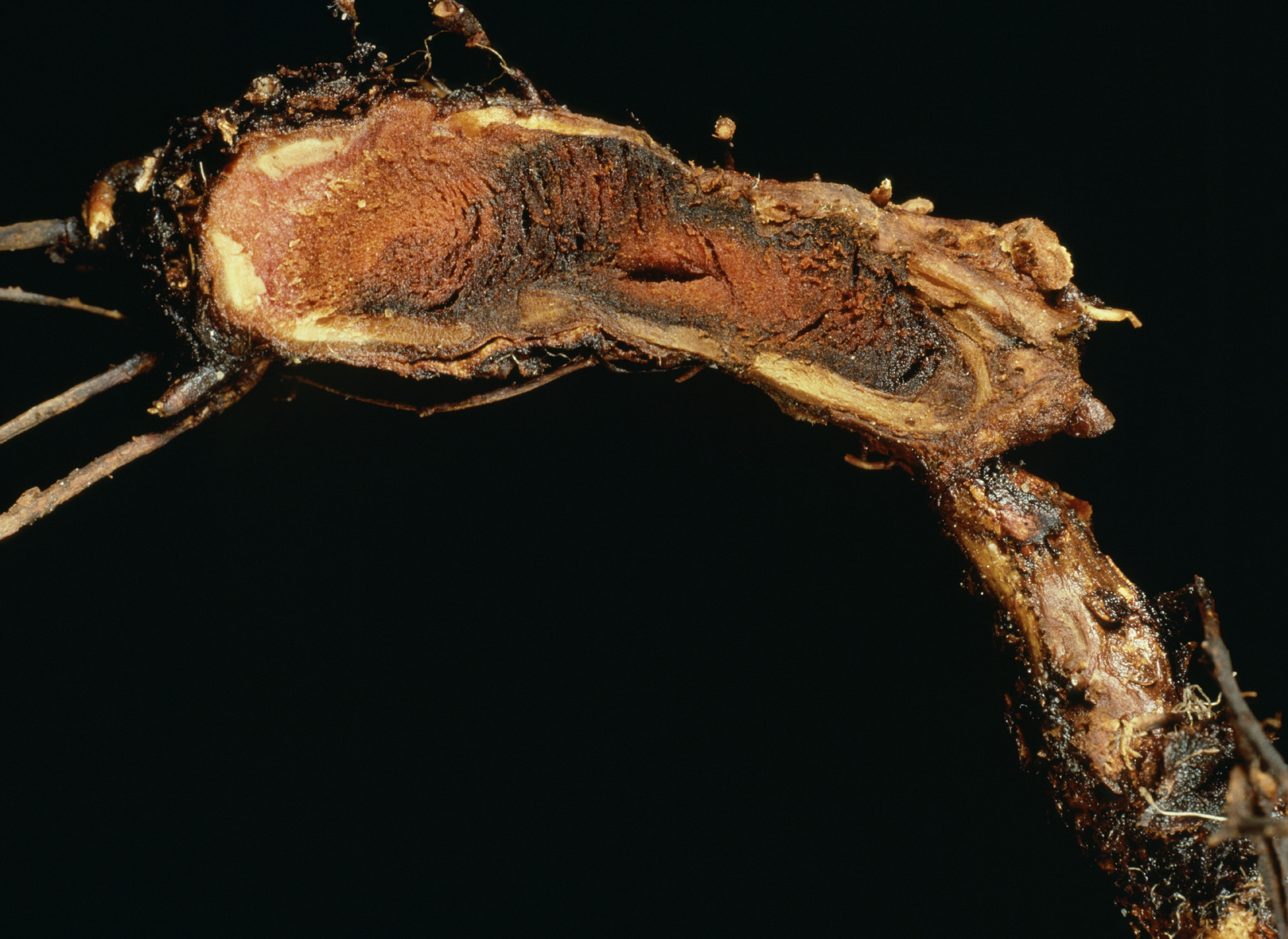
strawberry disease
Status

BioBoost

The acceleration of transition to a bioeconomy in horticulture.

BioBoost, was funded by the EU Interreg 2 Seas programme, is focused on using and reducing waste from fresh produce. Crop bi-products and waste crop materials are used as feedstocks for new higher value end-products, which otherwise would be wasted or used for lower value products. At Niab we are looking into more environmentally-friendly solutions to minimise the impact of waste on our environment and improve the sustainability of production methods. This three and a half year project includes scientists from industry and academia in The Netherlands, UK, and Belgium, seeking to learn from each other's innovations and to progress the best solutions through to the marketplace. 

The project looked to accelerate the transition towards a more circular bioeconomy by implementing regional test and pilot projects for the development of new techniques, methods and products in the horticultural sector and supporting their development towards market-uptake. We supported SMEs towards the development of innovations and to accelerate their entry to the market. This collaborative project was co-ordinated by our Dutch colleagues in Westland in the west of The Netherlands.

Resources

In this video from 2020, Lydia Smith explains Niab's involvement in the BioBoost project. She was talking to the site manager of a commercial nursery and discusses if the green pesticide options are making a difference.

Image
BioBoost logo
Status

POME: Precision Orchard Management for Environment

POME is a multidisciplinary, four-year project that will enable a step-change in the way orchards are managed.

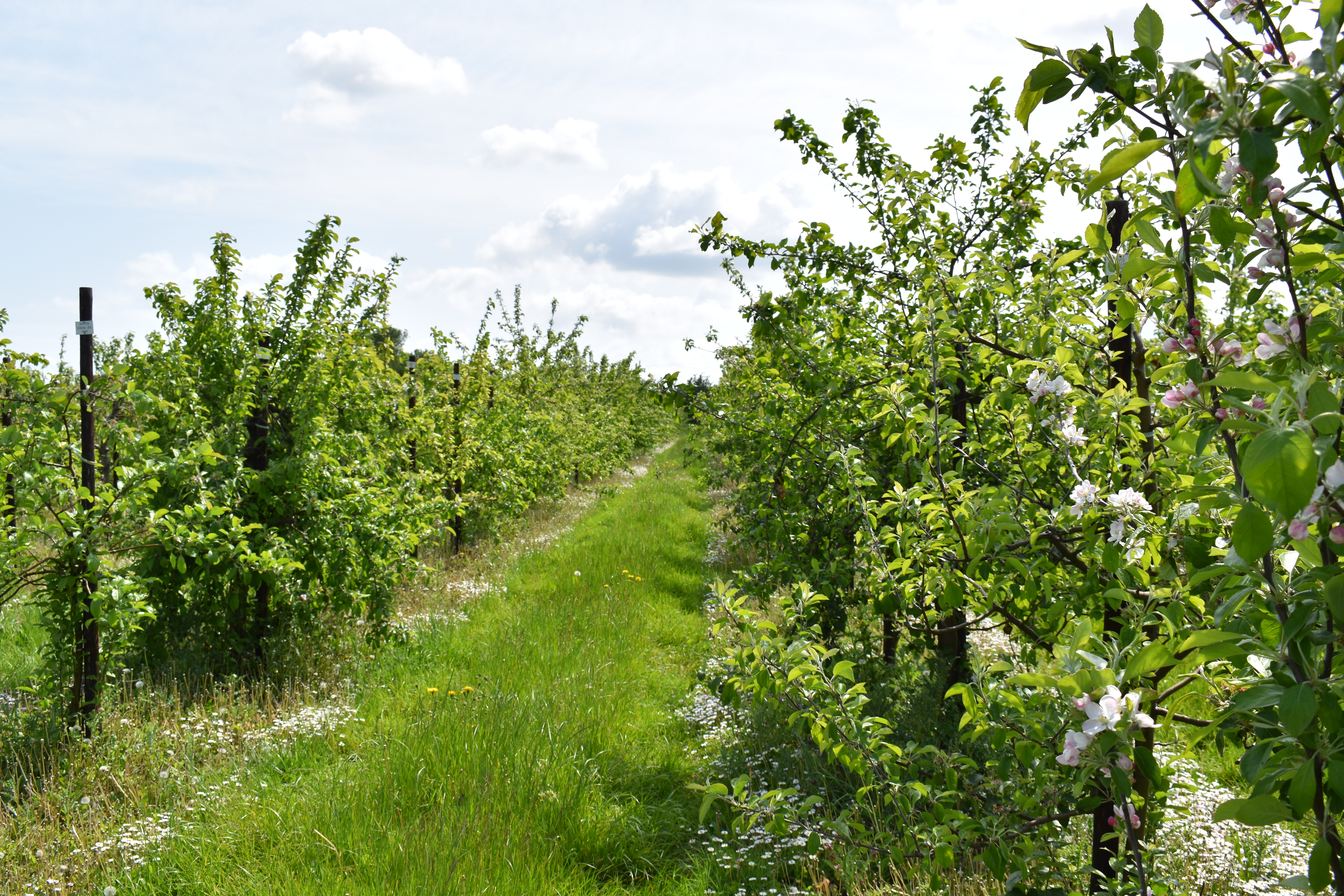
By utilising and developing a suite of cutting-edge technologies each tree in an orchard will be analysed in fine detail, allowing crop management inputs to be targeted in a way that has never been seen before in UK orchards.

Production efficiency and yield will increase whilst minimising inputs, benefiting growers, consumers, and the wider environment.

Led by the crop advisory company Hutchinsons and involving many other commercial and academic partners, including Niab, the POME project is co-funded by Innovate UK, DEFRA and the commercial partners involved in the project.

Partners

The project is led by HL Hutchinsons Ltd, with the other partners including: engineers N. P. Seymour, GNSS and software developer The Acclaimed Software Company, marketing desk Avalon Fresh, aerial imaging and data analytics company Outfield, robotics developer Antobot, remote sensing specialists Fotenix, agri-economics from the University of Kent, robotics and automation expertise from Loughborough University, Niab, and the Chemicals Regulation Directorate (CRD). There are several growers involved, including A.C. Hulme, and Plumford Farm.

Hutchinsons logoNPS Logo

The Acclaimed Software Company Logo


Avalon Fresh logoOutfield logoUniversity of Kent

Antobot logo


Fotenix logo

Loughborough University

Niab logo


ACH Farming


Funders

IInnovate UK logo

Defra logo


Project duration

November 2023 to October 2027

Image
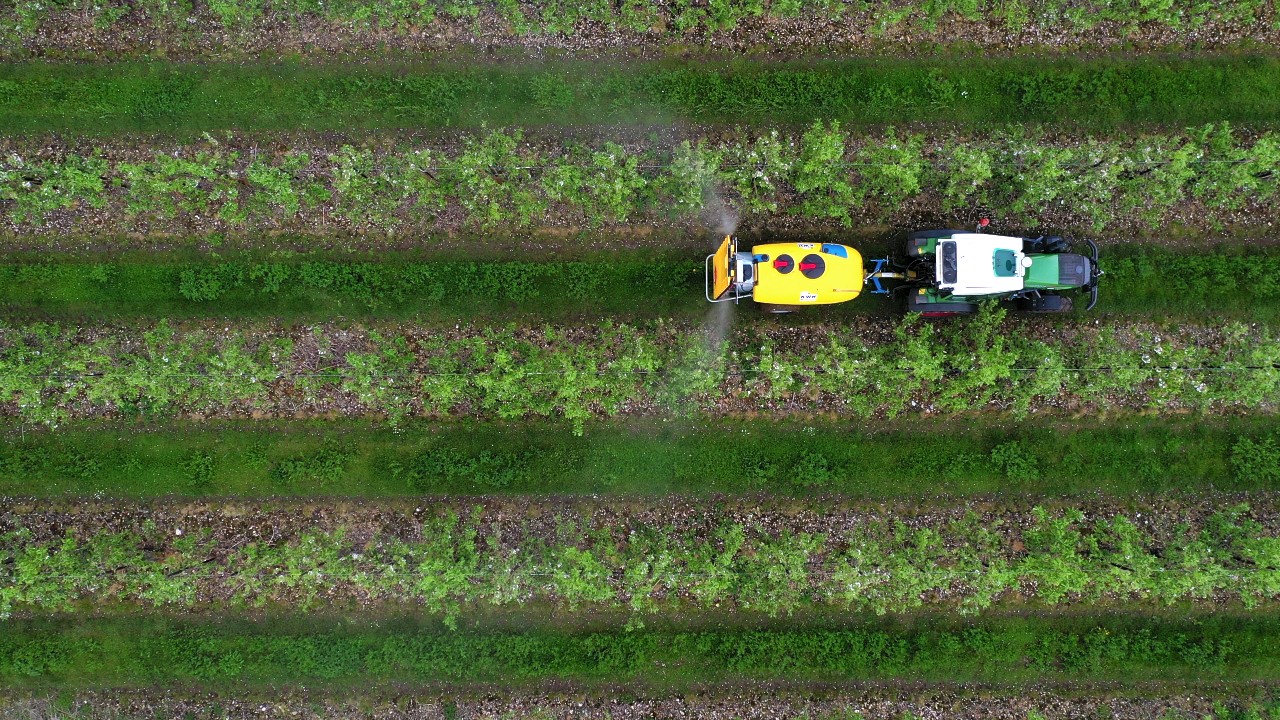
Aerial shot of a tractor spraying in orchard
Status

Developing practices to improve soil health

Several EU-funded projects have investigated methods of improving soil management practices and creating viable and sustainable alternatives to peat as a soilless substrate. The data and outcomes of one of these projects ‘EXCALIBUR’ will now be exploited by transforming agri-food by-products either into soil fertilising products or sustainable alternatives to peat substrates.

Within the project, Niab is working with ReCoir Ltd to recycle and repurpose spent coir for fruit and vegetable production.

Title: Soil health: Developing agronomic practices to improve soil health and crop productivity

Funder: Horizon Europe

Industry partner: A total of 19 other partners from EU countries will collaborate with Niab

Term: June 2024 to November 2027

Research project tags
Image
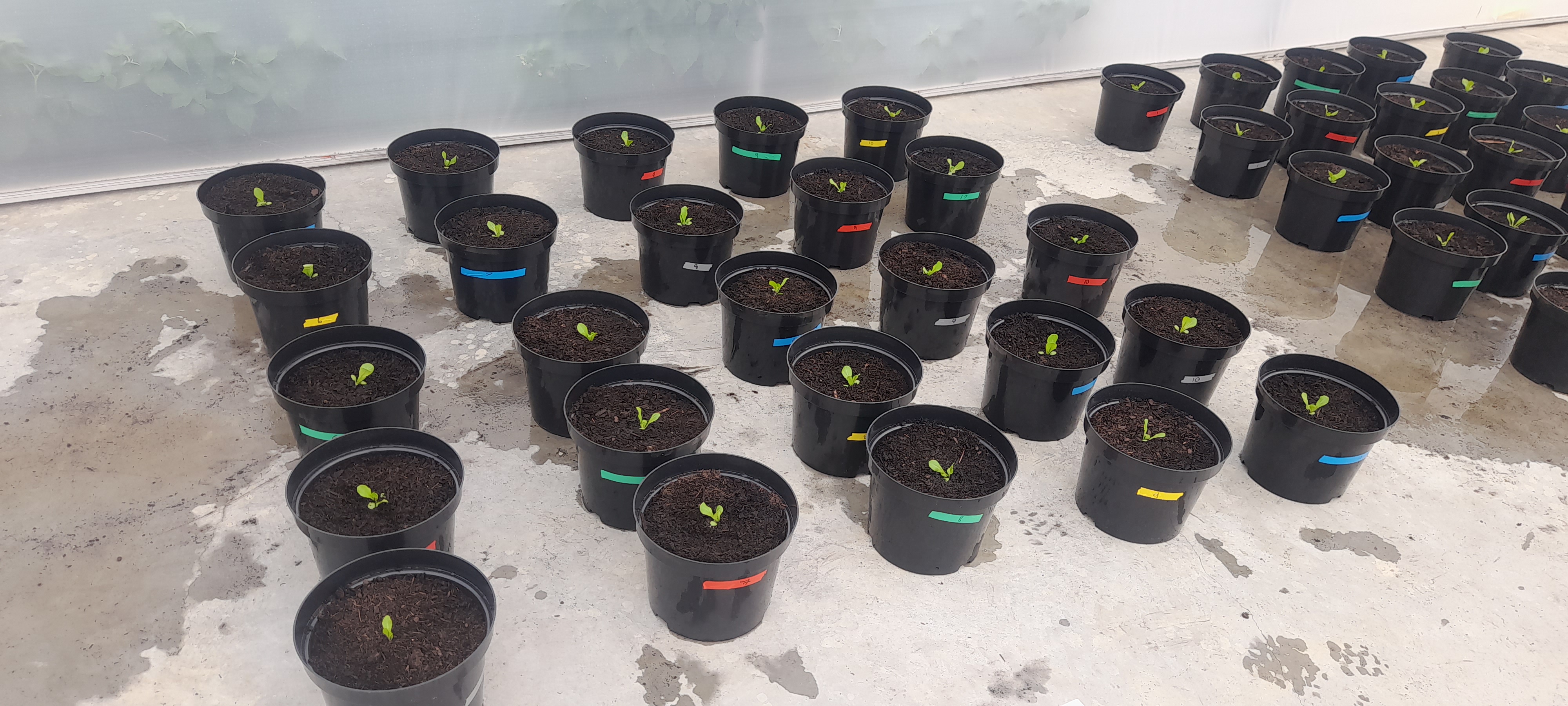
Assessing lettuce growth in recycled coir
Status

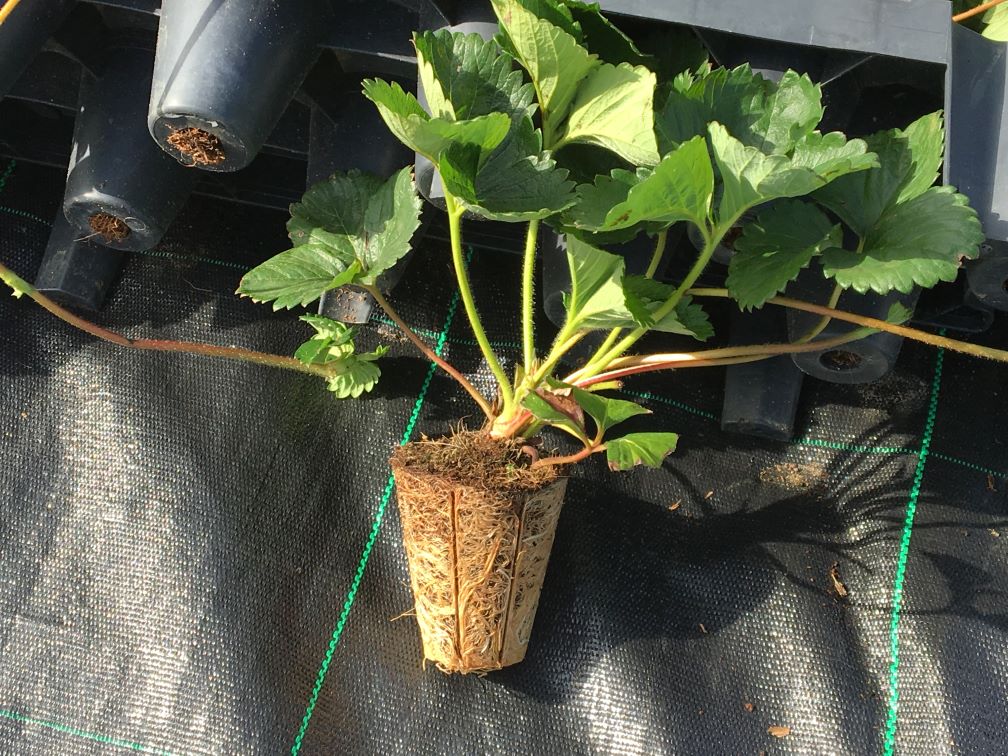
Developing a sustainable approach to propagating strawberry plants

A rapidly expanding population, climate change and uncertain food security require a different approach to food production in the UK. The new challenge is to produce higher yields of high quality crops on smaller areas of land, with reduced inputs, and in closer proximity to local markets. Total Controlled Environment Agriculture (TCEA) growing systems, sometimes known as ‘Vertical Farming’ offer a solution. At the same time, strawberry growers require higher quality healthy plant material which will produce a consistently high yield from every plant, and which can be grown locally to their final cropping location.

The project

Working with a multi-disciplinary team of researchers, technology companies and growers, Niab scientists will develop a method to produce high quality, virus-and disease-free strawberry plant propagules with assured high cropping potential in TCEA systems. The resulting pre-programmed, high-health plant material will enable import substitution of both propagules and fruit (currently £40m and £186M per year), reduce chemical inputs and waste (currently £30m/year), and deliver a product that will provide value and security for growers, when planted in conventional polytunnel systems, glasshouses (CEA) or TCEA.

Title: Optimising the propagation environment in TCEA systems to maximise strawberry yield potential in all production systems

Funder: Defra Farming Innovation Programme

Industry partners: Vertical Future, Berry Gardens Growers Ltd, The Blaise Plant Company Ltd, Cocogreen Ltd, Clockhouse Farm, Delta T Devices, Hugh Lowe Farms Ltd, Linton Growing Ltd, University of Reading

Term: June 2023 to May 2026

Image
Strawberry plant grown in a controlled environment
Status

Sensor-based precision fertigation of stone fruit to improve nutrient use efficiency, yields, and quality whilst lowering emissions

Niab has embarked on a project that will help plum and cherry growers to match supply of water, nitrogen, phosphorus and potassium to tree demand.

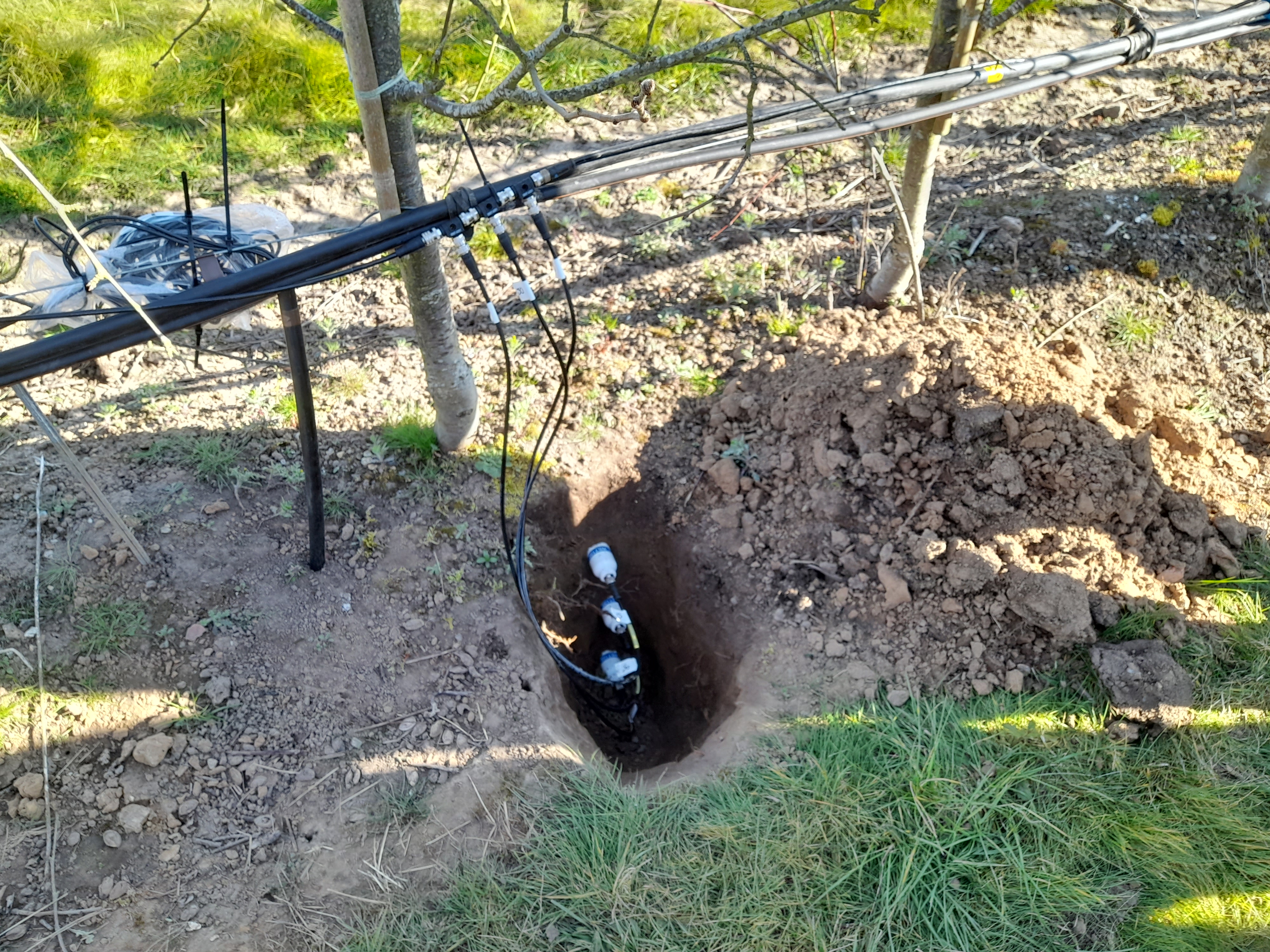
The project aims to develop novel technology for measuring nitrogen, phosphorus and potassium concentrations in soil solutions at different rooting depths in real-time. The work will also make use of a vast array of new technology including soil moisture sensors that will inform low-input water and fertiliser strategies that reduce the loss of water and nutrients from the rooting zone.

The impacts of these treatments on greenhouse gas emissions from orchard soils will also be measured. If successful, the work could develop precision irrigation and fertigation systems that can be adopted by commercial growers and lead to a reduction in water and fertiliser use in plum and cherry crops.


Funder: Defra Farming Innovation Programme

Industry partners: The Orchard Fruit Company (Lead), A.C. Hulme, Domum Agrum, Delta-T Devices, Driemtech, EDT directION, Fotenix, Soil Moisture Sense and Torry Hill Farm,

Term: January 2025 to December 2027 

Research project tags
Image
Soil moisture sensors being installed in the plum orchard
People
Status

RASCAL

Resilience in Agrifood Systems: Supply Chain Configuration Analytics Lab (RASCAL)

The RASCAL project will bring together a highly collaborative, interdisciplinary team from biological sciences, engineering, and management to co-develop intervention strategies. It will create an interactive digital lab that enables exploration of multiple scenarios involving cascade risks, and potential mitigation interventions. 

Risks to the food system include shifts in consumer demand, changing patterns in retailer sourcing, biosecurity threats, competing government policies, overseas conflicts, and climate events like floods or droughts. These factors can significantly impact production costs and future investments in infrastructure and labour. From the consumer perspective the project will investigate factors impacting economic hardship, nutritional insecurity, and associated health problems.

To achieve this, the project will follow four key stages:

  1. Build interactive digital infrastructure to leverage disparate datasets to explore the balance between self-sufficiency and imports.
  2. Develop new tools for understanding cascade risks and their cumulative impacts along well documented food supply chains.
  3. Explore real-world scenarios, using examples of UK fruit and vegetable supply and alternative protein sources, to demonstrate how advanced modelling can evaluate the impact of cascading risks.
  4. Provide intervention strategies for specific agri-food supply chains to mitigate supply chain risks through a combination of visual interactive tools and field research methods.

Project timing

September 2024-August 2027

Partners

University of Cambridge, Queen’s University Belfast; University of Plymouth

Funder

UKRI

News

UK supply chains get safeguarding boost - UKRI (7 January 2025)

ifM secures grant for major project in safeguarding food supply chains - University of Cambridge (press release - 15 January 2025)


Image
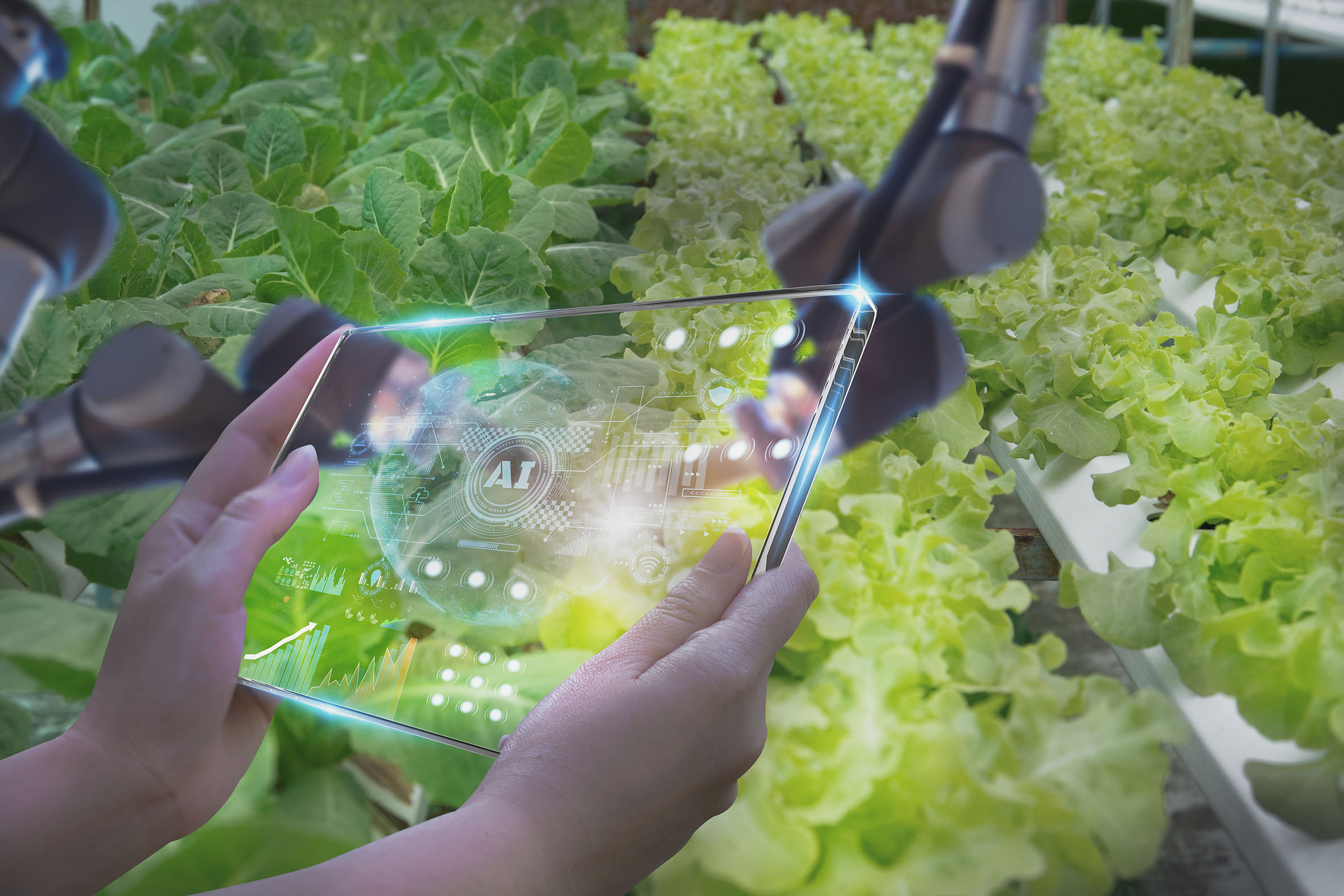
AI helping growers
Status
Subscribe to Resource use