New Farming Systems

A series of long-term studies seeking to develop bio-sustainable cropping systems for conventional arable cropping.

The New Farming Systems programme is funded by The Morley Agricultural Foundation (TMAF) and The JC Mann Trust and is being carried at Morley, in Norfolk, on a sandy clay loam soil.

Research within the NFS programme is seeking to maintain or increase system output while at the same time seeking to improve efficiency, sustainability and resilience within conventional arable cropping systems. Experiments are ostensibly examining three inter-related themes: fertility building, approaches to tillage and the use of soil amendments.

The experiments within the NFS programme are fully replicated, large plot studies that use farm scale equipment and techniques and include:

Event posters

View and download research and information posters used at open days and trade events - available on the Niab Knowledge Hub

Image
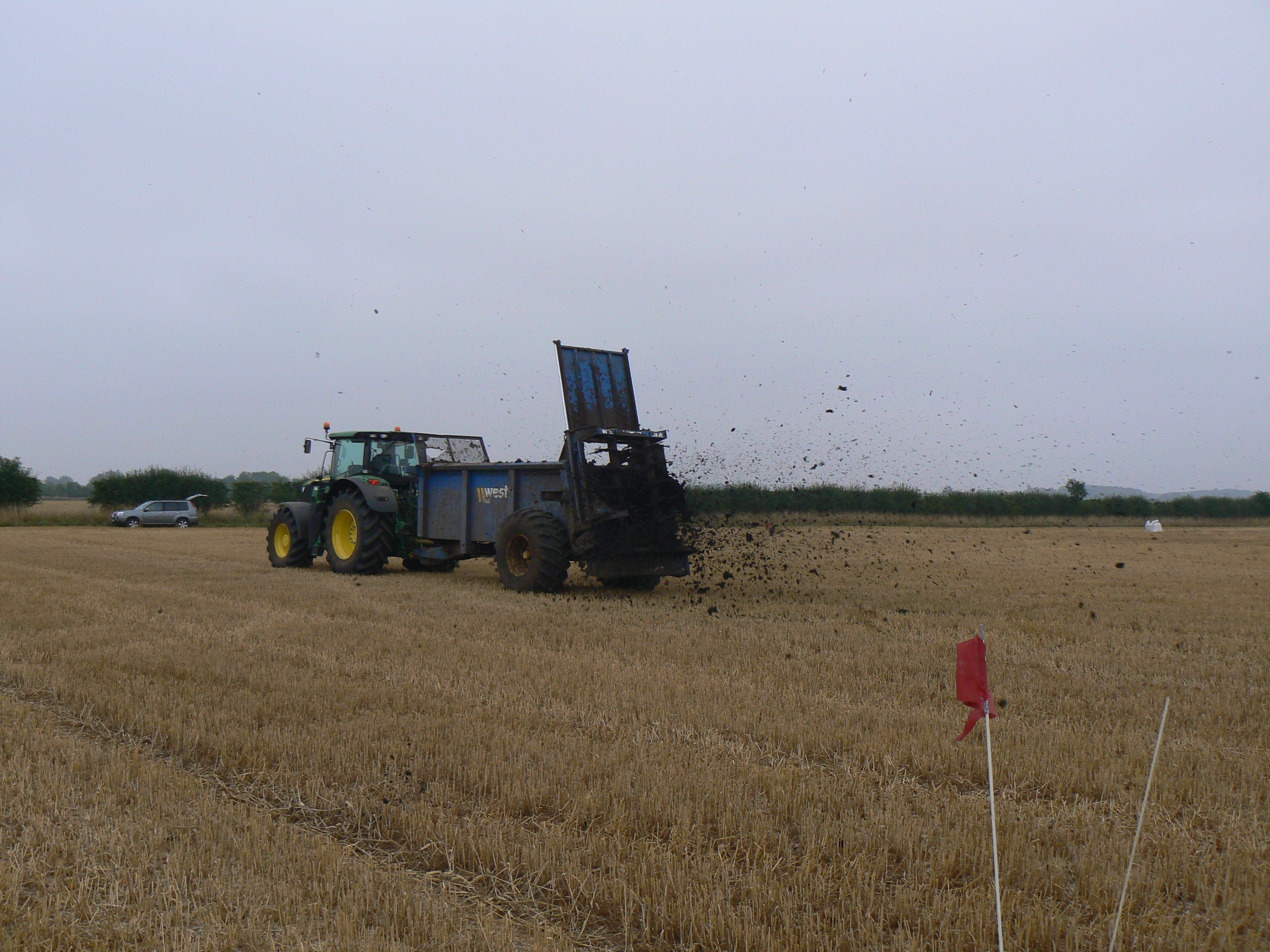
Spreading farmyard manure (FYM)
Status

Sustainability Trial for Arable Rotations (STAR)

Long-term rotation studies are rare in our industry due to short-term commercial and financial pressures, but they can provide powerful agronomic and financial information for UK farmers.

Part of Niab’s charitably funded strategic rotation research programme, the STAR (Sustainability Trial for Arable Rotations) project is a fully replicated field-scale study, based in Suffolk and supported by The Felix Thornley Cobbold Trust.

It has been examining the interaction between four cultivation methods and four rotations since 2005 with findings demonstrating clear impacts of rotation and cultivation on agronomy and production. AHDB-funded research, using a set of long-term studies including STAR, examined the impact of adopting inversion tillage or non-inversion tillage approaches in cereal production systems and concluded that there was no strong reason not to use non-inversion tillage in preference to ploughing.

Open Day

Niab runs an annual STAR Open Day, usually in either May or June depending on the rotation. Further details and booking available late spring on the Niab Event Hub

Seminars

Online seminar - 4 June 2024
Online seminar - 27 May 2021

Resources

REPORT: STAR - Year 18 (2022/23) project report - 2024
LEAFLET: STAR - summary flyer (2022)
REPORT: STAR - Year 17 (2021/22) project report - 2023
REPORT: STAR - Year 16 (2020/21) project report - 2022
REPORT: STAR - Year 15 (2019/20) project report - 2021
REPORT: STAR - Year 14 (2018/19) project report - 2020
REPORT: The STAR Project - long-term report Years 1-10 (2006–2015)
RESEARCH PAPER: Sustainability Trial in Arable Rotations (STAR project): a long term farming systems study looking at rotation and cultivation practice. Stobart, RM, Morris, N (2011). Aspects of Applied Biology 113
RESEARCH PAPER: Platforms to test and demonstrate sustainable soil management: integration of major UK field experiments. Stobart, RM, Hallett, PD, George, TS, Morris, N, Newton, AC, Valentine, TA, McKenzie, BM (2014). Aspects of Applied Biology 127

Event posters

View and download research and information posters used at open days and trade events - available on the Niab Knowledge Hub.

Image
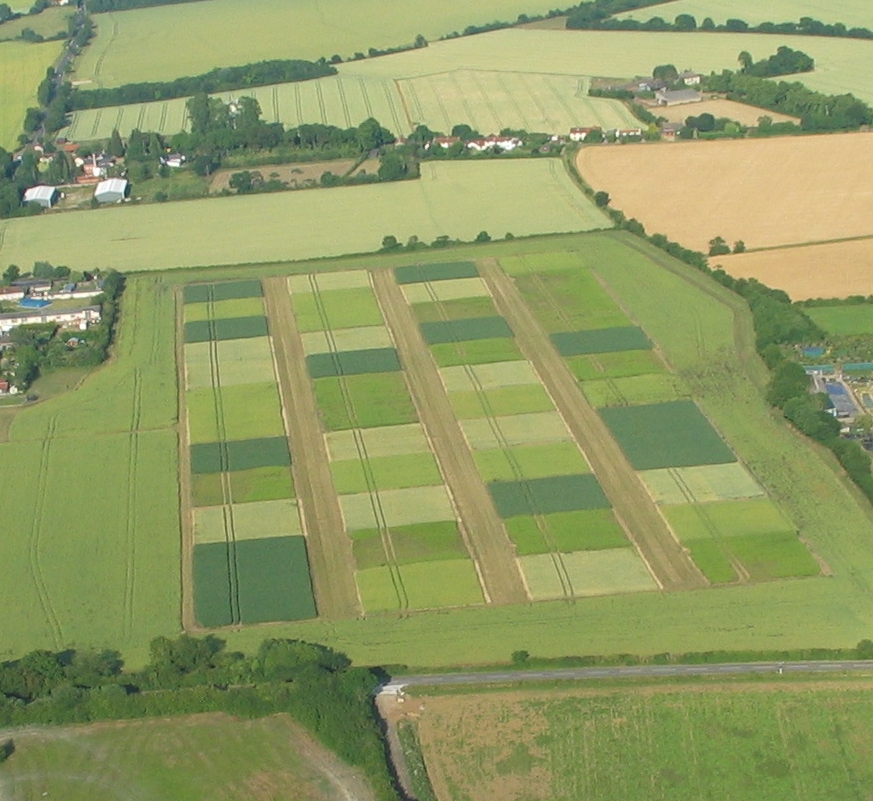
Aerial shot of the STAR site
Status

csfbSMART

This research project has now finished. Work is continuing on the subject in other funded research.


csfbSMART – ‘Sharing Management and Agronomy Research Tools’ – aims to test management methods and tools for use against Cabbage Stem Flea Beetle on UK farms, with oilseed rape growers provided with information on how to implement and assess these management strategies over the next three years.

csfbSMART connects two research projects investigating CSFB control. ‘Reducing the impact of CSFB on OSR in the UK’ aims to improve understanding of the pest’s biology and investigate alternative management methods. It is led by ADAS and Harper Adams University and funded by AHDB and a consortium of industry organisations. The second, ‘CSFB: evaluating management of oilseed rape on-farm for maximum margins’, led by NIAB and funded by Defra, aims to test these management methods on a wider scale, encouraging growers to carry out their own trials and assess their effectiveness.

The area of winter oilseed rape in the UK has declined significantly as a result of the withdrawal of neonicotinoid seed dressings that controlled cabbage stem flea beetle in the crop. Without effect chemical control the pest has become increasingly problematic, often leading to complete crop failure. Its future management will be reliant on a range of agronomic approaches.

The first stage of csfbSMART involves current, past and future oilseed rape growers participating in on-farm monitoring and reporting on current agronomic programmes in combatting flea beetle.

The second stage will support on-farm trials of alternative management methods to implement robust evaluation of practices and monitoring approaches.  This will include supporting effective interaction and learning between researchers, farmers and industry partners, through conferences, webinars, open days and workshops, to develop recommended bundles of monitoring and management approaches that are both effective and practicable.

csfbSMART is a unique, one-off, opportunity to draw together everybody’s knowledge and experience in a coordinated and sustained effort. From 2021 to 2024, csfbSMART will collate, assess and share information freely between growers and researchers, learn from successes and failures and work with farmers and agronomists to select innovations for detailed assessment through on-farm evaluation and research investigation.

csfbSMART will roll out monitoring tools to build a national and seasonal picture of the pressures of cabbage stem flea beetle larvae and adults within oilseed rape crops and the wider farming environment. It will enable farmers and agronomists to develop their own tailored strategies, regularly updated and supported by the latest research, and share results to create more robust solutions.

News and resources

Results, reports and posters will be posted here when available. Check the @niabgroup twitter feed for the latest #csfbSMART news

2022 posters - three posters covering the lifecycle and management of cabbage stem flea beetle

2021 poster - Join the fight against cabbage stem flea beetle

Soil moisture video

Need to work out your soil moisture? For a simple method, check out our short how to video, complete with downloadable spreadsheet to help you work out your own soil moisture.

Stem larvae counting made easy

Meeting summarising findings from the national csfb Stem larval counts

Press releases

Arable industry joins together to fight cabbage stem flea beetle - press release (5/2/21)

The consortium

csfbSMART partners include AHDB, Niab, ADAS, Harper Adams University and Rothamsted Research. The taskforce also includes Agrovista, AICC, BASF, Bayer CropScience, Cotton Farm Consultancy Ltd, DSV, Elsoms, Frontier, Innovative Farmers, KWS UK, Limagrain, LS Plant Breeding, RAGT, Sentry Ltd, Syngenta, Tuckwell Farms, United Oilseeds and Yara. Funding is provided by AHDB and Defra.

Research project tags
Image
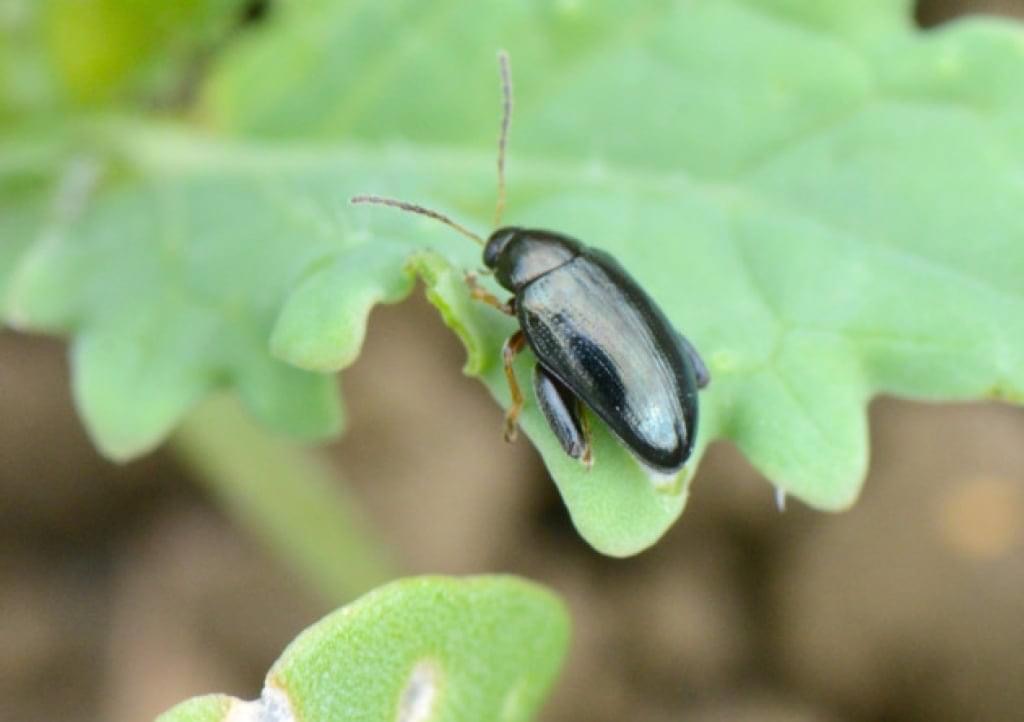
Cabbage stem flea beetle
People
Status

Rustwatch

The European Union project RustWatch ran from 2017 to 2022 and involved 24 partner organisations. Niab led one of the five work packages, joining organisations from 12 European countries plus Pakistan, thus consolidating the cereal rust research community and relevant stakeholders across Europe.

The main aim of the project was to seek solutions to challenges posed by wheat yellow (stripe), brown (leaf), and black (stem) rust diseases. Niab is still supporting Europe-wide wheat rust surveillance as part of a new EU research programme IPMorama, data from which will feed into the UKCPVS and vice versa.

The cereal rust landscape within Europe is constantly changing and it is essential for Niab to maintain close links with the European cereal rusts research community. In 2016 Europe experienced the most severe epidemics of wheat stem rust for more than 50 years. In 2017 unusual and severe epidemics of yellow rust were observed on several continents, with the pre-existing populations of wheat yellow rust in Europe having been replaced by invasive races of non-European origin on more than one occasion.

Outputs

RustWatch explored the drivers shaping the European wheat rust populations,  and assessed their impact on agricultural productivity in the context of IPM Directive 2009/128/EC.

Outputs included:

  • A European wheat rust network including all stakeholders
  • Shared facilities and procedures for early-warning and risk assessment
  • A better understanding of drivers for spread and establishment of new races
  • New IPM-based strategies for disease prevention and control
  • Input to EU plant health policy for non-regulated invasive pathogens

The project was coordinated by Prof Mogens S. Hovmøller of Aarhus University (AU), Department of Agroecology, who also is head of the Global Rust Reference Center hosted by AU.

Download NIAB's 2019 event posters summarising the RustWatch project - NIAB Poster 1 and NIAB Poster 2

Papers with Niab staff as co-authors

Rustwatch videos produced by Niab:

Winter wheat variety trials and RustWatch

Yellow rust and RustWatch

Keep up to date with changes in the race structure and genetic groups of yellow rust populations across Europe, Africa, Asia and South America: Yellow Rust Toolbox-Maps and Charts

Image
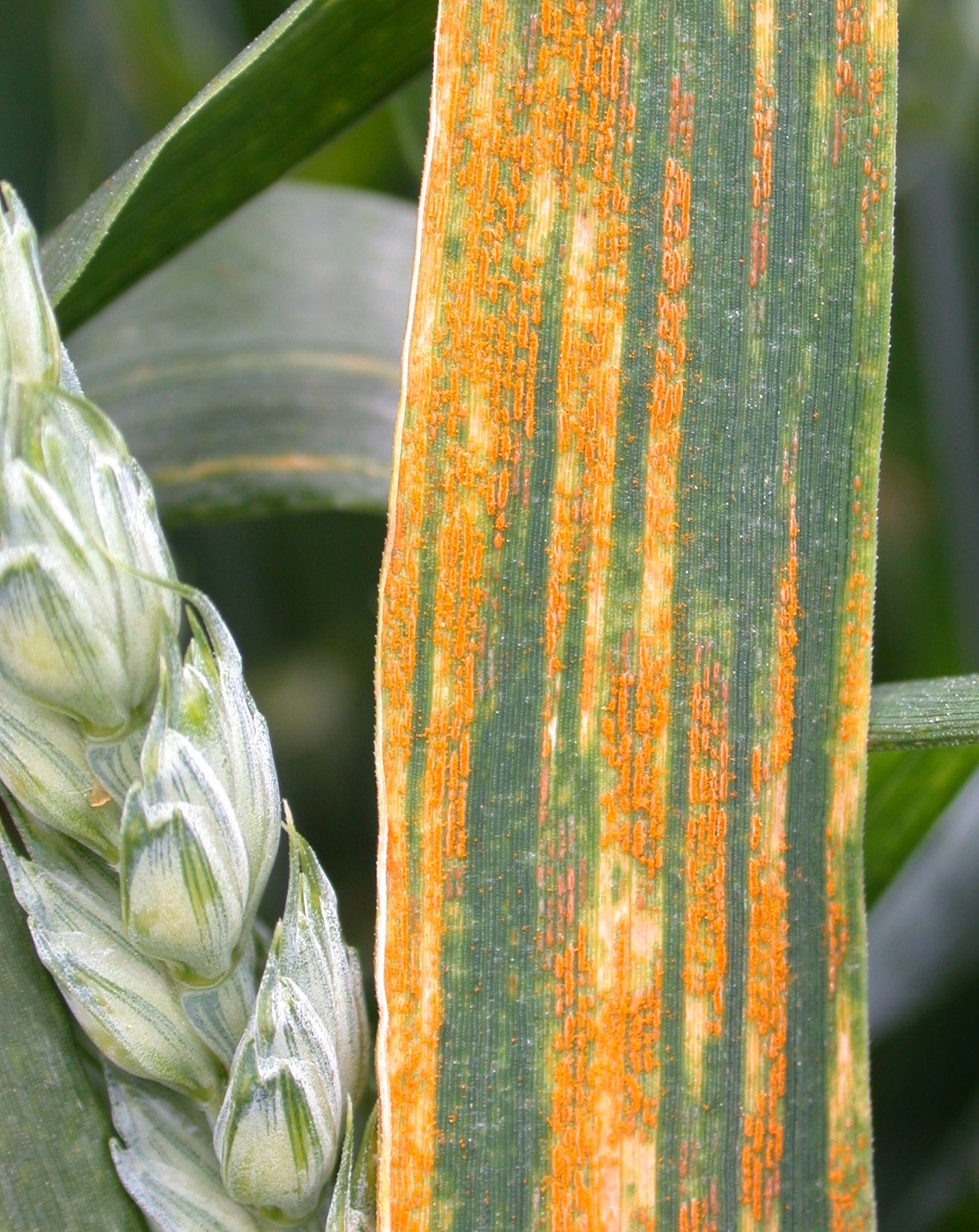
Yellow rust on a wheat leaf
Status

Designing Future Wheat

This research project has now finished. The work is continued under the BBSRC-funded Designing Sustainable Wheat programme.

Wheat is a vital commercial crop and essential calorie source in the UK and globally. As the global population increases towards 10 billion people, with most increased consumption expected to occur in developing countries, the world will need to produce 60% more wheat by 2050 to meet global demand.

The BBSRC-funded Designing Future Wheat (DFW) programme was supported by eight UK research institutes and universities, including Niab, to develop the germplasm and techniques required by plant breeders to sustainably face these future production challenges. DFW continued the work started under the BBSRC-funded Wheat Improvement Strategic Programme (WISP) and consisted of four core work packages:

Increasing efficiency and sustainability

The DFW programme will develop improved germplasm for better yield, resistance to disease and a changing climate using high-throughput field technology and the genetic dissection of key traits. As part of this programme NIAB will be applying its extensive phenotyping expertise to maximise output from germplasm used within DFW, whether it be for drought tolerance or within hybrid wheat breeding programmes.

Adding value and resilience

DFW aims to enhance grain quality for human health, combat diet-related diseases and improve the resilience of wheat to biotic stresses. As part of this programme NIAB is developing germplasm with starch characteristics that improve the processing ability and digestibility of wheat.

Germplasm development for trait dissection

NIAB is characterising the novel genetic diversity captured from resynthesised wheat (SHW) and tetraploid wheats. This diversity is now in an elite wheat background and is available for exploration by the wheat research and breeding community. This is part  of DFW’s target to accelerate the discovery and deployment of genes and alleles of high value for breeding, particularly from other parts of the DFW programme and previous BBSRC-funded research.

Data access and analysis

Large-scale genomic, phenotypic and regulatory datasets from other DFW work packages will be annotated, integrated and shared to generate critical reference resources supporting interpretation and driving new avenues of investigation.

Resources

  • Breeders Toolkit
  • Designing Future Wheat - 2019 poster for UK industry shows and events
  • Increasing wheat genetic diversity - 2019 poster for UK industry shows and events
  • Designing Future Wheat - 2020 poster for UK virtual industry shows and events
  • Videos - Filmed in 2020, these videos show the journey of NIAB's involvement in Designing Future Wheat Team, from crossing in the glasshouses, through in field trials to data analysis.

Designing Future Wheat partners

Image
Wheat growing in a field
Status
Subscribe to Cereals