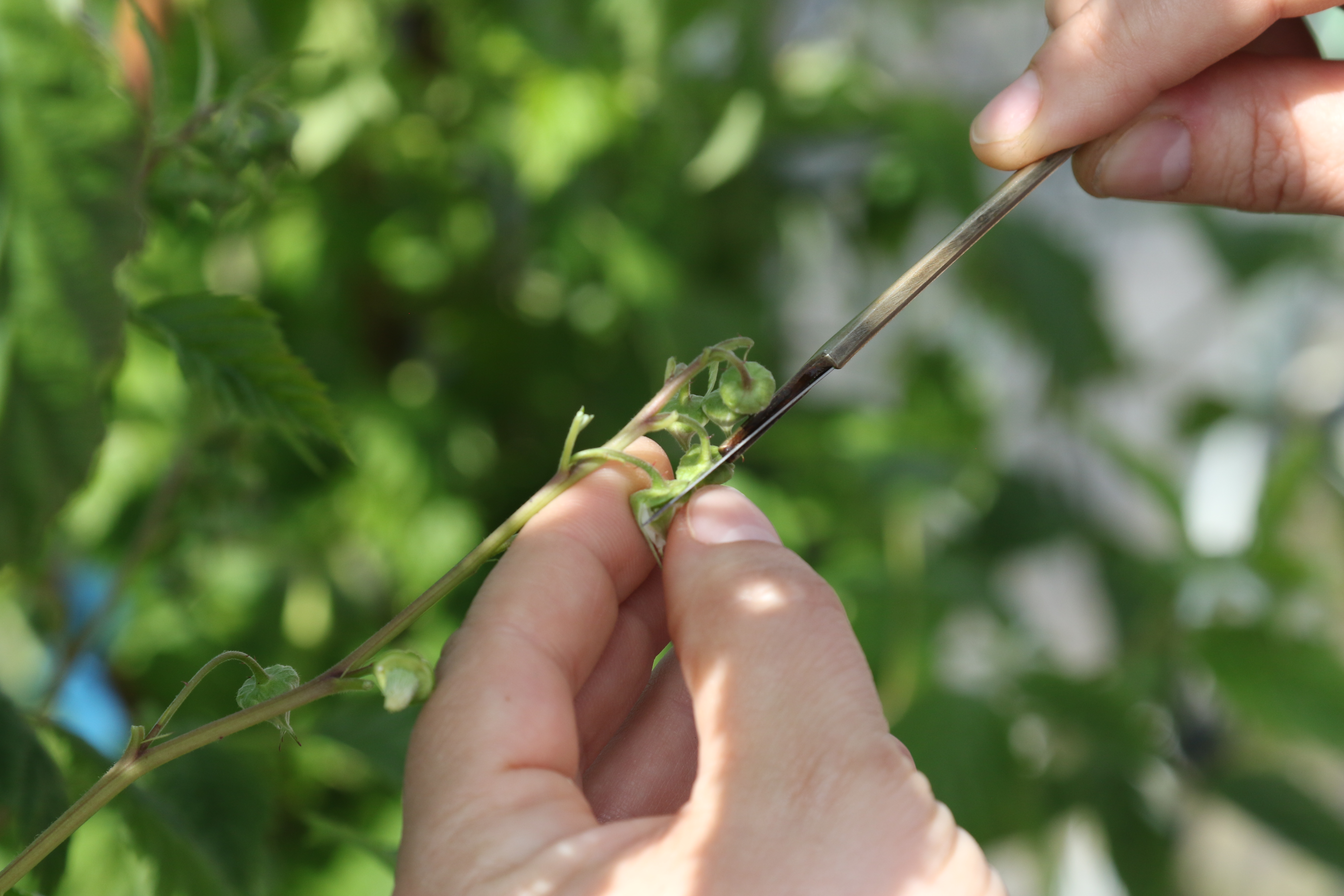
There are increasing numbers of privately funded breeding programmes in the UK soft fruit industry which would all benefit from a co-ordinated research approach to pre-breeding genetics of key traits and new breeding tools. This project is being funded by Defra to link academia to industry and develop our understanding of the genetics influencing improved tolerance to pests and diseases, and increased water and nutrient use efficiency in strawberry and raspberry. It will also develop genetic tools and resources for minor crops such as blackberry and honeyberry to support increased production in the UK.
With static returns and rapidly rising production costs, the profitability of strawberry growing in the UK has become marginal, with some growers making losses causing them to cease production. This declining home production has led to increased imports of strawberries, highlighting the need for sustainable home-grown solutions to meet demand, especially out of season.
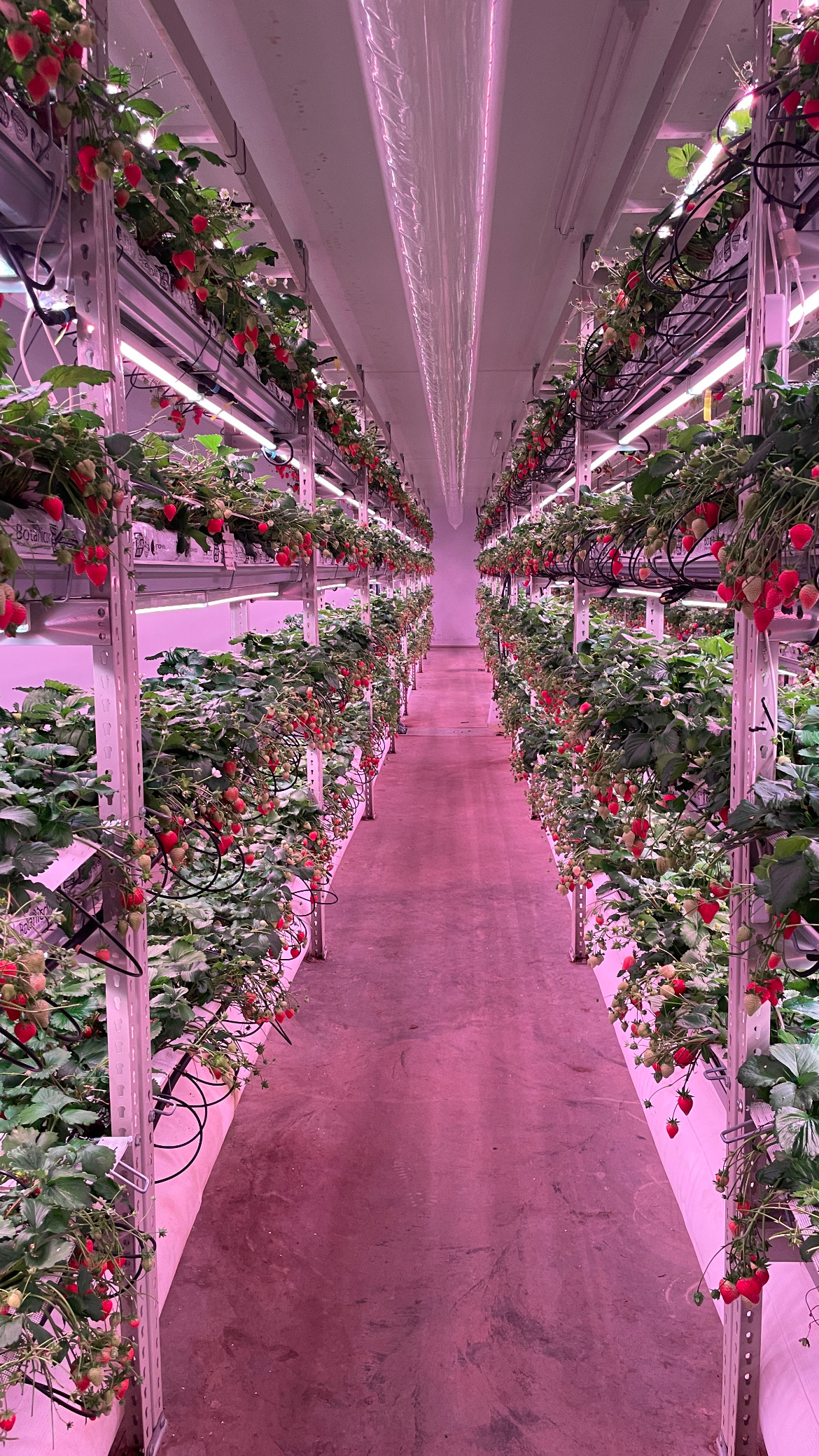
Unpredictable weather in the UK makes it challenging to reliably produce high yields of high quality strawberries during the traditional growing period so there is increasing interest in Totally Controlled Environment Agriculture (TCEA) strawberry production.
However early attempts at this type of production have not always been successful, in part due to over-vigorous canopy growth due to excessive fertiliser and water use which limits light penetration and increases disease risk. In addition, excess nitrogen can be converted into nitrous oxide which is deemed to be 300 times stronger than carbon dioxide at trapping heat in the atmosphere so there are strong environmental arguments for using nitrogen more effectively.
Niab has previously developed N-demand models for raspberry crops which can reduce fertiliser use by up to 77% while maintaining high Class 1 yields and berry quality, reducing both environmental impact and costs.
The project
In this project, Niab is working with its consortium partners to develop and test a low-nitrogen growing strategy for commercial out-of-season strawberry production in TCEA conditions which will be supplemented with CO2 by employing MOF (Metal-Organic Framework) technology. This allows CO2 to be extracted from the atmosphere and released into the growing environment.
The reduction in nitrogen use will reduce the risk of powdery mildew infection whilst also reducing the number and size of the leaves, leading to the need for less hand leaf removal which will reduce production costs. By supplementing the crop with CO2, the consortium can test whether the photosynthetic capacity of the crop can be maintained or increased, despite having a smaller leaf canopy.
The early work to validate an N-demand model and enrich the crop with CO2 will be carried out at Niab’s East Malling site while in the second year of the project, commercial trials will take place at Flex Farming’s facilities.
Title: TCEA N-demand: Optimising nitrogen and CO2 inputs to improve assimilation and yields in TCEA strawberry production
Funder: Innovate UK
Industry partners: Innophyte Consulting Ltd (Lead) and Flex Farming Ltd
A rapidly expanding population, climate change and uncertain food security require a different approach to food production in the UK. The new challenge is to produce higher yields of high quality crops on smaller areas of land, with reduced inputs, and in closer proximity to local markets. Total Controlled Environment Agriculture (TCEA) growing systems, sometimes known as ‘Vertical Farming’ offer a solution. At the same time, strawberry growers require higher quality healthy plant material which will produce a consistently high yield from every plant, and which can be grown locally to their final cropping location.
The project
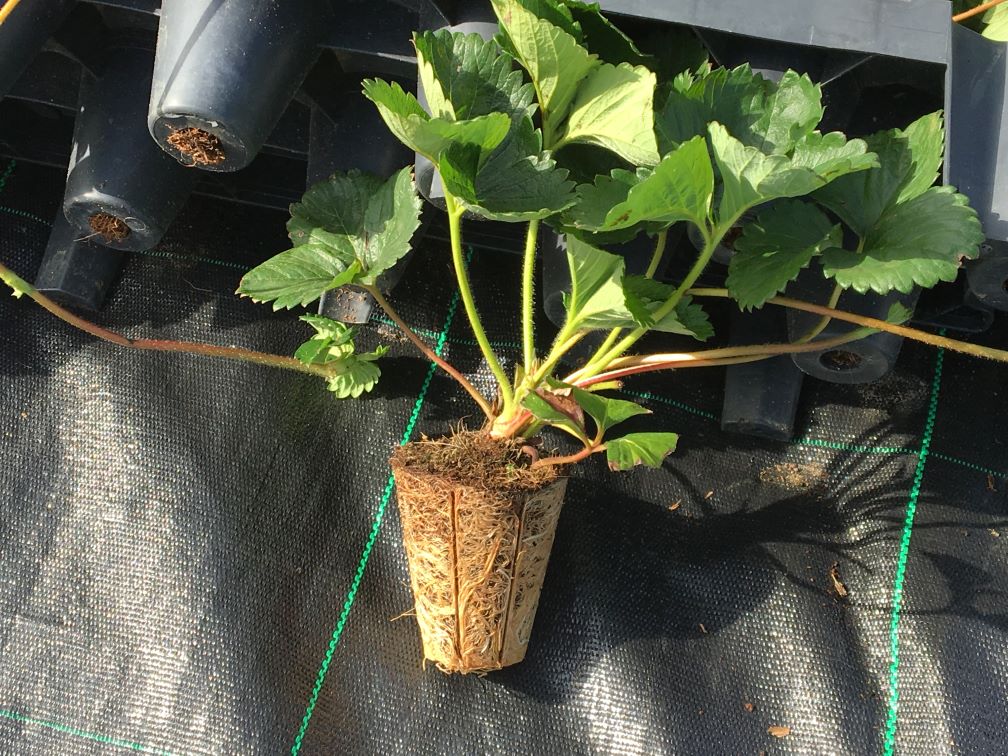
Working with a multi-disciplinary team of researchers, technology companies and growers, Niab scientists will develop a method to produce high quality, virus-and disease-free strawberry plant propagules with assured high cropping potential in TCEA systems. The resulting pre-programmed, high-health plant material will enable import substitution of both propagules and fruit (currently £40m and £186M per year), reduce chemical inputs and waste (currently £30m/year), and deliver a product that will provide value and security for growers, when planted in conventional polytunnel systems, glasshouses (CEA) or TCEA.
Title: Optimising the propagation environment in TCEA systems to maximise strawberry yield potential in all production systems
Funder: Defra Farming Innovation Programme
Industry partners: Vertical Future, Berry Gardens Growers Ltd, The Blaise Plant Company Ltd, Cocogreen Ltd, Clockhouse Farm, Delta T Devices, Hugh Lowe Farms Ltd, Linton Growing Ltd, University of Reading
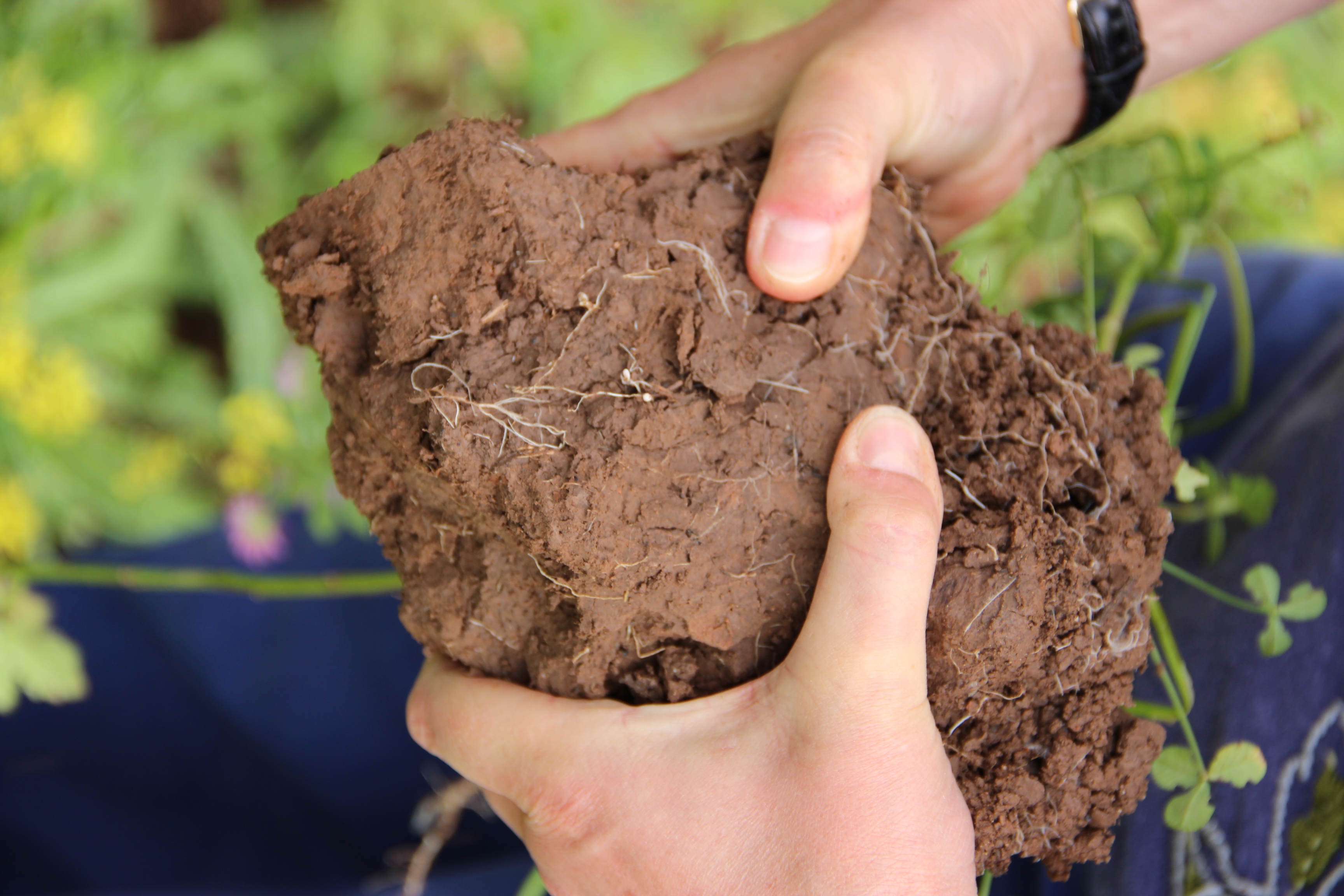
With fruit growers keen to maximise yield potential from every soil-grown tree or plant, it is important to employ land which is in optimum health, but it can be difficult to determine the relative health of a field soil.
In this project, Niab and Verdant Carbon Ltd seek to develop a test that will reliably assess the abundance and functionality of soil microbial communities, and relay the information to the grower in a simple-to-understand metric. The work also aims to measure the health of soil nutrient (carbon and nitrogen) cycling functions, to further support environmentally positive farming.
Conventional fruit production relies upon growers employing costly interventions of water, nutrients and crop protection products to optimise plant health, yields and fruit quality.
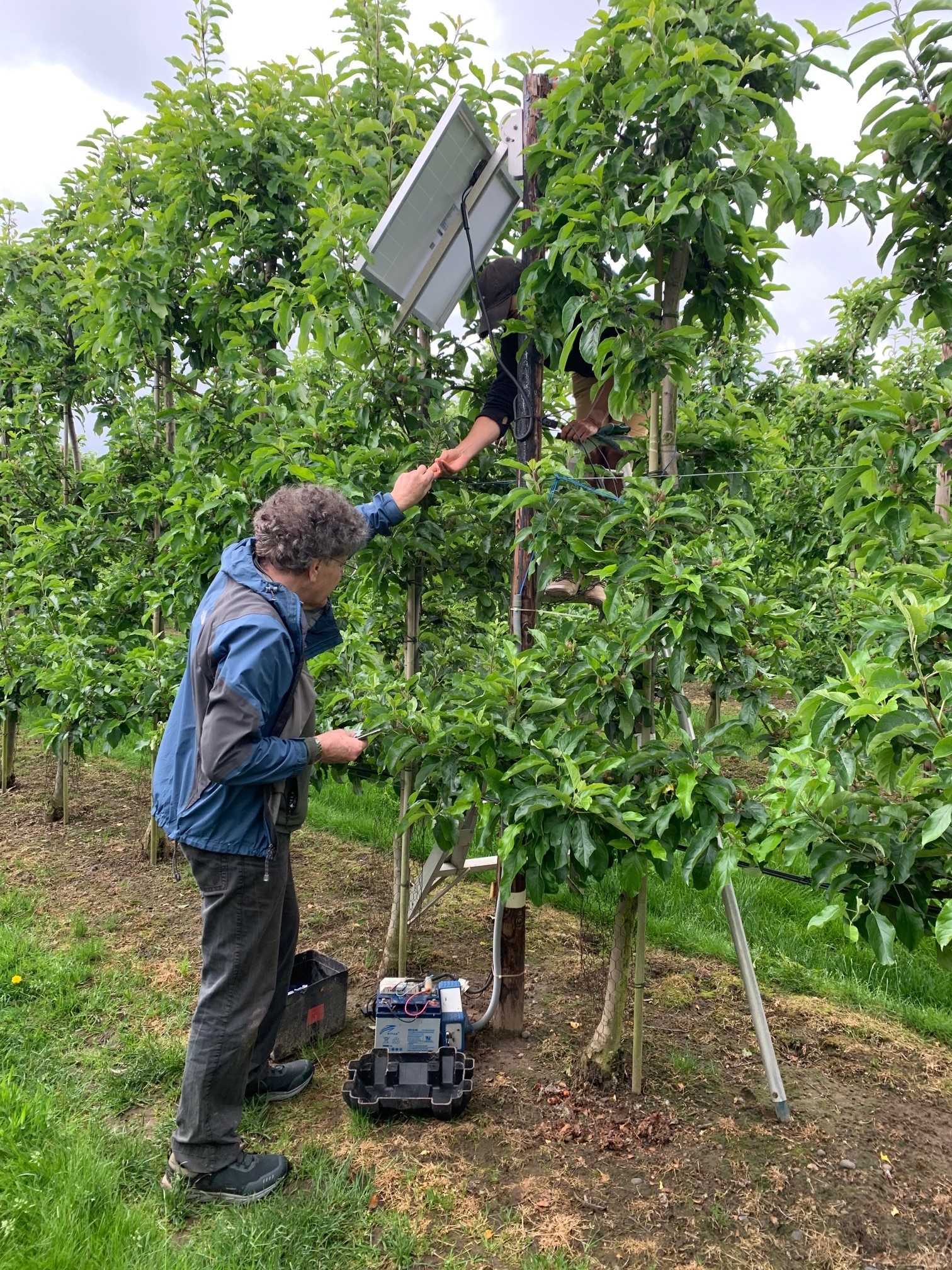
This project will design, test and produce a Next Generation Electrophysiological Sensor (NGES) that can detect plant stress before visual symptoms appear, allowing growers and agronomists to apply interventions earlier, thereby minimising yield losses and maximising efficiency. Such technology has demonstrated promise in protected crops, but this project will focus on woody crops such as apple and vines.
Funder: Innovate UK
Industry partners: Benchmark Control Ltd (Lead), Adrian Scripps Ltd and H.L.Hutchinson Ltd
Niab has embarked on a project that will help plum and cherry growers to match supply of water, nitrogen, phosphorus and potassium to tree demand.
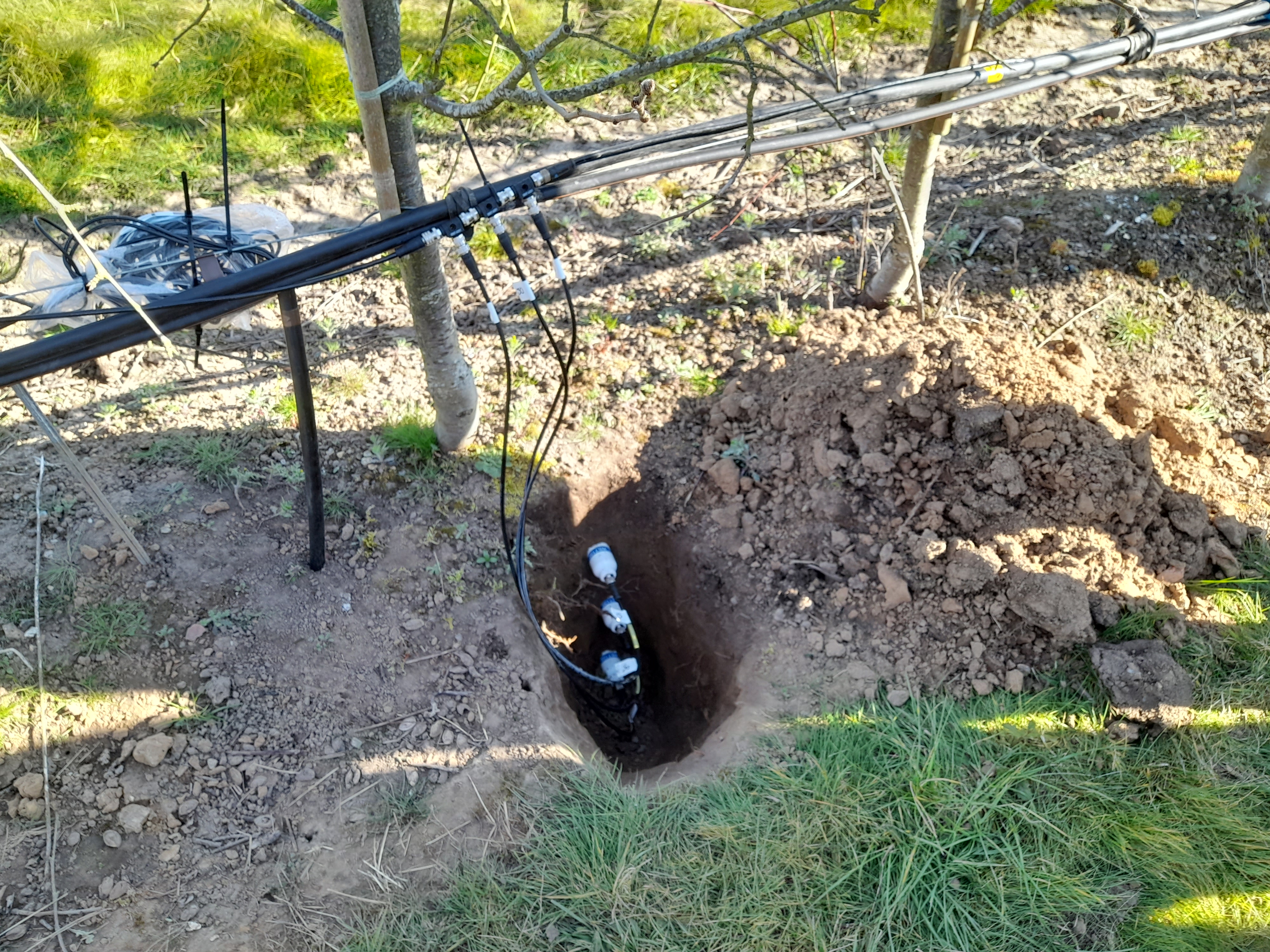
The project aims to develop novel technology for measuring nitrogen, phosphorus and potassium concentrations in soil solutions at different rooting depths in real-time. The work will also make use of a vast array of new technology including soil moisture sensors that will inform low-input water and fertiliser strategies that reduce the loss of water and nutrients from the rooting zone.
The impacts of these treatments on greenhouse gas emissions from orchard soils will also be measured. If successful, the work could develop precision irrigation and fertigation systems that can be adopted by commercial growers and lead to a reduction in water and fertiliser use in plum and cherry crops.
Funder: Defra Farming Innovation Programme
Industry partners: The Orchard Fruit Company (Lead), A.C. Hulme, Domum Agrum, Delta-T Devices, Driemtech, EDT directION, Fotenix, Soil Moisture Sense and Torry Hill Farm,
Increasing productivity and sustainability in UK viticulture: investigating the potential of groundcover management practices on soil health, yields and juice quality, and emissions.
Partners
Gusbourne Chapel Down (English Wines PLC) T Denne & Sons National Resources Institute (University of Greenwich) Vinescapes
Funders
Defra via Innovate UK
Niab is increasingly aware that poor soil health can give rise to inconsistent grape yields and juice quality, which can lead to costly interventions in the vineyard and winery. Cover crops could play a significant role, by enhancing soil health through their effects on soil carbon content, hydraulic conductivity, biodiversity, and soil structure.
The project
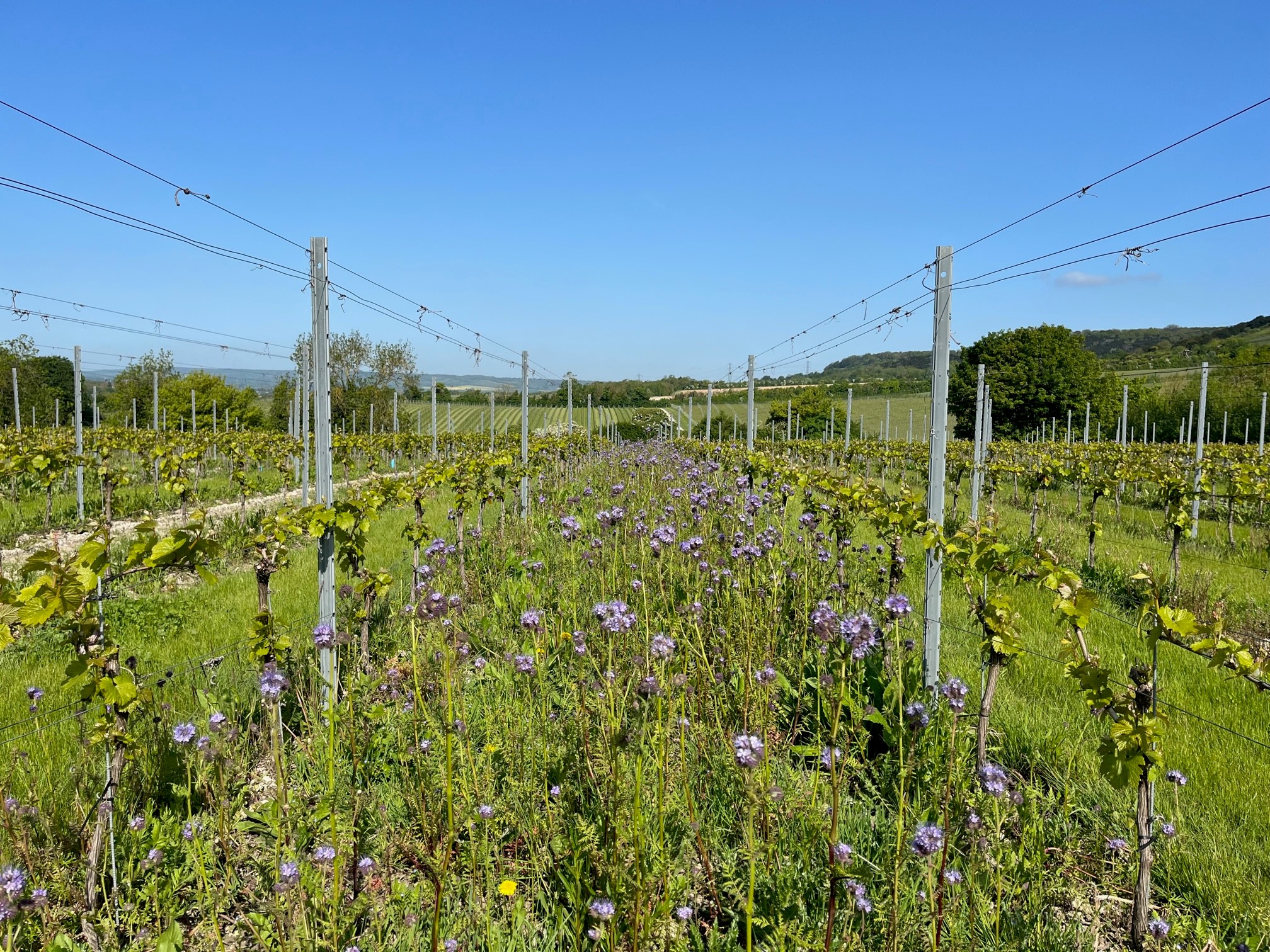
Niab has investigated the potential impact of vineyard groundcover management practices by comparing soil health, vine growth and juice quality between a range of inter-row cover crop treatments, as well as different under-vine management strategies comprising herbicide applications, a mechanical method (under-vine cultivation), and a control using weed strimming alone.
The comparisons were made on three sites including the East Malling Research Vineyard and two commercial vineyard sites at Chapel Down and Gusbourne. The cover crop mixes included phacelia, faba bean, an annual mix of rye and vetch, and a perennial mix containing creeping red fescue and three clover species. The control treatment consisted of alleyways that were maintained as before, with natural/spontaneous vegetation that is regularly mown.
Hot and dry conditions in 2022 resulted in poor establishment of the cover crops, so work was done in that year to compare different methods of sowing and management. Better conditions in 2023 allowed improved establishment enabling comparisons to be made between the crop cover mixes, and the project was extended into 2024 to acquire an extra season of data.
Results
In 2023, some statistically significant results were recorded in the faba bean plots which established particularly well on all sites. There were significantly higher concentrations of soil phosphorus (P) in the faba bean treatment at both the Gusbourne and Chapel Down sites relative to the control, but no differences were found at East Malling. Potential benefits of increased soil P includes enhanced tolerance of the grapevine to copper toxicity, and, in some instances, increased number and weight of clusters and berries. However, it will need careful monitoring since excess soil P can have a negative impact on berry quality.
Other trends appeared over 2023 and 2024. In both years, although not statistically significant, soil nitrate levels in the faba bean plots were much higher than in the control plots at both Gusbourne and East Malling and the same increase was seen on all three sites in 2024 in both faba bean and phacelia plots.
On all three sites, soil moisture levels were lower in all the crop cover treatments compared to the control, suggesting that soil aeration could be improved where crop covers are planted.
In 2023, chlorophyll levels in vine leaves were significantly higher in vines adjacent to faba bean alleyways at both Gusbourne and Chapel Down, and this same trend was observed at East Malling in 2024.
The effect of cover crops on vine canopy varied between years, but there was a trend toward higher vigour in vines adjacent to faba bean and phacelia at all three sites in 2024. It is surmised that this may have resulted from the additional nitrate measured in these plots. In addition, the annual mix of rye and vetch at East Malling and Gusbourne was associated with increased vigour in 2024. This may require additional management interventions to limit the increased disease pressure and reduced grape juice quality that can result from high vigour.
In terms of grape juice quality, significantly higher levels of yeast assimilable nitrogen (YAN) was recorded in grapes from vines adjacent to the faba beans at Gusbourne compared to the control in 2023. This may be attributed to the nitrogen-fixing capacity of the beans resulting in greater nitrate availability to the vines. In 2024, there were trends showing higher YAN content in all crop cover treatments than in the control treatment, although the increase was not statistically significant.
It should be stressed that we can’t draw firm conclusions from these results as the findings were not repeated in both years of the trial and in some cases, only trends have been recorded. However, the work has demonstrated that cover crops can benefit several aspects of soil health (improved nutrient content, better water management) and the vine (e.g. chlorophyll content, YAN). Vine growers considering using cover crops are encouraged to think carefully about how best to establish them, seek guidance from others who have experience of using them and be patient in the early years.
Resilience in Agrifood Systems: Supply Chain Configuration Analytics Lab (RASCAL)
The RASCAL project will bring together a highly collaborative, interdisciplinary team from biological sciences, engineering, and management to co-develop intervention strategies. It will create an interactive digital lab that enables exploration of multiple scenarios involving cascade risks, and potential mitigation interventions.
Risks to the food system include shifts in consumer demand, changing patterns in retailer sourcing, biosecurity threats, competing government policies, overseas conflicts, and climate events like floods or droughts. These factors can significantly impact production costs and future investments in infrastructure and labour. From the consumer perspective the project will investigate factors impacting economic hardship, nutritional insecurity, and associated health problems.
To achieve this, the project will follow four key stages:
Build interactive digital infrastructure to leverage disparate datasets to explore the balance between self-sufficiency and imports.
Develop new tools for understanding cascade risks and their cumulative impacts along well documented food supply chains.
Explore real-world scenarios, using examples of UK fruit and vegetable supply and alternative protein sources, to demonstrate how advanced modelling can evaluate the impact of cascading risks.
Provide intervention strategies for specific agri-food supply chains to mitigate supply chain risks through a combination of visual interactive tools and field research methods.
Project timing
September 2024-August 2027
Partners
University of Cambridge, Queen’s University Belfast; University of Plymouth