BioBoost

The acceleration of transition to a bioeconomy in horticulture.

BioBoost, was funded by the EU Interreg 2 Seas programme, is focused on using and reducing waste from fresh produce. Crop bi-products and waste crop materials are used as feedstocks for new higher value end-products, which otherwise would be wasted or used for lower value products. At Niab we are looking into more environmentally-friendly solutions to minimise the impact of waste on our environment and improve the sustainability of production methods. This three and a half year project includes scientists from industry and academia in The Netherlands, UK, and Belgium, seeking to learn from each other's innovations and to progress the best solutions through to the marketplace. 

The project looked to accelerate the transition towards a more circular bioeconomy by implementing regional test and pilot projects for the development of new techniques, methods and products in the horticultural sector and supporting their development towards market-uptake. We supported SMEs towards the development of innovations and to accelerate their entry to the market. This collaborative project was co-ordinated by our Dutch colleagues in Westland in the west of The Netherlands.

Resources

In this video from 2020, Lydia Smith explains Niab's involvement in the BioBoost project. She was talking to the site manager of a commercial nursery and discusses if the green pesticide options are making a difference.

Image
BioBoost logo
Status

Augmented Berry Vision

Funder: Innovate UK
Partners: Opposable Games (Lead), Berry Gardens Growers Ltd, University of the West of England
Term: September 2020 to September 2022

Selecting dessert blackberries at the optimum stage of maturity is key to ensuring that the final product purchased by the consumer is of high quality, looks good and, most importantly, tastes good. Consumer satisfaction is essential for repeat purchasing, but so much depends on the harvest team selecting the right berries at the right time, every time! Selection of perfect berries is challenging due to subtle colour changes that occur during ripening. Blackberry can be a particularly difficult crop, for although many berries might have turned black, they are not all at the same stage of maturity in terms of flavour development. Removing every berry that is black can lead to considerable variation in taste and flavour, and consequently consumer satisfaction. For pickers to select ripe fruit, fast, consistently and accurately, requires considerable skill, which takes time to acquire. Pickers, therefore, need a more reliable method of selecting uniformly ripe berries.

The project

This feasibility project set out to develop technology that can be used by harvesting teams to help them differentiate between blackberries which are fully ripe and those that are black but haven’t yet developed optimum flavour. With the help of Berry Gardens Growers, over 500 blackberries of varying ripeness were collected from member farms. Hyperspectral imaging of the fruit was conducted alongside laboratory assessments to determine berry ripeness and other metrics. From the analysis of the spectral images, key electromagnetic wavelengths were identified to provide significant differentiation between ripe and unripe fruit.

Results

Using the results of these analyses, a berry detection algorithm has been developed to detect and assess berries within a video feed. As berries are detected, their images are analysed to determine their ripeness. Machine learning was used to create the berry ripeness detection system. A convolutional neural network (CNN) was trained with multi-spectral images of blackberries of known maturity. The resulting algorithm showed a 95% accuracy in ripeness detection.

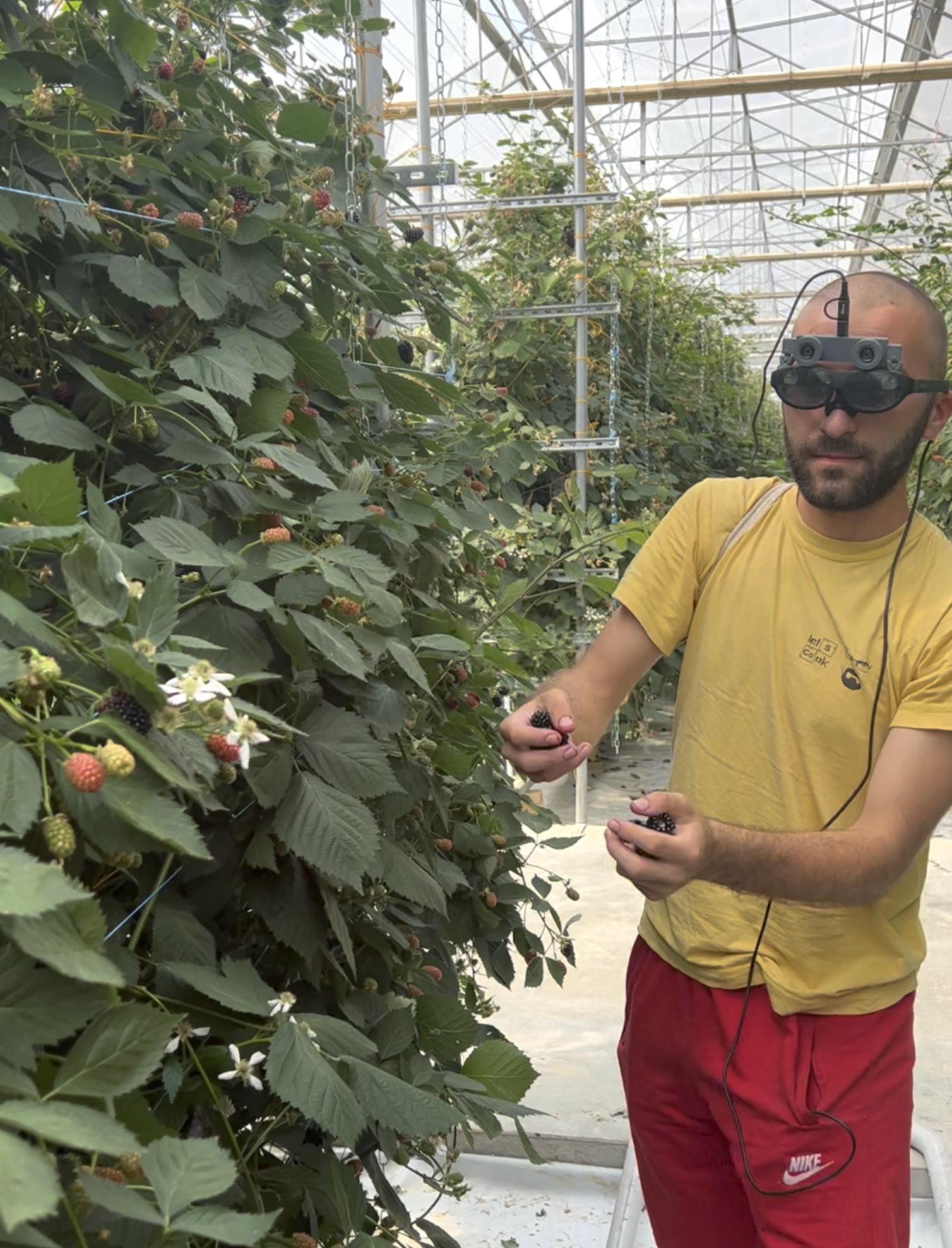
During the project prototype hardware and software were developed. The hardware was tested in the field by experienced pickers providing valuable insight to improve future versions. The system employs augmented reality (AR) glasses, which are worn by the pickers. Augmented Reality is the overlaying of visual digital information onto the real world through the lenses. Bespoke multispectral imaging cameras and the machine vision algorithm determine the ripeness of each berry, which is relayed to the picker via the AR glasses. This allows the pickers to pick berries that are uniformly ripe and to leave any berries, which have not developed optimum flavour, still on the cane to be harvested on another occasion.


 

Research project tags
Image
Augmented reality glasses being tested by pickers
Status

POME: Precision Orchard Management for Environment

POME is a multidisciplinary, four-year project that will enable a step-change in the way orchards are managed.

By utilising and developing a suite of cutting-edge technologies each tree in an orchard will be analysed in fine detail, allowing crop management inputs to be targeted in a way that has never been seen before in UK orchards.

Production efficiency and yield will increase whilst minimising inputs, benefiting growers, consumers, and the wider environment.

Led by the crop advisory company Hutchinsons and involving many other commercial and academic partners, including Niab, the POME project is co-funded by Innovate UK, DEFRA and the commercial partners involved in the project.

Partners

The project is led by HL Hutchinsons Ltd, with the other partners including: engineers N. P. Seymour, GNSS and software developer The Acclaimed Software Company, marketing desk Avalon Fresh, aerial imaging and data analytics company Outfield, robotics developer Antobot, remote sensing specialists Fotenix, agri-economics from the University of Kent, robotics and automation expertise from Loughborough University, Niab, and the Chemicals Regulation Directorate (CRD). There are several growers involved, including A.C. Hulme, and Plumford Farm.

Hutchinsons logoNPS Logo

The Acclaimed Software Company Logo


Avalon Fresh logoOutfield logoUniversity of Kent

Antobot logo


Fotenix logo

Loughborough University

Niab logo


ACH Farming


Funders

IInnovate UK logo

Defra logo


Project duration

November 2023 to October 2027

Image
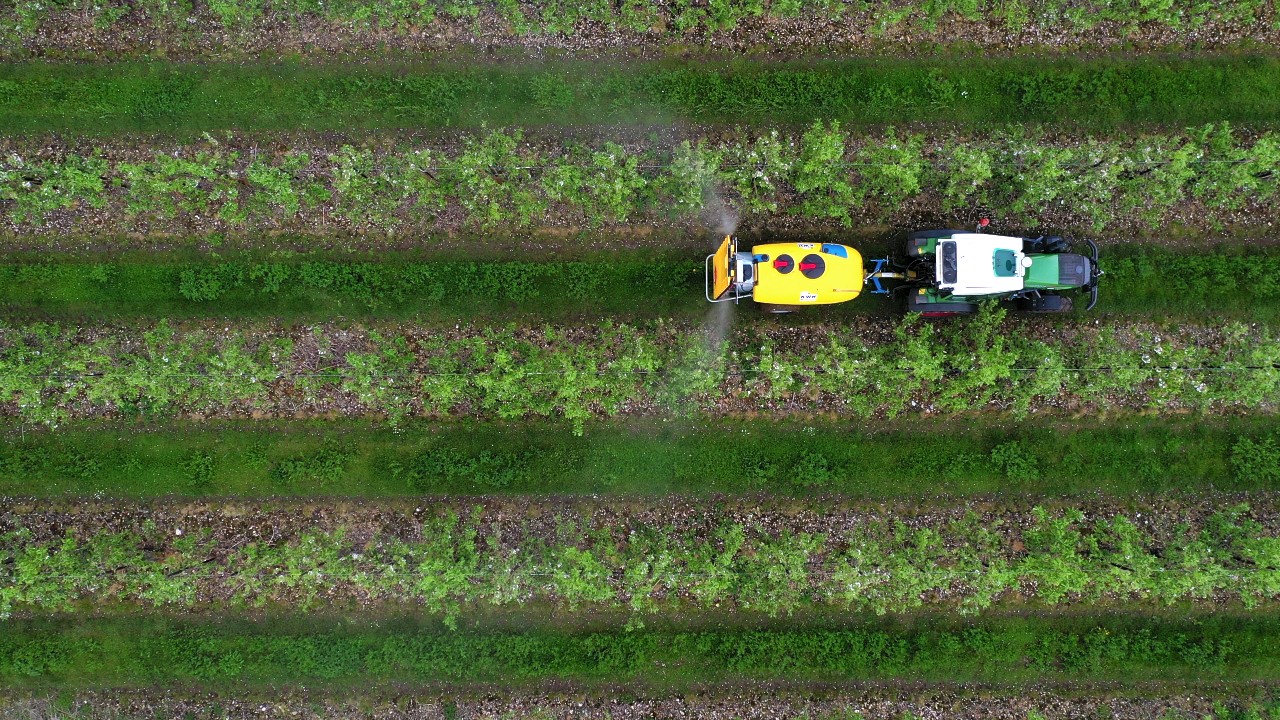
Aerial shot of a tractor spraying in orchard
Status

Sustainable management of apple replant disease

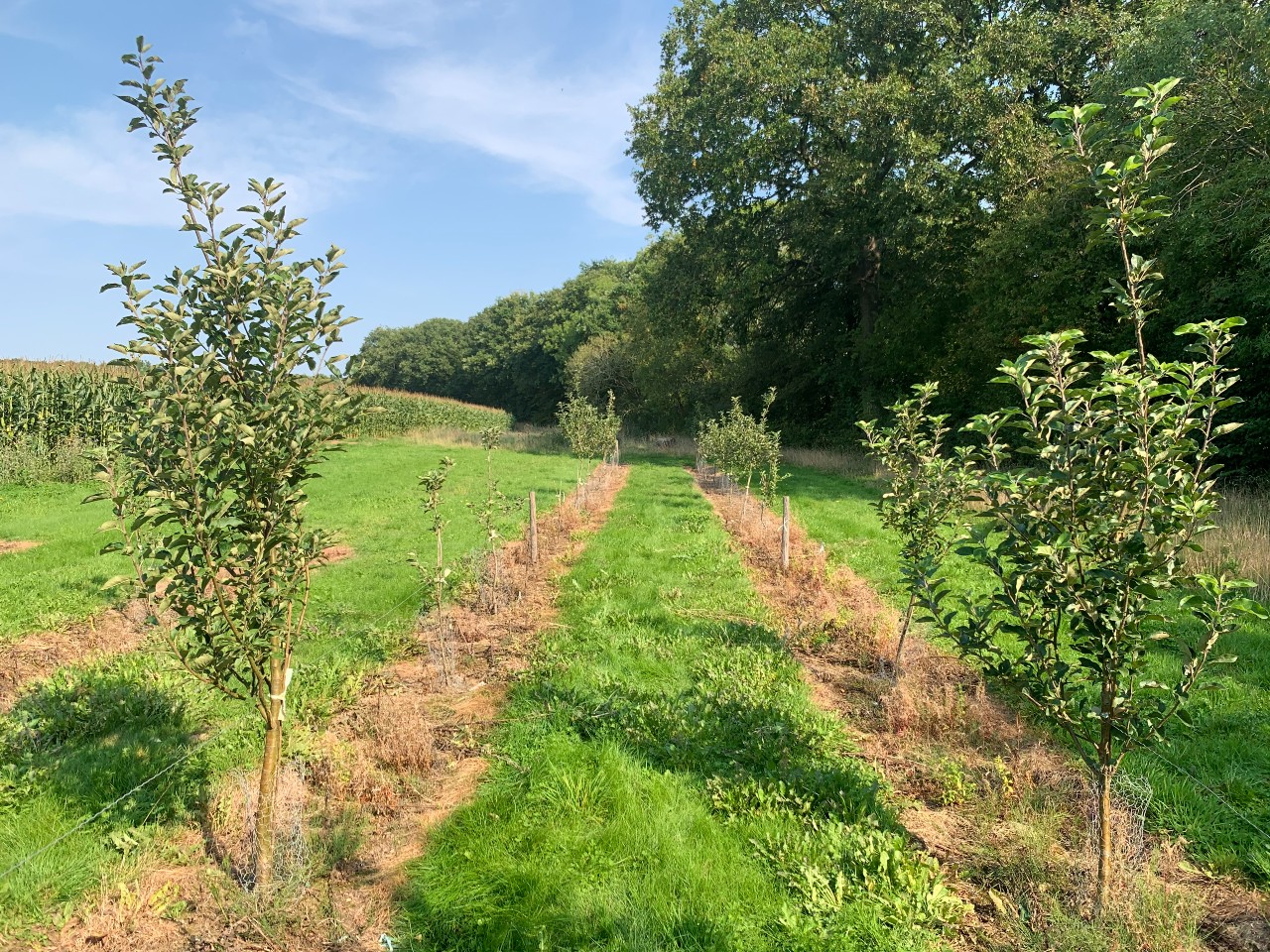
It is now generally accepted that apple replant disease (ARD) is a disease-complex primarily caused by microbial pathogens. Recent research by Niab, funded by BBSRC and the EU, has shown that disease severity is reduced where newly planted trees are planted on a rootstock genetically distinct from the previous one and the trees are in the previous grass alley. Amending soils with specific biopesticides and microbes or organic composts further reduced the problem. In this project, Niab will evaluate an integrated approach to control using all these treatments in combination. 

Research project tags
Image
Apple orchard
Status

Sustainable management of apple canker

New studies on site specific factors affecting apple canker and a novel method of disease management with endophytes


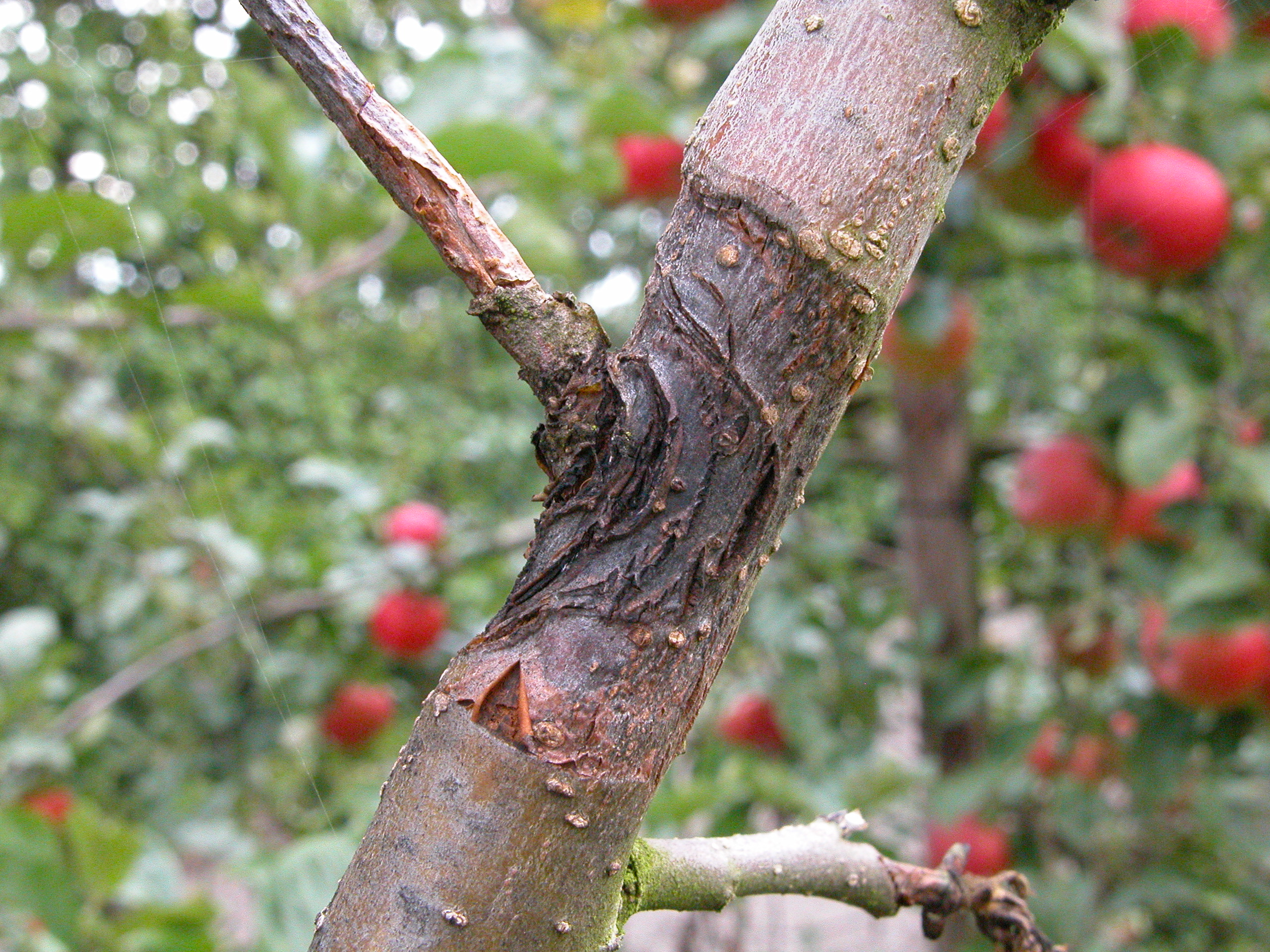
Much effort has been spent in recent years seeking new approaches to apple canker which don’t rely solely on the use of conventional fungicides. Niab has studied endophytes (bacteria and fungi which spend at least part of their life within a plant without causing apparent disease) and demonstrated the potential of the fungal genus Epicoccum for offering some control. A particular bacterial genus (Sphingomonas) is associated with scion cultivar tolerance against the canker pathogen. In addition, bacterial endophytes appear to be more persistent over growing seasons than their fungal equivalent.

The project

In this latest project, two strategies will be investigated. The first will study the impact of site-specific factors, including soil pH, organic matter and nutrient levels and type, on the development of canker symptoms from latent infection that occurred in the nursery. This could help growers to select sites with minimal risks to canker development during tree establishment in the orchard.

The second will study Sphingomonas isolated from apple leaf scar tissue. It is a naturally occurring endophyte in apple, associated with plant health, and known to be capable of promoting plant growth. We will assess its seasonal dynamics following artificial augmentation across growing seasons to assess whether the level of its abundance is associated with tree health, and whether repeated application is necessary to maintain its abundance at a sufficiently high level to offer control.


Funder: Biotechnology and Biological Sciences Research Council (BBSRC)
Industry partner: Worldwide Fruit; Avalon Fresh
Term: October 2023 to September 2025


Research project tags
Image
Apple canker
Status

Managing the activity of pollinators in protected cropping systems (MAPP-CS)

Soft fruit production under fixed protective structures is highly dependent on introduced bumblebees (Bombus terrestris) for pollination. Their performance under such structures can be less reliable as they can be less active, suffer from higher mortality and sometimes fail to return to the hive, resulting in lower fruit yields and quality.

This project will research the drivers of pollinator underperformance in enclosed systems, including lighting and navigational factors, and trial a range of affordable interventions to improve pollinator activity, reduce mortality and improve profitability.


Funder: Biotechnology and Biological Sciences Research Council

Industry partners: Agriculture Investments Ltd, Biobest Ltd, Buzzup, Clockhouse Farm and The East Malling Trust

Term: May 2024 to April 2028

Image
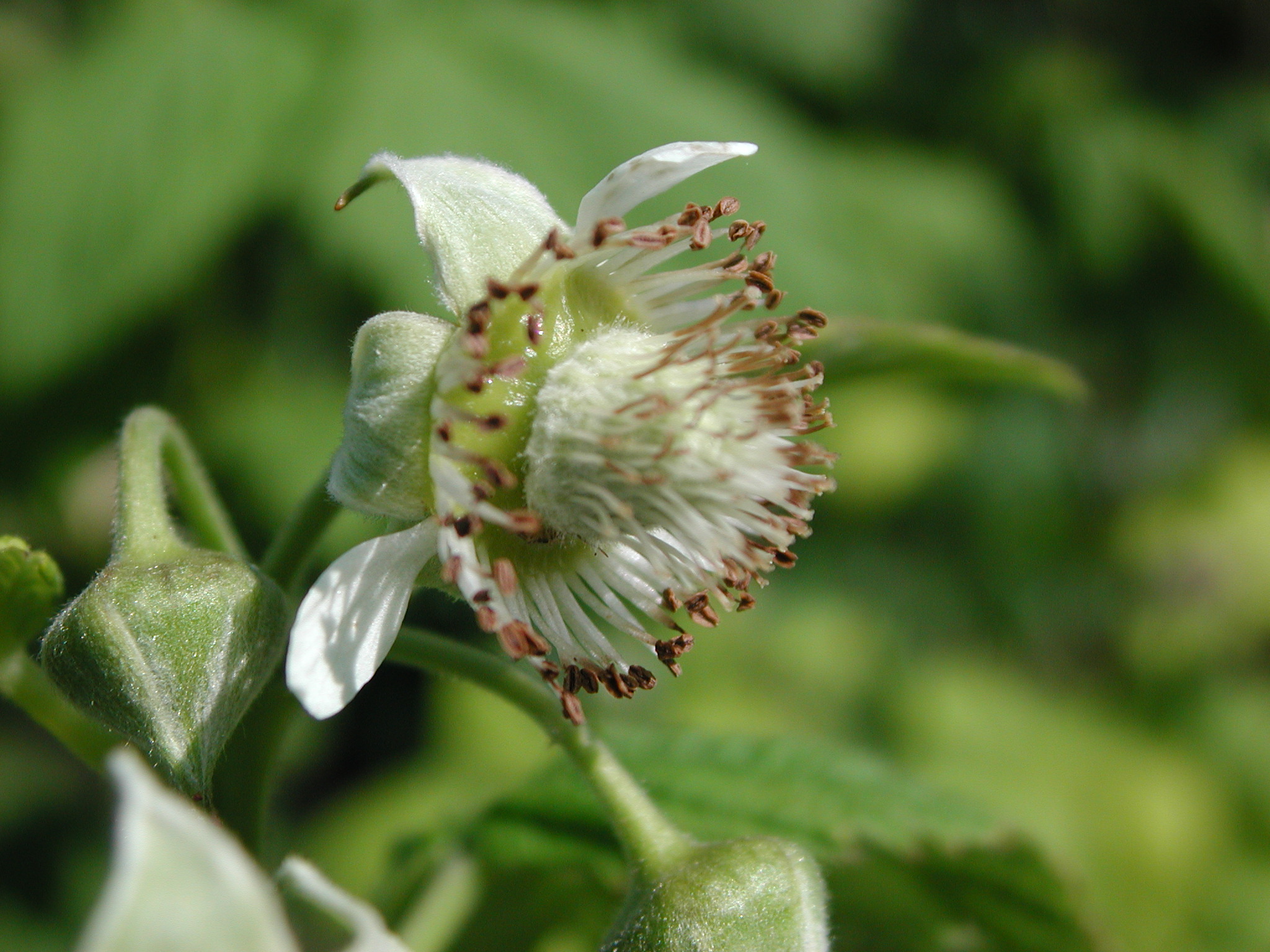
Flower
Status

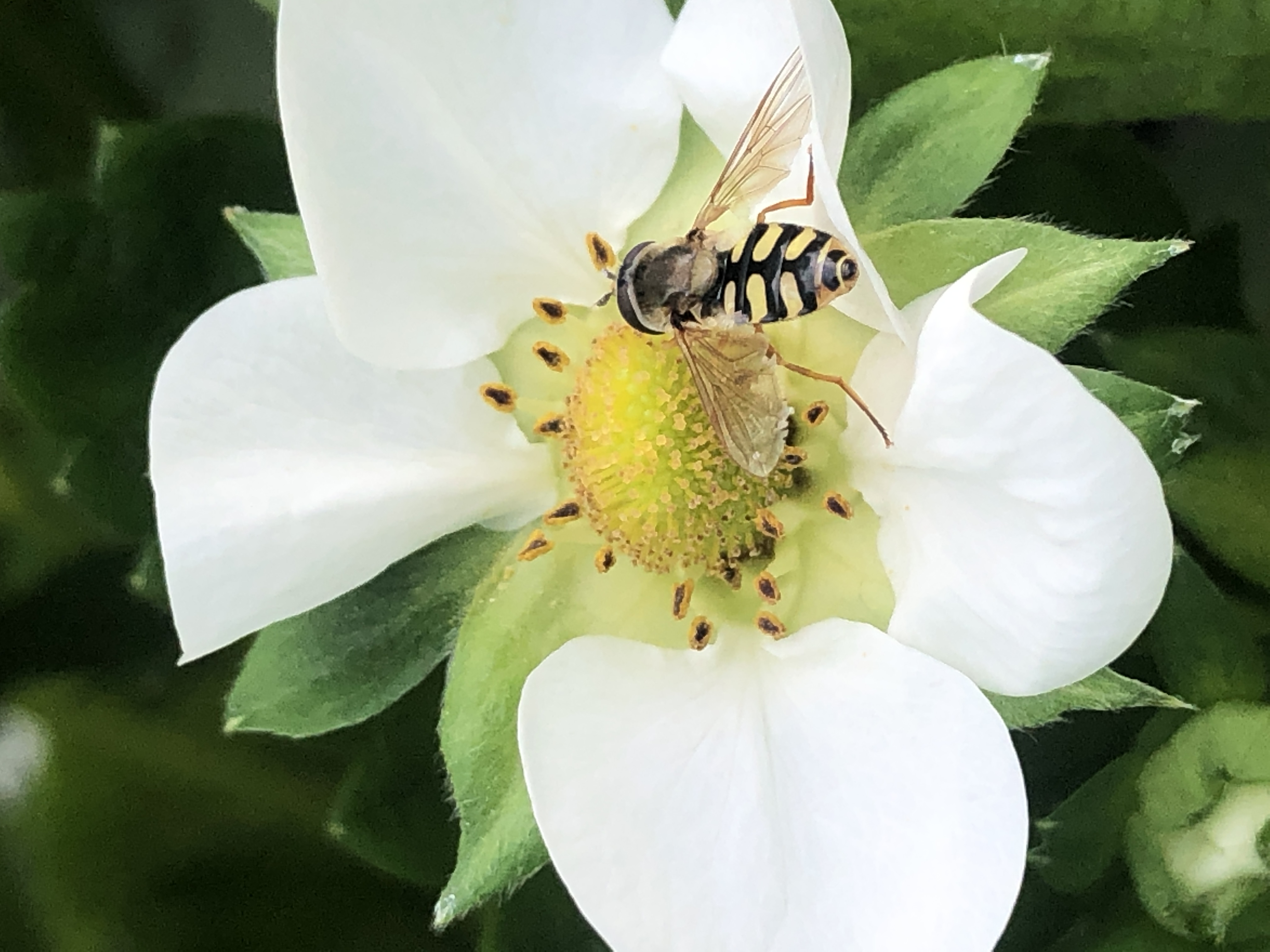
FLYTHRIVE: Hoverflies for aphid control in soft fruit

Control of aphids in soft fruit crops is becoming increasingly difficult with very few effective conventional chemical aphicides authorised for use. Previous studies have shown that hoverflies can contribute significantly to aphid control in protected crops as adults released into the crop can seek out aphid colonies even in dense foliage, where they lay their eggs.

Emerging larvae are voracious predators of the aphids with a single larva able to consume hundreds of aphids. This project will test and develop bespoke native hoverfly species blends to control key aphid pests of soft fruit crops under protection.

More information

News story announcing FLYTHRIVE

Title: FLYTHRIVE: Hoverflies for aphid control in soft fruit

Funder: Innovate UK

Industry partners: Olombria (Lead), Asplins, The Summer Berry Company and The Natural Resources Institute

Term: June 2024 to May 2026

Image
Hoverfly feeding on flower
Status

Developing a digital crop scouting service for glasshouse crops

Identifying the presence of pests, diseases and disorders has traditionally relied upon trained agronomists or crop scouts, who inspect the crops visually for their presence or absence.

For some pests or diseases, and for most physiological and nutritional disorders, by the time that visual symptoms appear on the crop, some adverse impact on growth and subsequent crop yield and quality will have occurred. Developing a system of inspection which will identify their presence at an earlier stage, will allow growers to implement changes to their crop management before yields and quality are affected.

The project

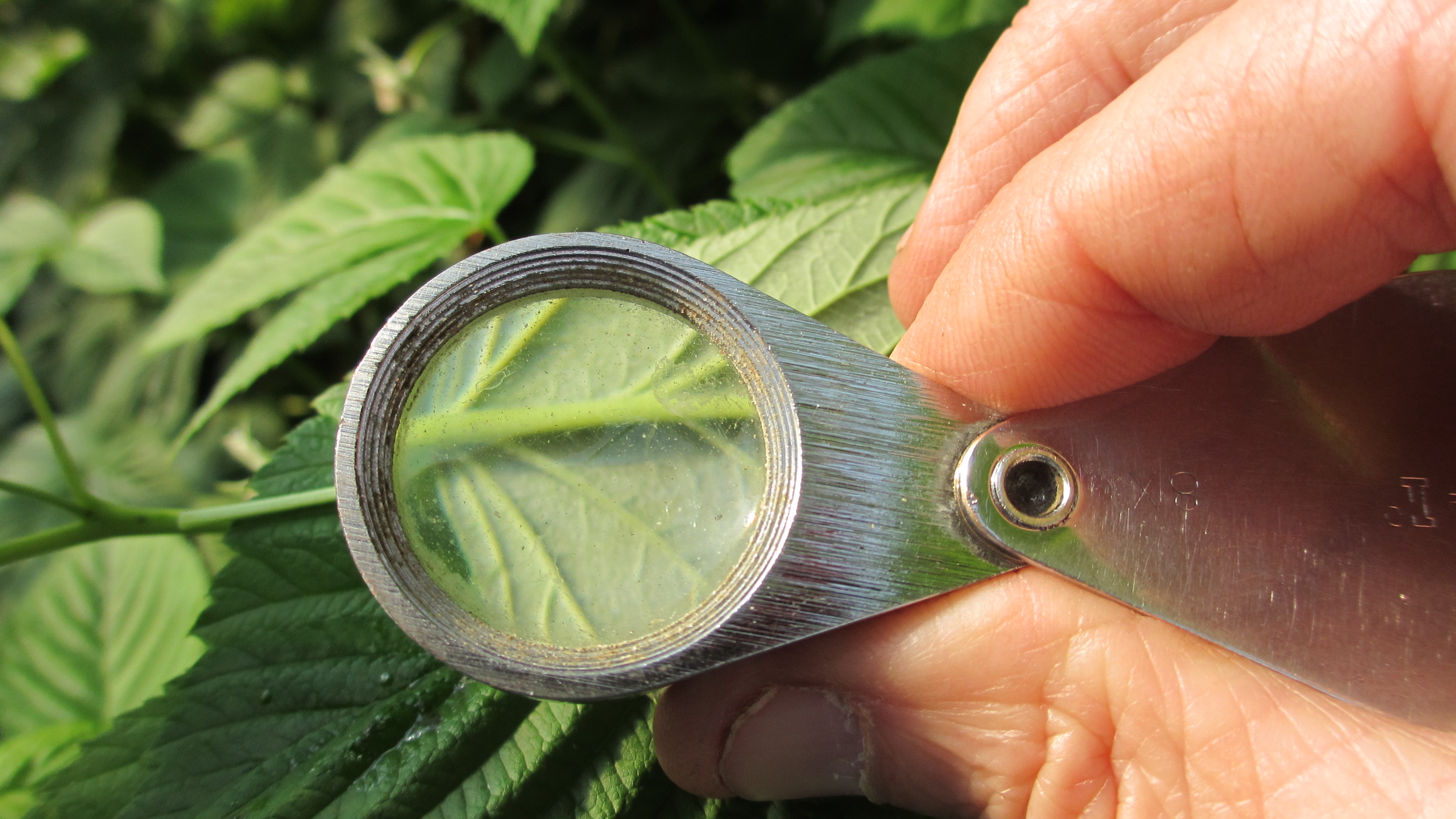
This project aims to develop a digital crop management approach for the early detection of glasshouse pests and diseases, utilising the latest diagnostic technology and agronomic knowledge in a commercial production setting.

The objective is to co-develop a crop scouting service, informed by spectral diagnostics (wearable and mounted diagnostic hardware) that can detect the early establishment of any event which adversely affects yield, and which can be integrated within crop management systems. The work will largely focus on glasshouse tomatoes and peppers, but the results will benefit growers of other protected crops.


Title: Digital Crop Management for glasshouse pests and diseases

Funder: Innovate UK: Defra and UKRI Farming Innovation Programme

Industry partners: Abbey View Produce, British Tomato Growers Association, Fargro, Fotenix, Thanet Earth

Term: January 2023 to May 2026

Lead Partner: Fotenix

Image
Crop inspecting
Status

Developing practices to improve soil health

Several EU-funded projects have investigated methods of improving soil management practices and creating viable and sustainable alternatives to peat as a soilless substrate. The data and outcomes of one of these projects ‘EXCALIBUR’ will now be exploited by transforming agri-food by-products either into soil fertilising products or sustainable alternatives to peat substrates.

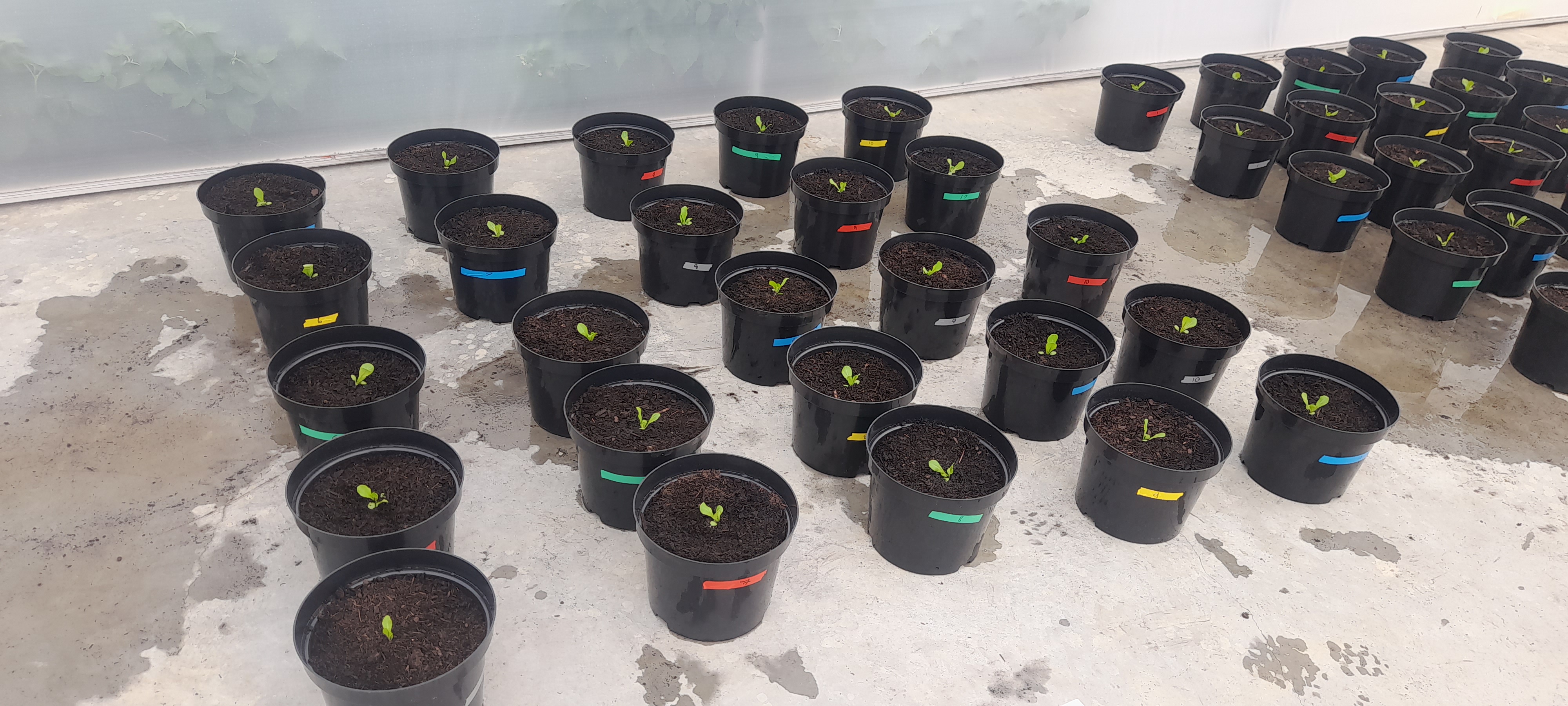
Within the project, Niab is working with ReCoir Ltd to recycle and repurpose spent coir for fruit and vegetable production.

Title: Soil health: Developing agronomic practices to improve soil health and crop productivity

Funder: Horizon Europe

Industry partner: A total of 19 other partners from EU countries will collaborate with Niab

Term: June 2024 to November 2027

Research project tags
Image
Assessing lettuce growth in recycled coir
Status

Next generation apple breeding

Most of the modern apple varieties grown in the UK are susceptible to apple scab (caused by Venturia inaequalis), apple powdery mildew (caused by Podosphaera leucotricha) and European apple canker (caused by Neonectria ditissima). All three are fungal diseases which can cause serious yield and quality losses if not adequately controlled and their effective management is time consuming and significantly adds to the production costs. The long-term aim of the industry is to breed apples with resistance to these diseases, which will reduce production costs by avoiding the use of conventional spray control measures. However, breeding is a long-term process and typically takes 20-25 years from crossing to release.

The project

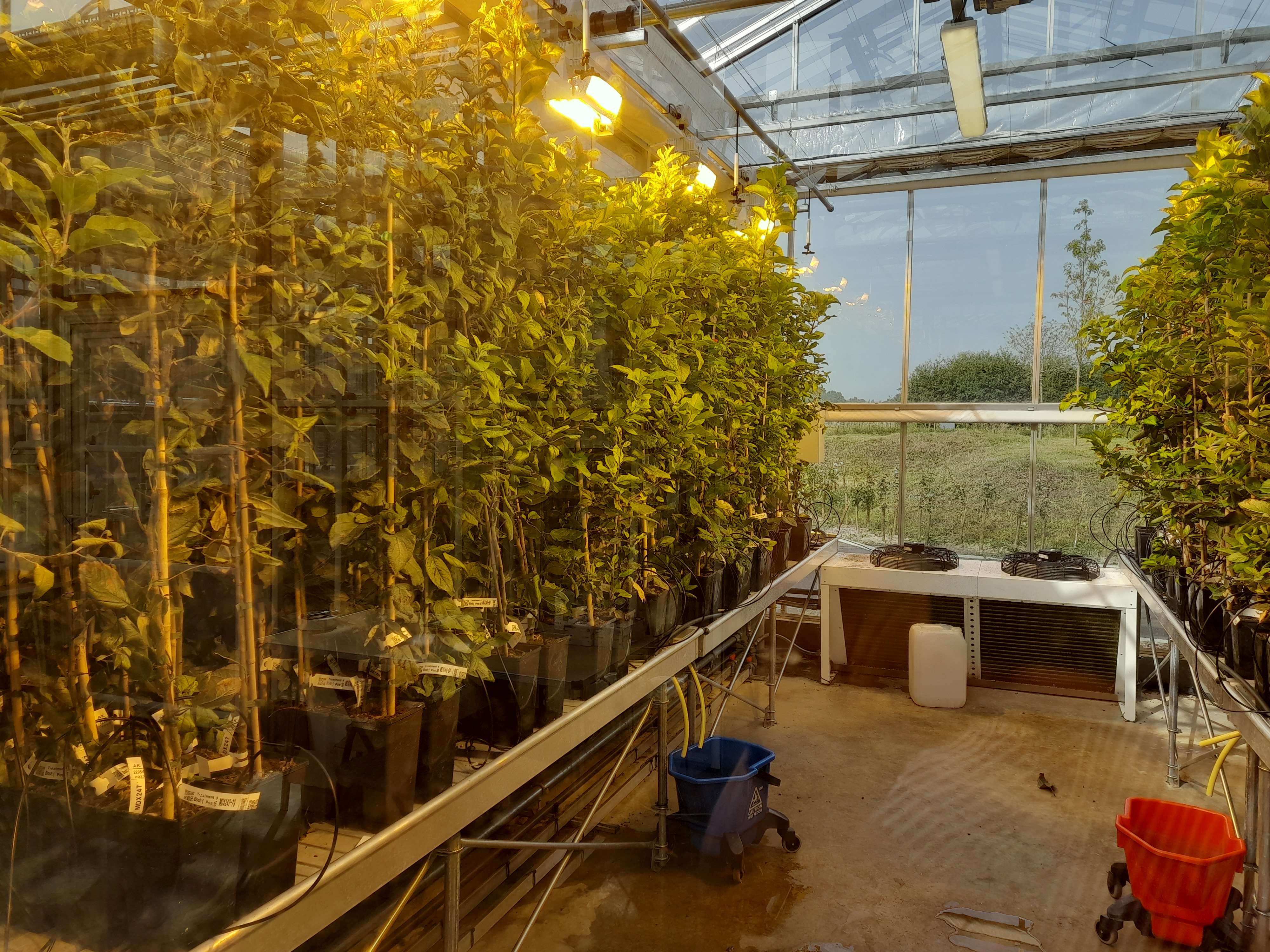
The aim of this project is to develop novel breeding methodologies that will enable a shorter breeding cycle for apple and ensure a faster route to market for resistant varieties. The methodologies will include the use of genomic selection, marker assisted selection and speed breeding. These will be implemented in the Apple Breeding Consortium involving Niab and industry partner WorldWide Fruits Ltd.


Title: Next generation apple breeding for resilient UK production
Funder: Growing Kent & Medway
Industry partners: WorldWide Fruit Ltd
Term: June 2023 to March 2025

Image
Apple progeny from breeding programme being grown on under glass
Status
Subscribe to Horticulture