

Spotted wing drosophila research
Summary of findings and results of Niab and other UK research into the management and control of spotted wing drosophila.
SWD (spotted wing drosophila - Drosophila suzukii) is an invasive pest which arrived in the UK in 2012. Niab first highlighted the risk of the pest when it spread from its home in Asia to North America and mainland Europe and provided information for an industry factsheet published by the Horticultural Development Company (HDC) in 2011 to alert UK soft and stone fruit growers of the dangers it posed to their crops. Niab first record its presence at East Malling in Kent in 2012.
Since the formation of an industry SWD Working Group to co-ordinate research and share knowledge about the pest to UK stakeholders, Niab has led the UK research efforts to support UK growers. Between 2013 and 2021, funding for this research was provided by Defra and the HDC (later the Agriculture and Horticultural Development Board – AHDB) totalling more than £1.6 million, with the lion’s share of the research being managed by Niab. Since the dissolution of horticultural research activities through AHDB in 2021, Niab has been the industry leader of research funding provided by AHDB legacy funds, BBSRC, Innovate UK, Growing Kent & Medway and The Worshipful Company of Fruiterers, totalling a further £600K, taking the total spend on the management and control of SWD to over £2.2 million since 2013.
The information contained on this site is intended to summarise the findings of the Niab and other UK research into management and control of SWD. It does not provide full scientific reports of the work but provides links to reports and published scientific papers where more detailed scientific information can be found about the work. For more information about Niab led projects on SWD, contact: [email protected].
Whilst the information contained within this site on SWD has been prepared from the best available sources, neither the authors nor Niab can accept responsibility for inaccuracy or liability for any loss or damage (direct or indirect) from the application of any concept or procedure mentioned.
About SWD
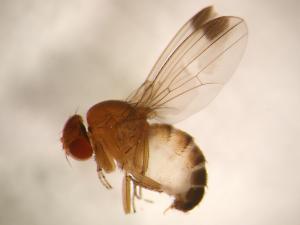
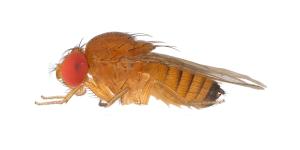
SWD is related to the common fruit fly (Drosophila melanogaster) which is attracted to damaged and overripe fruits, but SWD differs in that it is attracted to underripe and ripe fruits. The adult male has spots on each wing (hence its name) while the female has a serrated ovipositer which allows her to make an incision in the skin of the fruit and lay eggs under the skin. These hatch into larvae which feed on the flesh of fruit causing fruit collapse, rendering the fruit unmarketable. It is extremely difficult to target these eggs or larvae with conventional spray control products as they are hidden within the fruit, so spray control must target the adults before they lay their eggs.
Failure to manage and control the pest can result in major crop losses. Soon after its arrival in the UK, cherry growers who were unaware of the threat lost 90% of their crop where no control measures were implemented. Since populations of SWD have established and expanded, commercial growers have found that susceptible crops including strawberry, raspberry, blackberry, blueberry, cherry and plum can lose up to 100% of their fruit if the pest is not adequately controlled.
Contact
Niab
Park Farm Campus
Villa Road
Histon
Cambridge
CB24 9AT, UK
Tel: +44(0)1223 342200
Email: [email protected]


Niab Agronomy
Membership

© NIAB 2026