


2026
A Direct DNA Extraction Workflow for Metabarcoding Fungal Bioaerosols From Adhesive Samplers
Environmental Microbiology


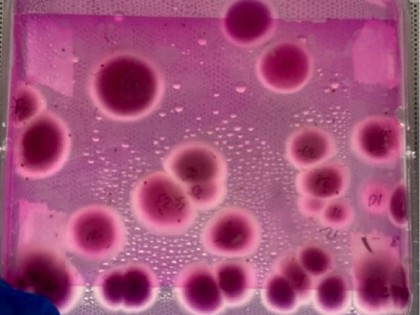
Fungi in soil and air play essential roles in nutrient cycling and crop health, but some can cause disease in plants and people. One example is Aspergillus fumigatus, a common environmental mould that can cause serious human infections. Resistance to azole antifungal medicines is an increasing concern because azole fungicides used in agriculture act on the same fungal target.
This NERC-funded project, led by Imperial College London with Niab, the UK Centre for Ecology & Hydrology and The Open University, investigates how farming practices, green waste recycling and environmental conditions influence fungal communities and the emergence and spread of azole resistance. Using samples from farms, gardens, homes and composting facilities, researchers combine soil and air sampling, DNA sequencing, fungal culturing and resistance testing. Cotton strip decomposition tests provide a complementary measure of soil microbial activity.
The project aims to identify where resistant Aspergillus occurs, understand the ecological processes that favour it, and inform ways to manage resistance while supporting productive agriculture and protecting human health.



December 2022-November 2026
Niab
Park Farm Campus
Villa Road
Histon
Cambridge
CB24 9AT, UK
Tel: +44(0)1223 342200
Email: [email protected]