
Aerobiomics-AMR: tracking fungicide resistance
Status:
Active


Aerobiome based genomic surveillance of fungicide resistance to track the development and spread of AMR in plant pathogens and the wider environment
Fungicide resistance threatens the control of fungal diseases in wheat and barley. It is also a concern for human health, as the widespread environmental mould Aspergillus fumigatus can develop resistance to azole drugs used to treat serious infections. This project, coordinated by Wageningen University & Research, brings together partners across Europe and Australia. Funded through the 2023 JPIAMR call, with Niab supported by MRC, the project aims to develop faster ways to monitor fungicide resistance in crops and the wider environment.
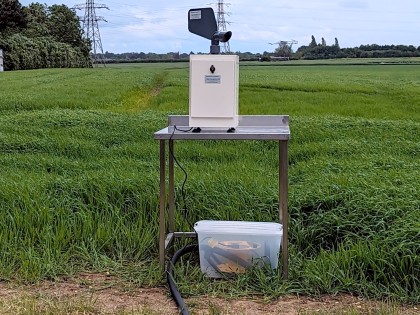
The consortium has established an air sampling network across six countries and use Oxford Nanopore DNA sequencing to identify airborne fungal species and genetic variants linked to fungicide resistance. The findings are validated against conventional fungicide sensitivity testing of fungi collected from crops and the environment.
By tracking where resistance occurs and how it changes, the project aims to support more informed fungicide use, sustainable cereal disease management and improved understanding of environmental antifungal resistance.
Partners





Funders


Duration
February 2024-January 2028
Niab researchers







Contact
Niab
Park Farm Campus
Villa Road
Histon
Cambridge
CB24 9AT, UK
Tel: +44(0)1223 342200
Email: [email protected]


Niab Agronomy
Membership

© NIAB 2026