- About
-
Research
- Agronomy and farming systems
-
Agricultural crop research
-
Research projects - agriculture
- About SASSA-SAI
- CTP for Sustainable Agricultural Innovation
- Climate Ready Beans - workshop presentations (March 2022)
- Crop diversity HPC cluster
- Final project workshop
- Get involved
- List of materials
- News and updates
- Partners
- The research team
- UK Cereal Pathogen Virulence Survey
- UK wheat varieties pedigree
- Weed management - IWM Praise
- Crop breeding
- Crop characterisation
- Data sciences
- Genetics and pre-breeding
- Plant biotechnology
- Plant pathology and entomology
- Resources
-
Research projects - agriculture
- Horticultural crop research
- Crop Science Centre
- Research Projects
- Research Publications
-
Services
- Analytical Services
- Commercial trial services
- Membership
- Plant breeding
- Plant characterisation
- Seed certification
-
Training
-
Technical agronomy training
- Advanced crop management of bulb onions
- Advanced crop management of vegetable brassicas
- Advanced nutrient management for combinable crops
- Benefits of cover crops in arable systems
- Best practice agronomy for cereals and oilseed rape
- Developing a Successful Strategy for Spring Crops
- Disease Management and Control in Cereal Crops
- Incorporating SFI options into your rotation
- Protected Environment Horticulture – Best Practice
- Techniques for better pest management in combinable crops
- Crop inspector and seed certification
- Licensed seed sampling
-
Technical agronomy training
- News & Views
- Events
-
Knowledge Hub
-
Alternative and break crops
- POSTER: Domestic production of plant-based protein (2026)
- POSTER: Understanding the lifecycle of cabbage stem flea beetle (2026)
- POSTER: Domestic chickpea production (2025)
- POSTER: Prospects for domestic plant-based protein (2025)
- POSTER: Alternative protein crops & sources (2022)
- POSTER: Undersowing forage maize (2025)
-
Crop genetics
- POSTER: Diversity enriched wheat (2026)
- POSTER: Genetics of wheat flag leaf size (2024)
- POSTER: Wheat yield stability (2024)
- PRESENTATION: Plant breeding for regen ag
- POSTER: Improving phenotyping in crop research (2022)
- POSTER: wild wheat fragment lines (2022)
- Poster: Traits for future cereal crops (2022)
- Poster: Designing Future Wheat (2020)
- Crop nutrition
-
Crop protection
- POSTER: Disease control in barley (2026)
- POSTER: Disease control in winter wheat (2026)
- POSTER: Fungicide resistance research (2026)
- Poster: Implementing IPM (2026)
- Poster: Testing the performance of biofungicides in winter wheat
- POSTER: UKCPVS winter wheat rusts - 2025 review (2026)
- POSTER: UKCPVS winter wheat yellow rust in spring 2025 (2026)
- POSTER: UKCPVS disease monitoring and the benefit to UK growers (2025)
- POSTER: Diagnosing and scoring crop disease using AI (2025)
- POSTER: Finding new sources of Septoria resistance (2024)
- POSTER: Detecting air-borne pathogens (2024)
- POSTER: Oilseed rape diseases (2024)
- POSTER: Improving chocolate spot resistance (2022)
- Poster: Pathogen diagnostics (2022)
- Fruit
-
Regen-ag & sustainability
- Poster: CHCx3 - herbal leys for carbon capture (2026)
- Poster: CHCx3 - growing flax for carbon capture (2026)
- Poster: CHCx3 - growing fibre crops (2026)
- Poster: Old crops feeding the bioeconomy (2026)
- POSTER: CHCx3 - maximising carbon storage from cover crops (2026)
- POSTER: Reducing GHG emissions from wheat production (2026)
- POSTER: CHCx3 - increasing carbon capture through cropping (2026)
- Poster: Finding a balance for productive lowland peat systems (2026)
- POSTER: Crops for the future (2024)
- POSTER: CHCx3 - increasing carbon capture in grasslands (2024)
- POSTER: More wheat/ha tackles climate change (2024)
-
Seed certification
- POSTER: Wheat DUS (2024)
- POSTER: Innovation in variety testing (2024)
- POSTER: AI and molecular markers for soft fruit (2024)
- POSTER: Barley crop identification (2023)
- POSTER: Herbage grass crop identification (2023)
- POSTER: Herbage legume crop identification (2024)
- POSTER: Minor cereal crop inspecting (2023)
- POSTER: Pulse crop identification (2023)
- POSTER: Wheat crop identification (2023)
-
Soils and farming systems
- POSTER: Saxmundham - modern P management learnings (2026)
- POSTER: Saxmundham - 125 years of phosphorus management (2026)
- POSTER: Soil structure and organic matter (2026)
- Poster: Soil phosphorus - availability, uptake and management (2026)
- POSTER: Morley long term experiments (2026)
- POSTER: Exploiting novel wheat genotypes for regen-ag (2026)
- Poster: Soil invertebrates within arable rotations (2024)
- POSTER: The impact of rotations & cultivations (2024)
- POSTER: Soil & agronomic monitoring study (2024)
- POSTER: Impact of prolonged rainfall on soil structure (2024)
- POSTER: Checking soil health - step by step (2024)
- POSTER: Checking soil health - across space and time (2024)
- POSTERS: Changing soil management practices (2022)
- Poster: Monitoring natural enemies & pollinators (2021)
- Video: New Farming Systems project (2021)
- Video: Saxmundham Experimental Site (2021)
- VIDEO: Soil health assessment (2021)
- VIDEO: Great Soils; soil sampling guidelines (2020)
- Varieties
-
Weed management
- Poster: Reducing weed seedbanks for long-term weed control (2026)
- Poster: The growing threat of brome (2026)
- Poster: The growing threat of ryegrass (2026)
- POSTER: Understanding the hierarchy of black-grass control (2026)
- POSTER: Mode of action (2026)
- POSTER: Emerging weed threats (2026)
- POSTER: Weed seed predation in regen-ag (2024)
- POSTER: Inter-row cultivation for black-grass control (2022)
- Poster: Management of Italian ryegrass (2021)
- Video: Inter-row cultivations for black-grass control (2020)
- ADOPT
-
Alternative and break crops

Strawberry grower attitudes to landscape complexity revealed
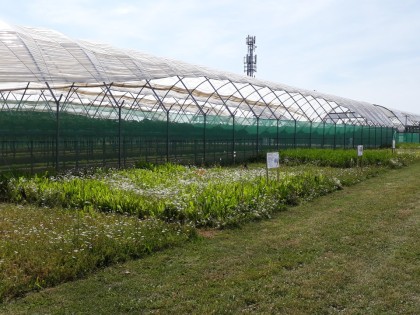
With the continuing decline in fast-acting crop protection products authorised for use in fruit crops, entomologists in Niab's Cropping Systems team have channelled its energies into harnessing naturally occurring organisms from the surrounding environment and developing novel approaches to deliver crop protection that does not rely on conventional crop spraying. In so doing, increasing thought is being given to the management of natural habitats in and around fruit crops and the impact that landscape complexity has on pest control. Michelle Fountain explains...
Niab has been one of seven partners in an EUfunded project entitled ‘AgroBioConnect: Connections in the landscape. Role of landscape complexity in agroecosystem sustainability ’.
The project has investigated the connection between landscape complexity, measured using satellite remote sensing, on above- and below-ground ecosystem services in a range of agricultural landscapes. The general objective of Niab’s research was to examine how the landscape surrounding strawberry crops influences beneficial organisms.
The team measured the response of two important ecosystem service deliveries; aphid parasitoid wasps that deliver pest control, and wild bees that pollinate the crop. The intention was to gauge whether being in a better landscape (ie one with more habitat diversity or better connectedness) results in more beneficial insects on farms. The data is currently being analysed for publication, with this post summarising the results of a survey of strawberry growers who hosted the study sites to understand:
- How strawberry growers considered the landscape when making crop management decisions
- If they had ideas on how the landscape contributes to fruit production
- What recommendations they thought would encourage the uptake of wider habitat management.
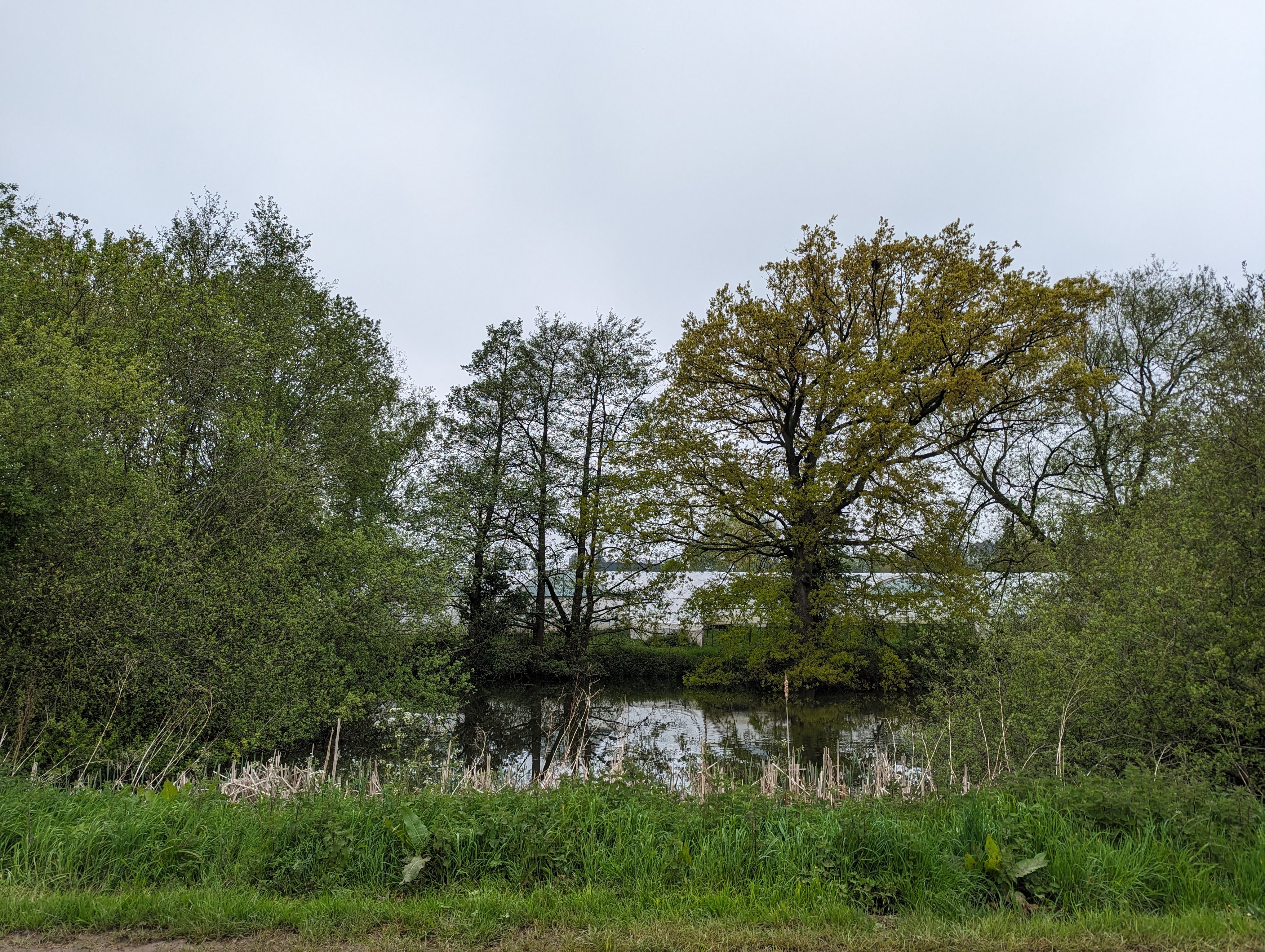
Figure 1. Landscape heterogeneity shapes the composition of beneficial organisms
To help us achieve this, seven of the 11 strawberry growers who took part in the project were asked five questions:
- How much does the wider landscape influence your farm?
It was clear that there have been shifts in opinions on this in recent times. While many growers used to consider the surrounding landscape to be a source of insect pests and diseases, it is now seen as a source of control, to the point that newer fruit farms are designed with biological control in mind, incorporating flowering hedgerows, woodland, grassland and ponds.
Some growers are giving thought to plant species that might host pests and diseases of fruit and are removing these to reduce reservoirs of inoculum, whilst simultaneously encouraging habitats that boost beneficial organisms. There is also an awareness that local houses, gardens and woodland might harbour damaging pests. Growers are also more mindful of the impact of the landscape on drought in summer and flooding in winter, and the risks of soil and habitat erosion.
There is an understanding that winter rain needs to be recycled and water runoff managed through the levelling of fields and establishment of reed beds. Increased planting of hedgerows is also considered important to reduce soil erosion, although growers recognise that this might provide habitat for new pests and diseases.
- How important are landscape features?
There was an overriding view that landscape diversity is less important than good management of specific habitats on the farm. Most importantly, growers feel that connecting corridors of wildlife and beneficial insects is essential, allowing their movement around the farm. Habitat quality including the presence of semi-natural areas like woodlands and flower-rich meadows are also considered important. Some, but not all, feel that smaller fields provide improved levels of aphid control. One grower prefers to establish dedicated wildflower areas to support beneficial insects, but finding suitable land is a challenge. It is generally agreed that more advice is needed to match the size and quality of habitats to cropping areas and where to site these habitats.
- How does the landscape benefit your business?
There is a feeling that enhancing and protecting the landscape benefits wildlife and biodiversity rather than having a direct positive impact on the fruit business. However, some did see the benefits that such management would have on populations of beneficial insects and their impact on biological control, although much reliance is still placed on introduced predators. It was perceived that it is difficult to quantify the financial impact although the implementation of integrated pest management programmes is actively reducing reliance upon conventional spray control products, whilst also helping to reduce the risk of residues in fresh produce.
Some growers simply derive personal satisfaction from enhancing the number of insect, mammal and bird species around the farm rather than gaining financial benefits. This suggests that some do not associate biodiversity with farm profitability and should businesses come under increasing financial pressure, continual efforts to enhance habitats and associated biodiversity might stop.
- What are the barriers to landscape diversity in your business?
Several responses highlighted the need to maximise income for business survival, and this necessitates intensive production from the highest proportion
of land space available. This leaves little room for establishing different habitats. Administrative burdens and time constraints limit the ability to manage the landscape surrounding strawberry production areas.
Some growers are considering hiring an additional person dedicated to managing biodiversity efforts, but finances may prevent such an appointment. Weather conditions are also blamed for limiting the ability to create ditches and prepare land for wildflowers, while there is a lack of knowledge on the best wildflower mixes to sow that will enhance beneficial insects without attracting insect pests.
Growers generally need more practical guidance and advice tailored to their own specific farm conditions. It was felt that there is a lack of education on how to transition to ‘greener’ production methods. One grower wishes that retailers would take a more active role in educating consumers
over the benefits of sustainable farming and the presence of beneficial insects in harvested produce.
- If you could implement just one activity to increase diversity of landscape around your farm, what would it be?
Many answers focused on ‘low-effort’ or ‘quick-win’ activities. Labour permitting, replanting windbreaks and hedgerows or improving these with a diversity of both woody and wildflower species was popular as was biennial hedge-cutting and reducing alleyway mowing. There is also interest in deploying more plant species to attract natural enemies and different predators either through mixed planting or banker planting.
Although there is a reluctance to remove cropping areas in favour of new wildlife habitats due to loss of income, one grower is considering creating wildflower meadows, to demonstrate a commitment to biodiversity and improve relations both with the public and retailers. There is also a desire to develop devices that will assess the impact of landscape diversity on pests and pollinators in cropping areas and quantify the overall benefits, while clearer guidance and tailored advice is required from agronomists and advisory bodies.
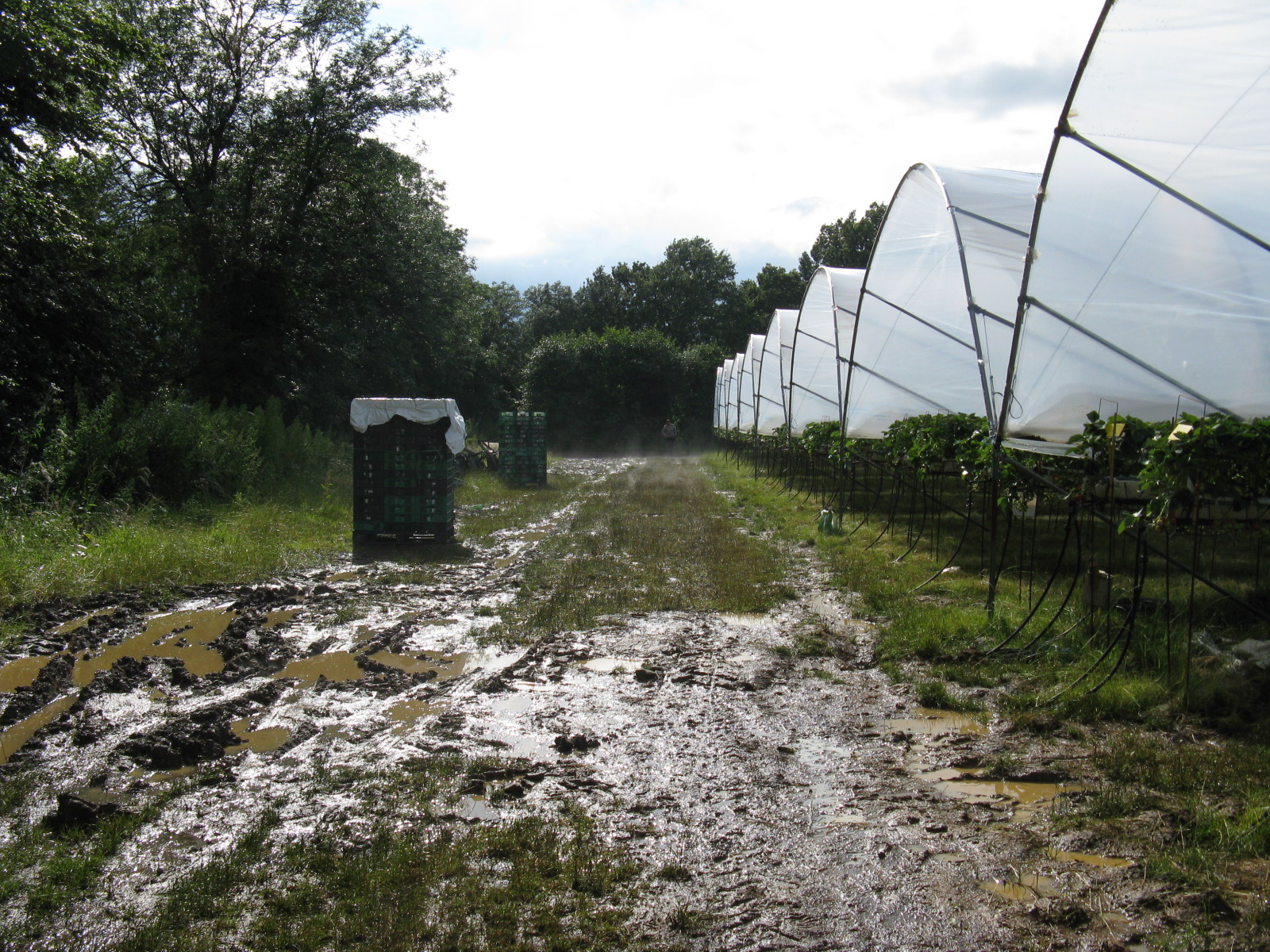
Figure 2. Water runoff needs better management on strawberry farms
Conclusions
Nine key conclusions were drawn from growers opinions on landscape complexity.
- Water management, including recycling and runoff control, is a growing concern due to water shortages and flooding
- Most important features for growers on farm include habitat quality corridors
- Perceived benefits of landscape complexity include pest control, pollination and enhanced wildlife
- Improved landscape features can improve public relations and retailer engagement
- Biodiversity is valued for its intrinsic benefits rather than direct economic returns
- Major constraints include the cost of land, limited space, available time, labour and demand for a premium fruit product
- Growers need clearer guidance on crop specific wildflower mixes
- Reducing mowing and replanting windbreaks/hedgerows can be achieved with little additional effort
- Growers need more advice and guidance from agronomists and advisory bodies to help them implement changes.
Operational Advice for Growers:
- Avoid fragmentation & isolation of semi-natural areas on farms
- Employ larger & wider continuous corridors
- Group perennial multi-species margins these act as "biodiversity reservoirs"
- Create complex, diverse edges embedded within large, well-connected habitat blocks
- Cultivate sinuous margins – rather than plain straight edges
- Importantly avoid invasive management practices on biodiversity reservoirs, especially in summer as this could disrupt biological control.
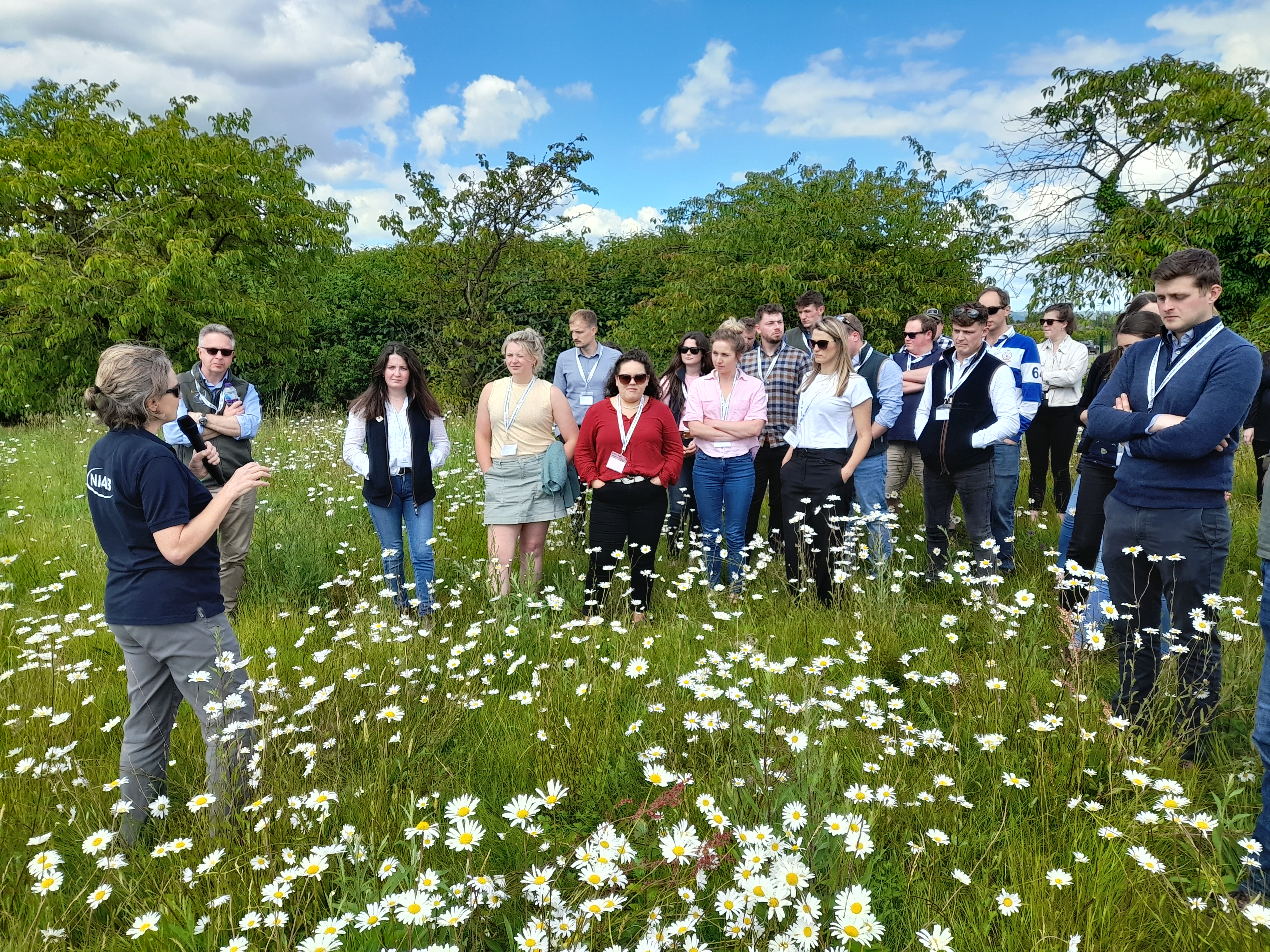
Figure 3. Growers need more practical guidance on the choice of wildflower species to sow on their farms
This article originally appeared in the Summer 2026 edition of Niab’s Landmark magazine. Landmark features in-depth technical articles on all aspects of Niab crop research, comment and advice. You can sign up for free and get Landmark delivered to your door or inbox:
Contact
Niab
Park Farm Campus
Villa Road
Histon
Cambridge
CB24 9AT, UK
Tel: +44(0)1223 342200
Email: [email protected]


Niab Agronomy
Membership

© NIAB 2026