
A decade of change: closing a personal chapter at Niab
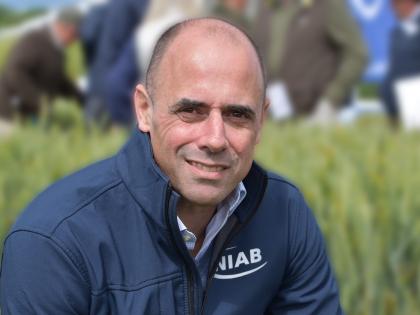
Outgoing CEO Professor Mario Caccamo looks back on his time with Niab...
After a remarkable ten years, including almost five as CEO, I am leaving Niab to pursue an exciting new opportunity with an organisation overseas. Leading Niab through a significant period of positive transformation has been both a privilege and deeply rewarding.
This period has also been one of profound change for UK farming. The impacts of climate change, with warmer, drier summers and wetter winters, have been accompanied by equally unpredictable changes in farming policy.
Alongside these challenges, we were also required to respond to the COVID-19 crisis, which tested our resilience; at Niab, however, we demonstrated our capacity to deliver at times when the country needed it most.
In June 2016, just a few months after I joined Niab, the UK voted to leave the EU in a once in a generation referendum. Earlier that same year, Niab had completed the rescue of East Malling Research (EMR) from administration, without public sector support. This intervention protected an essential national asset for the horticulture sector: capability that would otherwise have been lost.
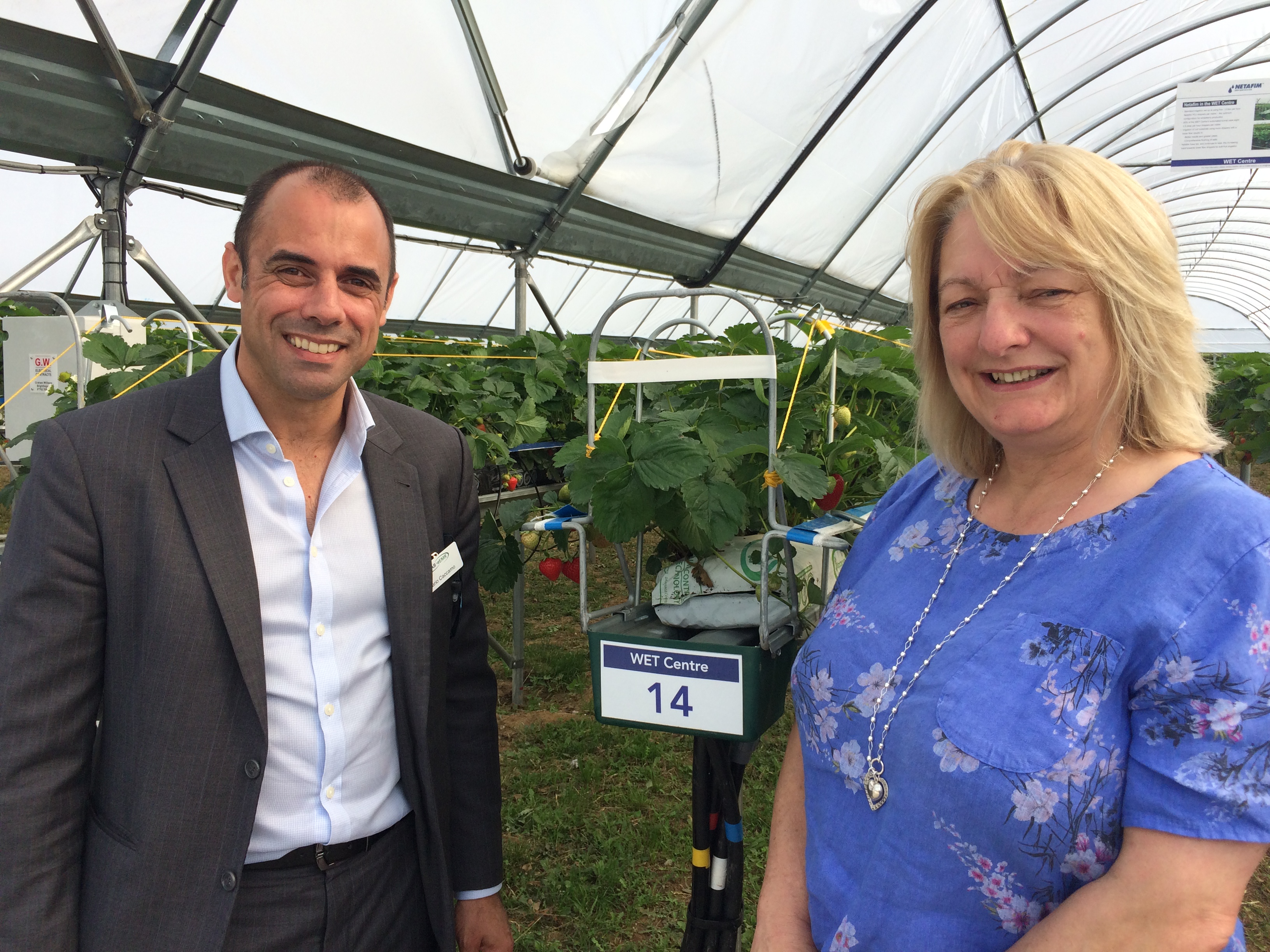
In 2017, I moved to East Malling to take on the role of Managing Director, with a clear mandate to expand Niab’s portfolio for the benefit of UK horticulture. Working closely with the East Malling Trust and stakeholders in Kent, we focused on modernising the research station to reverse more than 30 years of under-investment. This effort culminated in the successful award of a Strength in Places Fund grant to create Growing Kent & Medway.
In partnership with the East Malling Trust, we built new plant growth rooms and glasshouses to ensure Niab could support the horticulture sector with state of the art facilities.
During this time, we also oversaw the growth of the strawberry breeding programme, driven by the global success of Malling™ Centenary. Two years ago, we sold this programme to Bayer. This transaction not only recognised the exceptional quality of Niab’s capabilities but also enabled future growth beyond the UK. Importantly, it secured inward investment, reinforcing East Malling’s position as a global centre for horticultural innovation.
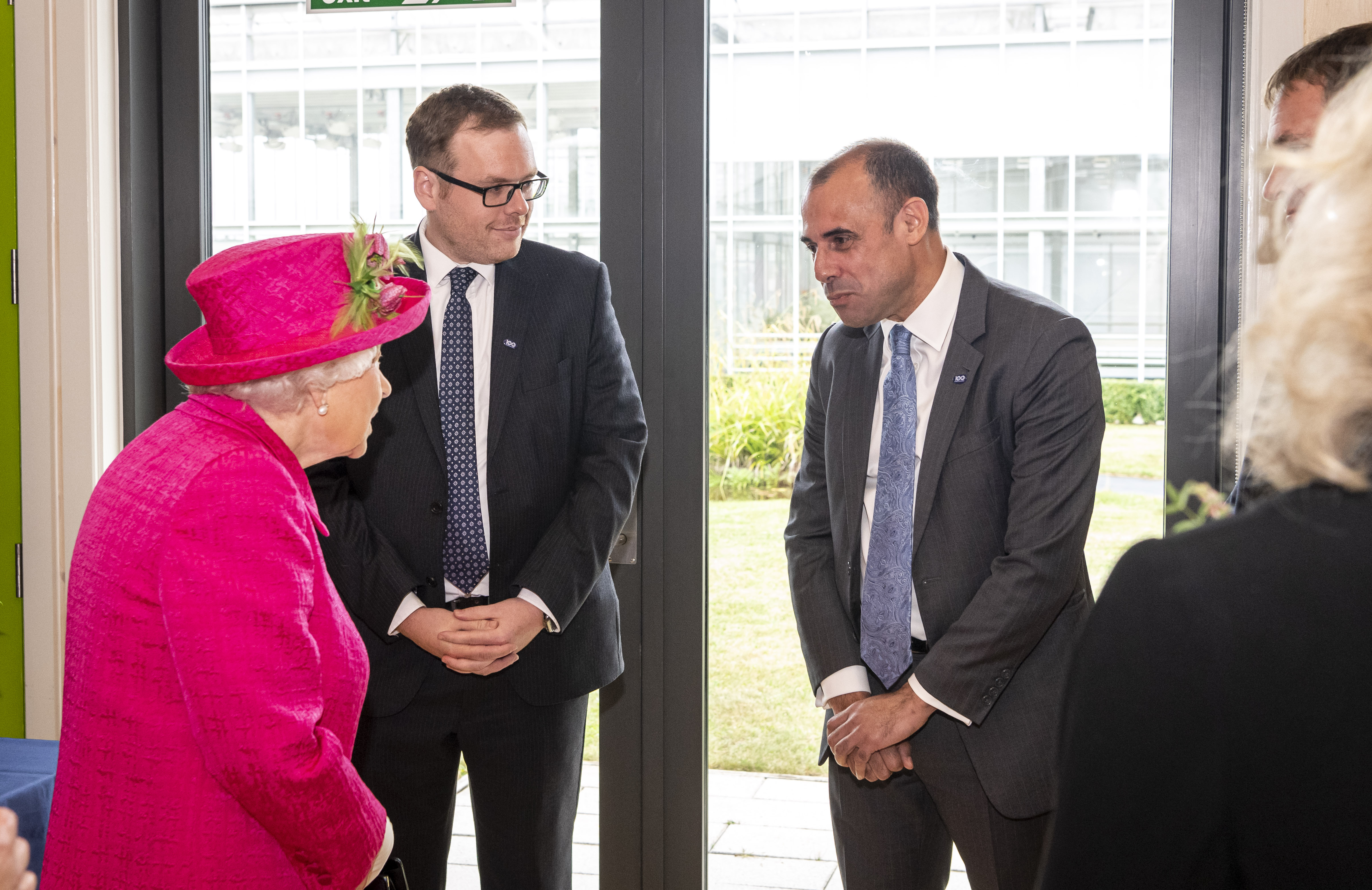
Since becoming Niab’s CEO in 2021, we have built on the foundations established by my predecessors to strengthen the vital translational space between discovery and delivery. With this focus, we are unlocking a unique opportunity for the UK to lead the adoption of technologies that address some of the grand challenges of our time. Niab sits at the very heart of this translational space, driving real world impact from innovation.
One powerful example of this commitment has been Niab’s leadership in championing the implementation of new legislation for precision breeding. The evidence is clear: proportionate, enabling regulation unlocks innovation, accelerates the adoption of transformative technologies, and attracts long-term investment. This was a critical step forward, and now we must build on it with greater ambition and at pace.
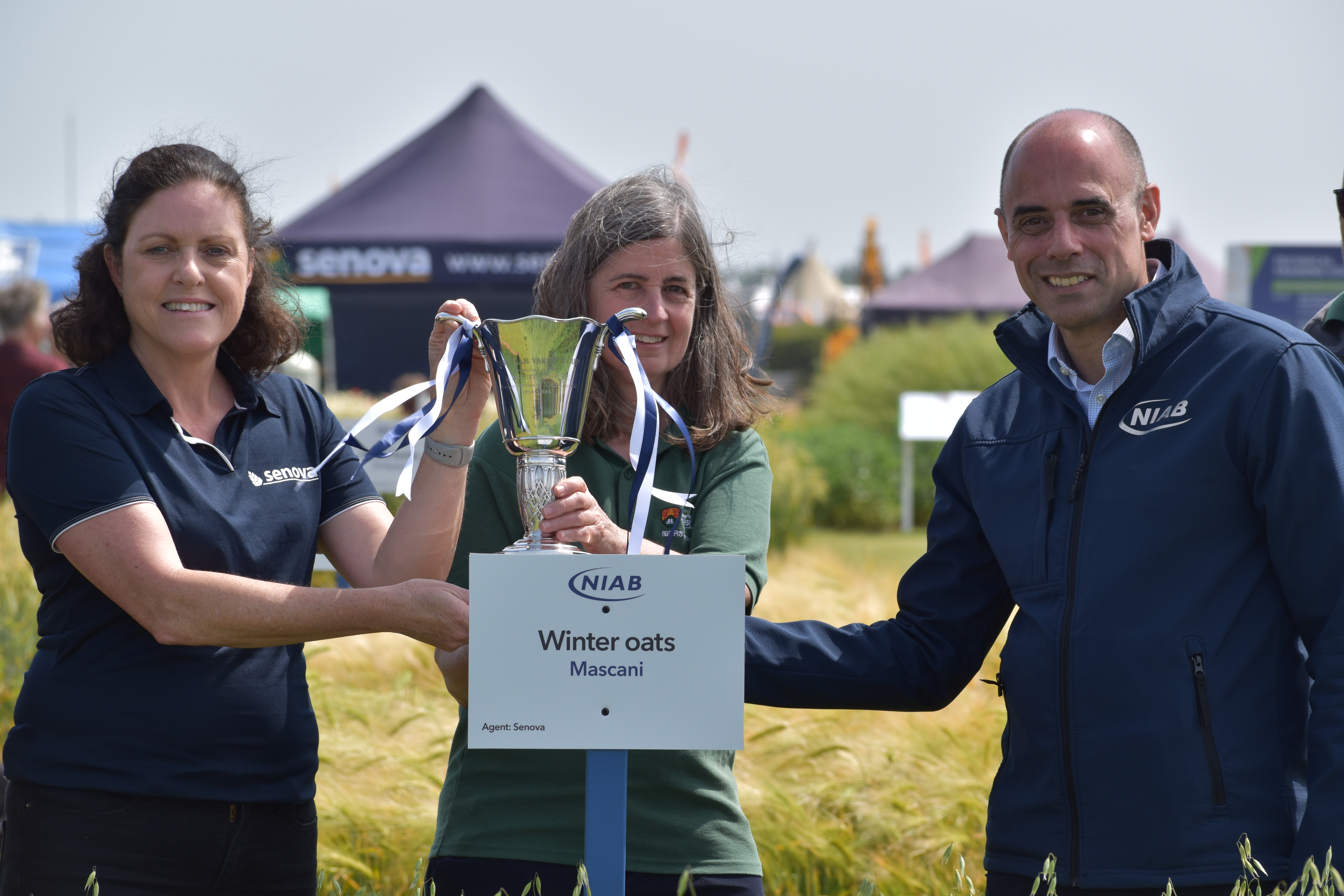
Over the past decade, Niab has demonstrated its value to UK agriculture and horticulture by anticipating and responding decisively to emerging threats. Our team at East Malling was the first to identify and report the presence of spotted wing drosophila (SWD) on UK soft fruit crops.
This early warning proved critical. We pioneered an integrated response, combining cutting edge research, national monitoring networks, and emergency use insecticides to confront this novel pest. While effective management strategies have so far safeguarded the sector, continued research is essential to secure long-term resilience.
More recently, Niab was first to detect, through our northern field trials team, a breakdown in the protection conferred to wheat varieties by a yellow rust resistance gene (Yr15). This marked the first recorded failure of Yr15 and represents one of the most significant losses of genetic resistance facing the sector. Reliance on single, high value resistance genes carries systemic risk.
We are now working with colleagues at the John Innes Centre to understand the molecular basis of this change and to support the development of more durable resistance strategies.
We have also been key players in supporting the adoption of more sustainable approaches to farming.
Regenerative farming has emerged as a defining movement in UK agriculture and horticulture. For Niab, this is neither a fleeting buzzword nor wishful thinking, but a necessary evolution in how we farm.
We believe that regenerative agriculture must be grounded in rigorous, evidence-based science, embracing innovation, large scale data, and biotechnology, while restoring soil health and environmental resilience. Done properly, it allows profitable, high yielding crop production to go hand in hand with a reduction in agriculture’s environmental footprint.
In this context, I would like to highlight our soil health studies in the East of England, delivered with the support of the Morley Agriculture Foundation (TMAF). This work is only possible through long-term funding, something that is all too rare, but where TMAF’s approach has been exemplary, allowing research to extend beyond conventional five-year horizons.
Niab’s role in the translational space is to bring coherence to the innovation system: de risking adoption, accelerating progress from research to field, and empowering farmers and growers to build more resilient and competitive businesses. In doing so, we complement the discovery science delivered by universities and research organisations.
The Crop Science Centre, our alliance with the University of Cambridge and launched in October 2020, exemplifies the strength of this innovation pipeline. At the time, we were still in the midst of the COVID 19 pandemic, yet Niab continued to deliver critical support to farming, which is essential to safeguarding the UK’s food security.
During this period, Niab’s crop characterisation team maintained a strong focus on supporting breeders, enabling them to continue making progress in the development of new varieties despite the challenging circumstances.
I would like to express my sincere gratitude to Niab staff, current and former Board members, and our sponsors for their dedication, professionalism, and support over the past decade. Above all, I want to recognise the farmers and growers who work with Niab through our Membership programme. Our close relationship with them defines who we are and underpins the strength and resilience of the organisation. I would also like to thank the Council for Awards of Royal Agricultural Societies for the recent Associateship (ARAgS) award; I am truly honoured and humbled by this recognition.
When I took on the CEO role in 2021, I set out to cement Niab’s position as the ‘go to’ organisation for agricultural and horticultural innovation. Together, we have made substantial progress towards that ambition. I am immensely proud of what we have built, and confident that
Niab will continue advancing its mission to put plant science into practice.
Contact
Niab
Park Farm Campus
Villa Road
Histon
Cambridge
CB24 9AT, UK
Tel: +44(0)1223 342200
Email: [email protected]


Niab Agronomy
Membership

© NIAB 2026